Quick Answer
Enamel repair toothpaste typically contains fluoride to help remineralize and strengthen weakened enamel, while standard toothpaste focuses on basic cleaning and cavity prevention. Choose an enamel-strengthening formula if you have sensitivity or early enamel wear; otherwise, a standard anticavity paste may suffice.
When you scan the toothpaste aisle, you'll see tubes labeled 'enamel repair' or 'strengthening' alongside standard anticavity options. But what actually sets them apart? The difference often comes down to fluoride concentration and additional ingredients aimed at remineralizing tooth enamel.
Understanding how these formulas work can help you decide whether a specialized paste is worth the extra cost or if a standard option meets your needs. Below, we compare the two based on how they protect teeth and what to expect from each.
How Enamel Repair Toothpaste Works
Enamel repair toothpastes are designed to help remineralize early stages of enamel demineralization. They typically contain fluoride, which binds to tooth surfaces and attracts calcium and phosphate from saliva to rebuild weakened areas. This process can reduce sensitivity and make teeth more resistant to acid attacks.
Some formulas also include ingredients like arginine or nano-hydroxyapatite, but Tom's of Maine relies on fluoride as the active ingredient in its enamel-strengthening toothpastes. For example, the Whole Care Wintermint Natural Toothpaste with Fluoride explicitly states it prevents cavities and strengthens enamel.
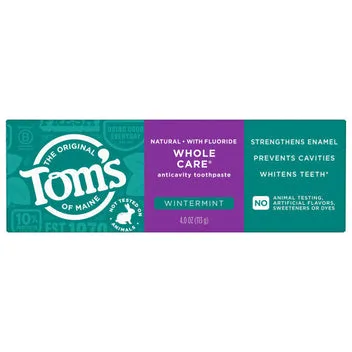
Whole Care Wintermint Natural Toothpaste with Fluoride
- Look for the ADA seal or a statement confirming anticavity and enamel-strengthening benefits.
- If you have sensitive teeth or notice early wear, an enamel repair paste may be a good choice.
What Standard Toothpaste Does Differently
Standard toothpaste focuses on daily cleaning, cavity prevention, and fresh breath. Many contain fluoride at levels proven to prevent cavities, but they may not emphasize enamel remineralization as a primary benefit. Instead, they often include abrasives to remove plaque and surface stains.
That doesn't mean standard toothpaste neglects enamel. Any fluoride toothpaste helps to some degree. The distinction is in the marketing and formulation focus: enamel repair products may have a higher fluoride concentration or additional polishing agents that are gentler on weakened enamel.
- If you have healthy enamel and no sensitivity, a standard anticavity toothpaste is usually sufficient.
- Check the fluoride concentration (measured in ppm) if you're comparing products side by side.
Trade-Offs to Consider
- Fluoride concentration: Enamel repair toothpastes often have higher fluoride levels to boost remineralization. Standard toothpastes may use lower levels but still prevent cavities. Choose higher fluoride if you have early enamel erosion or sensitivity.
- Additional benefits: Enamel repair formulas may include whitening or sensitivity relief. Standard pastes focus on basic protection and may be less expensive. Decide if you need extra benefits or just cavity prevention.
- Taste and texture: Some enamel repair pastes have a stronger mint flavor or different abrasiveness. Standard pastes come in a wider range of flavors, including kid-friendly options. Pick a flavor you'll enjoy to maintain consistent brushing.
Product Facts: Enamel Repair vs. Standard Toothpaste
- Whole Care Wintermint Natural Toothpaste with Fluoride: The fluoride toothpaste prevents cavities, strengthens enamel, and whitens teeth by removing surface stains. This is a true enamel-strengthening option that also offers whitening, making it a multi-benefit choice for those concerned about enamel wear.
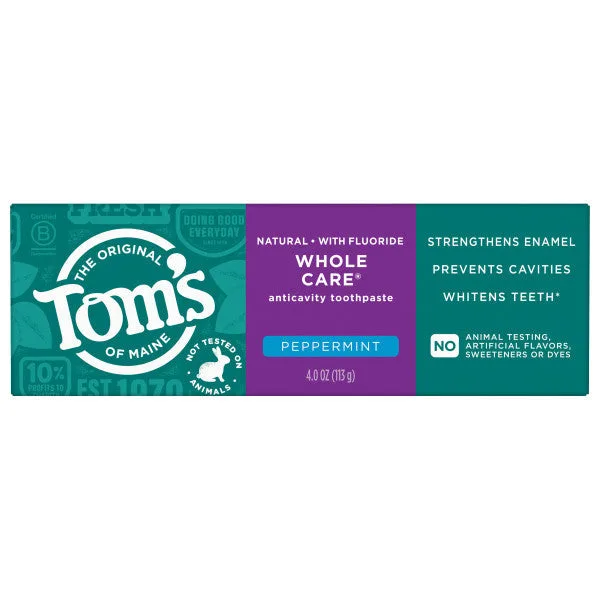
- Whole Care Peppermint Anticavity Toothpaste: Provides anticavity protection and helps strengthen enamel. Formulated for multi-benefit oral care, including cavity protection and enamel repair. A standard anticavity paste that still supports enamel, ideal for families wanting cavity protection without a dedicated enamel formula.
Which Toothpaste Should You Choose?
Best for
- People with early enamel wear, sensitivity, or a dentist's recommendation to strengthen enamel.
- Those who want a multi-benefit paste that also whitens, like Whole Care Wintermint.
Not for
- Children under 6 who may swallow toothpaste; choose a kids' formula with lower fluoride.
- Adults with healthy enamel who prefer a simple, budget-friendly anticavity paste.
The choice between enamel repair and standard toothpaste comes down to your oral health needs. If you have concerns about enamel erosion or sensitivity, a fluoride toothpaste that emphasizes strengthening is a smart investment. For most people, a reliable anticavity paste still offers solid protection. Always consult your dentist for personalized advice.