When packing for a camping trip, backyard barbecue, or picnic, choosing the right dinnerware can make or break your outdoor dining experience. Two popular options—enamelware and ceramic—each bring distinct advantages to the table. Enamelware is celebrated for its rugged durability and lightweight feel, while ceramic dinnerware offers elegance and superior heat retention. But which one truly suits your outdoor lifestyle?
In this guide, we’ll compare enamelware vs ceramic dinnerware across key factors like weight, durability, heat retention, ease of cleaning, and aesthetic appeal. We’ll also highlight specific products from Barebones that excel in each category, helping you make an informed decision for your next outdoor meal.
Durability and Weight: Enamelware’s Rugged Edge
Enamelware is the undisputed champion of outdoor durability. Made from a steel core coated with a vitreous enamel finish, it resists chipping, cracking, and rust when properly cared for. This makes it ideal for camping, where plates and bowls may be dropped on rocky ground or packed tightly in a bag. Enamelware is also significantly lighter than ceramic, reducing pack weight for hikers and backpackers.
Ceramic dinnerware, while beautiful, is heavier and more brittle. A single drop on a hard surface can lead to cracks or shattering. However, high-quality stoneware or porcelain can withstand moderate use on a picnic table or deck. For those who prioritize durability and portability, enamelware is the clear winner.
- Enamelware: Lightweight, chip-resistant, and ideal for rugged outdoor use.
- Ceramic: Heavier and more fragile, but offers a refined dining experience.
- Tip: Choose enamelware for backpacking or car camping; reserve ceramic for stationary backyard dining.
Heat Retention: Ceramic’s Warmth vs Enamelware’s Coolness
Ceramic dinnerware excels at retaining heat, keeping your food warm longer—a major plus for chilly evenings or slow-paced meals. The dense material absorbs heat and releases it gradually, so your soup or stew stays hot even as the air cools. This makes ceramic a favorite for cozy campfire dinners.
Enamelware, on the other hand, cools quickly because the steel core dissipates heat rapidly. While this prevents burnt fingers, it means food loses warmth faster. For hot dishes, consider using an enamel bowl with a lid or preheating it with hot water. For cold salads or desserts, enamelware’s cool touch is actually an advantage.
Ease of Cleaning and Maintenance
Both enamelware and ceramic are generally easy to clean, but they have different care requirements. Enamelware is non-porous and resistant to staining, so a quick rinse or wipe usually suffices. However, the enamel coating can chip if knocked against hard surfaces, revealing the steel underneath. Avoid abrasive scrubbers to preserve the finish.
Ceramic dinnerware is also non-porous and dishwasher-safe, but it can be prone to scratching if stacked without protection. Glazed ceramic resists stains well, but unglazed bottoms may absorb moisture. For outdoor use, enamelware’s lighter weight and lower maintenance often win out, especially when washing with limited water.
- Enamelware: Hand wash recommended; avoid metal utensils to prevent chipping.
- Ceramic: Dishwasher safe but stack with care to avoid scratches.
- Tip: Use a soft sponge and mild soap for both materials to extend their life.
Aesthetic Appeal and Style
If you value presentation, ceramic dinnerware offers a wider range of colors, patterns, and finishes—from rustic stoneware to sleek porcelain. It elevates the dining experience, making a simple meal feel special. For outdoor entertaining, ceramic plates and bowls add a touch of elegance that impresses guests.
Enamelware has its own charm, with a classic, vintage-inspired look that complements campfire settings. The speckled or two-tone designs are both functional and stylish. For example, the Enamel 2-Tone Salad Plate Set Indigo Blue brings a pop of color to any table, while the https://solpick.shop/products/rolled-enamelware-plate-set-117218https://solpick.shop/products/rolled-enamelware-plate-set-117222https://solpick.shop/products/rolled-enamelware-plate-set-117223Rolled Enamelware Plate Set offers a timeless, rolled-edge design that prevents drips. These options prove that enamelware can be both durable and beautiful.
Which Should You Choose? A Practical Guide
Your choice between enamelware and ceramic ultimately depends on your primary use case. For frequent campers, hikers, or anyone who needs lightweight, unbreakable dishes, enamelware is the best investment. It’s also a smart pick for families with young children or for use around fire pits where accidents happen.
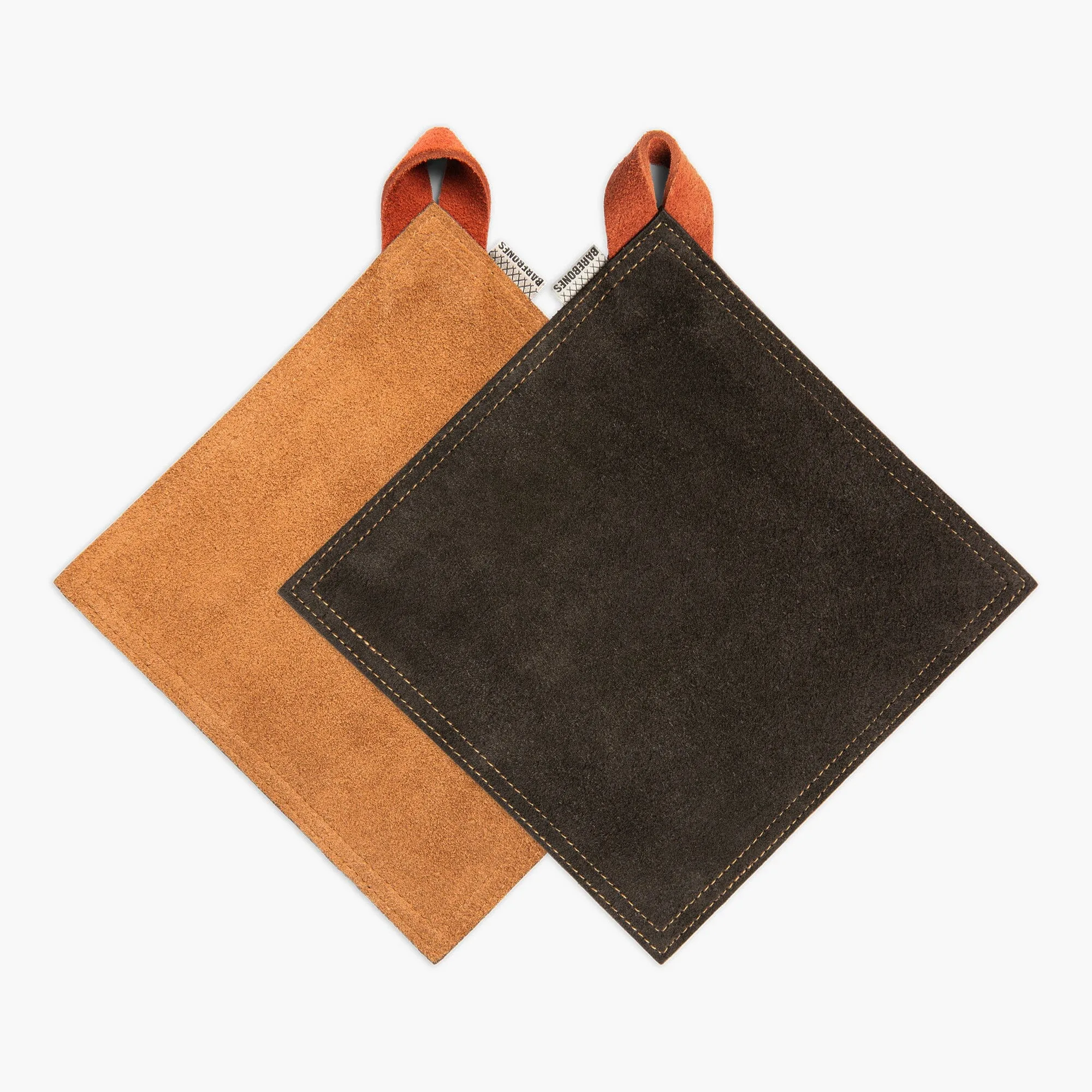
For backyard dining, picnics at the park, or hosting outdoor dinner parties, ceramic dinnerware adds a refined touch. If you’re willing to handle it with care, ceramic can elevate your alfresco meals. Consider mixing both: use enamelware for everyday camping and ceramic for special occasions. Pair your chosen dinnerware with accessories like the Reversible Suede Hot Pad Set to protect surfaces from heat.
- Choose enamelware for: camping, backpacking, RV trips, and family outings.
- Choose ceramic for: backyard dinners, picnics, and elegant outdoor gatherings.
- Tip: Start with a versatile enamelware set, then add ceramic pieces as your outdoor dining needs evolve.
Whether you opt for the rugged durability of enamelware or the timeless elegance of ceramic, Barebones offers high-quality dinnerware designed to enhance your outdoor dining experience. Explore our collection to find the perfect plates, bowls, and accessories for your next adventure—like the Enamel 2-Tone Salad Plate Set Indigo Blue, which combines classic style with practical durability.