Quick Answer
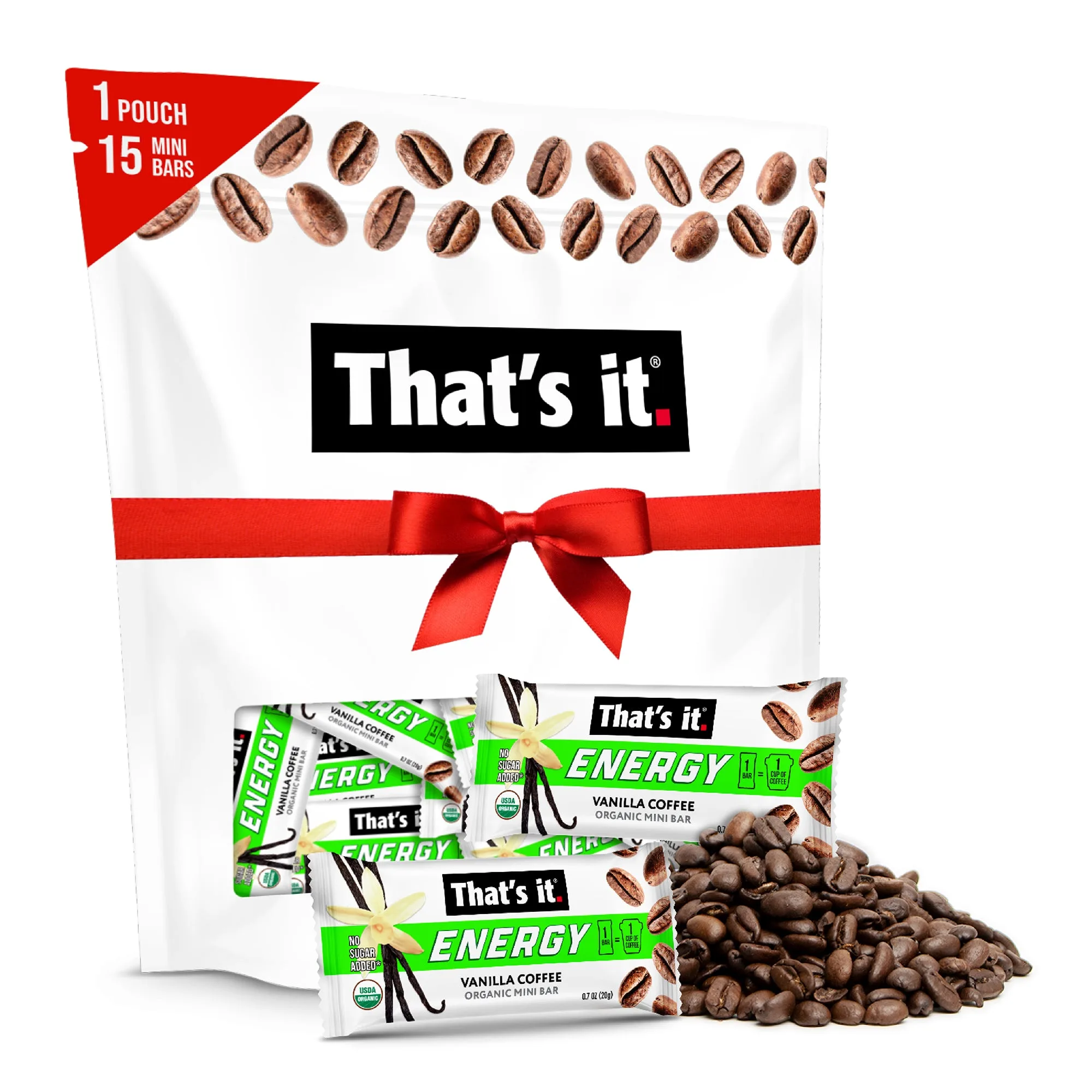
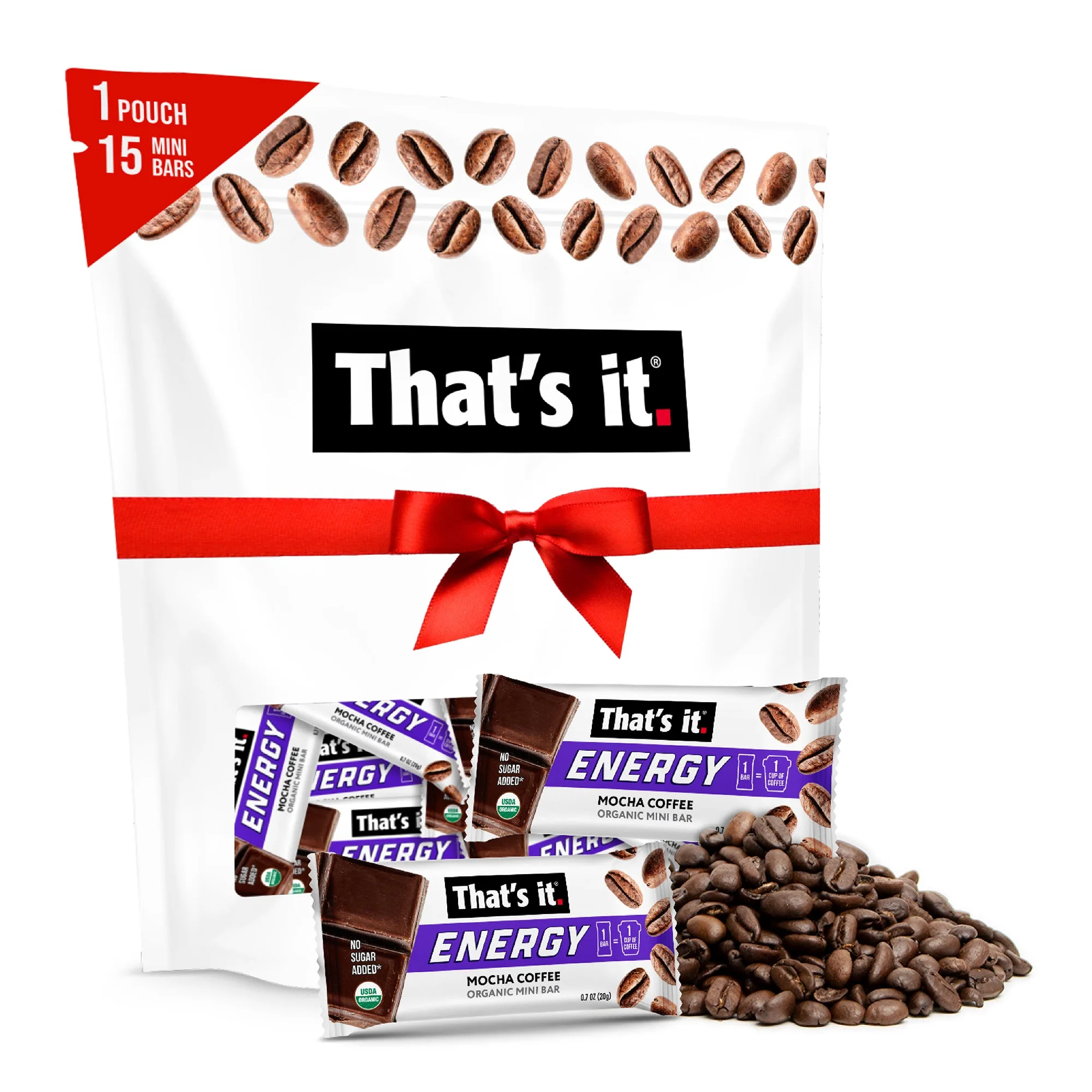
For a pre-workout boost, Energy Minis win on convenience and portion control: each bar delivers 100mg of natural caffeine from real fruit ingredients, no brewing or measuring needed. Coffee remains the more flexible choice if you want to fine-tune caffeine strength or enjoy a warm drink. If you want a portable, food-based option that pairs caffeine with a snack, pick Energy Minis; if you prefer a customizable liquid dose, stick with coffee.
Caffeine Dose: Fixed vs. Flexible
Energy Minis deliver a set 100mg of natural caffeine per bar, so you always know your dose. That predictability helps when you want to avoid over- or under-caffeinating before a workout. Coffee, by contrast, varies widely by bean, roast, and brew method, so the same cup can hit very differently from one day to the next. If you like dialing in your caffeine precisely, coffee gives you more control; if you prefer a no-guess option, Energy Minis remove the math.
Timing and Onset: What to Expect
Coffee typically hits within 30–60 minutes, depending on your metabolism and whether you drink it on an empty stomach. Energy Minis, eaten as a bar, digest alongside food, which may slow caffeine absorption slightly. For most people, eating a bar 30–45 minutes before training works well. If you need a faster lift, coffee may feel quicker; if you want a steadier release, a bar with fruit fiber can feel more gradual.
Convenience and Portability
Coffee requires a brewer, a cup, and a place to set it down. Energy Minis are shelf-stable, travel-friendly, and can be eaten one-handed on the way to the gym or trailhead. That makes them easier to pack in a gym bag or carry-on. Coffee still wins if you have a reliable routine and enjoy the ritual, but for portability and zero cleanup, the bars are hard to beat.
Ingredient and Dietary Considerations
That’s It. Energy Minis are made with fruit-first ingredients and natural caffeine from coffee, and they are plant-based, gluten-free, and Kosher certified. Coffee is naturally gluten-free and plant-based too, but what you add—sugar, creamers, syrups—can change the picture. If you want a clean-label snack that happens to include caffeine, Energy Minis offer a simpler ingredient list than a typical café drink.
Trade-Offs to Weigh
- Dose precision: Energy Minis give you a consistent 100mg per bar; coffee varies by cup and brew method. Choose bars if you want repeatable dosing; choose coffee if you like to adjust strength.
- Speed of onset: Coffee often kicks in within 30–60 minutes; a bar eaten with food may absorb more slowly. For a fast pre-workout lift, coffee may feel quicker; for a steadier release, a bar works well.
- Portability and cleanup: Energy Minis are shelf-stable and require no brewing; coffee needs equipment and a cup. Bars win for travel, gym bags, and one-handed fueling.
- Ingredient control: Energy Minis are plant-based, gluten-free, and Kosher certified; coffee additives can change the nutritional picture. If you want a clean-label caffeine snack, bars are the simpler choice.
Energy Minis at a Glance
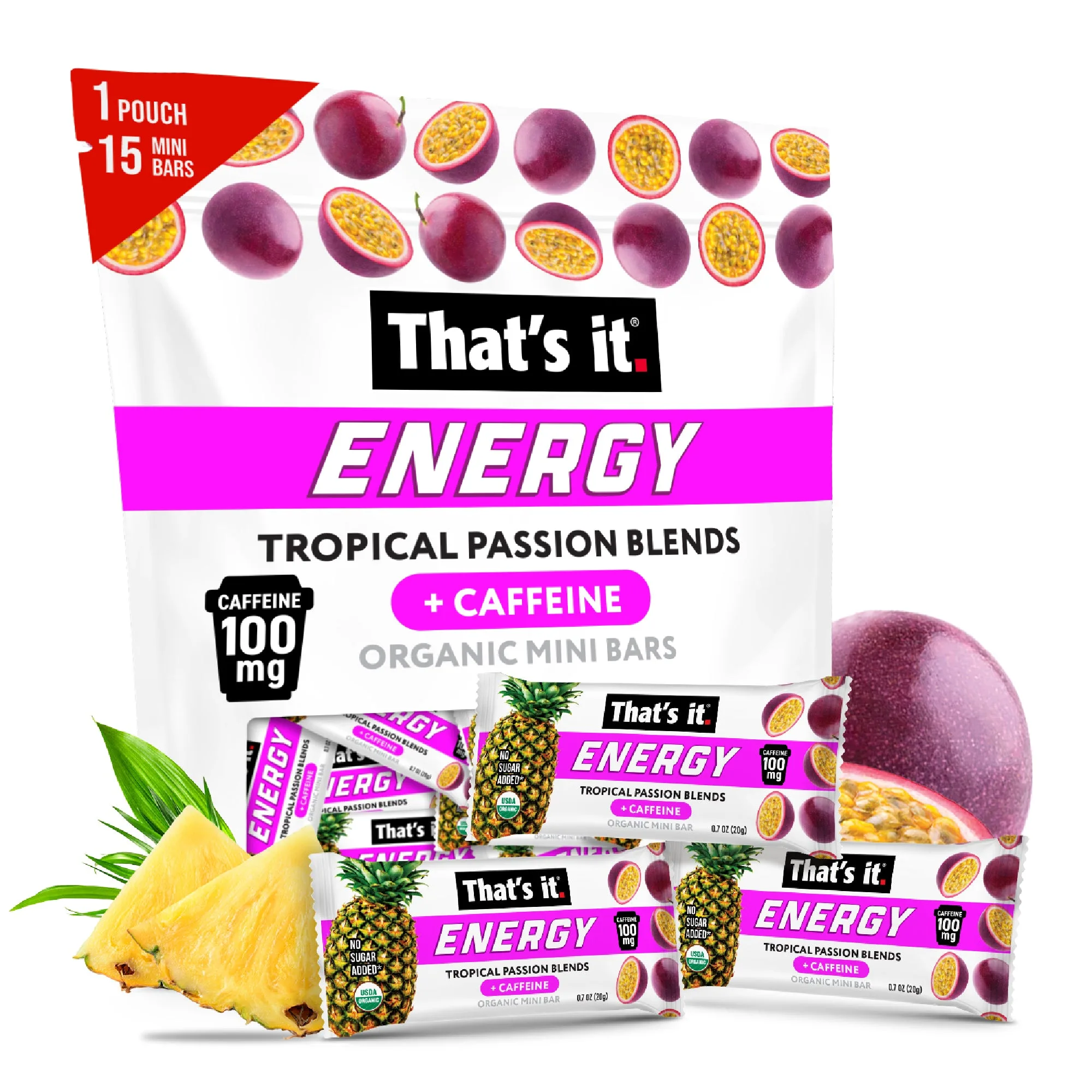
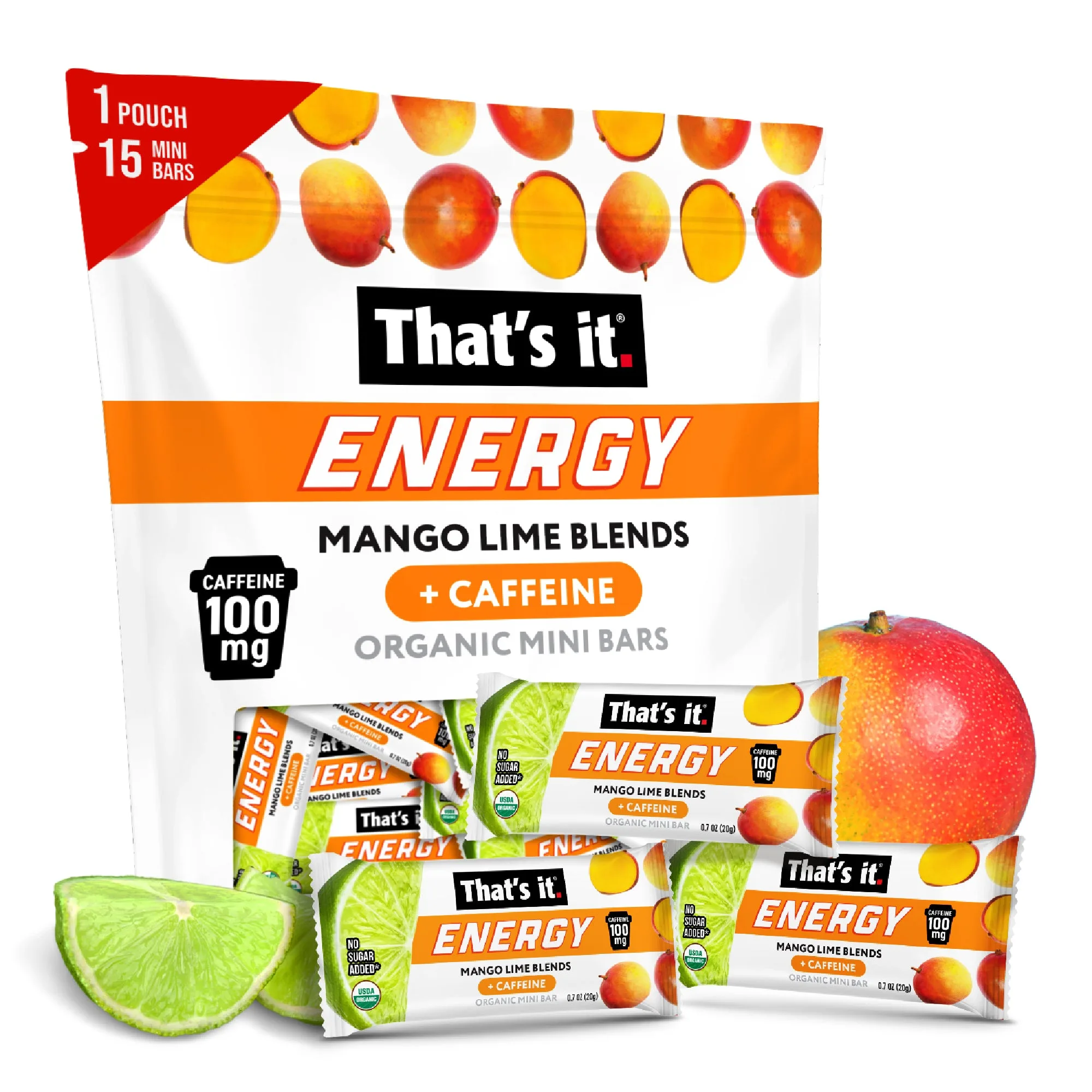
- Organic Energy Minis Variety Pack 100mg - Mango Lime, Piña Colada & Tropical Passion (18 Bars): Organic Energy Minis Variety Pack includes 18 bars: 6 Tropical Passion, 6 Piña Colada, and 6 Mango Lime, each with 100mg of natural caffeine. A fixed 100mg dose per bar makes it easy to standardize your pre-workout caffeine without measuring or brewing.
- Double Espresso Organic Energy Mini Bars: Double Espresso Organic Energy Mini Bars pack the punch of two espresso shots and are made from just 4 organic ingredients, including caffeine from premium coffee. If you want a stronger, espresso-forward flavor with a simple ingredient list, this option delivers a more intense caffeine experience in bar form.
Which One Fits Your Routine?
Best for
- Athletes who want a portable, pre-measured 100mg caffeine snack before training
- Anyone who prefers a food-based boost without brewing or cleanup
- Travelers and commuters who need a shelf-stable option for the gym bag
Not for
- People who want to fine-tune caffeine dose cup by cup
- Those who prefer a warm beverage ritual before workouts
- Anyone sensitive to caffeine who needs a lower or variable dose