As pet parents become more conscious of their environmental footprint, the spotlight is turning to an often-overlooked aspect of pet care: packaging. Every bag of kibble, every can of wet food, and every treat pouch contributes to the global plastic waste crisis. In fact, the pet food industry generates millions of tons of packaging waste each year, much of which ends up in landfills or oceans. But the good news is that sustainable alternatives are emerging, from recyclable materials to compostable packaging and plastic-free innovations.
At Open Farm, we believe that caring for our pets and caring for the planet go hand in hand. That's why we're committed to exploring and adopting eco-friendly packaging solutions without compromising the quality and safety of our products. In this article, we'll dive into the environmental impact of pet food packaging, compare the pros and cons of recyclable, compostable, and plastic-free options, and share how you can make more sustainable choices for your furry family members.
The Scale of Pet Food Packaging Waste
The pet food industry is massive, with millions of households feeding their dogs and cats multiple times a day. Each meal comes with packaging—whether it's a plastic bag, a metal can, or a flexible pouch. According to recent estimates, pet food packaging accounts for a significant portion of household plastic waste. Most conventional pet food bags are made from multi-layer laminates that combine plastic, aluminum, and paper, making them difficult to recycle. These materials are designed to preserve freshness and prevent spoilage, but they come at a high environmental cost.
The problem is compounded by the fact that many pet owners are unaware of how to properly dispose of these materials. Flexible pouches, for example, often end up in the trash because they are not accepted by curbside recycling programs. Even when recycling is possible, the process is energy-intensive and not always efficient. As a result, the majority of pet food packaging ends up in landfills, where it can take hundreds of years to decompose. This has spurred a growing demand for more sustainable packaging solutions that reduce waste and lower the carbon footprint of pet food.
- Look for packaging labeled as recyclable or made from post-consumer recycled content. Some brands now offer drop-off programs for flexible pouches.
Recyclable Pet Food Packaging: Progress and Limitations
Recyclable packaging is one of the most accessible ways to reduce waste. Many pet food cans, such as those used for wet food, are made from steel or aluminum and are widely recyclable. For example, Open Farm's wet food options like the Icelandic Cod & Herring Wet Food for Dogs come in recyclable cans that can be rinsed and placed in your curbside bin. Similarly, dry food bags made from paper or mono-material plastics are becoming more common. However, not all recyclable packaging is created equal. Multi-layer bags that claim to be recyclable often require special facilities that are not available everywhere.
Another challenge is the recycling infrastructure itself. Even when packaging is technically recyclable, it may not be processed if it is contaminated with food residue or if local facilities lack the capability. To maximize the impact, pet parents should clean containers thoroughly and check local recycling guidelines. Some brands are also moving toward mono-material packaging, which is easier to recycle than multi-layer alternatives. While recyclable packaging is a step in the right direction, it is not a silver bullet. Reducing overall packaging use and choosing products with minimal or reusable packaging can amplify the benefits.
- When buying wet food, choose products in recyclable steel or aluminum cans. Rinse them before recycling to avoid contamination.
Compostable Packaging: A Greener Alternative?
Compostable packaging is designed to break down naturally in composting environments, returning nutrients to the soil without leaving toxic residues. Made from plant-based materials like cornstarch, sugarcane, or cellulose, compostable bags and pouches offer a promising alternative to traditional plastics. However, they come with their own set of challenges. Many compostable pet food packages require industrial composting facilities to degrade properly, and these are not available in all areas. Home composting may not reach the necessary temperatures, leading to incomplete breakdown.
Despite these limitations, compostable packaging is gaining traction among eco-conscious brands. For instance, some pet food companies are experimenting with compostable liners for dry food bags or compostable pouches for treats. When disposed of correctly, compostable packaging can significantly reduce landfill waste and lower greenhouse gas emissions. Pet parents interested in this option should look for certifications like BPI (Biodegradable Products Institute) or TÜV Austria to ensure the packaging meets compostability standards. It's also important to remember that compostable packaging is not a license to waste—reducing overall consumption remains key.
- Check if your local municipality offers industrial composting. If not, consider a community composting program or a backyard compost bin for certified home-compostable materials.
Plastic-Free Pet Food: The Ultimate Goal
Plastic-free pet food packaging represents the gold standard for sustainability. This includes materials like glass jars, metal tins, paper bags, and cardboard boxes that contain no plastic components. Plastic-free options are fully recyclable or biodegradable and avoid the microplastic pollution associated with conventional packaging. For example, some pet food brands now offer dry kibble in paper-based bags with a minimal plastic lining, or wet food in glass jars that can be reused or recycled indefinitely.
However, plastic-free packaging poses challenges for product shelf life and food safety. Plastic is highly effective at creating an oxygen and moisture barrier, which keeps food fresh longer. Without plastic, manufacturers must rely on alternative barrier technologies or shorter expiration dates. This can lead to more frequent deliveries and potentially higher food waste if not managed properly. Despite these hurdles, the movement toward plastic-free pet food is growing, driven by consumer demand and regulatory pressure. Brands that invest in innovative packaging solutions—such as edible coatings or reusable containers—are leading the way in reducing the environmental impact of pet nutrition.
- Consider buying pet food in bulk or in larger sizes to reduce the packaging-to-product ratio. Some stores offer refill stations for dry food.
How to Choose Eco-Friendly Pet Food Packaging
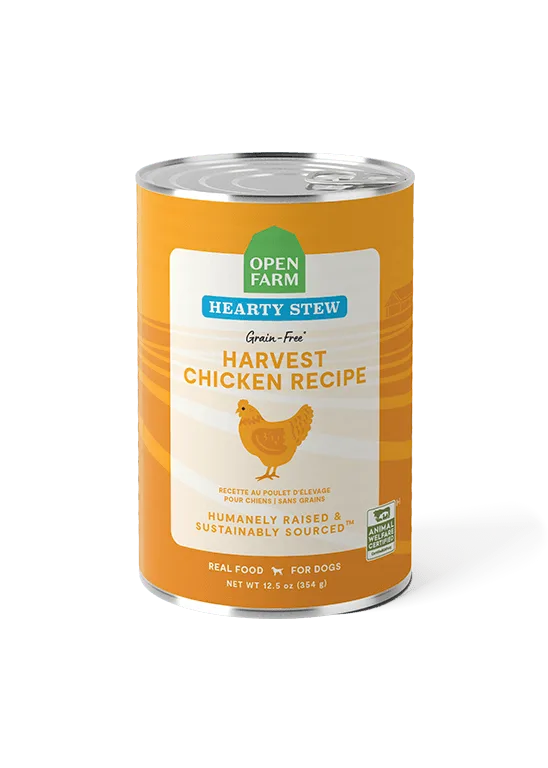
Making sustainable choices as a pet parent doesn't have to be overwhelming. Start by looking at the packaging of the products you already buy. Check for recycling symbols, compostability certifications, and material composition. Opt for brands that are transparent about their packaging and actively working to reduce waste. For instance, Open Farm's Harvest Chicken Pâté for Dogs comes in a recyclable can, and many of our products prioritize minimal, eco-friendly packaging without sacrificing quality.
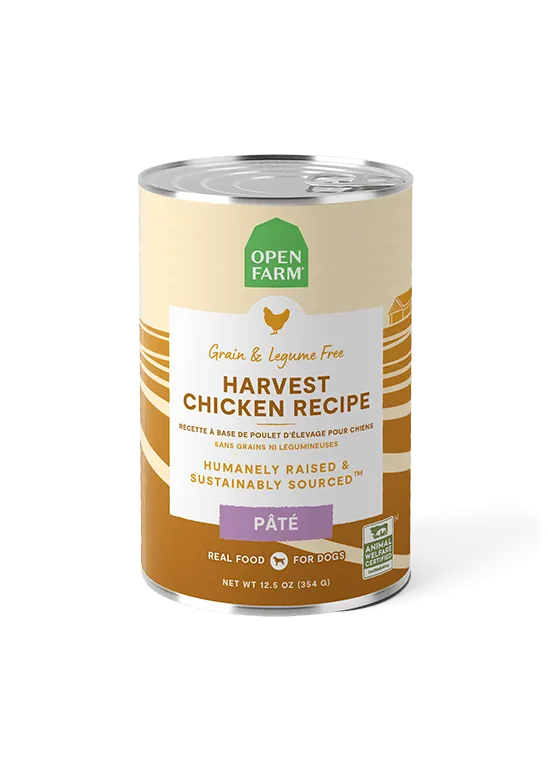
Harvest Chicken Pâté for Dogs
Another tip is to support brands that use post-consumer recycled (PCR) content in their packaging. PCR materials reduce the demand for virgin plastics and help close the loop on waste. Additionally, consider the entire lifecycle of the product: how it is shipped, stored, and disposed of. Choosing products with lighter packaging can reduce transportation emissions, while selecting compostable options can divert waste from landfills. Finally, don't forget about the food itself—products with high-quality, nutrient-dense ingredients may require less packaging overall because you feed less per serving. By combining smart packaging choices with mindful feeding practices, you can significantly reduce your pet's environmental paw print.
- Look for packaging that is clearly labeled as recyclable, compostable, or made from recycled materials. Avoid ambiguous terms like 'eco-friendly' without certification.
Reducing the environmental impact of pet food packaging is a journey, not a destination. By choosing recyclable cans, supporting compostable innovations, and seeking out plastic-free alternatives, you can make a tangible difference for the planet while still providing your pet with the nutrition they deserve. Explore Open Farm's range of responsibly packaged products—like our Limited Edition Winter Blend Gently Cooked for Dogs—and join us in creating a healthier future for pets and the planet alike.
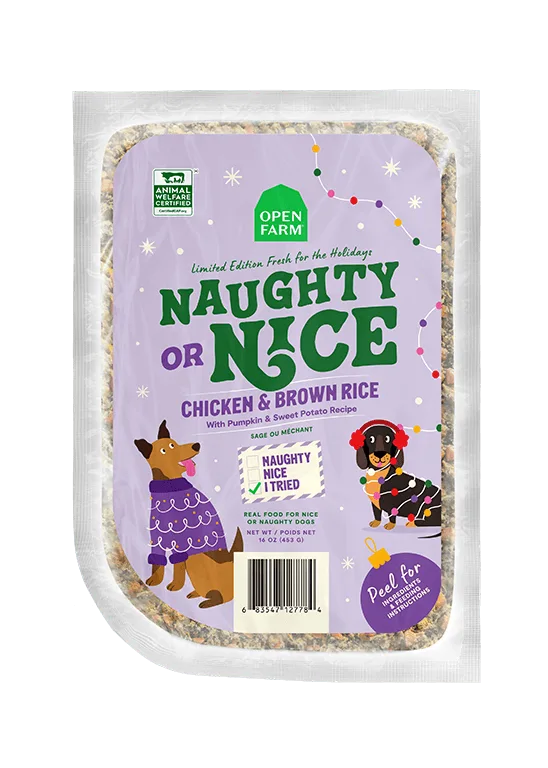
Limited Edition Winter Blend Gently Cooked for Dogs