Quick answer
If you are still shooting on an older body or a crop-sensor camera, buy the EOS R8 first — a modern full-frame sensor, 4K 60p video, and Dual Pixel CMOS AF II will transform every lens you already own. If you already shoot full frame and need a fast ultra-wide for low light, interiors, or filmmaking, the RF20mm f/1.4L VCM is the smarter first purchase. Buy the body first when the sensor and autofocus are the bottleneck; buy the lens first when your current body is fine but your widest aperture is not.
What each option actually gives you
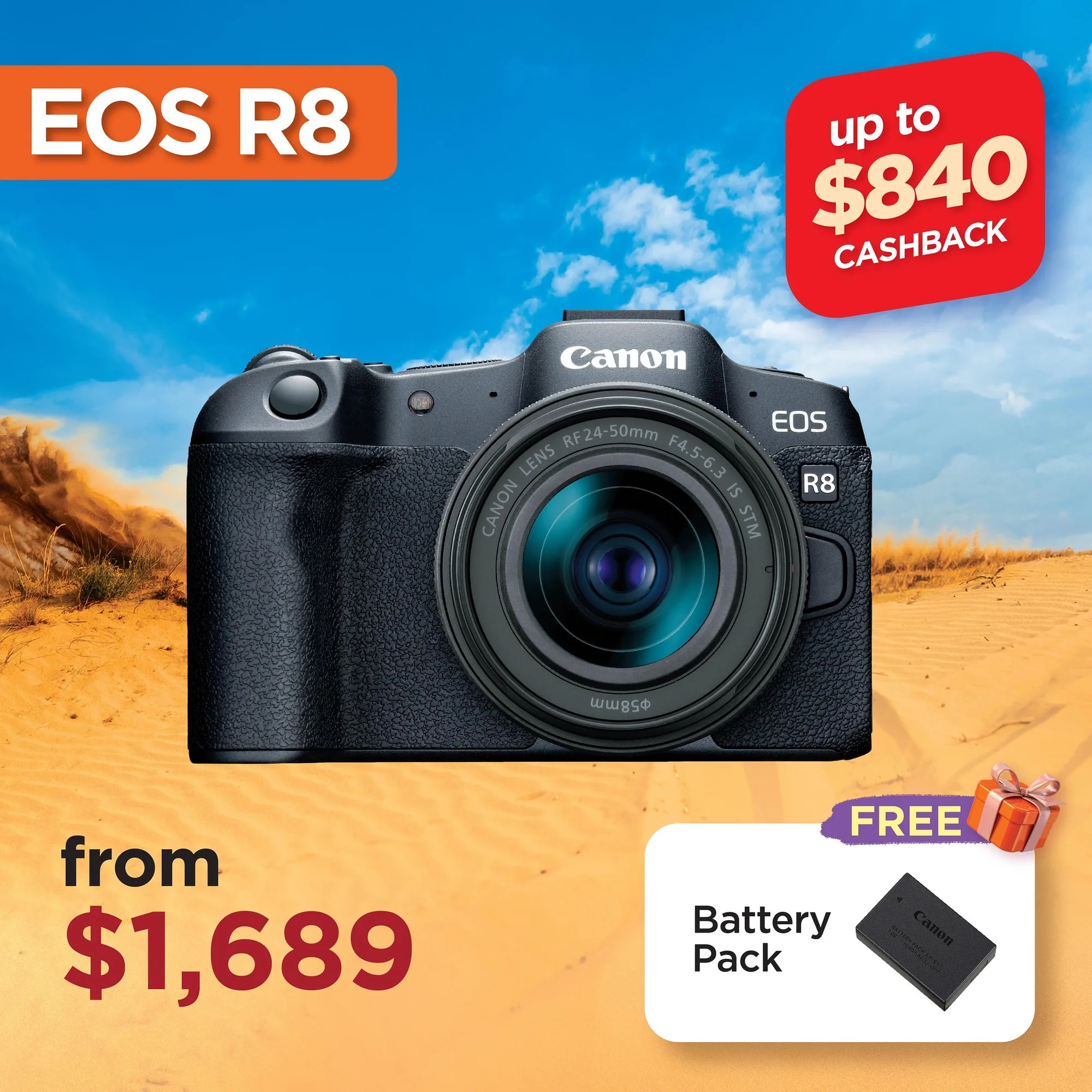
The EOS R8 is a full-frame mirrorless body built around speed and video flexibility. It records 4K 60p oversampled from 6K, Full HD up to 180p, and supports 10-bit Canon Log 3 for more latitude in post. Autofocus relies on EOS iTR AF X and Dual Pixel CMOS AF II, which track subjects across the frame. It is available as a body or in a kit, and the current listing includes an additional exclusive free gift: an LP-E17 battery worth $79.
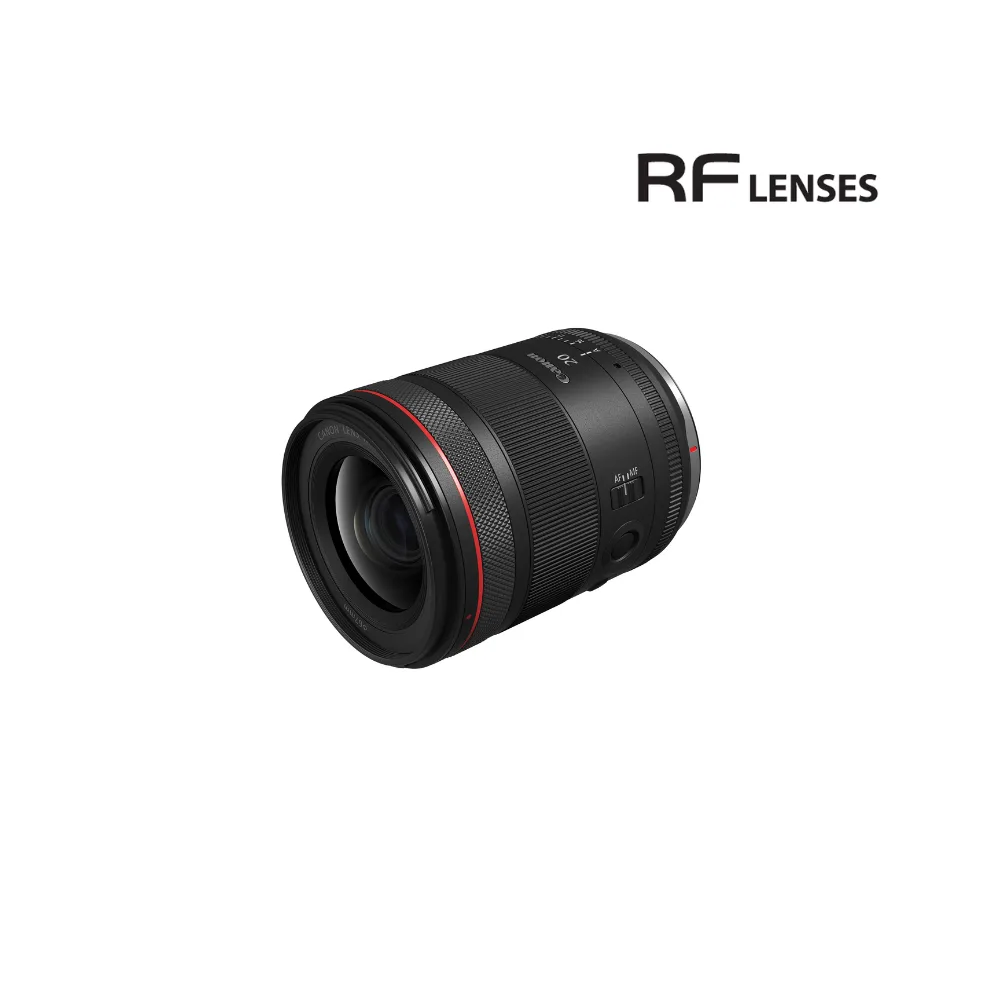
The RF20mm f/1.4L VCM is an ultra-wide prime with a wide f/1.4 aperture and an 11-blade circular diaphragm. Its Voice Coil Motor delivers fast, silent autofocus aimed at filmmakers and hybrid shooters. That combination — ultra-wide perspective, bright aperture, and quiet focusing — is a specific toolkit for low light, tight interiors, and cinematic wide shots.
Where the money goes further
A body purchase changes every image you take because the sensor, processor, and autofocus sit behind every lens. Moving to the EOS R8 from an older or crop-sensor camera improves dynamic range, low-light noise, and subject tracking across your whole kit. A lens purchase changes only the focal length and aperture it covers — but it can change them dramatically. The RF20mm f/1.4L VCM gives you a perspective and light-gathering ability that no kit zoom matches, which matters more than a sensor upgrade if your current body already meets your needs.
The RF mount path matters
Both purchases assume you are building in the RF system. If you are still on EF glass, the EOS R8 plus an adapter lets you keep using those lenses while gaining the newer sensor and autofocus. The RF20mm f/1.4L VCM, by contrast, only makes sense once you have an RF body to mount it on. In that sense the body decision often comes first for shooters migrating into mirrorless, while the lens decision comes first for shooters already inside the system.
How to sequence the two purchases
A practical order: if your current camera struggles with autofocus, low light, or video specs, start with the EOS R8 and shoot it with the lenses you already own. Once you know which focal lengths you actually use, add the RF20mm f/1.4L VCM if your work leans wide, fast, and quiet. If your body is already full frame and capable, skip straight to the lens — the body upgrade will still be there later, and the lens will not lose value in the same way.
Trade-offs at a glance
- Body-first trade-off: The EOS R8 upgrades your sensor, autofocus, and video specs across every lens you own, but it does not change your widest aperture or your field of view. Choose this if your current camera is the limiting factor in low light, tracking, or video.
- Lens-first trade-off: The RF20mm f/1.4L VCM gives you a bright ultra-wide perspective and silent VCM focusing, but it only helps at one focal length and requires an RF body to use. Choose this if your body is already full frame and you need a specific wide, fast look.
- Combined trade-off: Buying both together gives you the full benefit of the RF system — the R8's autofocus and video with the 20mm's aperture and angle — but it is the largest single outlay. Stagger the purchases: body first if you are migrating, lens first if you are already on RF.
Product facts
- EOS R8: Records 4K 60p (6K oversampled) or Full HD 180p, with 10-bit Canon Log 3 for post-processing flexibility. EOS iTR AF X and Dual Pixel CMOS AF II support subject tracking. These are the specs that make the R8 a body-first upgrade for hybrid shooters who need video latitude and reliable autofocus.
- EOS R8: Available as Body or Kit, and the listing includes an additional exclusive free gift: LP-E17 worth $79. The kit option lets you start shooting immediately, and the spare battery directly addresses the R8's compact battery capacity for a full day of video or stills.
- RF20mm f/1.4L VCM: RF20mm f/1.4L VCM: ultra-wide angle, f/1.4 aperture, 11 circular blades, and a Voice Coil Motor for ultra-fast, silent autofocus. This is a low-light, wide-perspective, filmmaking-oriented lens — the reason to buy it first is aperture and angle of view, not sensor size.
Which should you buy first?
Buy the EOS R8 first if you are:
- Upgrading from a crop-sensor or older mirrorless body and want better low light, autofocus, and 4K 60p video
- A hybrid shooter who needs 10-bit Canon Log 3 and reliable subject tracking more than a specific focal length
- Building into the RF system and planning to add lenses over time
Buy the RF20mm f/1.4L VCM first if you are:
- Already shooting a full-frame RF body and mainly missing a fast ultra-wide for interiors, low light, or filmmaking
- A video-first creator who needs silent VCM autofocus and a wide f/1.4 aperture
- Not yet on an RF body — the lens cannot be used without one