Quick Answer
Espresso roast whole bean is a dark roast designed for espresso brewing, while regular whole bean can range from light to dark and suits various methods. Choose espresso roast for bold, caramel-forward shots, or regular whole bean for flexibility.
Roast Level and Flavor Profile
The main difference between espresso roast and regular whole bean coffee is the roast level. Espresso roast is typically a dark roast, which brings out bold, caramel notes and a smooth, velvety finish. Regular whole bean coffee can be light, medium, or dark, each offering different flavor characteristics.
For example, a medium roast whole bean tends to have a balanced acidity and body, while a dark roast like espresso roast emphasizes deeper, richer flavors. If you prefer a bright, acidic cup, a medium roast might be more appealing; if you want a robust, intense shot, espresso roast is the way to go.
Grind Size and Brewing Method
Whole beans give you the control to grind fresh, but the ideal grind size depends on your brewing method. Espresso requires a fine grind to create the pressure needed for a crema-rich shot. Regular whole bean coffee can be ground for drip, pour-over, French press, or cold brew, each requiring a different grind coarseness.
If you only drink espresso, an espresso roast whole bean is a convenient choice because it's roasted to complement that brewing style. If you use multiple brewing methods, regular whole bean offers more versatility.
Single Origin vs Blends
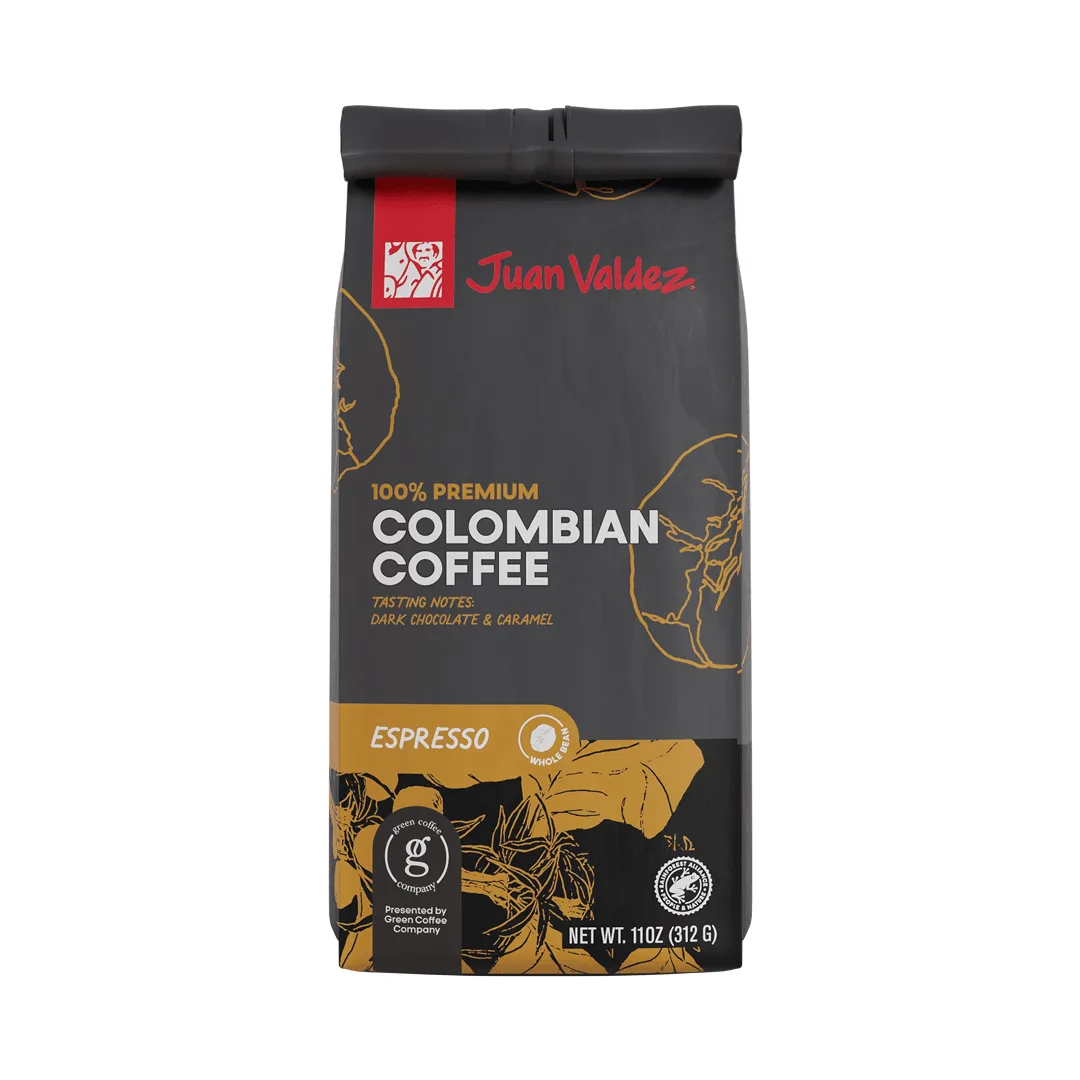
Espresso roasts are often blends of beans from different regions to create a balanced, consistent shot. However, single origin espresso is also available and can offer unique flavor profiles. The Juan Valdez Espresso Roast Whole Bean is a single origin dark roast sourced from high-altitude regions ideal for Arabica cultivation, giving it a distinct Colombian character.
Regular whole bean coffee can be single origin or a blend, but the choice depends on your taste preference and brewing method. Single origin beans often highlight the terroir, while blends aim for balance.
Trade-Offs at a Glance
- Flavor Intensity: Espresso roast offers bold, caramel-forward flavors with low acidity. Regular whole bean ranges from light and fruity to dark and smoky, depending on roast level. Choose espresso roast if you prefer a strong, low-acid cup.
- Brewing Flexibility: Espresso roast is optimized for espresso machines and moka pots. Regular whole bean can be ground for any method, from drip to French press. If you brew multiple methods, regular whole bean gives more options.
- Grind Control: Both come as whole beans, so you control the grind. Espresso requires a fine grind; other methods need coarser or medium grinds. Invest in a good grinder to match the grind size to your brewing method.
Product Facts
-
Espresso Roast Whole Bean 11oz: Juan Valdez Espresso Roast Whole Bean Coffee is a single origin dark roast with bold caramel notes and a smooth, velvety finish, sourced from high-altitude regions ideal for Arabica cultivation. This roast is tailored for espresso brewing, delivering an intense, crema-rich experience while whole beans let you grind fresh for optimal flavor.
Espresso Roast Whole Bean 11oz
Which Should You Choose?
Best for
- Espresso lovers who want a bold, caramel-forward shot with a velvety finish.
- Home baristas using an espresso machine or moka pot who value fresh grinding.
Not for
- Those who prefer lighter, more acidic coffee or use multiple brewing methods (drip, pour-over, cold brew) and want one bag for everything.