Cooking with essential oils is a delightful way to infuse dishes with vibrant flavors and aromatic complexity. Unlike dried herbs or extracts, essential oils are highly concentrated plant essences, so a tiny drop can transform a recipe. However, using them in the kitchen requires knowledge and care to ensure safety and delicious results.
In this guide, we'll explore how to use essential oils in cooking safely, from understanding what makes an oil food grade to practical tips for incorporating them into desserts and savory dishes. Whether you're a seasoned chef or a curious home cook, you'll learn how to elevate your culinary creations with confidence.
What Are Food Grade Essential Oils?
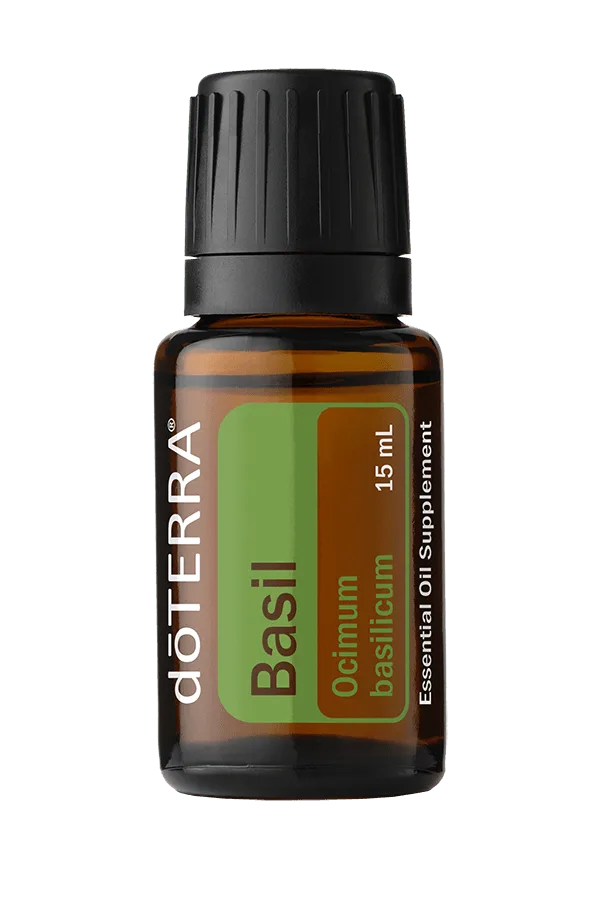
Food grade essential oils are pure, unadulterated oils that are safe for consumption. They are typically derived from plants through steam distillation or cold pressing, without the use of synthetic additives or solvents. Not all essential oils are created equal; some are intended solely for aromatherapy or topical use and may contain carriers or synthetic fragrances that are not safe to ingest.
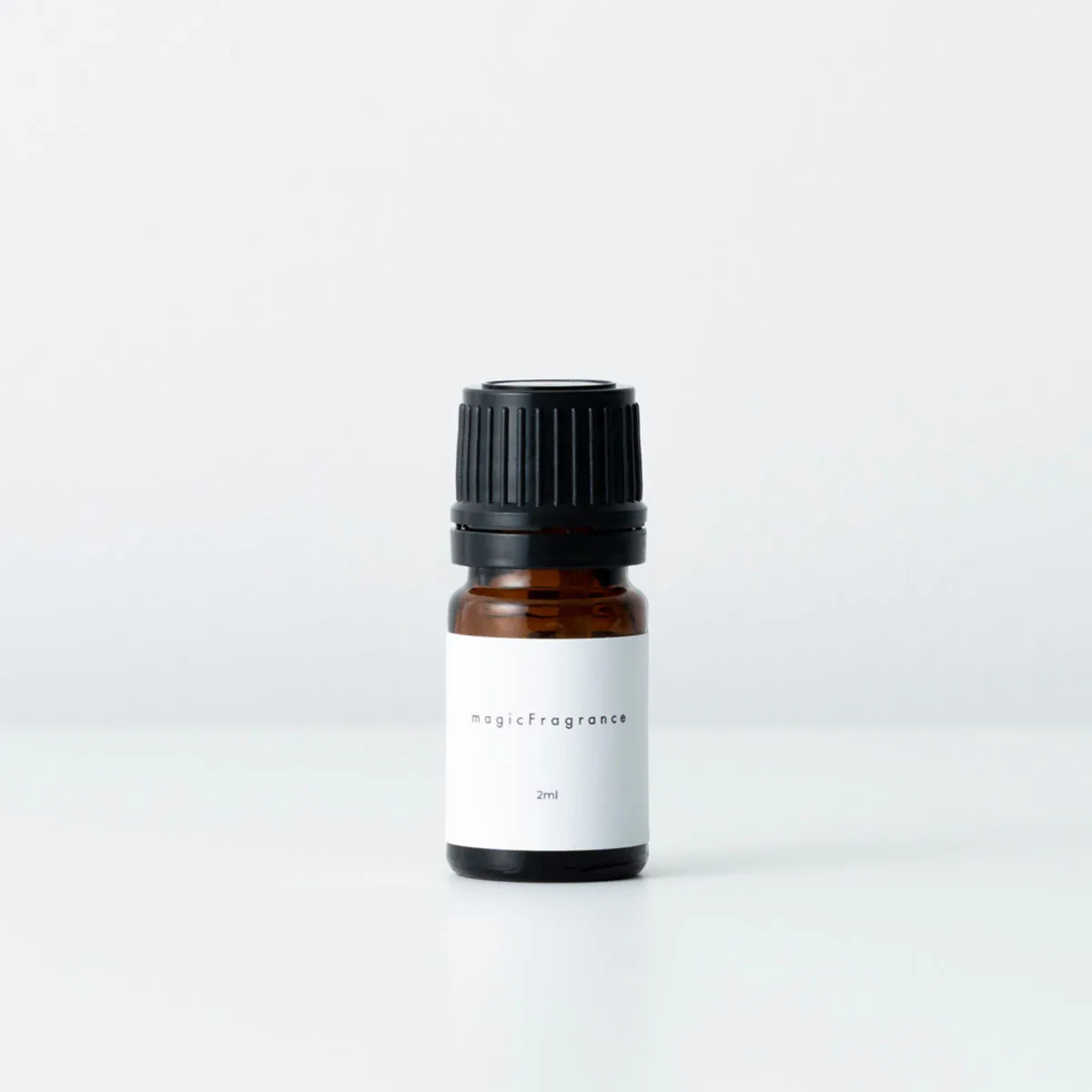
When selecting essential oils for cooking, always look for oils that are labeled as food grade or culinary grade. These oils meet strict purity standards and are free from harmful chemicals. Additionally, choose oils from reputable brands that provide transparency about their sourcing and testing processes. For example, Living Libations offers a range of pure essential oils that are suitable for culinary exploration.
- Check for 'food grade' or 'culinary grade' on the label.
- Ensure the oil is 100% pure with no carriers or additives.
- Research the brand's sourcing and testing practices.
How to Use Essential Oils in Cooking Safely
Essential oils are incredibly potent, so a little goes a long way. As a general rule, one drop of essential oil is equivalent to about one teaspoon of dried herb or one tablespoon of fresh herb. Start with a tiny amount—often just a toothpick dip or a single drop—and adjust to taste. Remember, you can always add more, but you can't take it out.
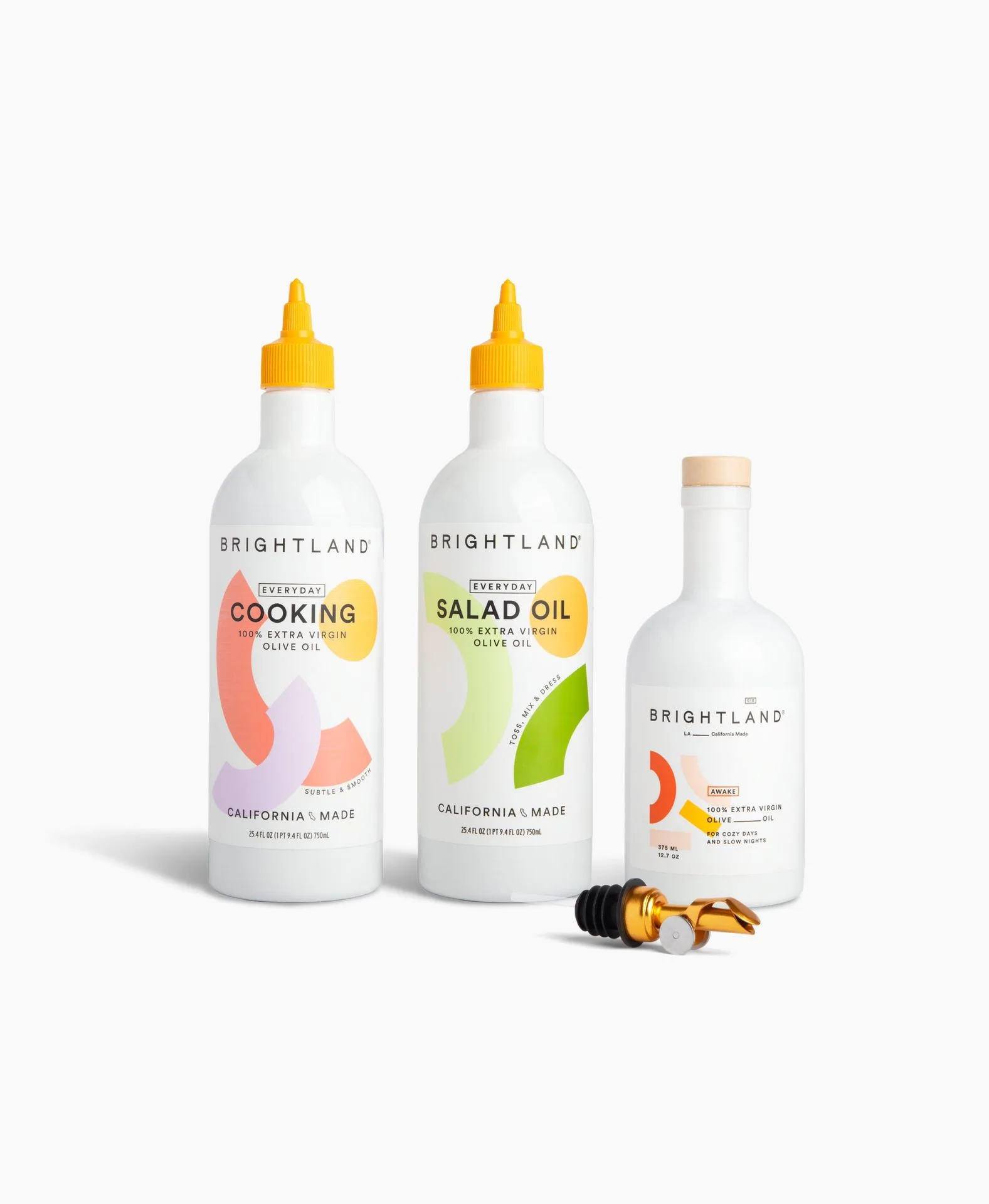
Dilution is also key. While some oils can be added directly to dishes, it's often safer to mix them with a carrier like olive oil, honey, or maple syrup before incorporating them into your recipe. This helps distribute the oil evenly and prevents any potential irritation. For example, when making a salad dressing, whisk a drop of lemon essential oil into a tablespoon of olive oil first.
Heat can alter the chemical composition of essential oils, so it's best to add them to dishes after cooking or at the very end of the cooking process. This preserves their delicate flavors and therapeutic benefits. For baked goods, you can mix the oil into the wet ingredients just before baking, but be aware that some oils may lose their potency with high heat.
- Always start with a tiny amount—one drop or less.
- Dilute oils in a carrier like oil, honey, or syrup.
- Add oils after cooking or at the end to preserve flavor.
Using Essential Oils in Desserts
Essential oils can elevate desserts with unique and intense flavors. Citrus oils like lemon, orange, and lime are popular choices for cakes, cookies, and frostings. Mint oils add a refreshing twist to chocolate desserts, while vanilla and cinnamon oils bring warmth to puddings and baked goods. When using oils in desserts, it's crucial to pair them with complementary flavors and use them sparingly.
For a simple yet elegant dessert, try adding a drop of food grade peppermint oil to a chocolate mousse or a batch of brownies. The result is a burst of fresh mint that perfectly balances the richness of chocolate. Similarly, a drop of cinnamon oil can transform a basic apple crisp into a fragrant autumn treat. Remember to mix the oil with a sweetener or fat first to ensure even distribution.
If you're new to cooking with essential oils, consider starting with a versatile product like the Seabuckthorn Cinnamon HOT LOVER LIPS, which combines the zing of cinnamon with the nutritional benefits of seabuckthorn. While it's primarily a lip balm, its food-grade ingredients make it a fun way to experiment with cinnamon flavor in your kitchen—just a tiny dab can add a spicy kick to your favorite recipes.
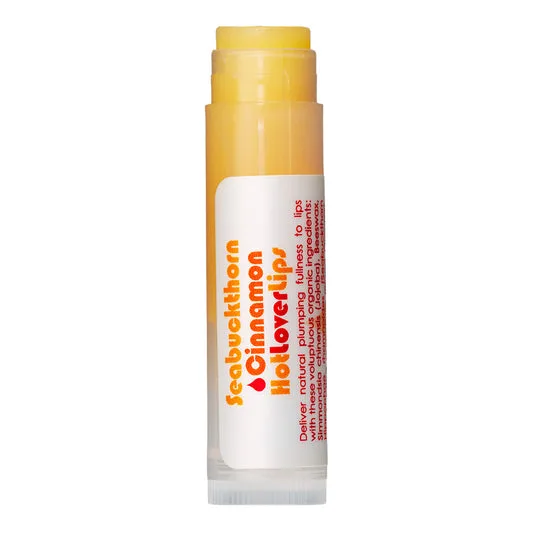
Seabuckthorn Cinnamon HOT LOVER LIPS
- Citrus oils pair well with sweet and tangy desserts.
- Mint oils complement chocolate and creamy treats.
- Cinnamon and vanilla oils add warmth to baked goods.
Essential Oils for Savory Dishes
Essential oils aren't just for sweets; they can also enhance savory dishes. Rosemary, thyme, oregano, and basil oils bring herbaceous notes to marinades, sauces, and roasted vegetables. A single drop of rosemary oil can elevate a simple chicken dish, while a touch of oregano oil adds depth to pasta sauces. As with desserts, start small and taste as you go.
When cooking with savory oils, consider the cuisine and flavor profile you're aiming for. For Mediterranean dishes, oregano and basil oils work well. For Asian-inspired meals, ginger or lemongrass oils can add a vibrant kick. Always dilute the oil in a fat or liquid first, and add it near the end of cooking to retain its aroma.
- Herb oils like rosemary and oregano are great for marinades.
- Ginger and lemongrass oils add freshness to Asian dishes.
- Use oils sparingly and taste frequently.
Quality Matters: Choosing the Right Essential Oils
The quality of essential oils is paramount when it comes to cooking. Low-quality oils may contain synthetic fillers or pesticides, which can be harmful when ingested. Always choose organic, pure essential oils from trusted brands. Look for oils that are labeled as food grade and have been third-party tested for purity.
Living Libations offers a range of pure, organic essential oils that are perfect for culinary use. Their commitment to quality ensures that you're getting the full benefits of the plant without any harmful additives. For example, their Frankincense BEST SKIN EVER is a luxurious oil that can be used not only for skincare but also to add a subtle, resinous flavor to certain dishes, though it's more commonly used topically. When in doubt, stick to well-known culinary oils like citrus, mint, and herb oils.
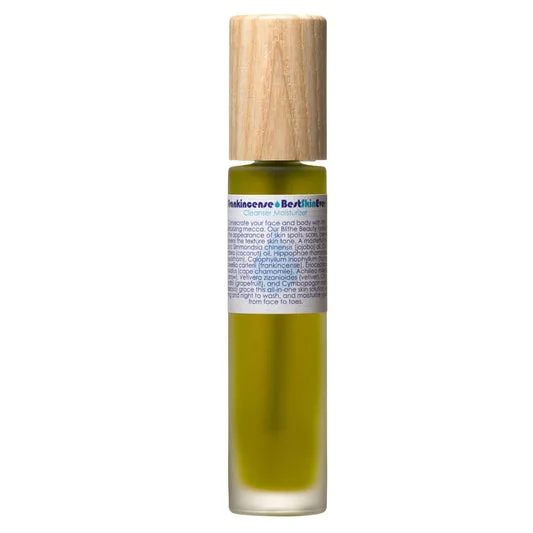
Frankincense BEST SKIN EVER
- Choose organic, pure essential oils from reputable brands.
- Look for third-party testing and food grade labels.
- When in doubt, stick to common culinary oils like citrus and mint.
Cooking with essential oils opens up a world of flavor possibilities, but safety and quality are non-negotiable. By choosing food grade oils, starting with tiny amounts, and adding them at the right time, you can confidently enhance your dishes. For a curated selection of high-quality, food-grade essential oils, explore the range at Living Libations and start your culinary adventure today.