Why Use Filters in Nature Photography?
Filters are one of the most practical tools for improving your nature photos directly in the camera. They help you manage light, reduce glare, and balance exposure across a scene—without relying on post-processing. If you are new to filters, understanding the main types and their real trade-offs will save you time and money.
ND Filters vs. CPL Filters vs. Graduated Filters
Each filter type solves a different problem. Here is how they compare for nature photography.
- ND Filter (Neutral Density): Reduces the amount of light entering the lens, allowing longer exposures even in bright conditions. Ideal for smoothing water, clouds, or moving foliage. The trade-off: you cannot see through the viewfinder easily with strong ND filters, so composition requires setup before attaching the filter.
- CPL Filter (Circular Polarizer): Cuts reflections from water, glass, and wet surfaces while deepening blue skies and increasing color saturation. The trade-off: it reduces light by about 1-2 stops, which can affect shutter speed, and its effect is angle-dependent, requiring rotation to adjust.
- Graduated ND Filter (GND): Darkens part of the frame (usually the sky) while leaving the foreground unaffected, balancing exposure in high-contrast scenes. The trade-off: hard-edge GNDs work best with straight horizons; soft-edge ones are more forgiving but less precise. You may need to carry multiple densities.
When to Use Filters and When to Skip Them
Filters are not always the answer. Use an ND filter when you want motion blur in daylight. Use a CPL to eliminate glare from leaves or water. Use a graduated ND when the sky is much brighter than the foreground. Skip filters when the scene is evenly lit, when you need maximum sharpness (any filter adds a layer), or when you are shooting into the sun and risk flare. Knowing when to put them away is as important as knowing when to use them.
A Learning Resource for Filter Workflow
-
Essential Photography Filters: Essential Photography Filters is part of the Visual Wilderness Apprentice Series, listed under the Learn to Shoot category. Its tags point to an in-camera workflow and to light and colors, suggesting a learning resource focused on working with filters while shooting. This resource teaches you when and how to use ND, polarizer, and graduated filters in the field, helping you build a practical filter workflow without guesswork.
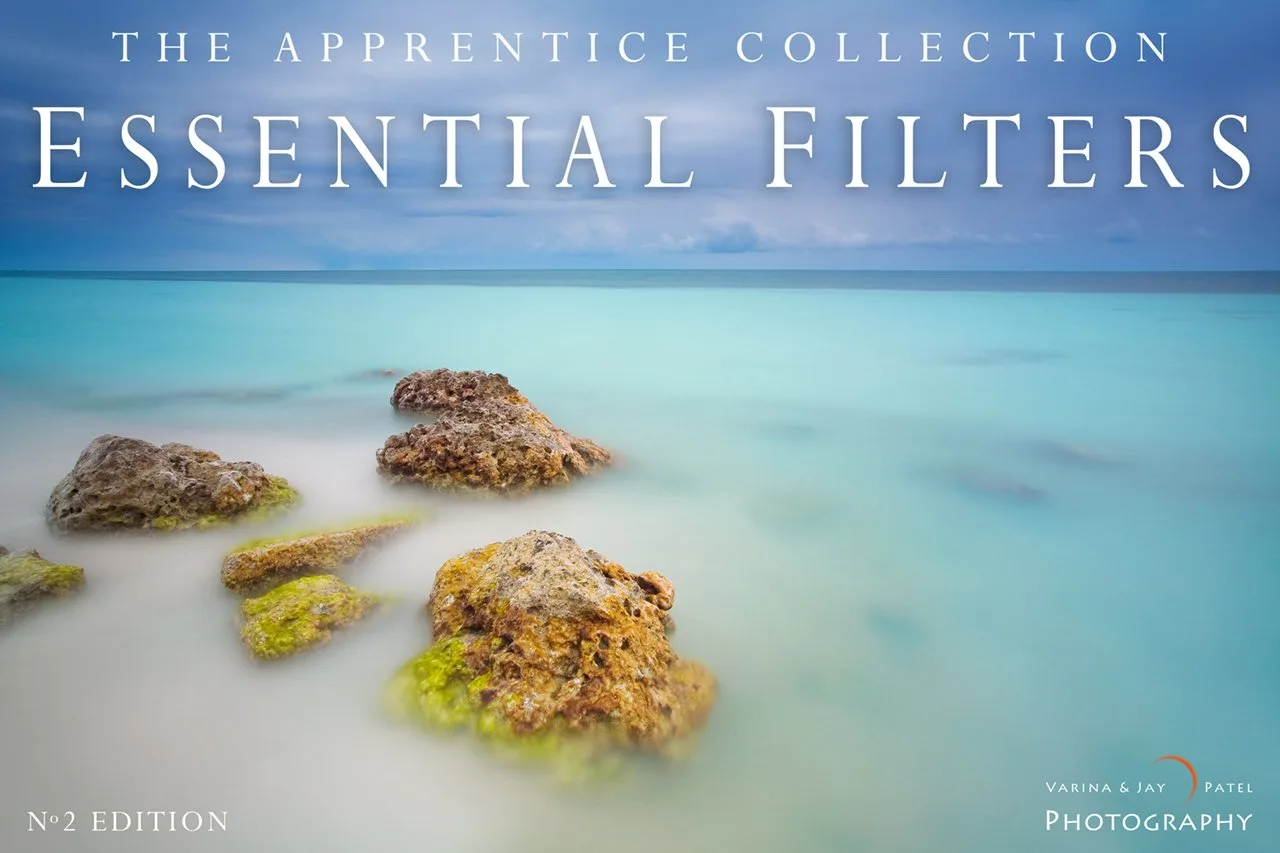
Essential Photography Filters
The Honest Trade-Offs in Filter Buying
No single filter does everything. A CPL is great for reducing glare but won't help with long exposures. An ND filter enables silky water but requires a tripod. Graduated filters are excellent for sunrise/sunset but can be fiddly with uneven horizons. Start with one filter that matches your most common shooting scenario, then expand as you learn. The Essential Photography Filters resource can guide your choices without needing to buy everything at once.