Quick Answer
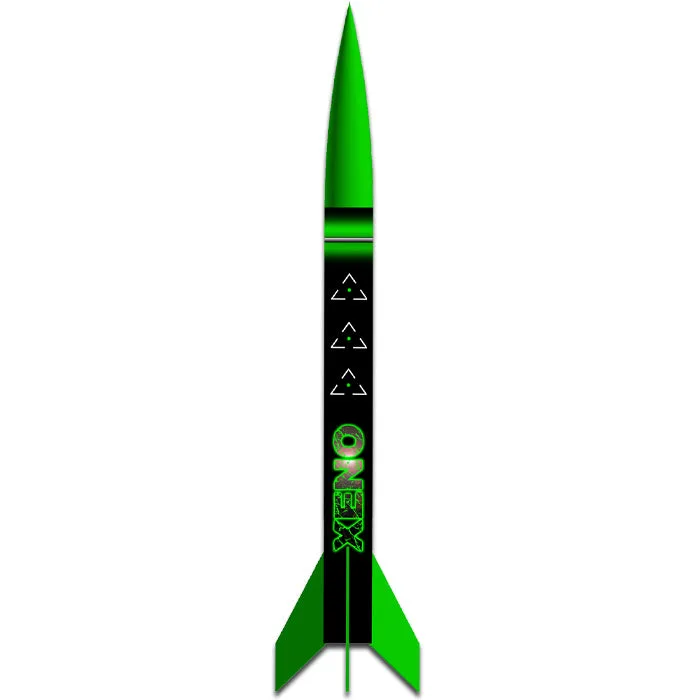
To build model rockets, you'll need a hobby knife, cutting mat, sandpaper, epoxy or wood glue, and basic measuring tools. For most kits, these essentials will get you through assembly. Start with a simple kit like the https://locprecisionlvz.com/products/xeno-c14d7a58d8cf33aba8c3c220-884078LOC-I Xeno to learn the basics before investing in advanced tools.
Building model rockets is a rewarding hobby that combines craftsmanship with flight. Whether you're assembling your first kit or planning a high-power build, having the right tools makes the process smoother and safer. But you don't need a fully stocked workshop to get started. This guide will help you understand which tools are truly essential, which are nice to have, and how to decide based on the kit you choose.
We'll cover the core tools every builder should own, plus some specialized options for advanced projects. We'll also look at how your kit choice affects your tool needs, using examples from LOC Precision's lineup to illustrate the differences.
The Core Tool Kit for Every Builder
Every model rocket build starts with a few basic tools. A sharp hobby knife is non-negotiable for cutting body tubes, fins, and decals. Pair it with a self-healing cutting mat to protect your work surface and keep blades sharper longer. Sandpaper in various grits (from 100 to 400) is essential for smoothing edges and preparing surfaces for glue.
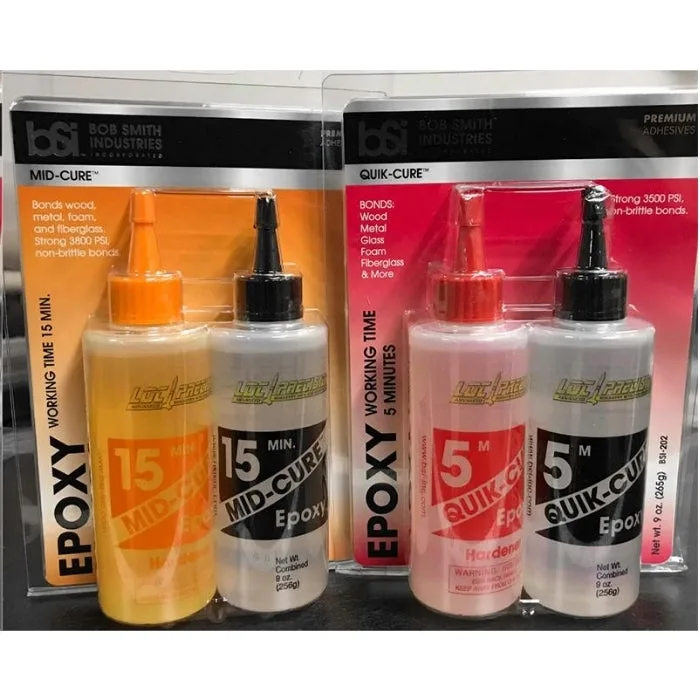
For adhesives, you'll need either wood glue or epoxy. Wood glue is great for paper and balsa parts, while epoxy is stronger and better for heavier components or high-power rockets. You'll also want a ruler, pencil, and a square for marking and aligning parts. A simple set of clamps or rubber bands can hold parts together while glue dries.
- Hobby knife with extra blades
- Cutting mat and metal ruler
- Sandpaper (100, 220, 400 grit)
- Wood glue or 5-minute epoxy
- Pencil, square, and clamps
Advanced Tools for Complex Builds
As you move to larger or more complex kits, you'll appreciate a few extra tools. A Dremel or rotary tool speeds up sanding and cutting, especially for fiberglass or thick cardboard tubes. A drill with various bits is useful for making precise holes for rail guides or motor retainers. For applying epoxy, you might want syringes or small applicators for accuracy.
If you're building a kit with through-the-wall fin construction, like the 2.6" Patriot, you'll need a way to ensure fins are perfectly aligned. A fin alignment jig can be a worthwhile investment. Also, a respirator and safety glasses are crucial when sanding fiberglass or using power tools.
- Rotary tool for sanding and cutting
- Power drill with bits
- Fin alignment jig
- Safety glasses and dust mask
How Kit Choice Affects Your Tool Needs
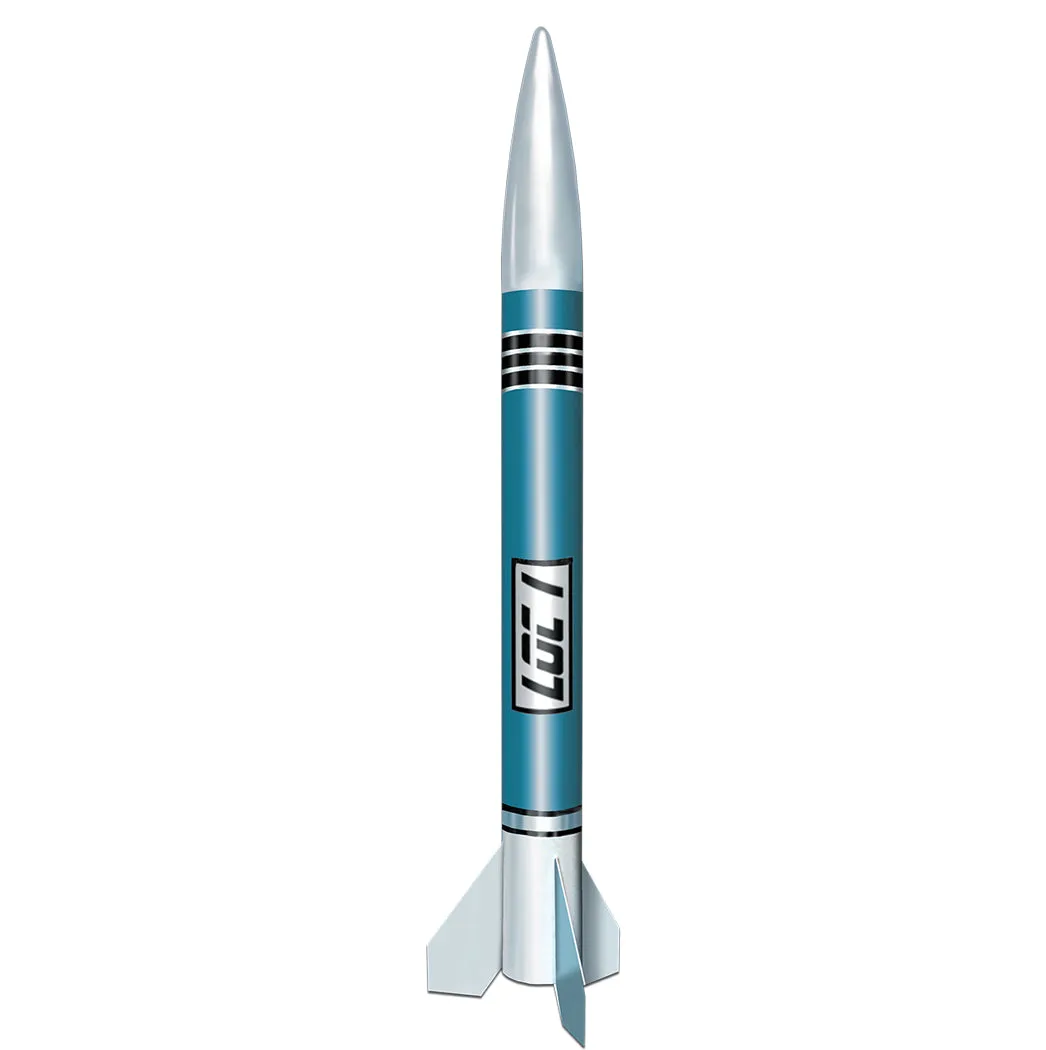
Your choice of rocket kit significantly influences the tools you need. For a beginner-friendly kit like the LOC-I Xeno, which features pre-slotted airframes and laser-cut fins, basic tools suffice. You'll mainly need a hobby knife, sandpaper, and glue. The kit's durability and simple design mean you won't need heavy-duty equipment.
In contrast, a high-power kit like the Esoteric 4, with its 54mm motor mount and 1/4" fins, demands more robust tools. You'll likely need epoxy, a drill for centering rings, and possibly a rotary tool for shaping. The larger the rocket, the more precise your builds must be, so investing in alignment tools becomes worthwhile.
- Beginner kits: basic cutting and sanding tools
- Mid-power kits: add drill and alignment aids
- High-power kits: invest in power tools and safety gear
Decision Rules for Choosing Tools
- Start Simple: If you're new to building, buy only the basics: hobby knife, cutting mat, sandpaper, and glue. Choose a beginner kit like the LOC-I Xeno to practice. You'll save money and learn what you actually use.
- Match Tools to Kit Complexity: For mid-power kits with through-the-wall fins, invest in a fin alignment jig and epoxy. For high-power kits, consider a rotary tool and drill. Avoid overbuying; add tools as your projects demand.
- Prioritize Safety: Always wear safety glasses when cutting or sanding. Use a dust mask when working with fiberglass or power tools. Protecting yourself is non-negotiable.
Tools and Kits: What Works Together
- LOC-I Xeno: LOC-I series kits are perfect for your first model rocket kit! They were designed for fun and education in a classroom environment. With a pre-slotted airframe that's 2x the thickness of others, Kevlar shock cord and laser cut birch fins add to the durability and strength. With pre-slotted airframe and laser-cut fins, you don't need precision cutting tools. A basic hobby knife and glue are enough, making it an ideal starting point for beginners.
- 2.6" Patriot: Includes factory pre-slotted airframe and through-the-wall fin construction. Now with a decal set! The 2.6″ scale PATRIOT is an excellent introduction into mid-power rocketry. Easy to assemble and durable. It includes a 29mm motor mount, 1/8″ laser cut fins, and 1/4″ centering rings for durability. Through-the-wall fins require careful alignment; you'll benefit from a fin jig or square. The laser-cut fins reduce sanding, but you'll still need epoxy for a strong bond.
Which Tools Are Right for You?
Best for
- Beginners who want a minimal, affordable setup
- Hobbyists building mid-power kits who need to ensure fin alignment
Not for
- Experienced builders working with fiberglass or high-power rockets who need specialized cutting and sanding equipment
Building model rockets is about precision and patience. Start with the essential tools, and expand your collection as you take on more complex kits. Remember, the best tool is the one you have when you need it—so choose wisely based on the kits you plan to build. Happy launching!