Quick Answer
If you want a vibrant, fruit-forward cup that showcases Ethiopia's natural processing, choose Ethiopia Anasora Guji Natural. If you prefer a smooth, chocolatey coffee without caffeine, Ethiopia Suke Decaf is your pick. Both are excellent single-origin coffees, but they serve different moments of your day.
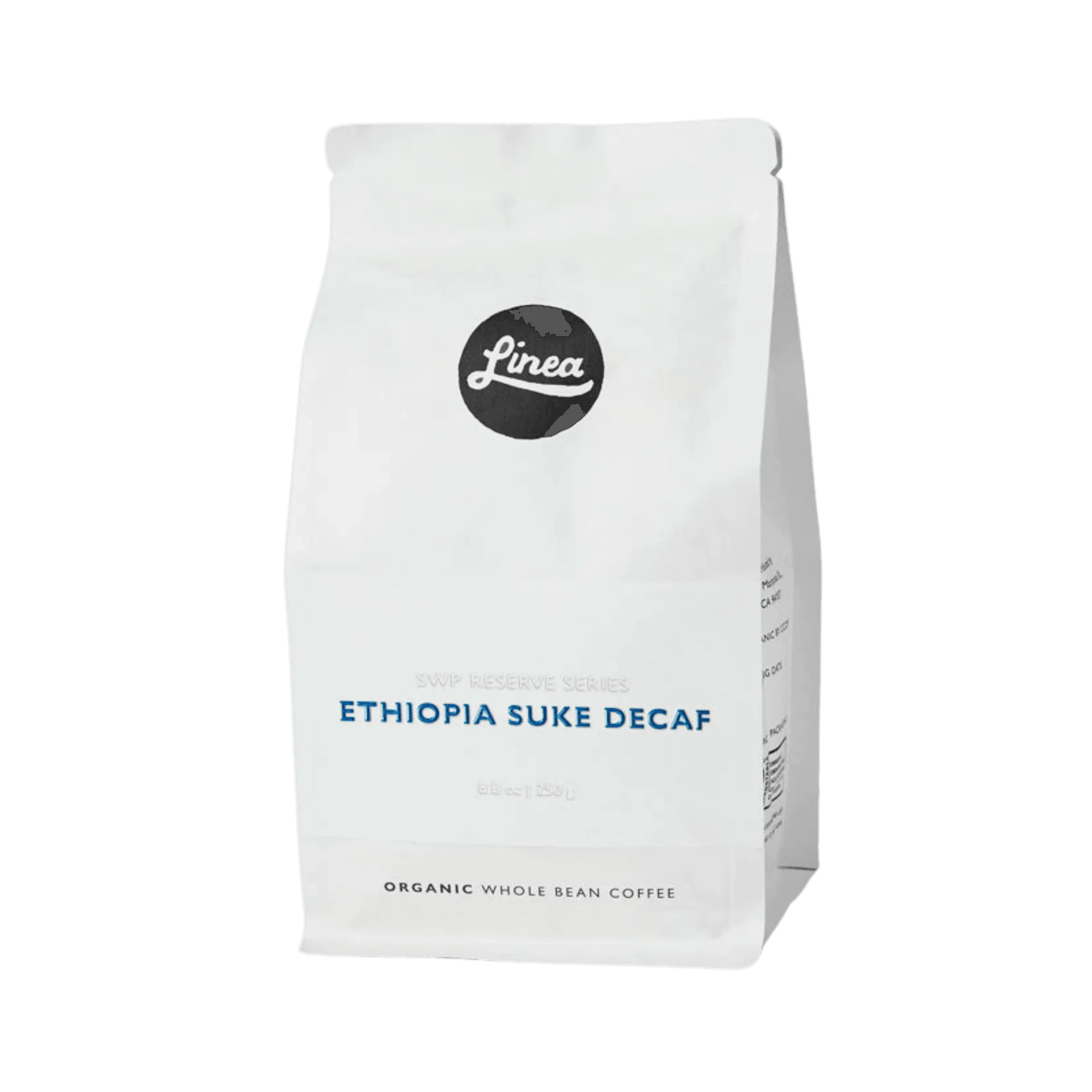
Ethiopia Suke Decaf
Ethiopia is the birthplace of coffee, and its beans offer some of the most diverse flavor profiles in the world. Two standout options from Fellow Products are Ethiopia Anasora Guji Natural and Ethiopia Suke Decaf. While both come from Ethiopia, they differ dramatically in processing, flavor, and caffeine content, making them suitable for different occasions and preferences.
This comparison breaks down the flavor profiles, brewing methods, and trade-offs of each coffee so you can decide which one belongs in your next order. We'll also look at how natural processing versus decaffeination affects your cup.
Flavor Profile: Fruit-Forward vs. Comforting
Ethiopia Anasora Guji Natural is a naturally processed coffee, which means the beans are dried inside the fruit, allowing sugars to ferment and infuse the bean. This process typically yields intense fruitiness, heavy body, and complex sweetness. While specific tasting notes for Anasora Guji are not provided, natural Ethiopian coffees are known for berry, stone fruit, and wine-like characteristics. The natural process enhances sweetness and body, making it a favorite for those who enjoy bold, aromatic cups.
Ethiopia Suke Decaf, on the other hand, is a decaffeinated coffee from the Suke Quto farm in the Odo Shakisso district. The catalog describes it as having an elegant, syrupy body with notes of blackberry jam, cherry cola, and mango cream pie. Despite being decaf, it retains a rich, sweet profile that can satisfy any coffee lover, especially in the evening. The decaffeination process can sometimes mute flavors, but this lot demonstrates that decaf can still be complex and enjoyable.
- Natural processed coffees often have a heavier mouthfeel and higher sweetness.
- Decaf coffees can vary in body; look for ones with a syrupy description for a satisfying cup.
Brewing Methods: How to Get the Best Cup
For Ethiopia Anasora Guji Natural, a pour-over method like the Stagg X dripper can highlight its bright, fruity notes. Use water just off the boil (around 200°F) and a medium-fine grind. The natural process benefits from a slightly longer extraction to bring out sweetness, so consider a slower pour and a slightly finer grind than you'd use for washed coffees.
Ethiopia Suke Decaf also works well as a pour-over, but because it's decaf, the beans are more fragile and can over-extract easily, leading to bitterness. Use a slightly cooler water temperature (195°F) and a coarser grind to avoid harsh flavors. A drip machine or French press also works nicely for this coffee, as it can handle a bit more body without losing its delicate notes.
- For natural processed coffees, a pour-over method like the Stagg X can showcase fruitiness.
- When brewing decaf, use slightly cooler water to prevent over-extraction.
Caffeine and Timing: Day vs. Evening
The most obvious difference is caffeine. Ethiopia Anasora Guji Natural contains caffeine, making it a great morning or midday pick-me-up. Its vibrant flavors can help wake up your palate and provide energy to start your day.
Ethiopia Suke Decaf is caffeine-free, so it's perfect for evenings, after dinner, or for those who are sensitive to caffeine. You can enjoy a flavorful cup without worrying about sleepless nights. This makes it a versatile choice for any time of day when you want the comfort of coffee without the buzz.
- If you need an energy boost, choose the natural processed coffee.
- For a late-night treat, the decaf option lets you enjoy coffee without caffeine.
Trade-Offs at a Glance
- Flavor Intensity: Natural processed coffees like Anasora Guji tend to have more intense fruitiness and sweetness. Decaf coffees like Suke Decaf can be equally flavorful but may have a slightly different profile due to decaffeination. If you crave bold fruit, go natural. If you prefer a smoother, comforting cup, decaf can still deliver.
- Caffeine Content: Anasora Guji contains caffeine, while Suke Decaf is caffeine-free. This is the biggest practical difference. Choose based on your time of day or caffeine sensitivity.
- Brewing Flexibility: Both work well with pour-over, but decaf requires slightly cooler water and a coarser grind to avoid over-extraction. Natural processed coffees can handle a bit more heat and finer grind. Adjust your grind and water temperature to match the coffee you're brewing.
Product Facts
- Ethiopia Suke Natural: Tesfaye Bekele’s Suke Quto farm stretches over the highlands and valleys of Ethiopia’s Odo Shakisso district. Since its inception in 2000, Suke Quto has been at the forefront of Ethiopia’s regenerative organic agriculture movement and is renowned for its exemplary coffee quality. This natural process has an elegant, syrupy body with notes of blackberry jam, cherry cola, and mango cream pie. This coffee showcases the best of natural processing with a syrupy body and complex fruit notes, making it a great choice for those who enjoy bold, sweet cups.
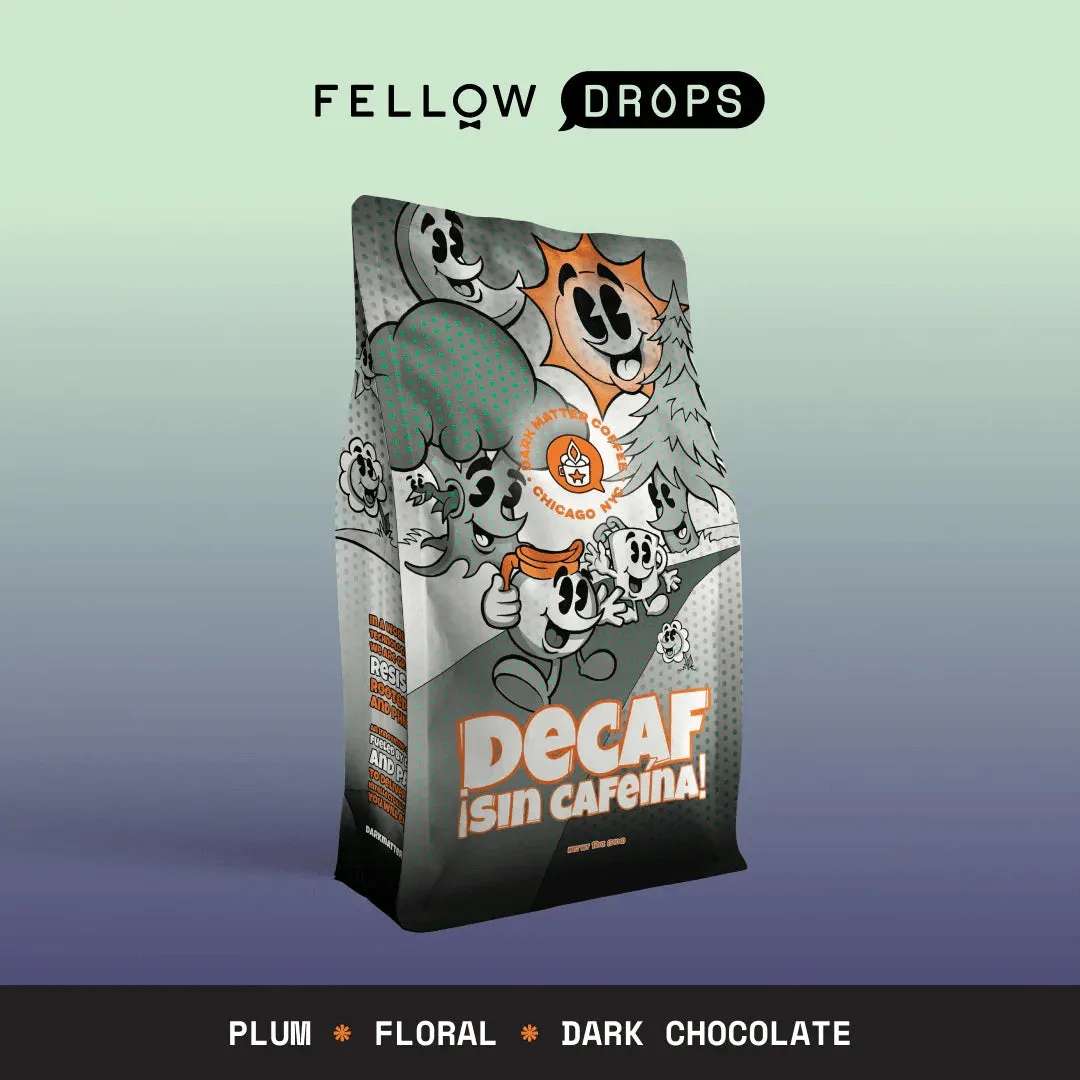
- Lights Out Decaf: This Caturra coffee is produced by the Bayter family, who transformed their El Vergel farm into a pioneering Colombian specialty coffee producer after a crop disease that devastated their avocado business. Its silky smooth flavor profile unfolds with bright notes of milk chocolate and orange zest, creating a comforting cup that honors both craft and family tradition. This decaf option proves that you don't have to sacrifice flavor for caffeine-free coffee. Its chocolate and orange notes make it a comforting evening choice.
Which One Should You Choose?
Best For
- Ethiopia Anasora Guji Natural: Coffee lovers who enjoy vibrant, fruit-forward cups and want a caffeine boost in the morning or afternoon.
- Ethiopia Suke Decaf: Those who want a flavorful, caffeine-free option for evenings, or anyone avoiding caffeine but missing the ritual of coffee.
Not For
- Ethiopia Anasora Guji Natural: Not ideal for those who are caffeine-sensitive or looking for a late-night cup.
- Ethiopia Suke Decaf: Not for those who need a caffeine jolt to start their day or prefer the intense fruitiness of natural processed coffees.
Both Ethiopia Anasora Guji Natural and Ethiopia Suke Decaf offer exceptional quality, but they serve different needs. If you want a lively, fruit-forward coffee with caffeine, go with the natural. If you need a smooth, comforting decaf that doesn't compromise on flavor, the Suke Decaf is your match. Consider your flavor preferences and when you'll be drinking to make the right choice.