Quick Answer
Ethiopia Duromina is a washed Ethiopian single origin from the Oromia region, grown between 1,900 and 2,100 meters. Expect a bright, delicate cup with clear fruit character and floral aromatics rather than heavy roast or chocolate notes. Buy it if you enjoy light, tea-like filter coffee; skip it if you want a dark, syrupy espresso blend.
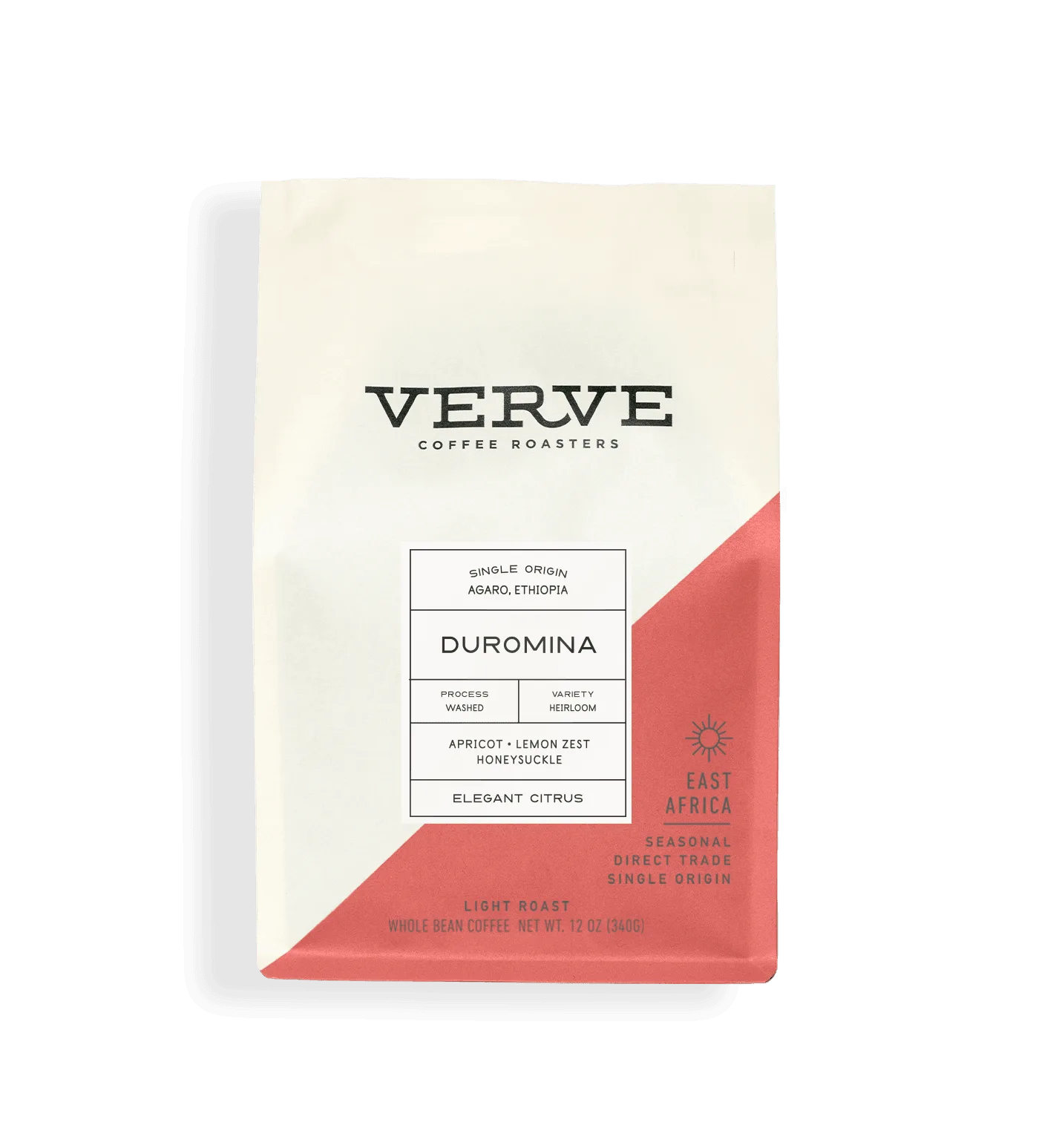
Ethiopia Duromina
Ethiopia Duromina is one of those coffees that rewards attention. It is washed, grown high in the Oromia region, and built around clarity rather than comfort. That makes it a great fit for some brewers and a frustrating one for others.
Below are direct answers to the questions people actually ask before buying a bag: what it tastes like, how to brew it, whether it works as espresso, and how it compares to other Ethiopian single origins on the same shelf.
What Does Ethiopia Duromina Taste Like?
Duromina is a washed coffee from the Oromia region, grown between 1,900 and 2,100 meters. The cooperative members cultivate heirloom varieties, and washed processing preserves the coffee's fruit character and floral aromatics. In the cup, that usually reads as a bright, delicate profile with clearly defined fruit and flower notes rather than a heavy, roasted flavor.
Because the cup is delicate, it shows brewing mistakes quickly. Water that is too hot or a grind that is too fine can flatten the fruit and push the finish toward bitterness. If you normally drink dark roasts, expect this to taste lighter, more acidic, and more aromatic than what you are used to.
- Serve it black first. Milk and sugar will bury the floral notes that make this coffee distinctive.
- Let the cup cool for a few minutes. The fruit and floral aromatics become clearer as the coffee drops below hot.
How Should You Brew Ethiopia Duromina?
A pour over is the safest way to show what this coffee does well. Use a medium grind, water just off boil, and a ratio around 1:16. Start with a bloom pour, then add the rest in slow circles. The goal is a clean, bright cup where the fruit and florals stay separated instead of muddy.
If you want a starting recipe, try 22 grams of coffee to 350 grams of water, a medium grind, and a total brew time around 2:45 to 3:15. If the cup tastes thin and sour, grind finer or raise the water temperature slightly. If it tastes bitter or drying, grind coarser.
- Use a burr grinder and grind just before brewing. This coffee's aromatics fade quickly after grinding.
- A Chemex Pourover Coffee Maker is a practical match for this style because its thick filters emphasize clarity over body.
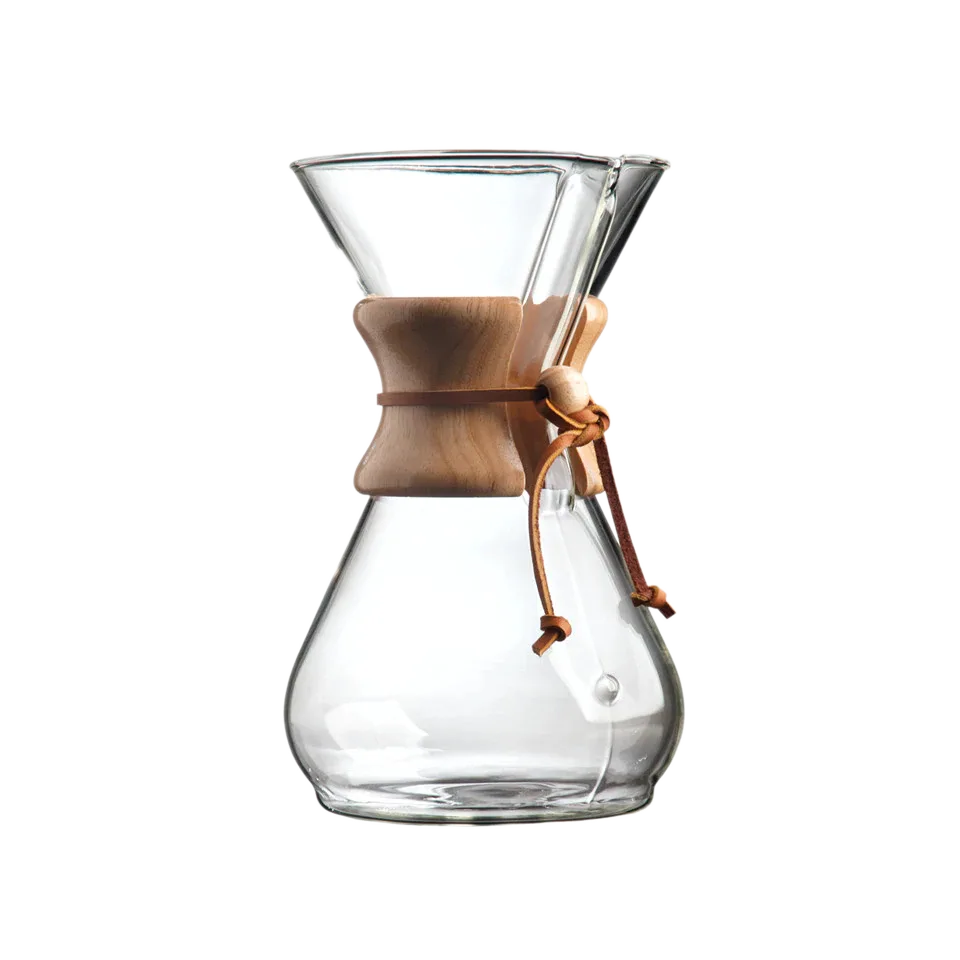
Chemex Pourover Coffee Maker
Does Ethiopia Duromina Work as Espresso?
It can, but it is not a forgiving espresso coffee. The same brightness that makes Duromina interesting in a pour over can turn sharp and sour in a short shot. If you want to try it, pull longer and slightly cooler than you would with a chocolate-forward blend, and expect a light-bodied shot with fruit and floral notes rather than crema-heavy sweetness.
For most home espresso setups, Duromina is better as an occasional experiment than a daily driver. If you want an Ethiopian coffee built for milk drinks and traditional espresso, a blend is usually the more reliable choice.
- Keep a backup blend on hand so a sour shot does not ruin your morning.
- If you brew espresso, order the coffee whole bean and grind immediately before pulling the shot.
How Does Duromina Compare to Other Ethiopian Single Origins?
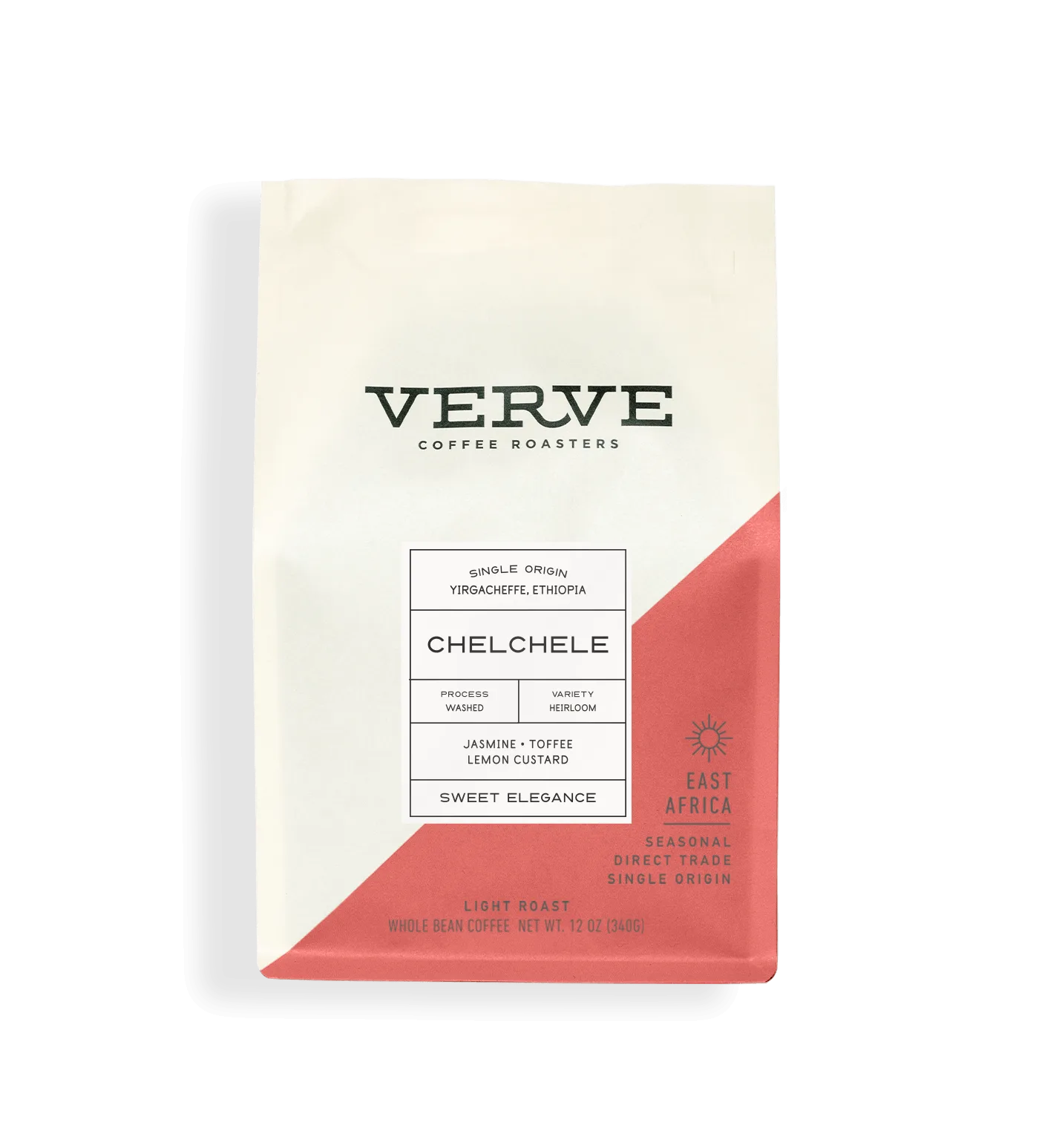
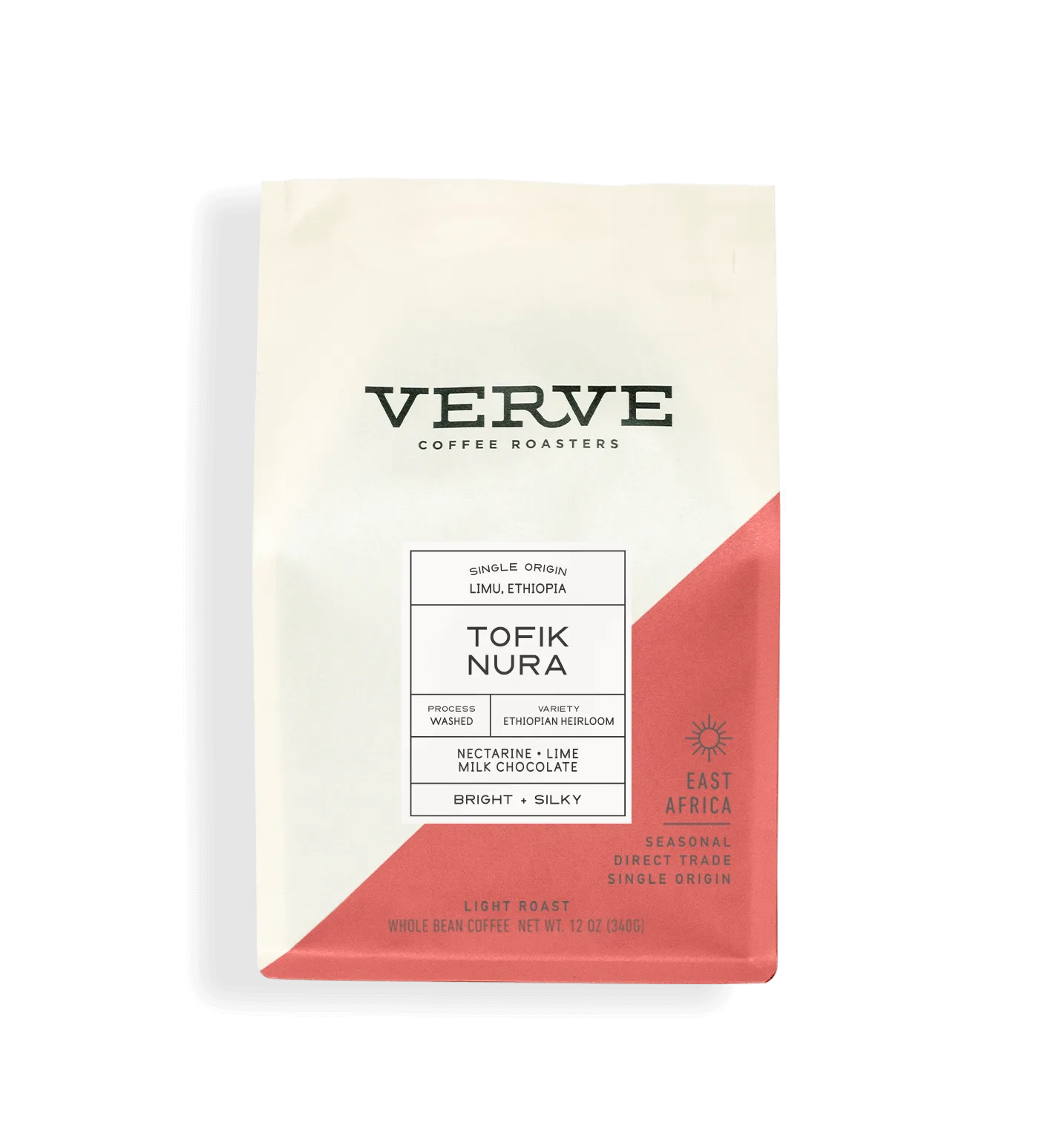
Ethiopia is not one flavor. Duromina comes from Oromia and is defined by washed processing that keeps its fruit and florals clearly separated. Ethiopia Chelchele, from Yirgacheffe, is also washed and floral, but it leans toward vibrant sweetness and elegance. Ethiopia Tofik Nura, from the Sadi district, is washed too, yet its parchment resting practice pushes it toward clarity, sweetness, and balance rather than pure brightness.
If you already know you like the floral, tea-like side of Ethiopian coffee, Duromina is a good next step. If you want something rounder and sweeter, Tofik Nura is the easier drink. If you want maximum floral expression, Chelchele or a Gesha like Honduras Benjamin Paz La Salsa Gesha Farmlevel Reserve will push further in that direction.
- Buy two small bags instead of one large one if you are still learning which Ethiopian profile you prefer.
- Keep notes on which one you finish first. That is usually the most honest signal of your preference.
Duromina FAQ Checkpoints
What does Duromina taste like?
A washed Oromia coffee grown between 1,900 and 2,100 meters, with heirloom varieties and processing that preserves fruit character and floral aromatics. Expect bright, delicate, and clearly defined rather than dark or syrupy.
How do I brew it?
Start with a medium grind, water just off boil, and roughly 1:16. Adjust finer if the cup is sour, coarser if it is bitter. A pour over is the most reliable way to show its fruit and floral notes.
Is it good as espresso?
It can work, but the brightness that helps in filter coffee can read as sharp in a short shot. Pull longer and cooler than usual. Better as an occasional experiment than a daily espresso.
Who should buy it?
Buy it if you like light, tea-like filter coffee with clear fruit and florals. Skip it if you want a heavy, chocolatey, milk-friendly cup. If you are unsure, compare it with Tofik Nura for sweetness or Chelchele for florals.
How fresh is it?
Each coffee is roasted to order and orders ship within 2 business days. Buy whole bean and grind just before brewing to protect the aromatics.
Product Facts That Matter
- Ethiopia Duromina: Grown between 1,900 and 2,100 meters in Ethiopia's Oromia region, made up of heirloom varieties cultivated by cooperative members, and washed processed to preserve fruit character and floral aromatics. Each coffee is roasted to order and orders ship within 2 business days. The high elevation and washed process are why the cup tastes bright and delicate rather than heavy. Roasting to order means the bag arrives closer to its peak flavor window, which matters most for a coffee this aromatic.
- Ethiopia Tofik Nura: Produced by Tofik Nura and neighboring smallholder farmers in Ethiopia's Sadi district, washed, with an uncommon parchment resting practice before drying that promotes clarity, sweetness, and balance. If Duromina sounds too bright or too delicate for your taste, Tofik Nura is the closer Ethiopian alternative with more sweetness and balance in the same washed style.
- Ethiopia Chelchele: Produced by smallholder farmers around the Chelchele washing station in Yirgacheffe, with high elevations and precise washed processing that preserves floral aromatics and vibrant acidity. Chelchele is the comparison point for anyone who wants the most floral, elegant expression of washed Ethiopian coffee rather than Duromina's fruit-forward clarity.
- Chemex Pourover Coffee Maker: First created in 1941, with an iconic hourglass shape and a design that has become a standard in the pourover lineup. A Chemex is a straightforward way to brew Duromina with the clarity its washed profile rewards, especially if you are new to pour over and want one reliable brewer.
Ethiopia Duromina is a clear, bright washed Ethiopian coffee that rewards careful brewing and punishes guesswork. If you like light filter coffee with real fruit and floral character, it is an easy bag to recommend. If you want sweetness and balance instead of brightness, Tofik Nura is the safer pick.