Start with the leaf, not the label
Eucalyptus leaf tea is a botanical infusion made from the leaves of the eucalyptus plant. Its character comes from aromatic compounds that give a cooling, camphor-like impression. That profile is the reason people reach for it when they want a clean, refreshing cup. Before you brew, it helps to know what you are working with: whole or cut leaves release their aroma differently, and the way you handle them affects both taste and steam.
The catalog describes Buddha Teas Organic Eucalyptus Leaf Tea as an aromatic botanical infusion with a naturally camphor-like profile and no artificial flavorings or synthetic scents. That gives you a clear starting point: the cup should taste and smell like the leaf, not like a flavoring. Your brewing choices should protect that natural character rather than mask it.
What the catalog confirms about this tea
-
Eucalyptus Leaf Tea: Organic Eucalyptus Leaf Tea is described as an aromatic botanical infusion with a naturally camphor-like profile and no artificial flavorings or synthetic scents. This tells you the expected taste direction and that the aroma comes from the leaf itself, so gentle handling and proper storage matter more than added flavor.
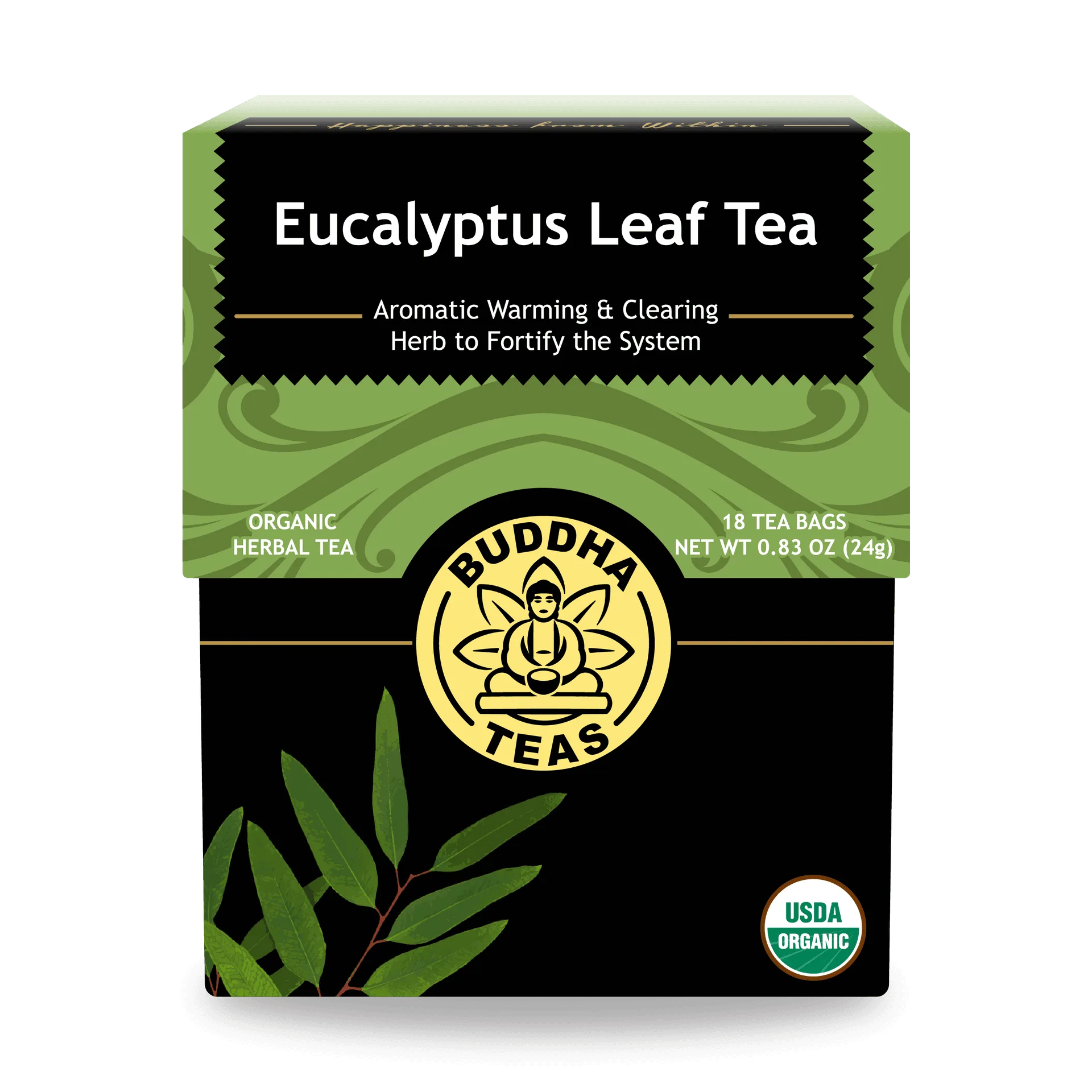
Eucalyptus Leaf Tea
How to brew eucalyptus tea for a clean, aromatic cup
The catalog does not provide specific steeping times, water temperatures, or leaf-to-water ratios for this tea. The steps below are general best practices for aromatic herbal leaf teas, not manufacturer instructions. Adjust to your taste and check the package for any guidance.
- Use fresh water and a clean vessel: Start with water that tastes good on its own. A clean kettle or pot prevents leftover flavors from interfering with the delicate camphor-like notes.
- Measure the leaf to suit your cup: Because no ratio is supplied, begin with a small amount of leaf and adjust. You can always add more leaf or let it steep longer, but you cannot remove bitterness once it is in the cup.
- Heat water just off the boil: Aromatic herbal leaves often do well with water that has cooled slightly after boiling. This helps release aroma without driving off the volatile compounds too quickly.
- Steep briefly, then taste: Begin with a short steep and taste. If the cup is too mild, steep a little longer. If it turns sharp or bitter, shorten the next steep or use less leaf.
- Strain and serve: Remove the leaves when the cup tastes right to you. Leaving them in can make the next sip stronger than you intended.
Using eucalyptus tea steam
The steam from a freshly brewed cup carries much of the aroma. That is why eucalyptus tea is often enjoyed as much for its scent as its taste. To make the most of the steam, pour the hot tea into a wide-mouthed cup and let it sit for a moment before drinking. Bring the cup toward you and breathe normally; the rising steam delivers the cooling, camphor-like impression.
Keep the experience comfortable. Steam should feel gentle, not scalding. If the heat is too intense, let the cup cool slightly and try again. The goal is to enjoy the aromatic lift, not to create an uncomfortable sensation. The catalog does not describe any specific steam-inhalation method, so treat this as a simple enjoyment technique rather than a therapeutic protocol.
What eucalyptus tea taste to expect
The dominant note is cooling and camphor-like, with a clean, forest-like freshness. It is not a sweet or fruity tea, and it does not rely on added flavorings to achieve that character. Some drinkers find it brisk and clarifying; others prefer it lighter. If the camphor note feels strong, use less leaf or a shorter steep. If you want a softer cup, you can combine it with a mild herbal tea, but do so sparingly so the eucalyptus remains recognizable.
Because the catalog does not list ingredients beyond eucalyptus leaf, check the package if you have allergies or dietary concerns. The absence of detailed ingredient or allergen information in the supplied evidence is not a guarantee that none exist; always read the label.
Eucalyptus leaf tea storage tips
The catalog does not specify a shelf life or storage instructions for this tea. The following are general best practices for keeping dried herbal leaves fresh.
- Keep it dark: Store the tea away from direct light, which can degrade aromatic compounds over time.
- Seal out air and moisture: Use an airtight container. Moisture is the enemy of dried leaves, and a tight seal helps preserve the camphor-like aroma.
- Avoid heat and strong odors: A cool, dry cupboard away from the stove is better than a warm shelf. Keep the tea away from spices or coffee that could mask its scent.
- Label and date the container: If you transfer the tea from its original packaging, note the date so you can track freshness. Use your senses: if the aroma fades or the leaves look damp, replace them.
A simple routine for a better cup
Brew a small test cup first. Taste it plain, then adjust leaf amount or steep time on the next round. Enjoy the steam before you sip, and store the rest of the tea promptly in an airtight container away from light and heat. These small habits help you get the clean, refreshing character that Organic Eucalyptus Leaf Tea is meant to deliver. For exact preparation guidance, refer to the package, since the catalog does not provide steeping parameters.