Quick answer
Keep tea in an airtight, opaque container stored in a cool, dark, dry cupboard away from the stove, kettle and spices. Leave tea in its original sealed wrapper or pouch inside that container, and buy only as much as you will drink within a few months. This single routine protects both loose leaf tea and pyramid tea bags from the five things that flatten flavour: light, heat, air, moisture and strong smells.
Why tea goes stale, and what actually speeds it up
Tea leaves and tea bags are dry, aromatic and porous, which makes them excellent at absorbing whatever surrounds them. Light breaks down the compounds that give tea its colour and character; heat pushes the process along; oxygen slowly oxidises the leaf; moisture can turn a crisp leaf soft and dull; and nearby smells move straight into the tea. That is why a clear jar on a sunny windowsill is one of the worst places for tea, even though it looks attractive.
The fix is not a single miracle container. It is a routine: block light, block air, block heat, block moisture and block odours, then use the oldest tea first. Once you understand that, choosing where and how to store tea becomes straightforward.
What to look for in a tea storage container
An opaque tin, a ceramic canister with a tight-fitting lid, or a thick, foil-lined pouch all work well. The container needs a proper seal, not just a lid that sits on top. If you can smell the tea through the closed container, air and aroma are moving in both directions, and the tea will fade faster.
Size matters as much as material. A container that is far too large leaves a lot of air around the tea every time you open it. Match the container to the amount you actually keep on hand, and refill it from a larger sealed pack rather than storing your whole supply in one open jar.
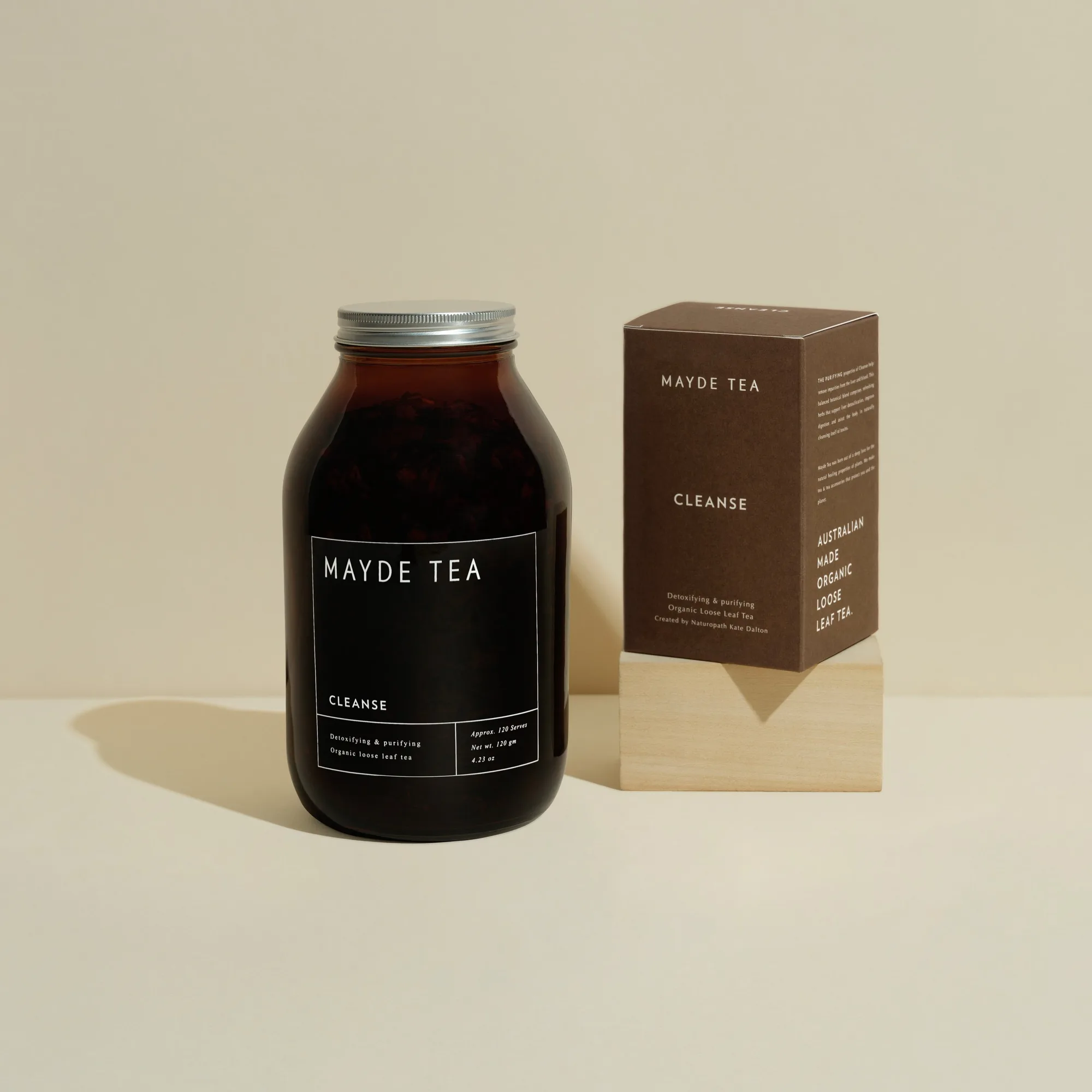
If you use a clear jar because you like seeing the leaf, keep it inside a closed cupboard so light never reaches it. The jar itself is not the problem; the light and the loose seal usually are.
- Best: opaque tin or ceramic canister with an airtight seal.
- Good: original foil-lined pouch, rolled tight and clipped.
- Avoid: open bags, decorative clear jars in daylight, and containers that still smell of coffee or spices.
Loose leaf tea vs pyramid tea bags: same rules, different handling
Loose leaf tea storage and pyramid tea bag storage follow the same five rules, but the handling differs. Loose leaf exposes more leaf surface, so it reacts faster to air and moisture and benefits most from a genuinely airtight container. Pyramid tea bags are already portioned and often individually wrapped, which slows the process, but the wrapper is not a force field. Once the outer pack is opened, the bags still need the same cool, dark, dry home.
One practical difference: do not tip pyramid tea bags loose into a jar with loose leaf tea. The bags pick up the aroma of whatever is next to them, and fine leaf dust settles into the mesh. Keep them in their own container, or leave them in the original pouch inside your storage tin.
For either format, keep a small amount in daily reach and store the rest sealed. That way you are not opening your main supply several times a day.
Where to store tea at home
A closed cupboard away from the hob, oven, kettle and dishwasher is the simplest good spot. Steady room temperature beats a spot that swings hot and cold. If your kitchen is humid or very warm, a pantry shelf or a cool interior cupboard is a better home than the counter beside the stove.
The refrigerator and freezer are usually a mistake for daily tea. Every time you open the container, condensation forms on the cold leaf, and moisture is the fastest way to ruin a dry tea. If you must freeze tea for long-term storage, seal it in a genuinely moisture-proof pack, keep it frozen without repeated thawing, and let it come to room temperature before opening.
Finally, keep tea away from strong-smelling neighbours: spices, coffee, onions, cleaning products and scented candles. Tea does not stay neutral for long in that company.
How long tea stays fresh, and how to tell it has turned
Tea does not usually become unsafe to drink; it simply loses the qualities you paid for. Aroma fades first, then the liquor turns flat, dull or slightly papery. Very old tea can taste musty or simply empty, even if it still looks fine.
As a working rule, treat tea as a fresh product rather than a pantry staple. Buy amounts you will finish within a few months, rotate your stock so older tea is used first, and date the container when you open a new pack. If you cannot remember when you bought it, that is usually a sign it has been sitting too long.
The clearest test is a side-by-side cup: brew a spoon of the tea in question next to a fresh sample of the same tea. If the older cup is noticeably flatter, it is time to finish it quickly or replace it.
Your six-step tea storage routine
- 1. Sort your tea by how fast you will drink it: Split your tea into a small daily supply and a larger reserve. Keep only what you will use in the next few weeks within easy reach, and leave the rest sealed. Common mistake: storing the entire pack in one open jar so every cup exposes the whole supply to air.
- 2. Choose the right container for each format: Use an opaque, airtight tin or canister for loose leaf tea. For pyramid tea bags, keep them in their original sealed pouch inside a tin rather than tipping them loose. Checkpoint: if you can smell the tea through the closed container, the seal is not doing its job.
- 3. Pick a cool, dark, dry spot: A closed cupboard away from the stove, oven, kettle and dishwasher is ideal. Avoid windowsills, above the fridge, and anywhere that gets steamy. Common mistake: a pretty clear jar on a sunny counter, which combines light, heat and air in one place.
- 4. Keep tea away from strong smells: Store tea on its own shelf, not next to spices, coffee, onions or cleaning products. Tea absorbs surrounding aromas quickly and does not give them back. Checkpoint: if the cupboard smells of anything else when you open it, move the tea.
- 5. Handle moisture with care: Always use a dry spoon, never a wet one, and never store tea in the fridge for daily use. If you freeze tea long term, seal it properly and let it reach room temperature before opening. Common mistake: putting a cold container straight into a warm kitchen, which forms condensation inside the pack.
- 6. Label, date and rotate: Write the date you opened each pack on the container and use the oldest tea first. Buy in quantities you will finish within a few months rather than stocking up indefinitely. Next step: do a quick smell and taste check on any tea older than a few months, and finish it before opening a new pack.
Products that make the routine easier
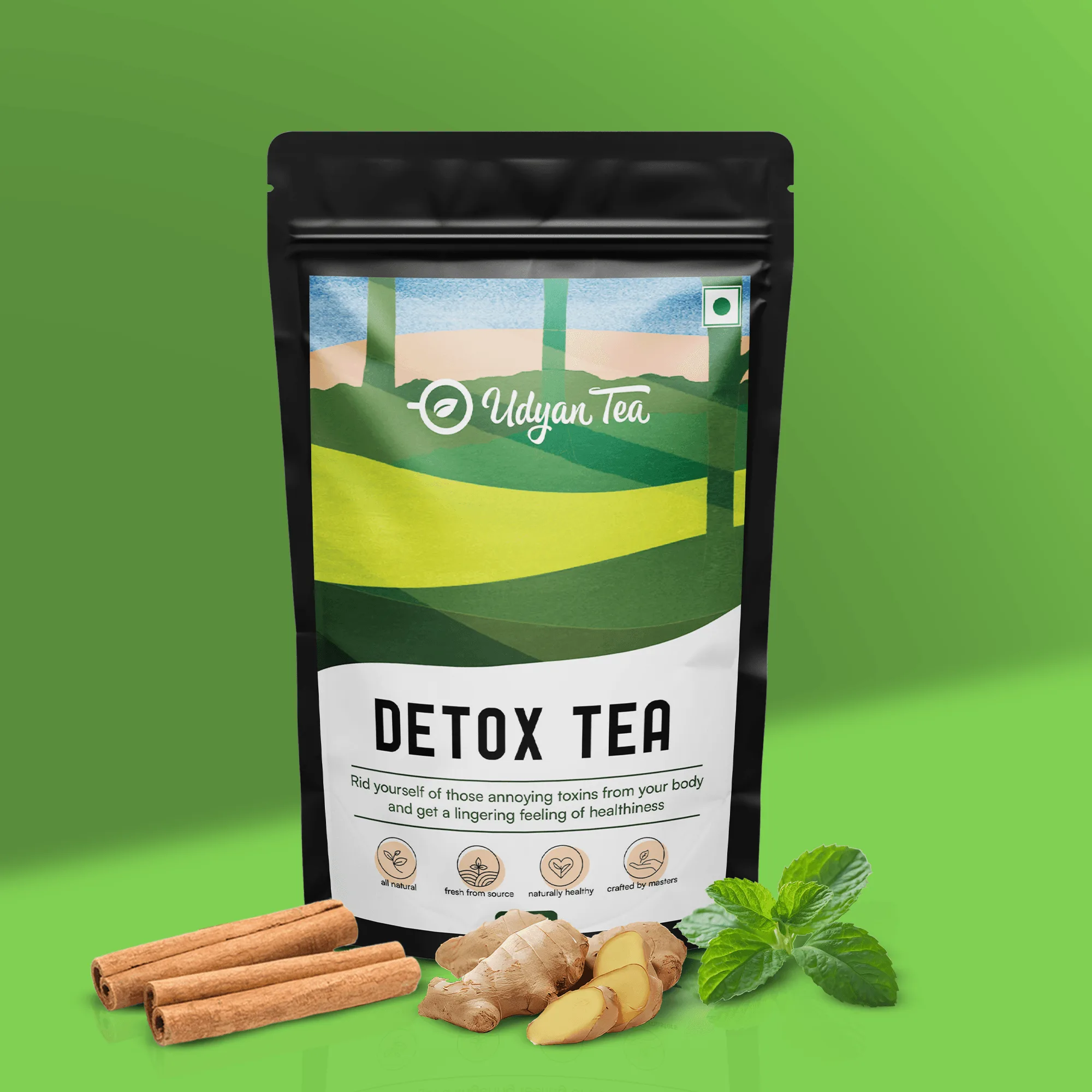
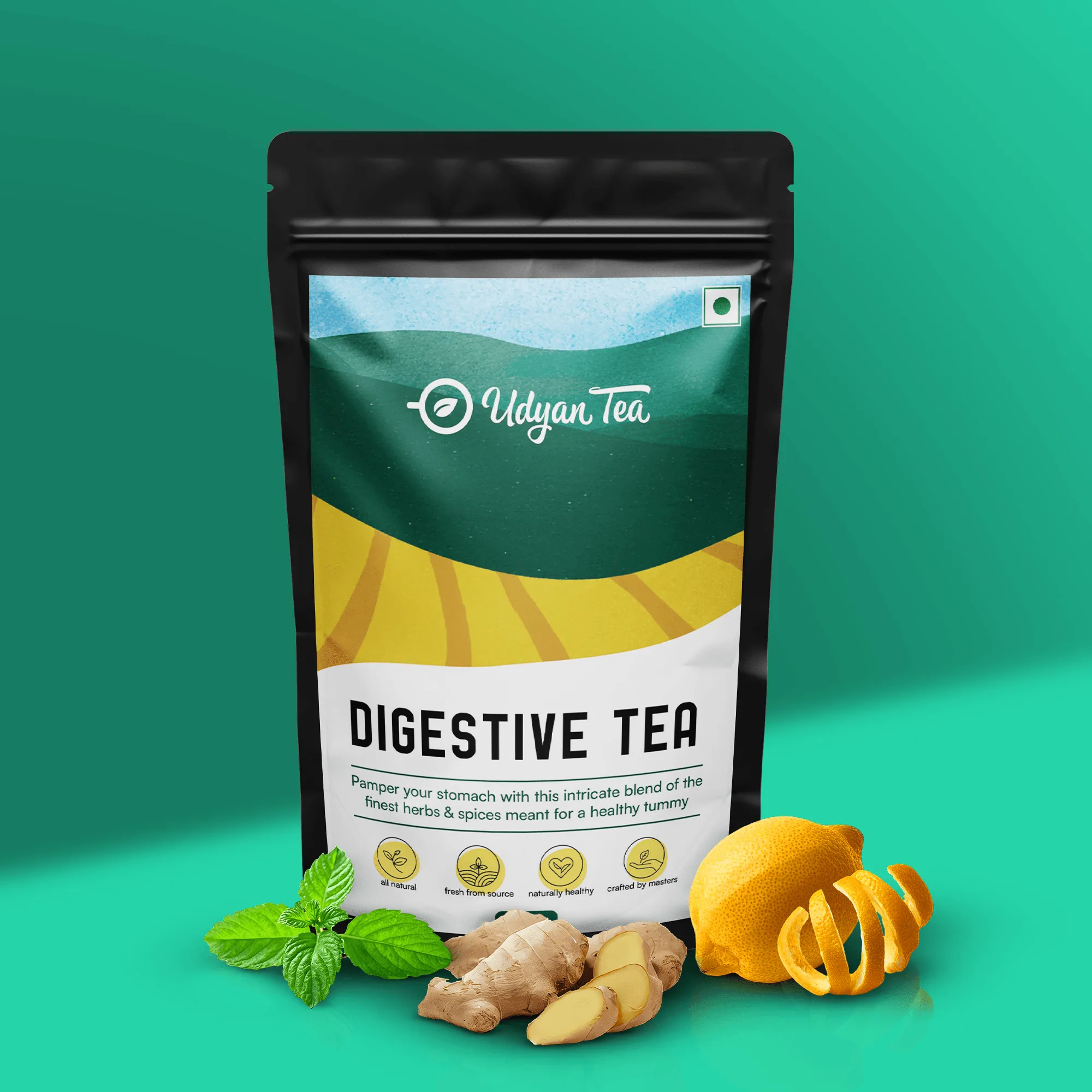
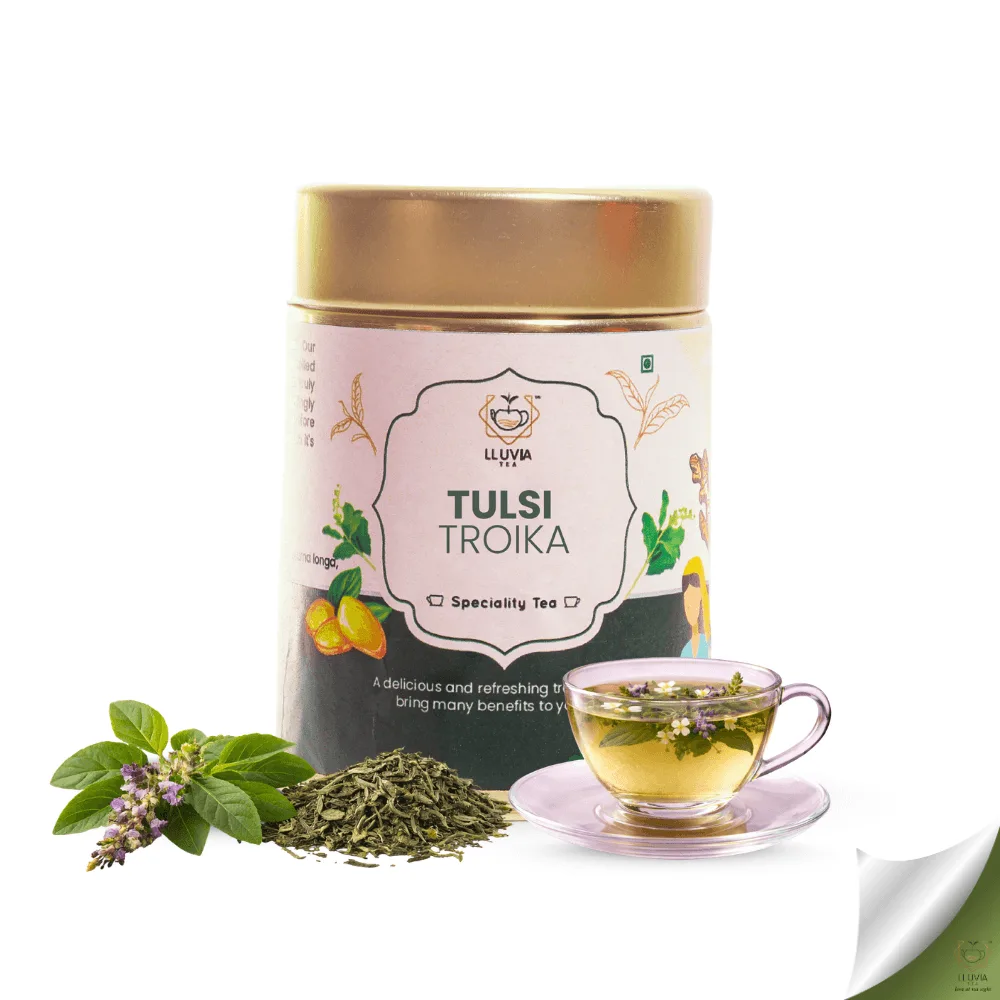
- Head-to-Toe Wellness Tea Pack - 60 Pyramid Tea Bags: The Head-to-Toe Wellness Tea Pack contains 60 pyramid tea bags across three specialised teas: Detox Tea, Digestive Tea and a third blend, each in its own portioned format. A multi-tea pack like this is exactly the situation where storage discipline pays off. You will not finish all three teas at the same rate, so keep the unopened packs sealed and only decant the blend you are drinking now into a small airtight tin.
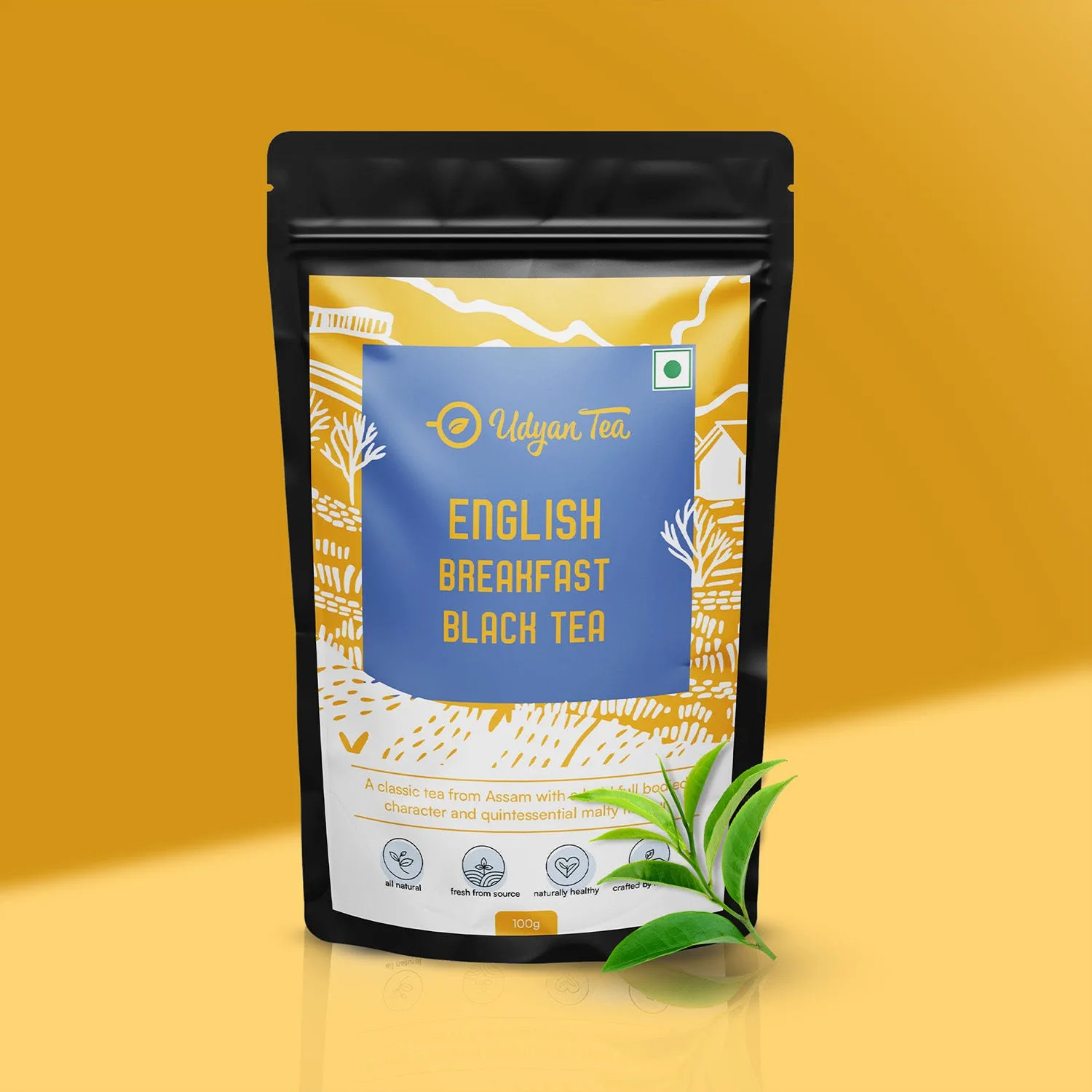
- English Breakfast Tea: English Breakfast Tea is sourced from Assam, with clean, well-sized leaves and golden tips that brew into a malty taste with honey notes and a fruity, woody fragrance. Aromatic, tipped loose leaf like this shows staleness quickly, so it is the tea to keep in your most airtight container and away from light. If the malty, honeyed character fades, storage is usually the first thing to check.
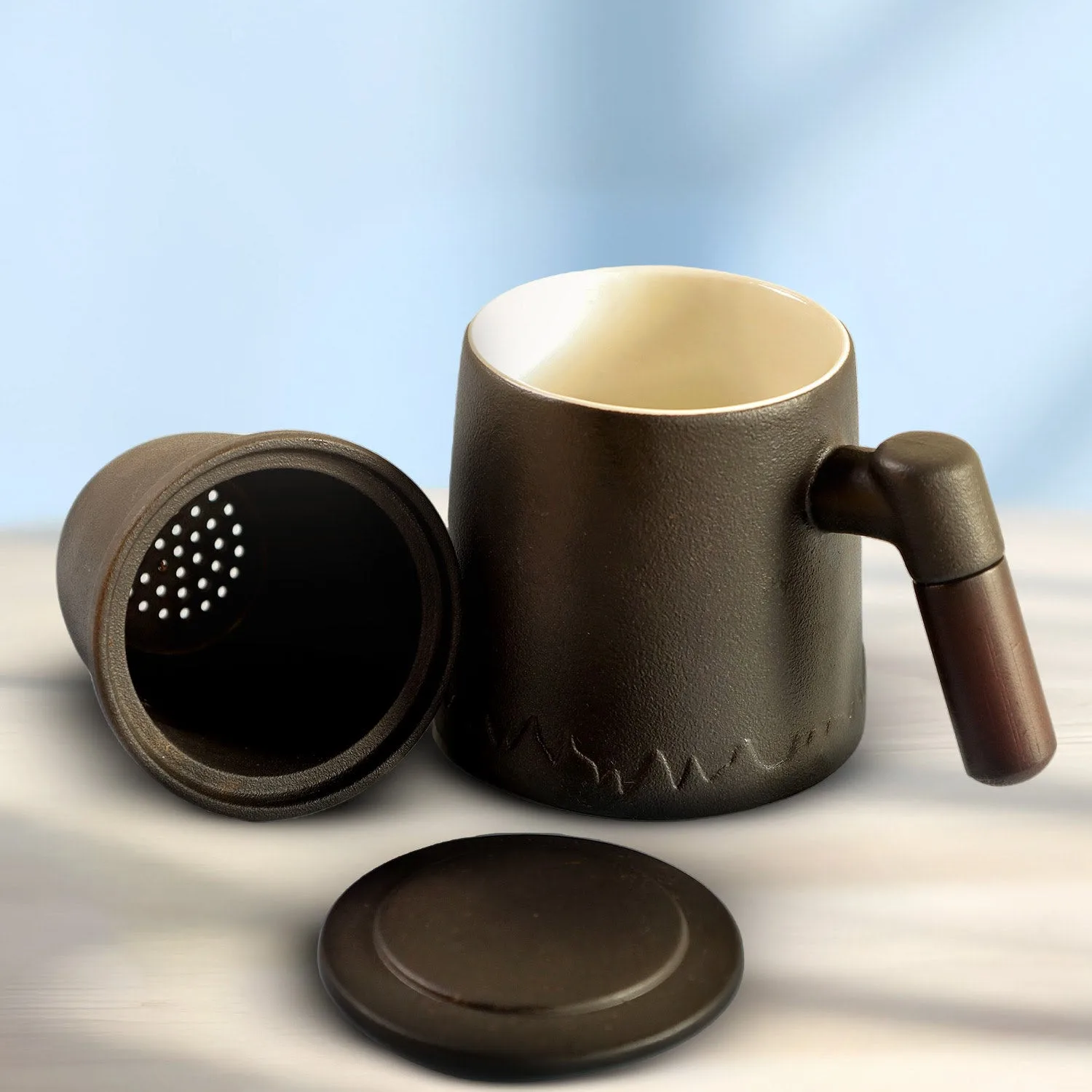
- Everest Tea Infuser Mug: The Everest Tea Infuser Mug has a detachable infuser and comes in Noir Black and Forest Green. A mug with a removable infuser lets you brew a single portion and empty the leaf straight away, so wet leaves never sit in the brewing vessel. Drying the infuser fully before its next use also keeps moisture out of your tea routine.