Quick Answer
Store loose leaf tea in an airtight, opaque container kept in a cool, dark, dry cupboard away from the stove, kettle and spices. Buy in quantities you will drink within a few months, keep one tin in daily use and refill it from a larger sealed stash. Those four habits protect flavour and aroma more than any single gadget.
Why Loose Leaf Tea Loses Its Flavour
Tea leaves are dried, not inert. Their aromatic oils and, in green and white teas, delicate polyphenols react to four things: light, oxygen, heat and moisture. Light and oxygen break down the compounds that carry a tea's distinctive scent; heat speeds that process up; moisture can turn a crisp leaf flat and, in the worst case, encourage mould. Tea also absorbs surrounding odours easily, which is why a tin stored beside ground coffee or a spice jar can taste like neither tea nor its original blend.
Because loose leaf tea has more exposed surface area than a tea bag, it is more vulnerable to all four. That is not a reason to avoid it — it is the reason storage deserves ten minutes of setup. Once you have a system, daily brewing stays simple and the last cup from a pouch tastes much closer to the first.
How Long Does Loose Leaf Tea Stay Fresh?
There is no single tea shelf life number, because it depends on the tea type, how it was processed, how it was packed and how you store it at home. As a working rule, most loose leaf teas hold good flavour for around six to twelve months after opening when kept cool, dark, dry and airtight; lighter teas such as green and white tend to fade sooner than robust black teas and many herbals. Floral and botanical blends often show their age through aroma first, before the taste changes.
Treat these as planning figures, not expiry dates. The reliable test is sensory: open the tin, smell the dry leaf, then brew a small cup. If the aroma is faint, the liquor flat or the finish short, the tea is telling you to use it faster — perhaps in a stronger masala chai or a cold brew where supporting flavours carry the cup.
What to Look For in Tea Storage Containers
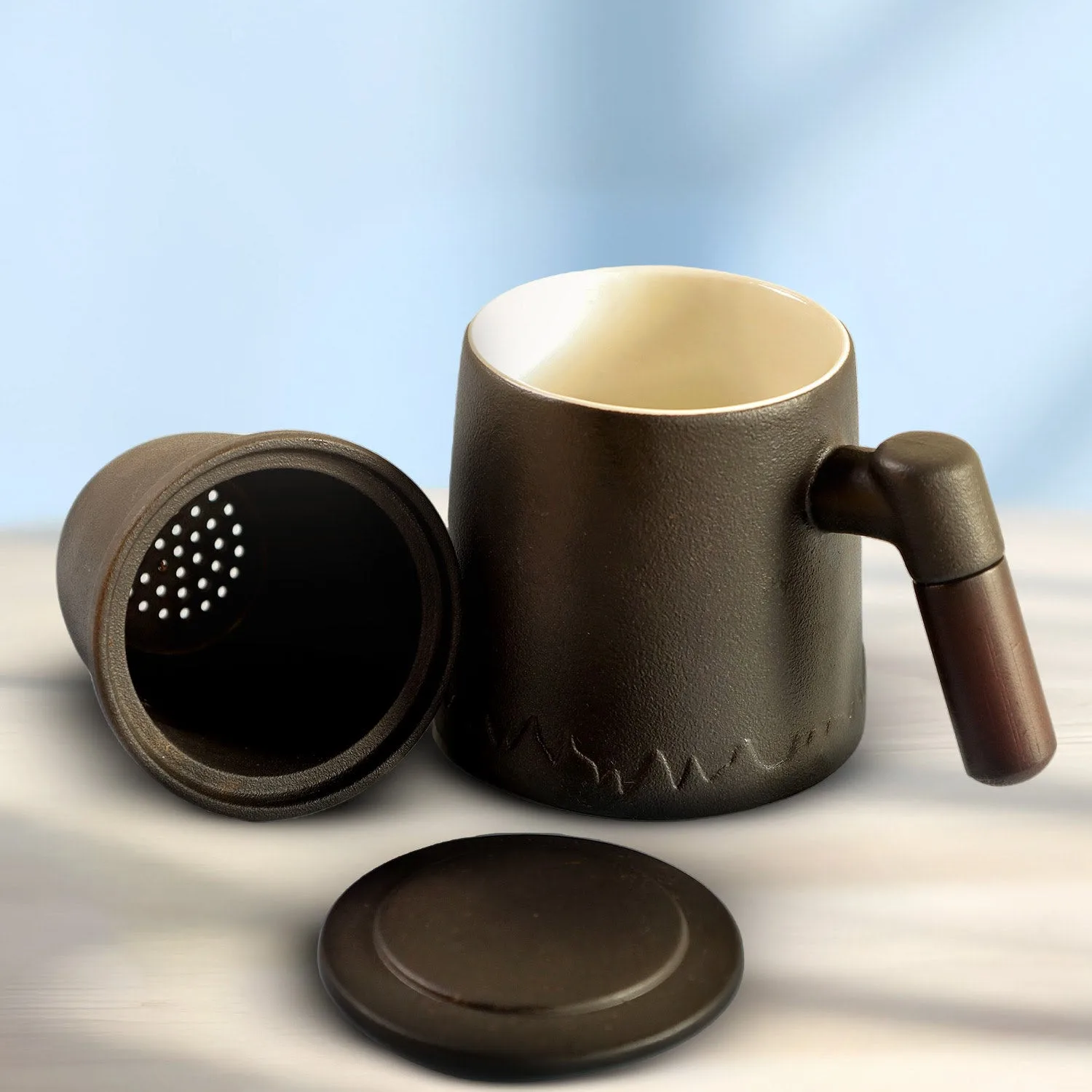
The container matters less than the conditions, but it still matters. Prioritise an airtight seal, an opaque body or a dark storage spot, and a size that leaves little headspace — a large tin that is three-quarters empty simply holds more air around the leaves. Glass looks attractive but lets light through, so either choose tinted glass or keep clear jars inside a closed cupboard. Avoid storing tea long-term in the bag it arrived in unless that bag is foil-lined, resealable and kept in the dark.
If you like to see your collection, keep small everyday jars on the shelf and store the bulk of each tea in a sealed, light-blocking container behind closed doors. Refill the small jar rather than opening the main stash every morning; every opening exchanges the protective atmosphere inside for room air.
Seven Steps to Store Loose Leaf Tea
- 1. Choose the right spot before you buy containers: Pick a cupboard that stays cool, dark and dry, away from the kettle, stove, dishwasher, radiator and window. A shelf beside the toaster feels convenient but exposes tea to heat and steam every morning. Checkpoint: if you can feel warmth on the shelf with your hand, it is the wrong shelf.
- 2. Match the container to the tea and the timeline: For teas you will finish within a few months, an airtight opaque tin or a foil-lined resealable pouch is enough. For longer storage, use a container with a gasket or screw lid and minimal headspace. Clear glass is fine only inside a closed cupboard. Mistake to avoid: buying a beautiful jar that lets light through and leaving it on the counter.
- 3. Keep bulk and daily tea separate: Decant a week or two of leaf into a small jar for daily brewing and leave the rest sealed in the main container. This cuts the number of times the bulk stash meets room air. Refill the small jar when it empties rather than topping it up every day.
- 4. Seal out air and moisture every single time: Press zipper seals fully closed, twist lids until they stop, and squeeze excess air from pouches before sealing. Never store tea in the fridge or freezer unless the container is truly airtight — condensation forms each time it comes out. Checkpoint: a pouch that sighs when you squeeze it is not sealed.
- 5. Isolate strongly scented teas and blends: Spiced chai, floral blends, smoked teas and flavoured herbals should not share a container or sit shoulder to shoulder with delicate greens and whites. Give each its own sealed vessel, or at least keep the most aromatic blends at the far end of the shelf. Mistake to avoid: storing a masala chai next to a light green tea and wondering why the green tea tastes of cloves.
- 6. Label with the tea name and the date you opened it: Write the tea, the date opened and, if you like, the best-before date on a piece of tape on the lid. This turns vague freshness into a visible timeline and stops you from rediscovering a forgotten tin two years later. Checkpoint: any unlabelled tin in your cupboard is a tea you have lost track of.
- 7. Review your stash on a schedule: Once a month, open each container and smell the dry leaf. If the aroma has faded, move that tea to the front of your brewing queue and use it in milk teas, chai or cold brew where it still performs well. Replace only what you will drink, not what looks good on the shelf. Next step: buy smaller quantities more often, so every cup is brewed near its peak.
Product Facts That Affect Storage
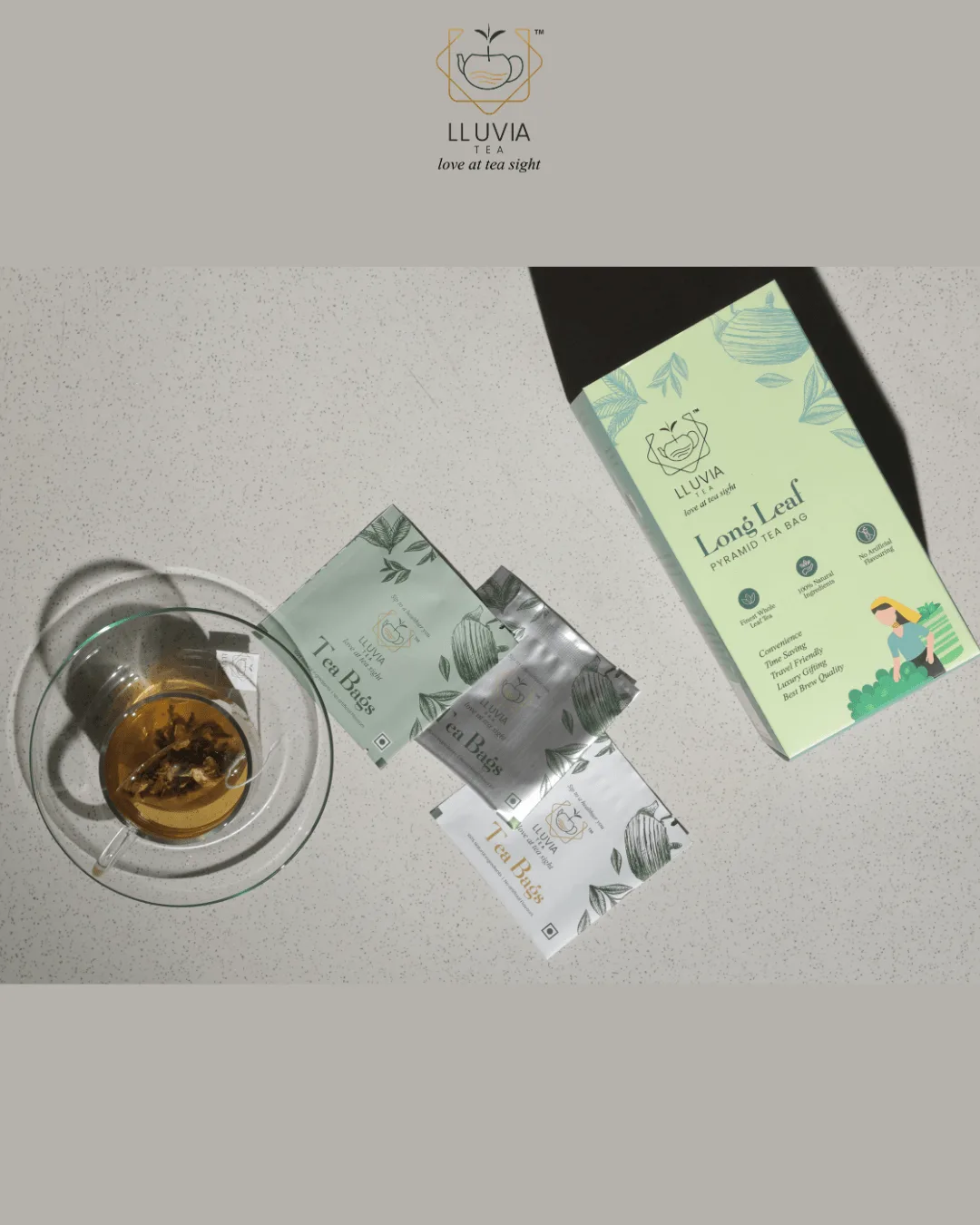
- Floral Assorted Pack| Pyramid Tea bags| 6 Flavours in a box | 2.5 g x 26 Tea Bags: Lluvia's Floral Assorted Tea Bags Sampler contains six floral flavours in one box, 2.5 g x 26 pyramid tea bags. Multiple aromas sharing one box will mingle once the packaging is opened, so keep the box closed and away from strong-smelling foods, or move unopened bags into a sealed container.
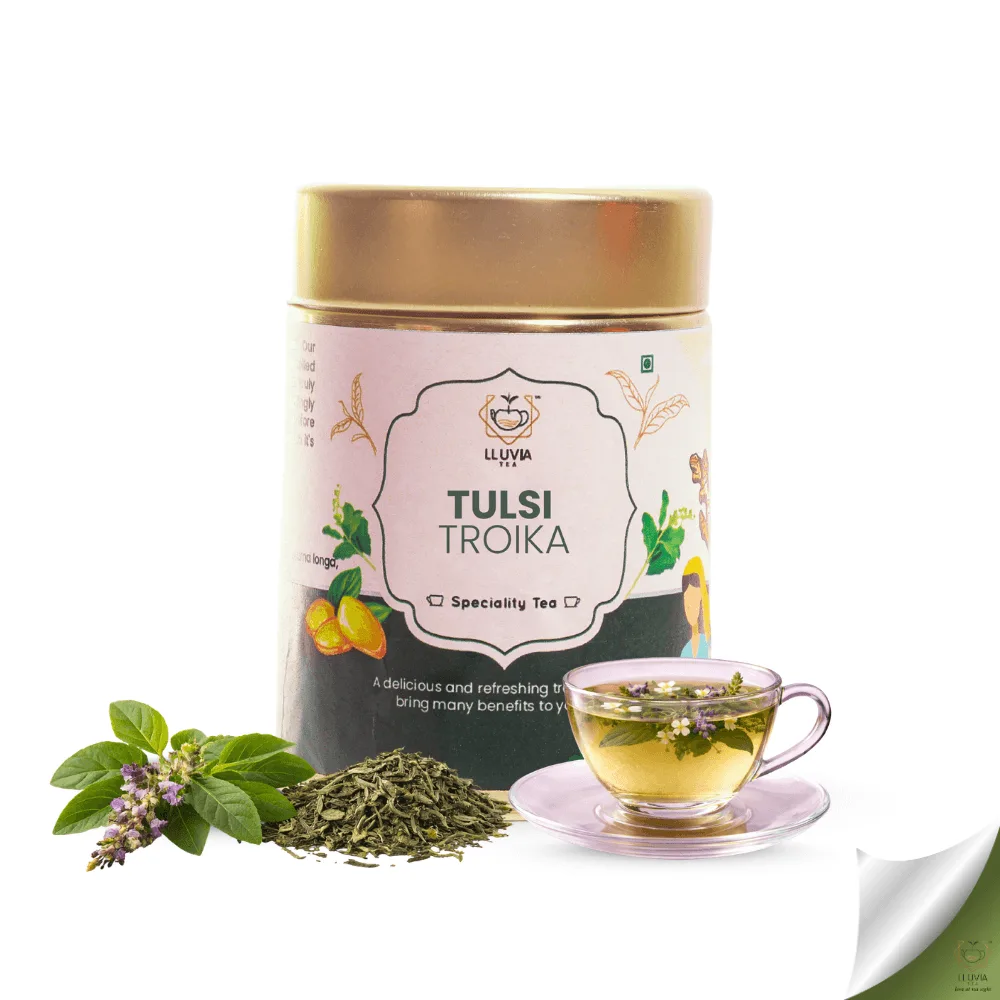
- Tulsi Troika – Adaptogenic Herbal Wellness Tea | Relives Stress (50gm): Tulsi Troika is a caffeine-free herbal blend of Tulsi, Ginger and Turmeric supplied as a 50 g pack. A 50 g herbal pack is small enough to finish while the aroma is at its best, so it suits a cool, dark cupboard rather than long-term bulk storage.
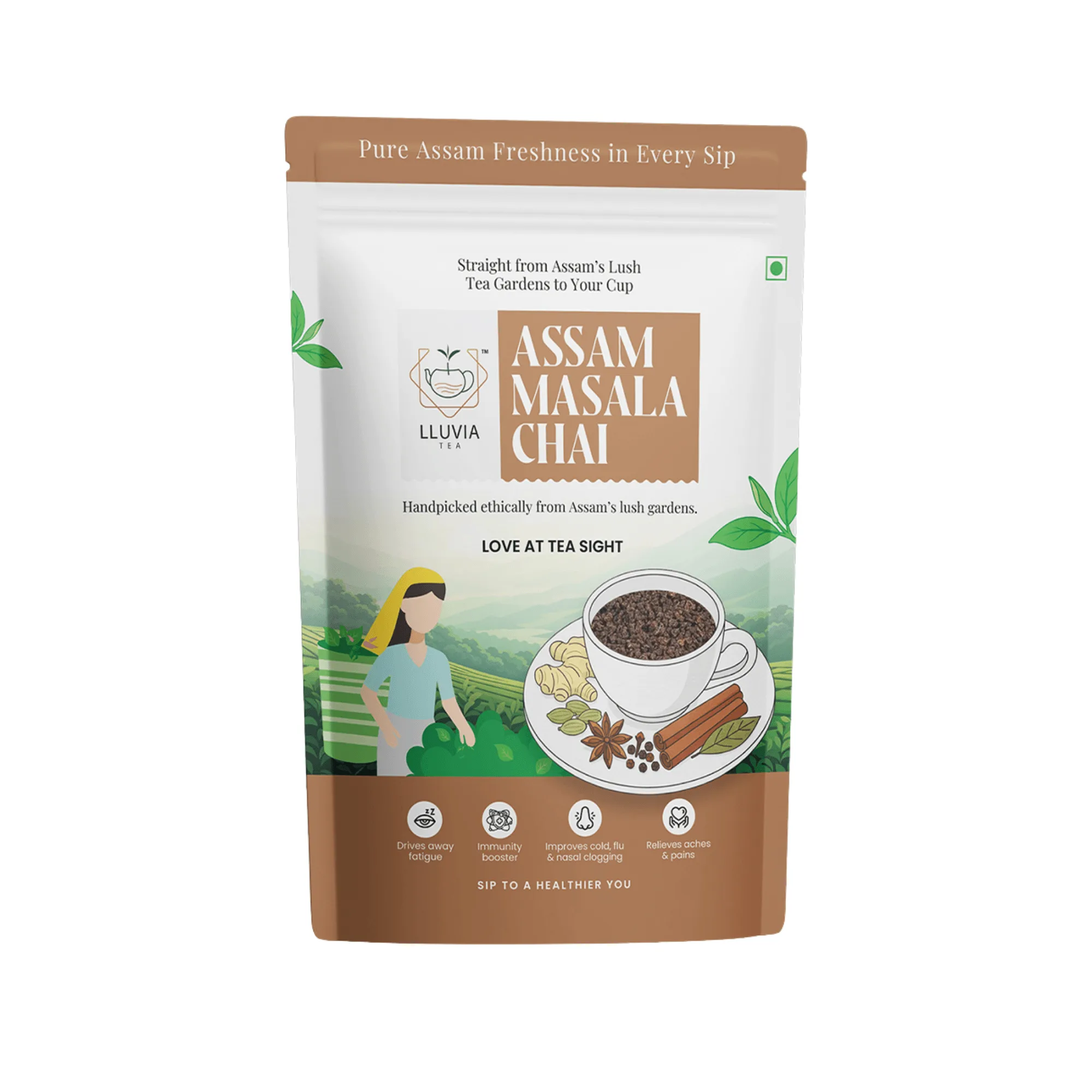
- Assam Masala Chai Zipper - Treat Cold & Flu | Increases Mental Alertness | Aids Digestion (150 gm): Assam Masala Chai combines Assam CTC black tea with spices and comes in a 150 g zipper pack. Spiced blends are aromatic and absorbent; press the zipper fully shut after each use and keep the pack away from other teas so the spice notes stay in the chai.