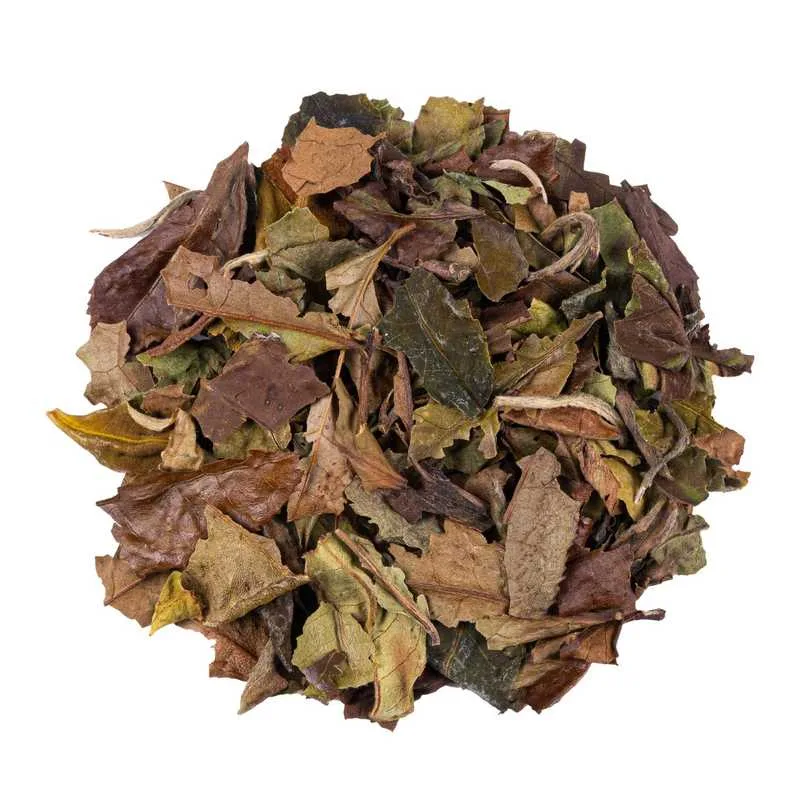
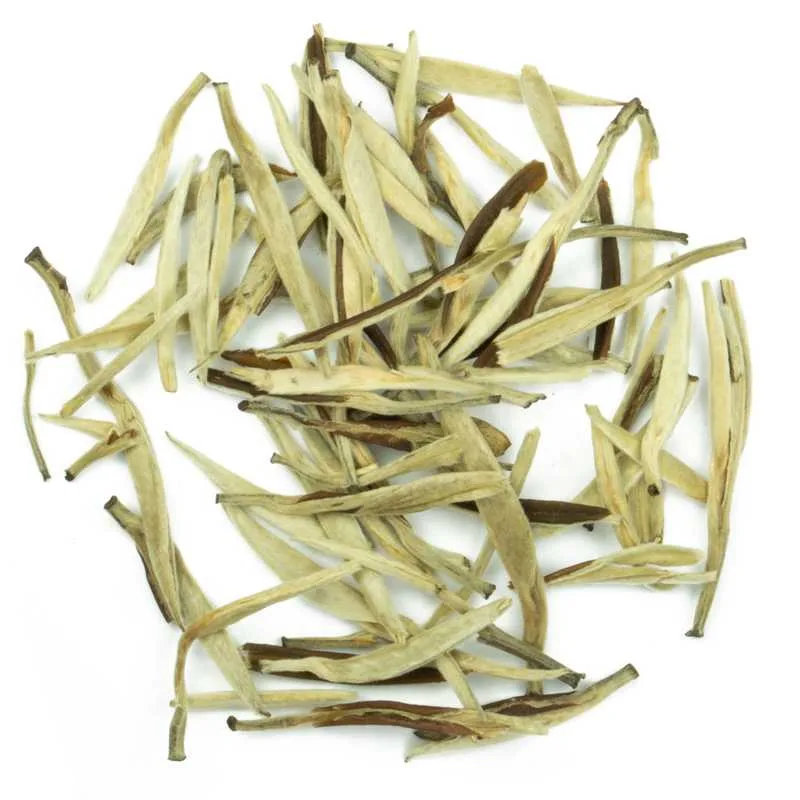
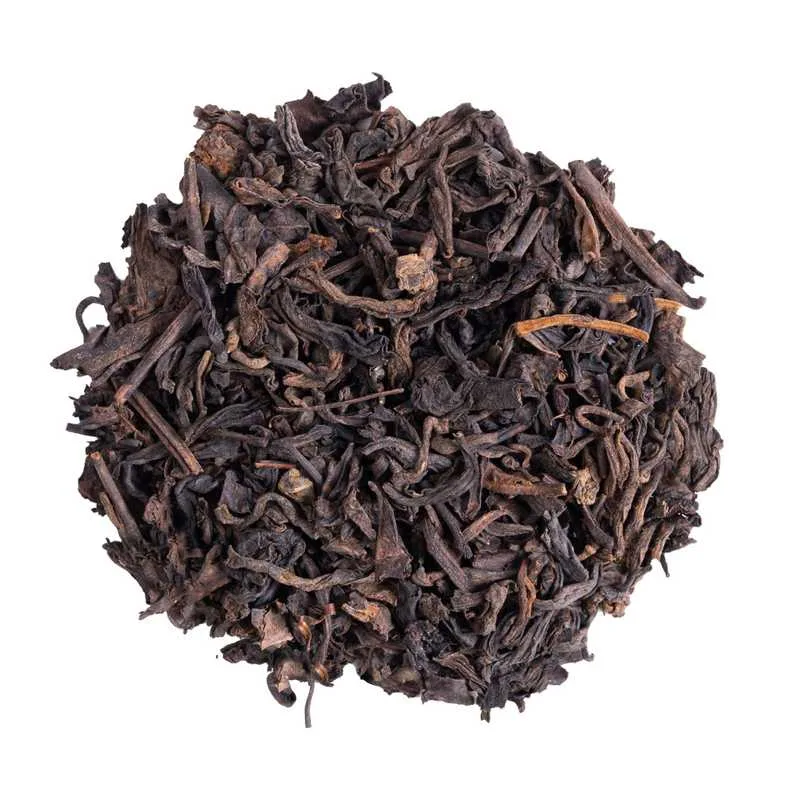
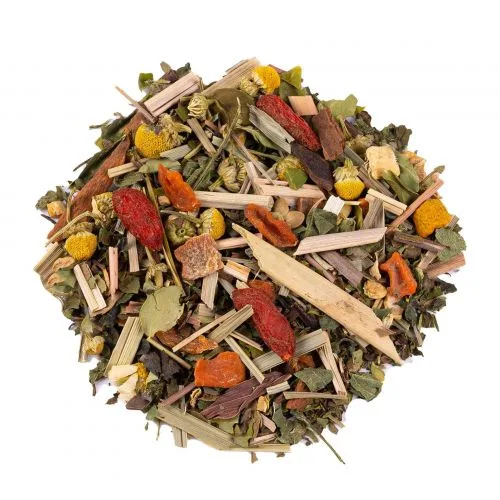
Loose leaf tea is a delicate product. Unlike tea bags, which are often crushed and exposed to air, quality loose leaf teas retain their essential oils, aromas, and nuanced flavors. But even the finest organic leaves can lose their charm if stored improperly. Whether you've invested in a premium Organic White Peony (Pai Mu Tan) or a robust Organic Assam TGFOP Second Flush Rembeng, proper storage is key to preserving the freshness and extending the shelf life of your tea.
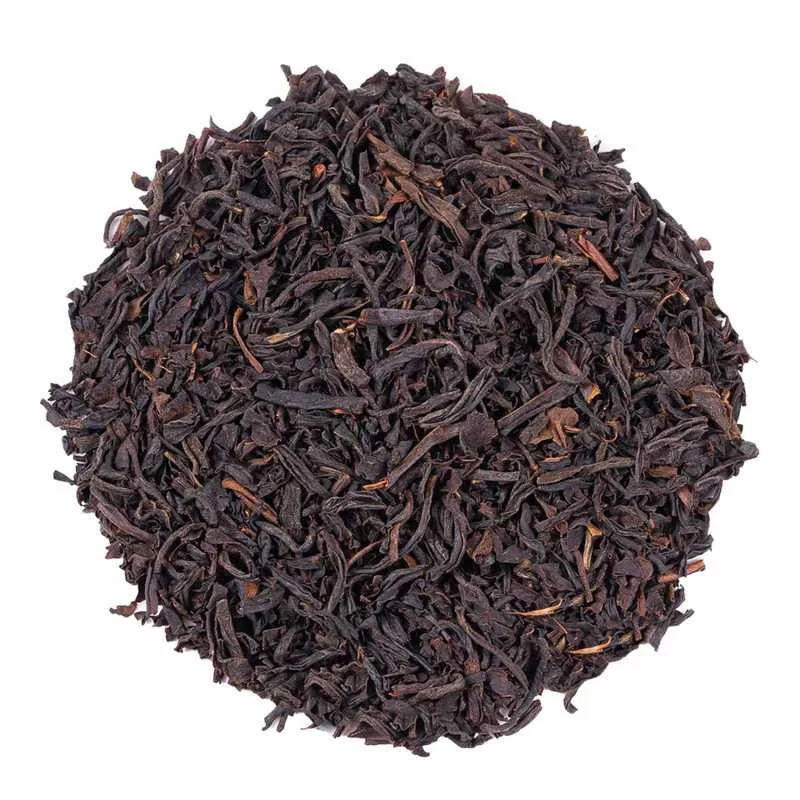
Organic Assam TGFOP Second Flush Rembeng
In this guide, we'll walk you through the essential principles of tea storage – protecting against light, air, moisture, and odors – and share practical tips on choosing the right container, positioning your tea in the kitchen, and knowing when to enjoy your tea at its peak. By the end, you'll be equipped to store loose leaf tea like a connoisseur, ensuring every cup tastes as vibrant as the day it was harvested.
Why Proper Storage Matters for Loose Leaf Tea
Tea leaves are hygroscopic, meaning they readily absorb moisture and odors from their surroundings. They are also sensitive to light and oxygen, which can degrade the polyphenols and volatile compounds responsible for flavor and aroma. Without proper storage, your tea can become stale, flat, or even develop off-flavors. For organic teas, which are grown without synthetic pesticides, preserving their natural character is especially important.
The enemy of freshness is a combination of four factors: light, air, moisture, and heat. Exposure to any of these can accelerate oxidation and degrade the quality of your leaves. For example, green and white teas, which are minimally processed, are particularly susceptible to light and heat. On the other hand, fully oxidized black teas like Assam are a bit more forgiving but still require protection from air and moisture.
- Light: UV rays can break down tea's catechins and chlorophyll, leading to faded color and dull taste.
- Air: Oxygen triggers oxidation, which can make tea taste stale and lose its vibrancy.
- Moisture: Humidity can cause mold and spoilage, especially in herbal blends.
- Odors: Tea easily absorbs strong smells from spices, coffee, or cleaning products.
Choosing the Right Container for Tea Storage
The best tea containers are airtight, opaque, and food-safe. Popular options include ceramic jars with tight-fitting lids, stainless steel canisters, and dark glass jars with airtight seals. Avoid clear glass or plastic containers that let in light, as they can compromise the quality of your tea. If you do use glass, store it in a dark cupboard or pantry.
When selecting a container, consider the size. You want a container that fits your tea with minimal headspace, as excess air can cause faster staleness. For everyday use, a small canister that holds a week's worth of tea is ideal, while larger containers can be used for bulk storage in a cool, dark place. Remember to label your containers with the tea type and purchase date to keep track of freshness.
- Ceramic and stainless steel are excellent choices for their opacity and airtightness.
- If you use glass, choose dark-colored or amber glass and store in a dark place.
- Avoid metal containers that are not food-grade, as they may impart a metallic taste.
The Ideal Storage Environment: Cool, Dark, and Dry
Tea should be stored in a cool, dark, and dry place, away from heat sources like ovens, stoves, and direct sunlight. The ideal temperature range is between 60°F and 75°F (15°C to 24°C). A pantry or a dedicated tea cabinet is perfect. Avoid storing tea near the refrigerator or freezer, as the fluctuating temperatures and moisture can harm the leaves.
Humidity is another critical factor. Aim for a relative humidity of 60% or lower. In humid climates, consider using a desiccant like silica gel packets (food-grade) inside your tea container. However, be cautious not to let the desiccant touch the leaves directly. Also, keep your tea away from strong-smelling items like spices, coffee, or cleaning supplies, as tea will absorb these odors.
- Store tea in a cool, dark cupboard away from the stove or dishwasher.
- Use a hygrometer to monitor humidity if you live in a humid area.
- Keep tea in its original packaging if it is resealable and opaque, or transfer to an airtight container.
How Long Does Loose Leaf Tea Stay Fresh?
The shelf life of loose leaf tea varies by type. Green and white teas are best enjoyed within 6-12 months of harvest, as they are delicate and lose their freshness quickly. Oolong and black teas can last 1-2 years with proper storage, while pu-erh and some herbal teas can improve with age if stored correctly. However, even long-lasting teas will eventually lose their peak flavor.
To determine if your tea is still fresh, use your senses. Fresh tea leaves have a vibrant aroma and a lively color. If the leaves smell musty, flat, or like the container they've been in, they've likely gone stale. Similarly, if the brewed cup tastes dull or lacks the characteristic notes, it's time to replace your stash. For organic teas, freshness is even more critical because they lack preservatives.
- Green and white teas: 6-12 months
- Oolong and black teas: 1-2 years
- Pu-erh and herbal teas: 2+ years (some improve with age)
Practical Tips for Everyday Tea Storage
To make tea storage a habit, follow these practical tips. First, only open your tea containers long enough to scoop out the leaves, then seal them immediately. Avoid leaving the lid off while brewing. Second, use a clean, dry spoon or scoop to handle the leaves, as moisture from your hands can introduce humidity. Third, consider buying tea in smaller quantities so you can consume it within its optimal freshness window.
If you enjoy a variety of teas, keep each type in its own dedicated container to prevent cross-contamination of aromas. For example, store your Organic Jasmine Silver Needle separately from your Organic Pu Erh Tea. And if you have a favorite tea that you drink daily, like a robust Organic Assam TGFOP Second Flush Rembeng, keep it in a convenient, smaller canister for quick access, while storing the rest in a larger, airtight container in a cool place.
- Use a dedicated scoop for each tea to avoid mixing flavors.
- Break off a small portion of compressed teas like pu-erh and store the rest separately.
- If you buy in bulk, divide into smaller portions for daily use and store the rest in a cool, dark place.
Storing loose leaf tea properly is a simple yet crucial step to enjoying the full flavor and benefits of your favorite organic teas. By protecting your leaves from light, air, moisture, and odors, you can extend their shelf life and ensure every cup is as delicious as the first. For an exceptional tea experience, explore our collection of premium organic teas, such as the delicate Organic White Peony (Pai Mu Tan) or the invigorating Organic Minttox, and remember to store them with care.