Quick answer
Store loose leaf tea in a small, airtight, opaque container kept in a cool, dark, dry place, and use it within six to twelve months for the best flavor. Light, heat, moisture, and air are the main enemies, so avoid glass jars on sunny shelves and never store tea above the stove or in the fridge. If you buy tea bags, keep them in their sealed wrapper or an airtight container until you brew.
Why storage decides how your tea tastes
Tea leaves are dried but not inert. Their aromatic oils and delicate compounds react with oxygen, light, heat, and humidity. When those oils fade, the tea tastes flat, stale, or like dry hay instead of the green, earthy, or sweet notes you paid for. Moisture is worse than simple fading: damp leaves can grow mold, and even a little steam from a kettle can shorten their usable life. That is why the container and the spot you choose matter as much as the tea itself.
Pick the right container for the job
The best container is small, airtight, and opaque. A tin with a double lid or a silicone-gasket clamp jar blocks air and light. Clear glass looks nice but lets light through, so if you use it, keep it inside a dark cabinet. Match the container size to how much tea you actually use in a month or two; a half-empty large tin holds more air, and more air means faster staling. If you buy tea bags, the individual wrapper is a decent short-term barrier, but once you open the box, move the bags to an airtight container or keep the inner bag tightly folded and clipped.
Choose a cool, dark, dry spot
A closed pantry or cupboard away from the stove, sink, and dishwasher is ideal. Heat speeds up the reactions that flatten flavor, and steam from cooking or washing dishes adds moisture. The refrigerator seems cool, but it is humid and full of food odors that tea absorbs easily; the freezer is worse because repeated thawing creates condensation. If you live in a very hot climate and have no cool cupboard, a wine fridge or a dedicated tea fridge set at a stable temperature is a better compromise than the kitchen fridge.
Step-by-step tea storage routine
- Start with dry leaves and dry hands: Scoop tea with a clean, completely dry spoon or a dedicated tea scoop. Never use a wet spoon, and never let steam from a just-boiled kettle drift into the open container. Mistake to avoid: dipping a damp spoon back into the tin. Even a few drops of water can start mold in a week or two.
- Match the container to the amount you will use: Move the tea into the smallest airtight, opaque container that holds it comfortably. If you keep the original bag, squeeze out excess air and clip it shut, then place it inside a tin. Checkpoint: if the container is less than half full, either use a smaller tin or plan to finish the tea within a month.
- Label the container with the purchase date: Write the date you opened the tea on the lid or a piece of tape. This is the only reliable way to know how long it has been sitting, since most tea packages do not print an opened-on date. Mistake to avoid: trusting your memory. A quick label prevents you from brewing two-year-old leaves by accident.
- Store in a cool, dark, dry cupboard: Choose a shelf away from the stove, oven, sink, and dishwasher. Keep the container closed between uses and do not leave it open on the counter while you brew. Checkpoint: the spot should feel room temperature or cooler, not warm to the touch.
- Keep strong-smelling items away: Tea leaves absorb nearby odors. Do not store tea next to spices, coffee, onions, or cleaning supplies, even if the container seems sealed. Mistake to avoid: assuming a screw-top tin is odor-proof. Many are not, so give tea its own shelf if you can.
- Review your stash every few months: Open each container, smell the leaves, and look for clumping or fuzz. Good tea smells like the dry leaf you bought; stale tea smells like paper or hay, and moldy tea smells musty and should be discarded. Next step: finish older teas first by moving them to the front of the shelf, and buy smaller amounts of the teas you drink slowly.
Product facts
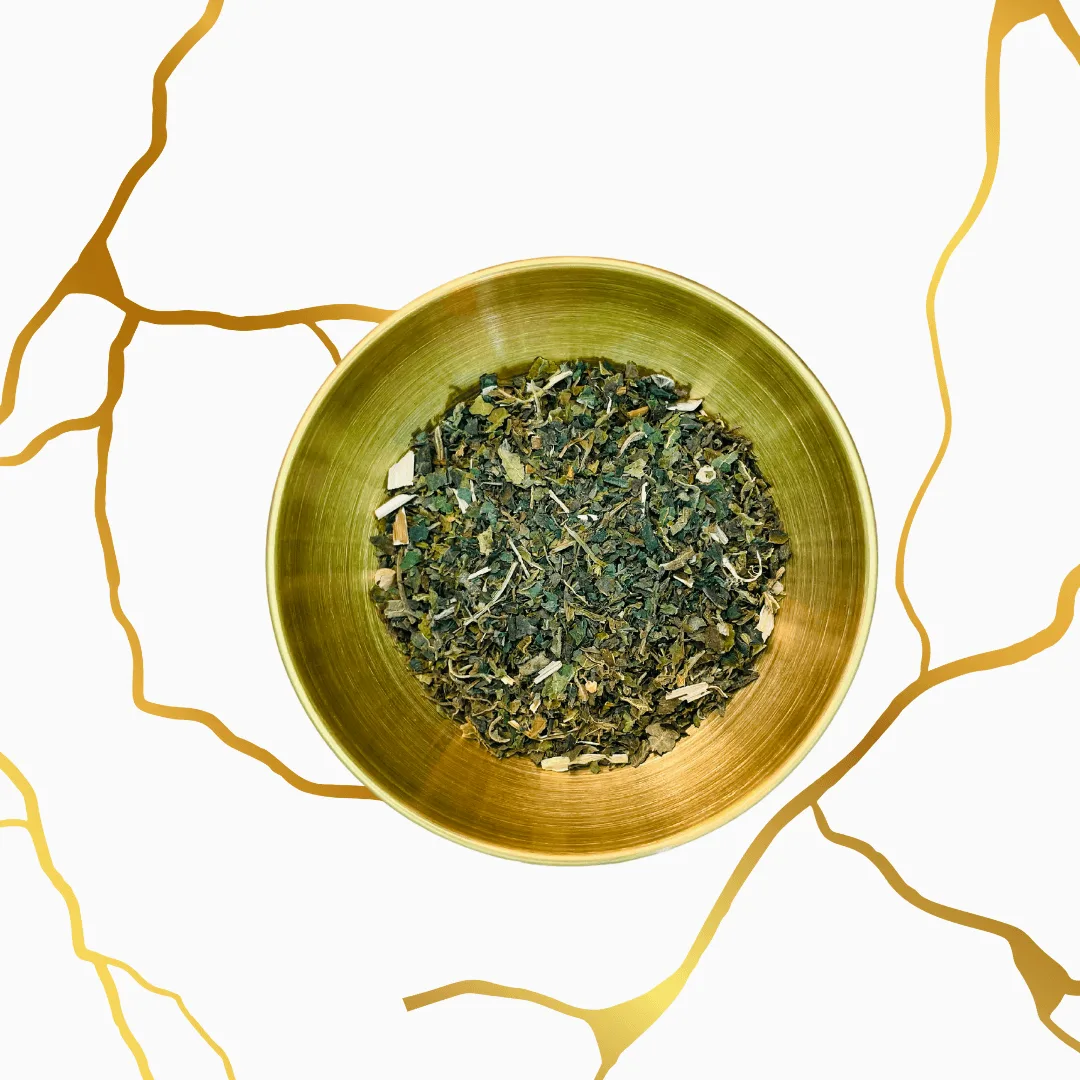
- Nettle Leaf Tea (Organic): Nettle Leaf Tea (Organic) is 1 oz of organic nettle leaf (Urtica dioica) and brews with 8–12 oz of boiling water over 1 tsp, steeped 3–4 minutes. A 1 oz pouch is a small quantity, so it fits a small tin and is easy to use up before the leaves go stale. The short 3–4 minute steep also means you are tasting the leaf itself, so storage quality shows up quickly in the cup.
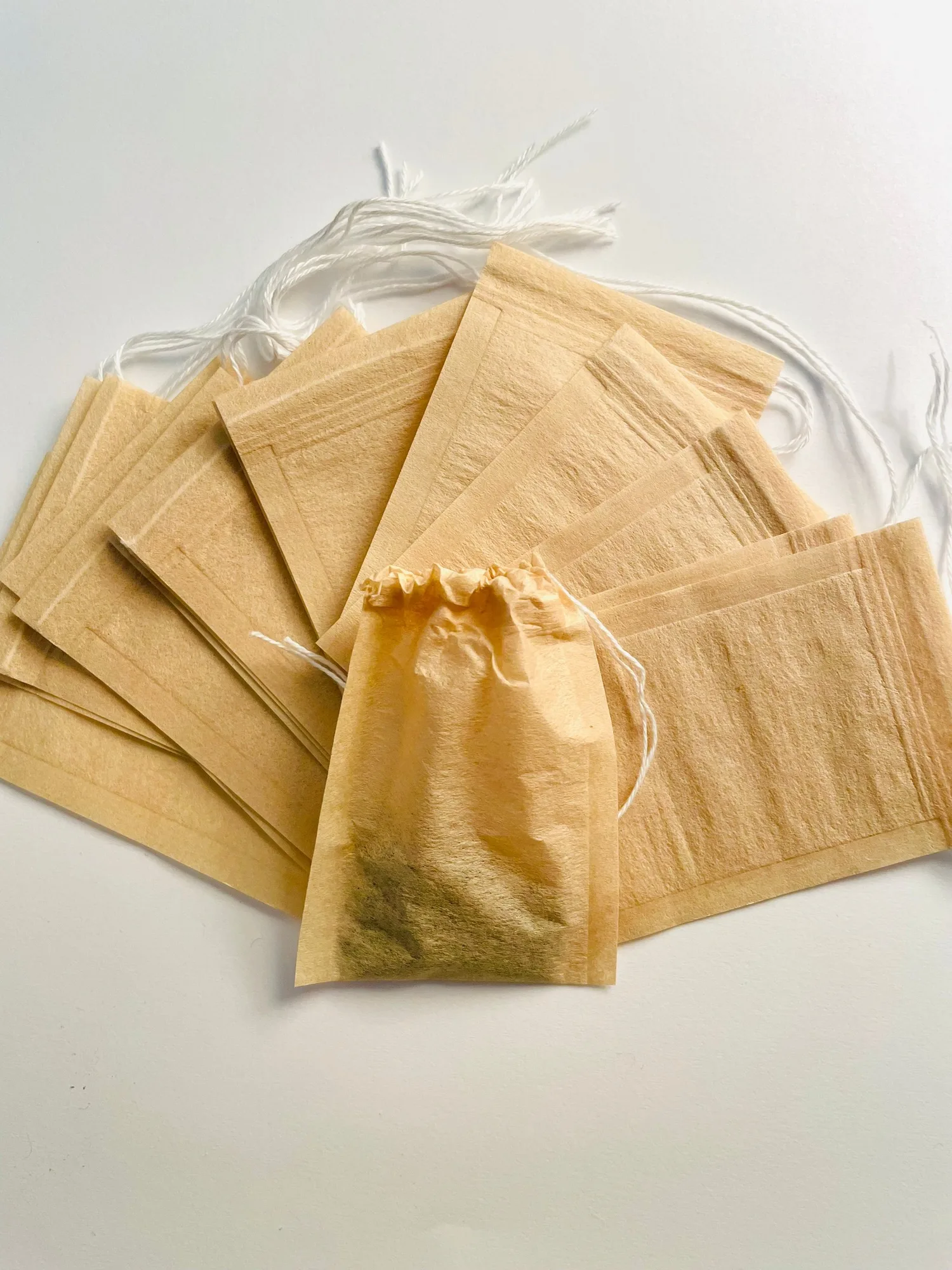
- Tea bags: Tea bags come as a box of 30 individually wrapped bags from the KintsugiSmiles brand, designed for simple, consistent brewing and easy storage. Individually wrapped bags already have a light and air barrier, so they are convenient for an office drawer or a small kitchen. Once the box is open, keep the remaining bags sealed or move them to an airtight container to protect the flavor.