Quick answer
Eugy 3D puzzles are flat-packed cardboard models you build by punching out numbered pieces and slotting them together, usually in 20 to 40 minutes. They suit roughly ages 6 and up with light help, and ages 8 and up independently. They are best for kids and adults who like collecting small animal figures and want a build that ends in something displayable, not a one-and-done jigsaw.
Eugy 3D puzzles sit in a useful middle ground: more structured than free building blocks, less involved than a large model kit. The pieces arrive flat, you pop them out, match the numbers, and stack them into a small animal that holds its shape on a shelf.
That format raises practical questions before you buy. How much adult help is realistic? Do the pieces stay together? What do you actually get for the price? Here are the answers readers ask most, based on how the puzzles are built and how they compare with other cardboard 3D puzzles.
How does an Eugy puzzle actually go together?
Each Eugy model is printed on flat cardboard sheets with pre-cut pieces and small numbered tabs. You push the pieces out, then follow the numbered sequence to slot tab into slot, building from the base upward. The layers stack to create the animal's body, head, and details.
Most builds take roughly 20 to 40 minutes depending on the animal and the builder's experience. No glue is required, and the finished model is sturdy enough to stand on a desk or shelf. The numbered order matters more than force: if a piece resists, you are usually one step ahead of where you should be.
- Keep the sheets flat until you start so pieces do not bend.
- Work on a tray or shallow box so small pieces do not roll away.
- Build on a hard, flat surface rather than a rug or bed.
What age range are Eugy puzzles best for?
A practical split: ages 6 to 7 can build with an adult sitting alongside, ages 8 to 10 can usually build independently, and older kids and adults often enjoy them as quick collectible projects. The main constraint is fine motor control and patience with small tabs, not reading level.
If your child gets frustrated by puzzles that require precise alignment, start with a simpler animal shape and build together the first time. Once they understand the tab-and-slot logic, most kids can repeat the process on their own with a new model.
- Ages 6-7: adult help recommended for the first build.
- Ages 8-10: independent building is realistic for most models.
- Ages 11 and up: good short project, especially for collectors.
Do Eugy models stay together once built?
Yes, the slot-and-tab construction is designed to hold without glue, and the finished model can be displayed or handled gently. That said, cardboard is cardboard: repeated rough play, dropping, or bending will loosen tabs over time. Treat them as display pieces rather than action toys.
If a tab works loose, you can usually reseat it by gently pressing the piece back into its slot. For long-term display, keep them out of direct sun and away from damp areas, since moisture is the main enemy of any cardboard 3D puzzle.
- Display on a shelf rather than in a toy bin.
- Handle by the base, not the head or tail.
- Store completed models away from humid rooms.
Are Eugy puzzles a good collectible for kids or adults?
They work well as a collectible because each model is a distinct animal in a consistent style, so a row of them looks intentional on a shelf. The builds are short enough that collecting does not require a huge time commitment, which is a big part of the appeal for both kids and adults.
If you want a collectible that also teaches something, pair an animal model with a reference book on the same subject. A small guide like DK Pocket Genius: Earth, which profiles more than 180 of Earth's features including volcanoes, rivers, and weather, gives context for animal and habitat questions that come up while building.
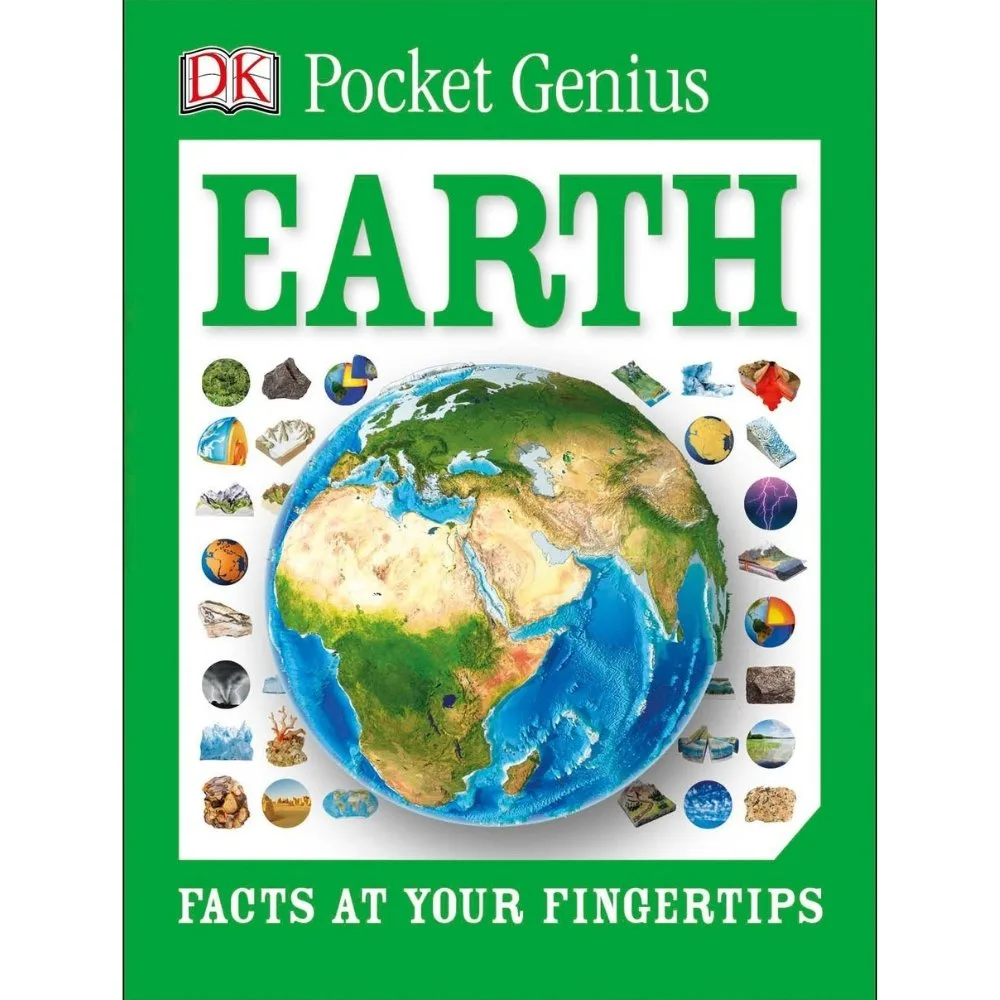
DK Pocket Genius: Earth
- Pick a theme, such as ocean animals or woodland animals, for a cohesive shelf.
- Keep the numbered sheets if you might rebuild later.
- Label the base with the build date if it is a gift or milestone.
How do Eugy puzzles compare with other cardboard 3D puzzles?
Most cardboard 3D puzzles fall into two camps: flat interlocking puzzles that build a scene, and slot-together models like Eugy that produce a single object. Eugy leans toward the collectible model side, with a smaller piece count and a faster build than large architectural kits.
If your goal is a shared family activity that lasts an afternoon, a bigger interlocking puzzle may fit better. If your goal is a short, repeatable project that ends in something you can display and collect, the Eugy format is the stronger match.
- Choose Eugy for displayable animal models.
- Choose larger 3D puzzles for long group sessions.
- Both formats benefit from a flat, well-lit workspace.
What else should you know before buying?
Eugy puzzles are sold as individual models, so the cost per build is higher than a single large puzzle but lower than most model kits. That makes them a reasonable small gift, party favor, or travel activity, especially since the flat packaging packs easily.
One honest limitation: because the models are small and the tabs are fine, they are not a good fit for toddlers or for kids who still put small parts in their mouths. For that age group, a chunky wooden puzzle or a soft book is a safer choice.
- Good for gifts, travel, and rainy afternoons.
- Not suitable for children still mouthing small parts.
- Check the specific animal shape before buying if your child has a strong preference.
Quick answers to common Eugy questions
How long does one Eugy puzzle take?
Most builds take about 20 to 40 minutes from punching out the pieces to the finished model, depending on the animal and the builder's experience. Plan one build per sitting rather than spreading it across days.
Do you need glue or tools?
No. The pieces slot together by hand using numbered tabs, and the finished model holds its shape without adhesive. Keep a flat tray nearby to catch pieces as you punch them out.
What age is the sweet spot?
Ages 6 to 7 work best with an adult helping, ages 8 to 10 can usually build alone, and older kids and adults enjoy them as collectible projects. Start with a simpler animal shape for a first build.
Are they reusable?
You can carefully disassemble and rebuild a model, but repeated rebuilding loosens the cardboard tabs over time. Treat finished models as display pieces, not everyday toys.
Related products that pair well with Eugy builds
- DK Pocket Genius: Earth: This compact reference profiles more than 180 of Earth's features, including volcanoes, rivers, and weather, and answers questions like what causes an earthquake. It gives kids a quick way to look up habitat and earth science questions that come up while building animal models.
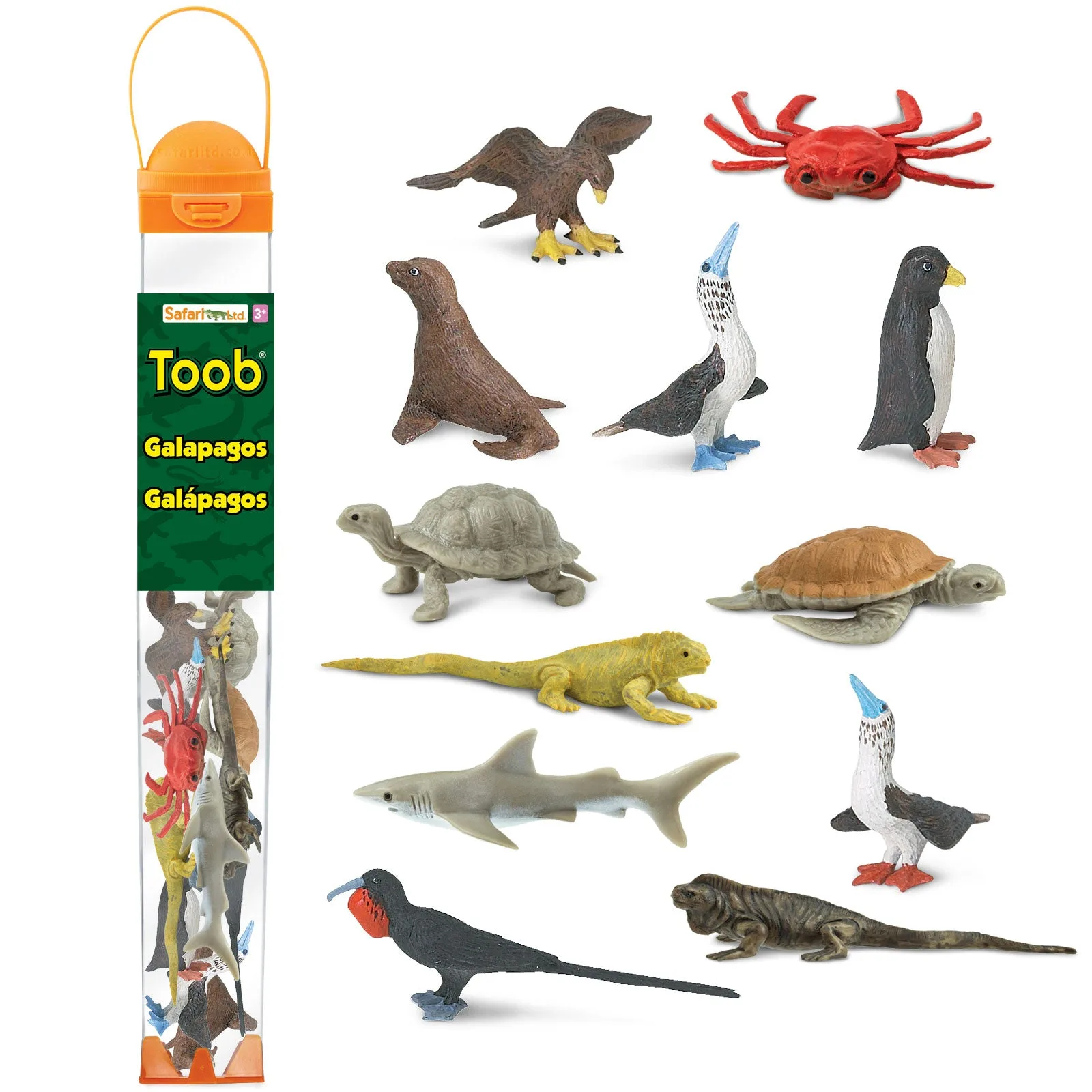
- Galapagos TOOB®: The set includes a seal, blue-footed booby, penguin, hawk, land tortoise, red-footed booby, frigate, land iguana, sea turtle, crab, shark, and water iguana, all individually hand painted. It extends the animal theme into small-world play and comparison after a build, and the mix of flyers, swimmers, and crawlers invites sorting and matching games.
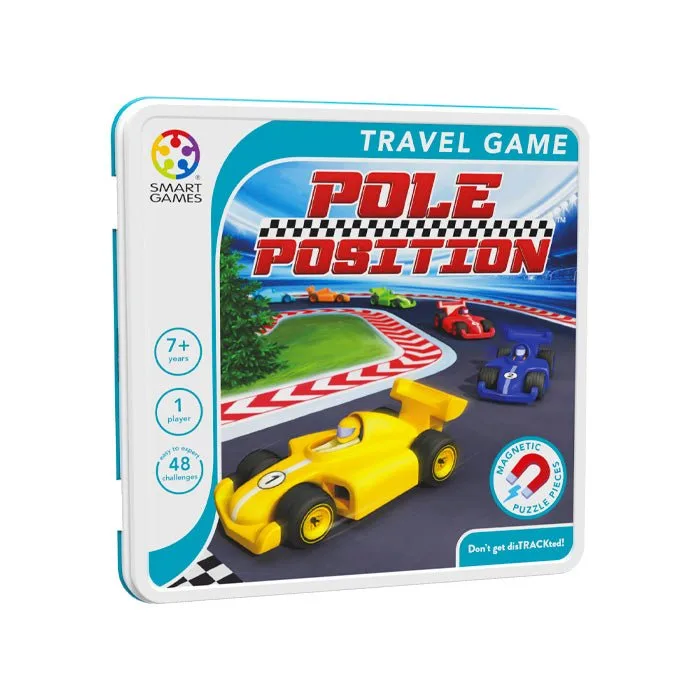
- Pole Position: A 3D tin travel game with magnetic racing cars and 48 challenges across 6 tracks, for ages 7 and up. If your child likes compact, challenge-based play, this is a good travel companion alongside a build-at-home puzzle.
Eugy 3D puzzles reward a specific kind of builder: someone who wants a short, tidy project that ends in a small animal model worth keeping on a shelf. If that sounds like your kid or yourself, start with one model, build it together the first time, and see whether the collecting habit takes hold.