Quick answer
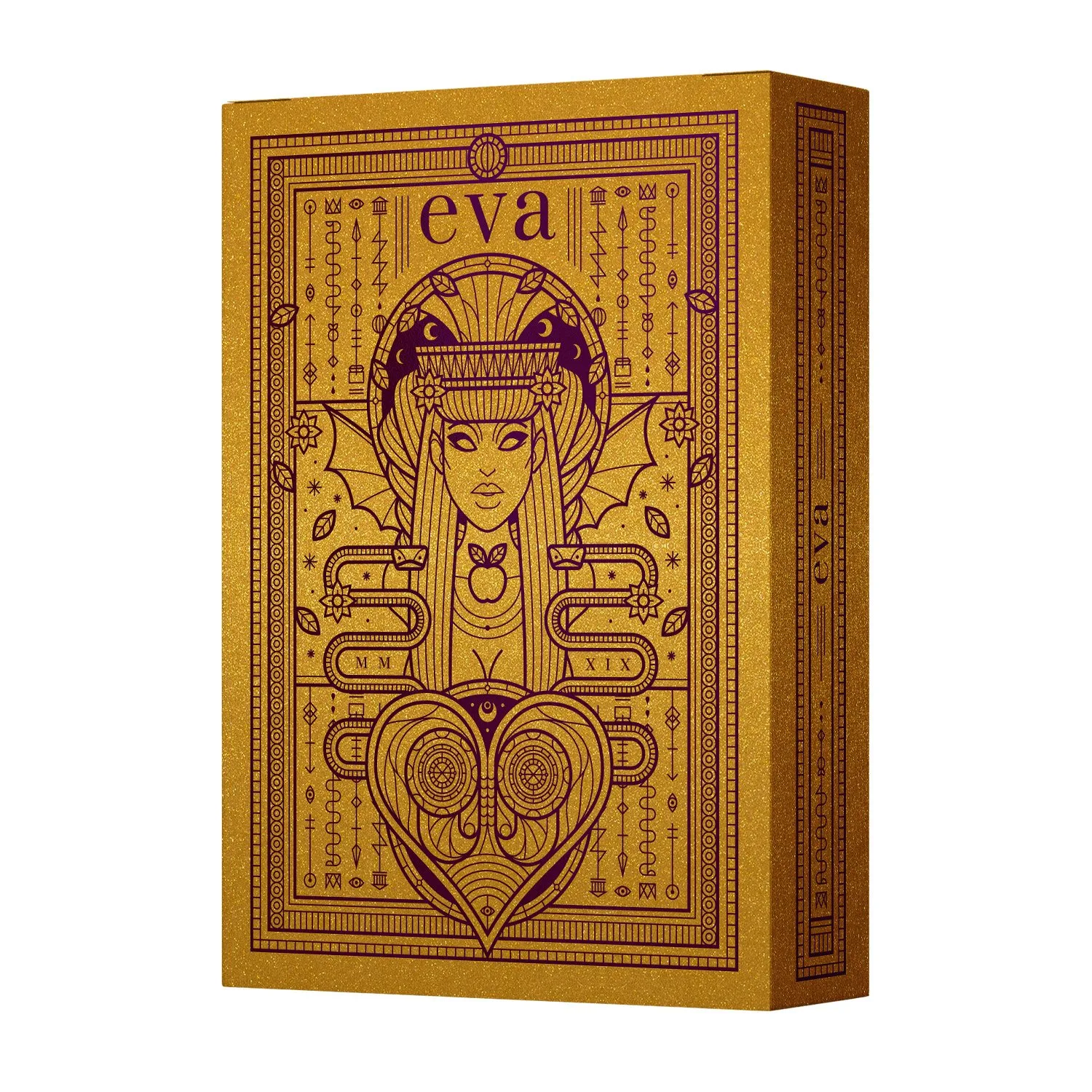
Eva Paradis is a permanently sold-out limited edition of the Eva deck, distinguished mainly by its experimental tuckbox made with metallic golden paper, magenta foil, and embossing. Both decks share the same USPCC printing and four metallic inks on a black background. If you want a sealed Paradis, you are shopping the secondary market; if you want the Eva artwork without the hunt, the standard Eva deck is the practical choice.
What actually separates the two Eva decks
The Eva line starts with Eva Noire, a black-background deck printed by USPCC with four different metallic inks on the cards. Eva Paradis is the limited edition of that same deck, and the catalog facts show the difference is concentrated in the packaging: Paradis uses an experimental tuckbox made from metallic golden paper with magenta foil and embossing. The card printing and ink count are shared, so the artwork differences between the two are not in the print method. The catalog does not list a separate card-back or face redesign for Paradis, so treat any claim of unique card art as unverified.
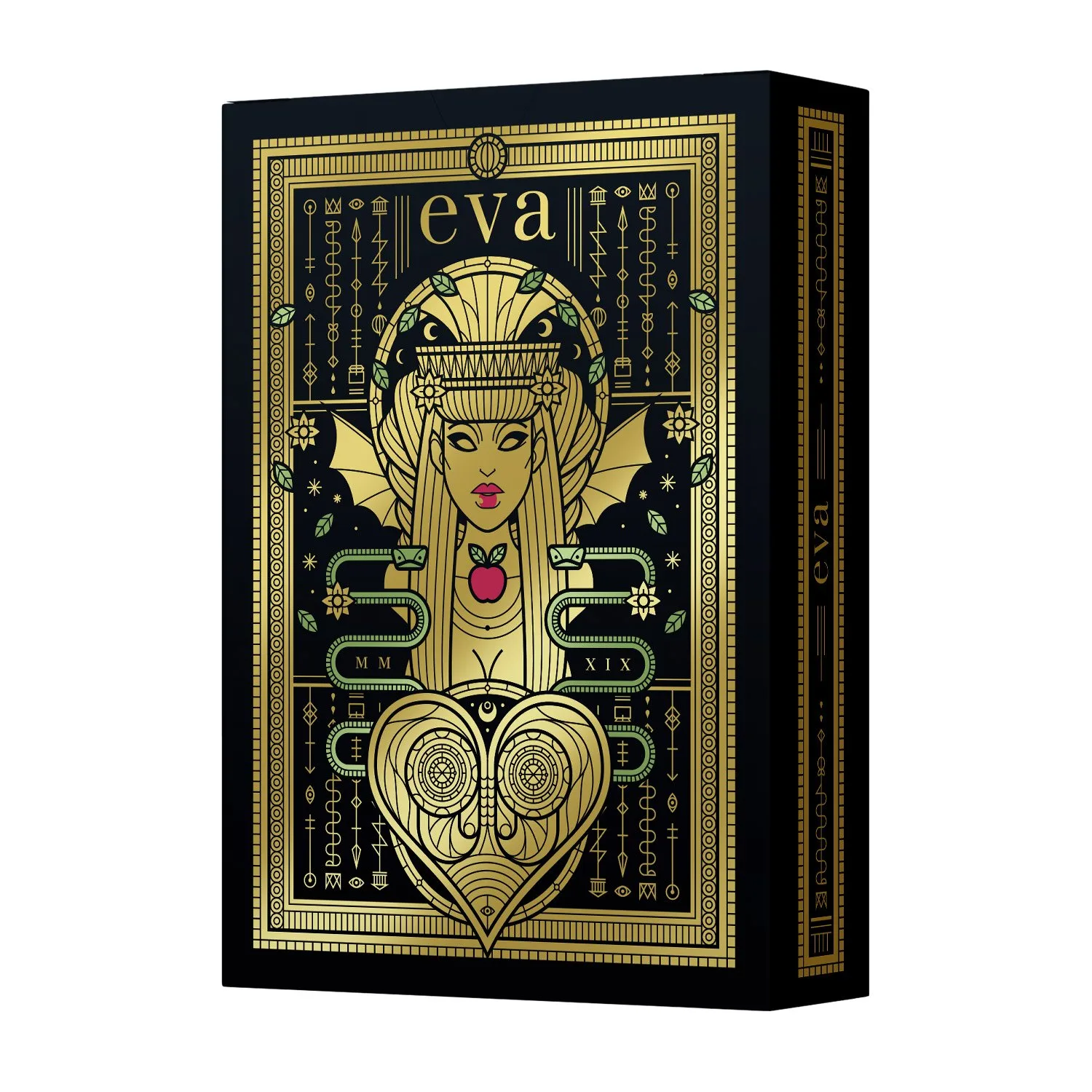
Eva Noire
How the print run shapes your decision
Fewer than 350 decks of Eva Paradis were made, and each one is sealed and numbered. That number is the core of the comparison: a numbered run under 350 puts Paradis in a different collecting bracket than an open-ended deck. The trade-off is availability. Because Paradis is permanently sold out and will not be restocked, your only route is the secondary market, where you are paying for the number, the seal, and the experimental box rather than for a different playing experience. If you open and play with your decks, that premium buys you very little.
Where the standard Eva deck fits
The standard Eva deck gives you the same USPCC printing and the same four metallic inks on a black background without the numbered-run premium. For collectors who want the Eva artwork on the table, that is the sensible entry point. For anyone who specifically wants the Paradis box, the comparison is not really Eva versus Paradis on cards; it is a packaging and scarcity decision. If the Paradis box is the reason you are interested, be honest about that before you pay a sold-out premium.
What the catalog does not tell you
The supplied facts do not include card stock, finish, or exact face-card artwork for either deck, and they do not state whether the Paradis cards differ from the standard Eva cards beyond the box. Do not assume a different stock or a hidden gilding. If a seller claims a specification that is not in the official product description, ask for a photo of the tuckbox and the numbered seal before buying. That single step prevents most Eva Paradis mistakes.
Trade-offs at a glance
- Eva Paradis: scarcity vs. access: Fewer than 350 numbered decks and a permanently sold-out status make Paradis a genuine limited edition, but that same status means no retail restock and secondary-market pricing. Buy only if the number and box matter more than the cards themselves.
- Eva Paradis: experimental box vs. standard Eva cards: The catalog difference is the metallic golden paper, magenta foil, and embossed tuckbox. Both decks share USPCC printing and four metallic inks on a black background. If you want the artwork to play with, the standard Eva deck delivers the same print story for less.
- Eva Paradis: collector value vs. playability: A sealed, numbered deck is best kept sealed. Once opened, the number still exists but the sealed premium is gone. Decide before purchase whether you are collecting or playing, and buy accordingly.
Product facts behind this comparison
- Eva Paradis: Eva Paradis is the limited edition of Eva Noire with an alternative experimental tuckbox made from metallic golden paper with magenta foil and embossing. Fewer than 350 decks were made, sealed and numbered, printed by USPCC with four different metallic inks on a black background. The numbered run under 350 and the experimental box are the entire reason to choose Paradis over the standard Eva deck. It is permanently sold out, so any purchase is secondary market and should be verified by the seal and number.
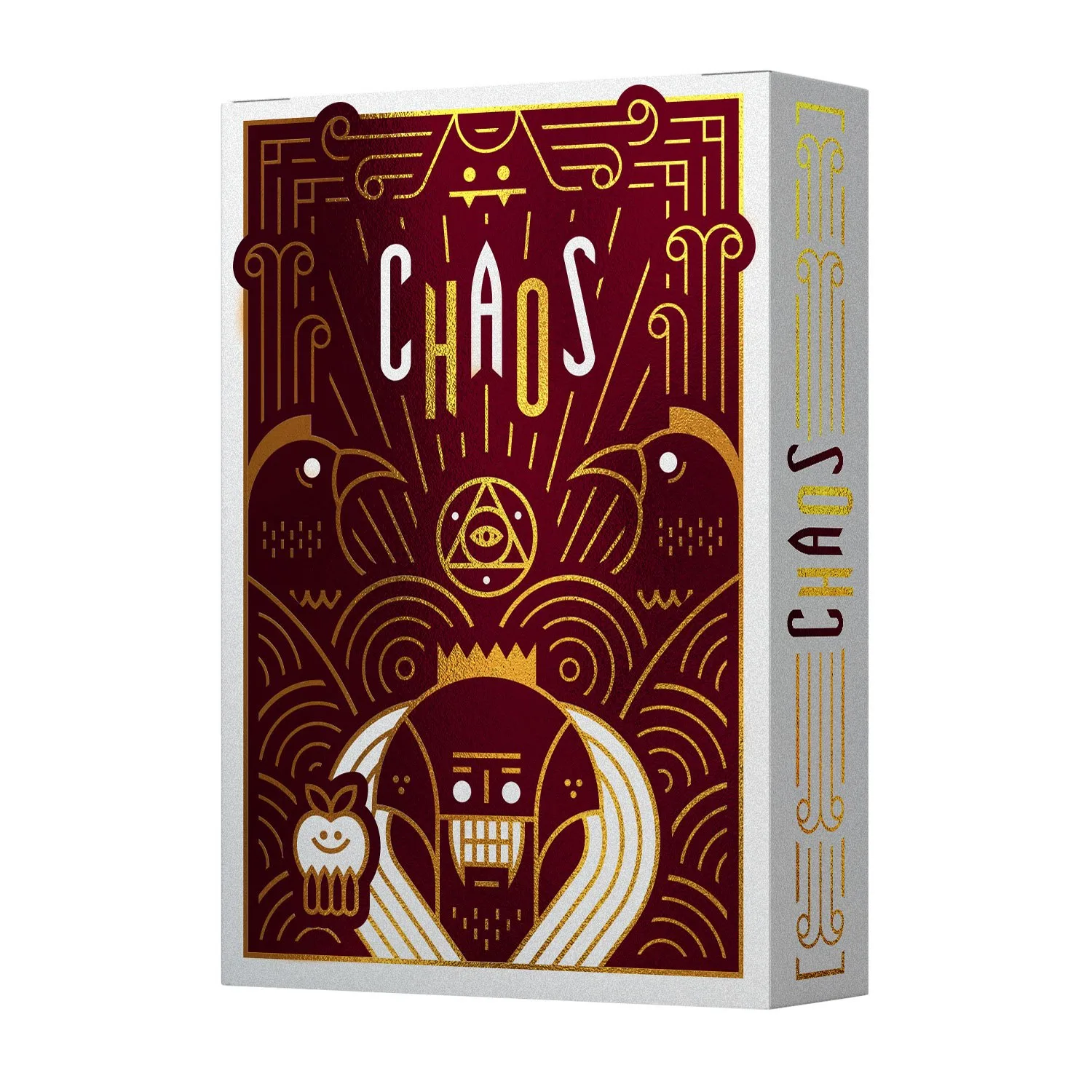
- Nameless Tyranny: Nameless Tyranny is a Chaos deck with gold hot foil on both front and back of the cards, a box printed by Boschiero and Newton with four or more foils, cards printed by WJPC, and a limited run of fewer than 700 copies. If you like the Eva look but want a deck you can actually buy and open, Nameless Tyranny offers heavy foil work and a larger limited run without the sold-out Paradis premium.
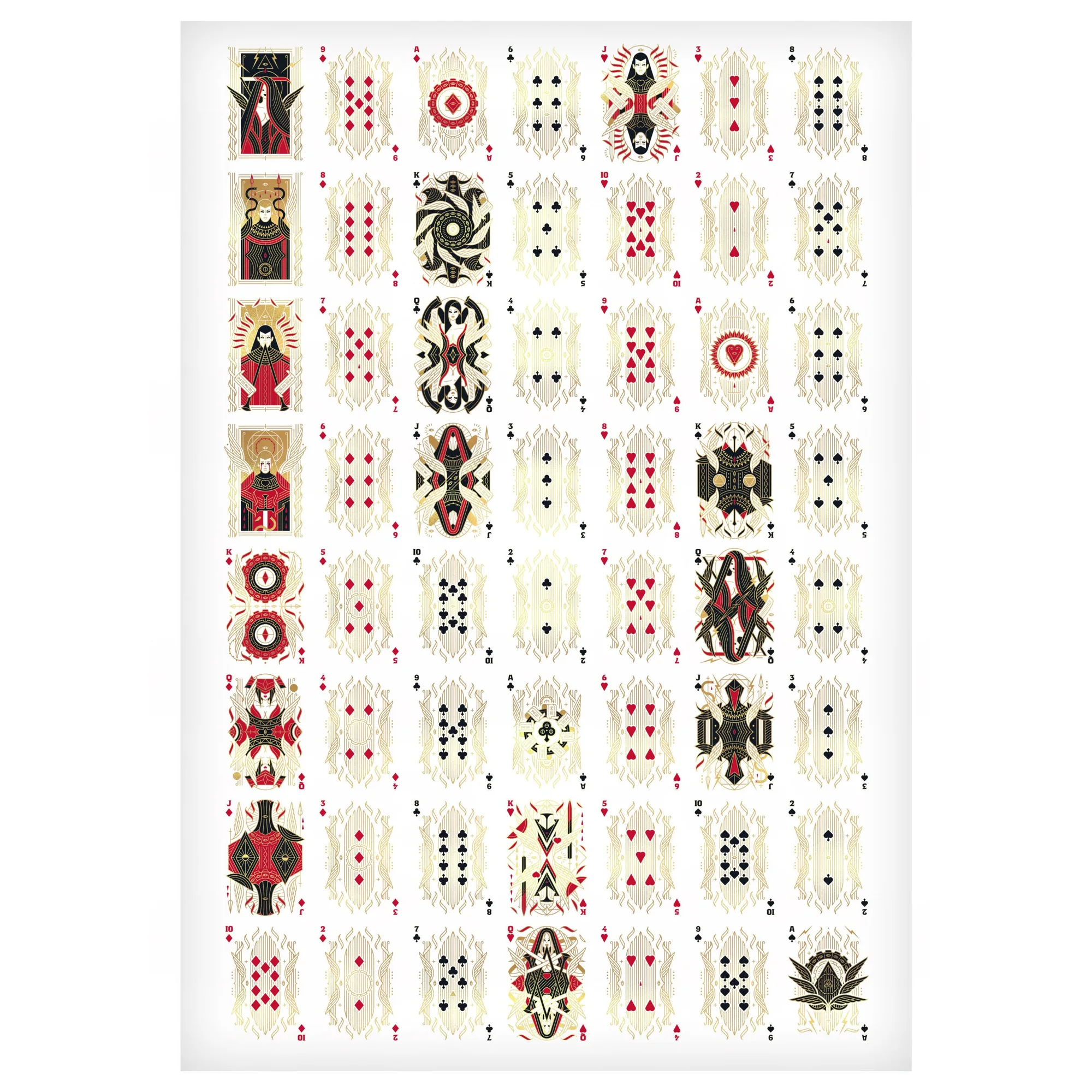
- Ira Dei Uncut: Ira Dei Uncut is an authentic uncut sheet of Celestial playing cards pulled from the press before cutting and boxing, printed by Kingstar with gold hotfoil on both sides and sold without a frame. For collectors who want Eva-adjacent display art rather than a playable deck, an uncut sheet gives you the celestial artwork on the wall without hunting a numbered Paradis.
Which Eva deck should you choose?
Best for
- Collectors who specifically want the numbered, under-350 Paradis run and the experimental metallic golden box
- Buyers who keep decks sealed and value the magenta foil and embossing as display pieces
- Shoppers who already own Eva Noire and want the packaging variant to complete the set
Not for
- Anyone who wants to open and shuffle the deck, since the standard Eva deck shares the same USPCC print and inks
- Buyers unwilling to shop the secondary market or pay a sold-out premium for a numbered seal
- Shoppers looking for a different card design, because the catalog does not list unique Paradis card art