Quick Answer
Most everyday brief discomfort comes from one of three things: the wrong size, a fabric that traps heat or feels scratchy against your skin, or a waistband and leg opening that sit in the wrong place. Check the size first, then the fabric blend, then the cut. If a brief passes all three checks and still bothers you, that style is simply not your fit, and switching cuts is the honest fix.
Start With the Size, Not the Style
Before you blame the cut, confirm the size. A brief that is too small will ride up because there is no room for the fabric to stay put, and a brief that is too large will bunch and twist. Measure your hips at the fullest point and compare that number to the brand's size chart, not to the size you wear in another brand. Sizing varies more in underwear than in almost any other garment because stretch recovery differs by fabric.
If you are between sizes, size up for full-coverage briefs and stay true to size for styles with a high elastane content. Elastane gives the fabric memory, so it returns to shape instead of stretching out and sagging. A brief that sags will slide, and sliding is what most people describe as riding up.
- Measure hips, not waist, for brief sizing.
- Size up if you are between sizes and want full coverage.
- Check the elastane percentage: more elastane means better shape recovery.
Why Some Fabrics Feel Scratchy
Scratchiness usually comes from two sources: a lace or trim edge that rubs, or a synthetic fabric that does not breathe. Lace feels scratchy when the thread is stiff or when the edge sits directly on a crease. Mesh and modal blends feel smoother because the fibers are finer and more flexible. If your briefs feel scratchy only after a few hours, the issue is likely moisture and heat trapped against the skin, not the fabric itself.
Washing matters here too. Fabric softener leaves a coating that can make modal and lace feel stiff, and hot water breaks down elastane so the brief loses its stretch. Wash in cool water and skip the softener. If a brief still feels rough after a cool wash and air dry, the fabric is not right for your skin, and no amount of adjusting will change that.
- Skip fabric softener; it coats fibers and reduces softness.
- Wash cool and air dry to protect elastane.
- If scratchiness persists after one cool wash, change the fabric, not the size.
The Waistband and Leg Opening Checks
A waistband digs in when it is too narrow for the weight it holds, or when it sits at the wrong height for your torso. A wide, soft elastic band distributes pressure better than a thin one. If the band leaves a red mark that fades within an hour, that is normal. If the mark lasts longer or feels painful, the band is too tight or too narrow.
Leg openings cause a different problem: they ride up when the elastic is too loose or when the cut does not match your hip shape. A cheeky cut will move more than a full-coverage brief because there is less fabric to anchor it. If you want zero movement, choose full bum coverage. If you accept some movement in exchange for less fabric, a cheeky cut is fine, but do not expect it to stay perfectly in place all day.
- A red mark that fades within an hour is normal; a lasting mark is not.
- Full bum coverage moves less than cheeky cuts.
- Wide waistbands distribute pressure better than narrow ones.
When to Stop Adjusting and Switch Styles
If you have checked the size, washed the brief correctly, and confirmed the waistband and leg openings are not too tight, but the brief still feels uncomfortable, stop adjusting. Some discomfort is a fit mismatch that no alteration will fix. The most common mismatch is wearing a style designed for a different purpose: a lounge brief worn under tight trousers, or a lace brief worn for a long active day.
Switch to a brief with a smoother fabric and a wider waistband for daily wear, and keep the lace or cheeky styles for shorter, lower-movement days. This is not a failure of the brief; it is a mismatch between the brief and the day. Once you know which style suits which activity, comfort becomes predictable instead of a daily gamble.
- Stop adjusting after two failed fixes; the style is the problem.
- Match fabric and coverage to the day's activity.
- Keep lace and cheeky cuts for low-movement days.
Comfort Diagnosis: Match the Symptom to the Fix
- Riding up: The brief is likely too small, has too little elastane, or is a cheeky cut with less fabric to anchor it. Check the size chart and the elastane percentage. If both are correct, the cut is the cause. If it still rides up after a size check, switch to full bum coverage.
- Scratchy or itchy: Lace trim, stiff fibers, or trapped heat and moisture are the usual causes. Wash once in cool water without softener. If the feel does not improve, the fabric is wrong for your skin. Persistent scratchiness means change the fabric, not the size.
- Waistband digging in: The band is too narrow, too tight, or sitting at the wrong height. A wider elastic band spreads pressure. A red mark that fades within an hour is normal; a lasting mark is not. If a wider band still digs in, size up or try a different rise.
Briefs That Address Common Comfort Issues
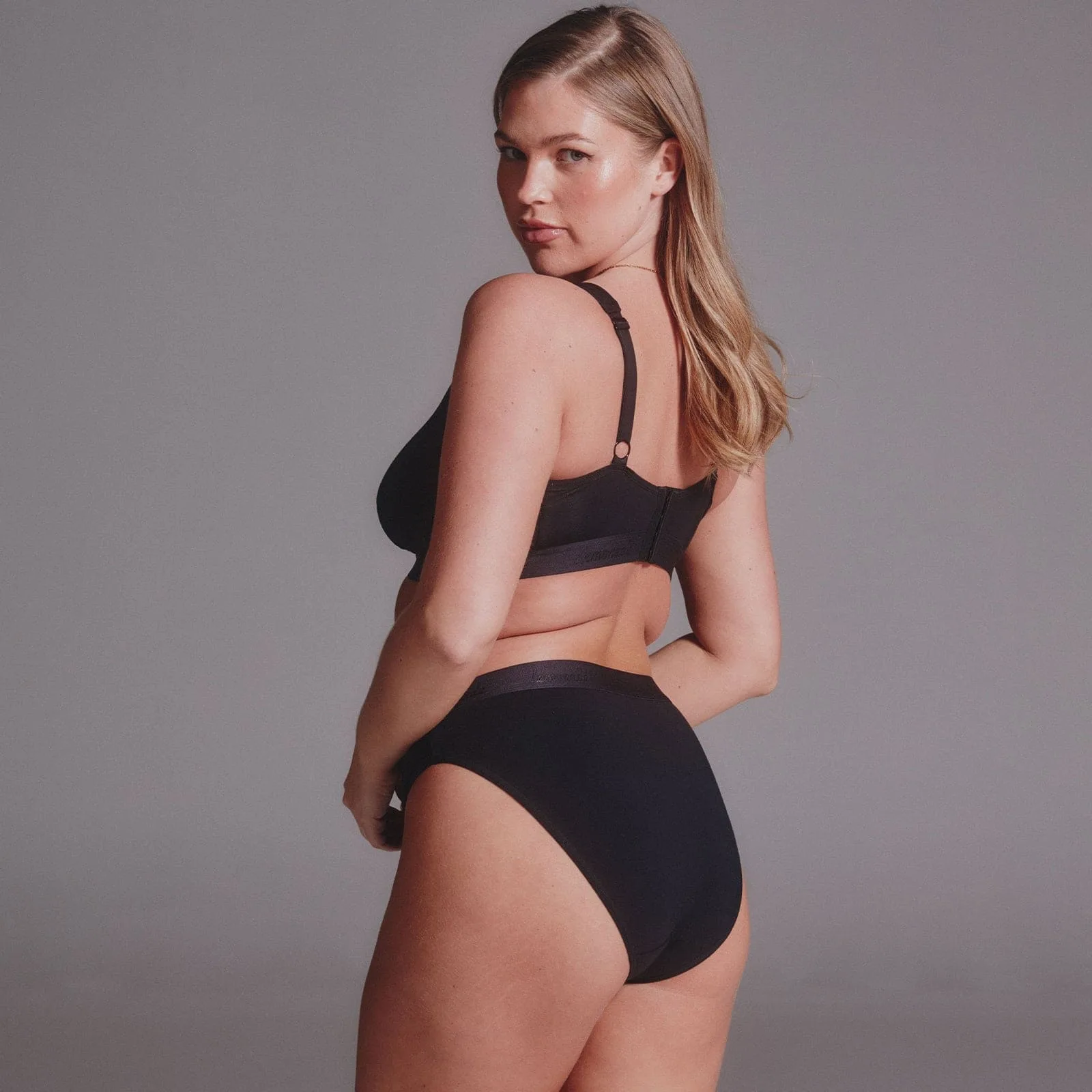
- Everyday Eco Brief - Black: Everyday Eco Brief - Black is made from a blend of 91% modal and 9% elastane, with full bum coverage and a signature monogram Lemonade elastic waistband. Modal is breathable and biodegradable, so it resists the heat and moisture buildup that makes briefs feel scratchy. The elastane gives shape recovery, and full coverage reduces riding up.
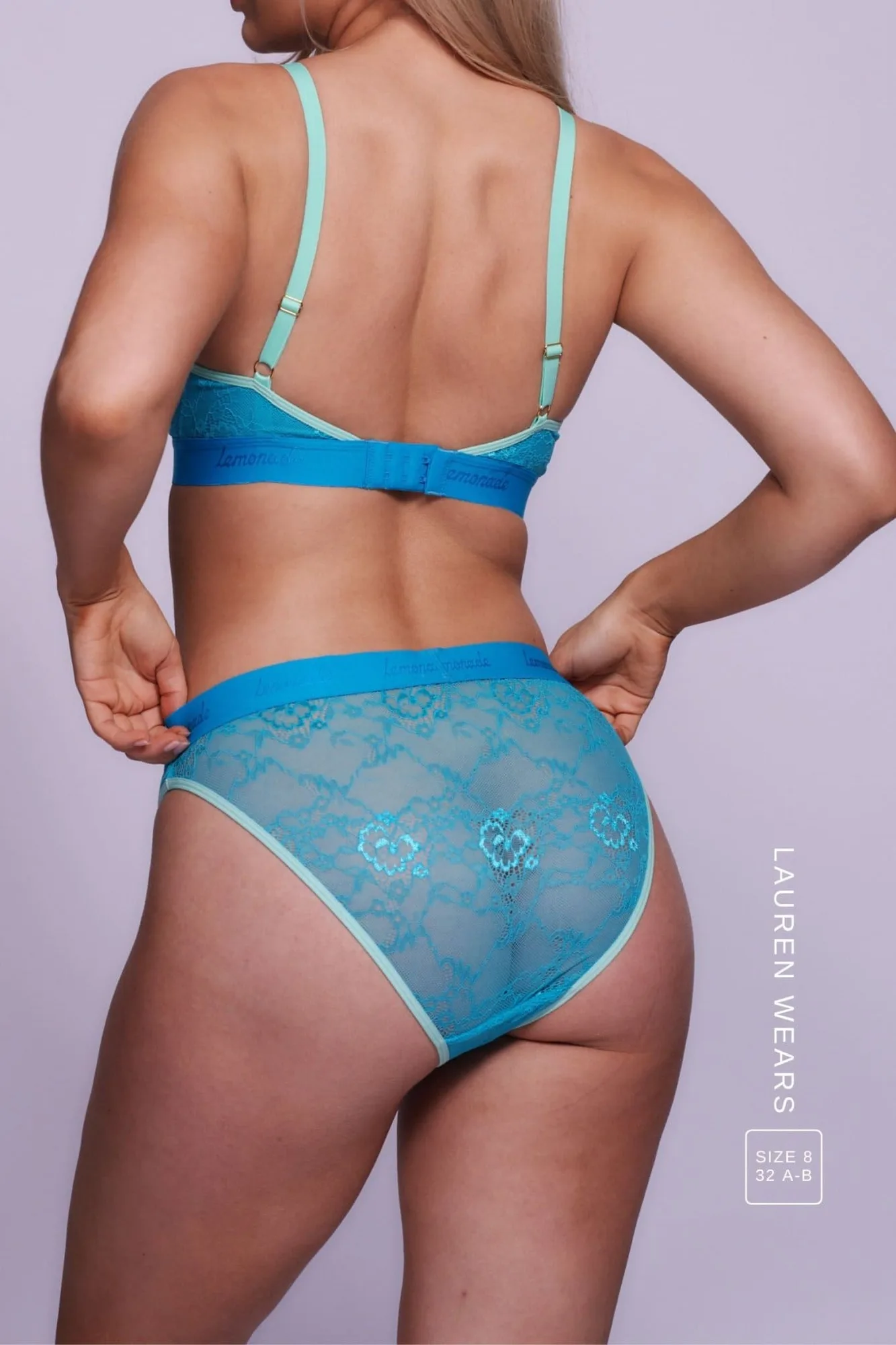
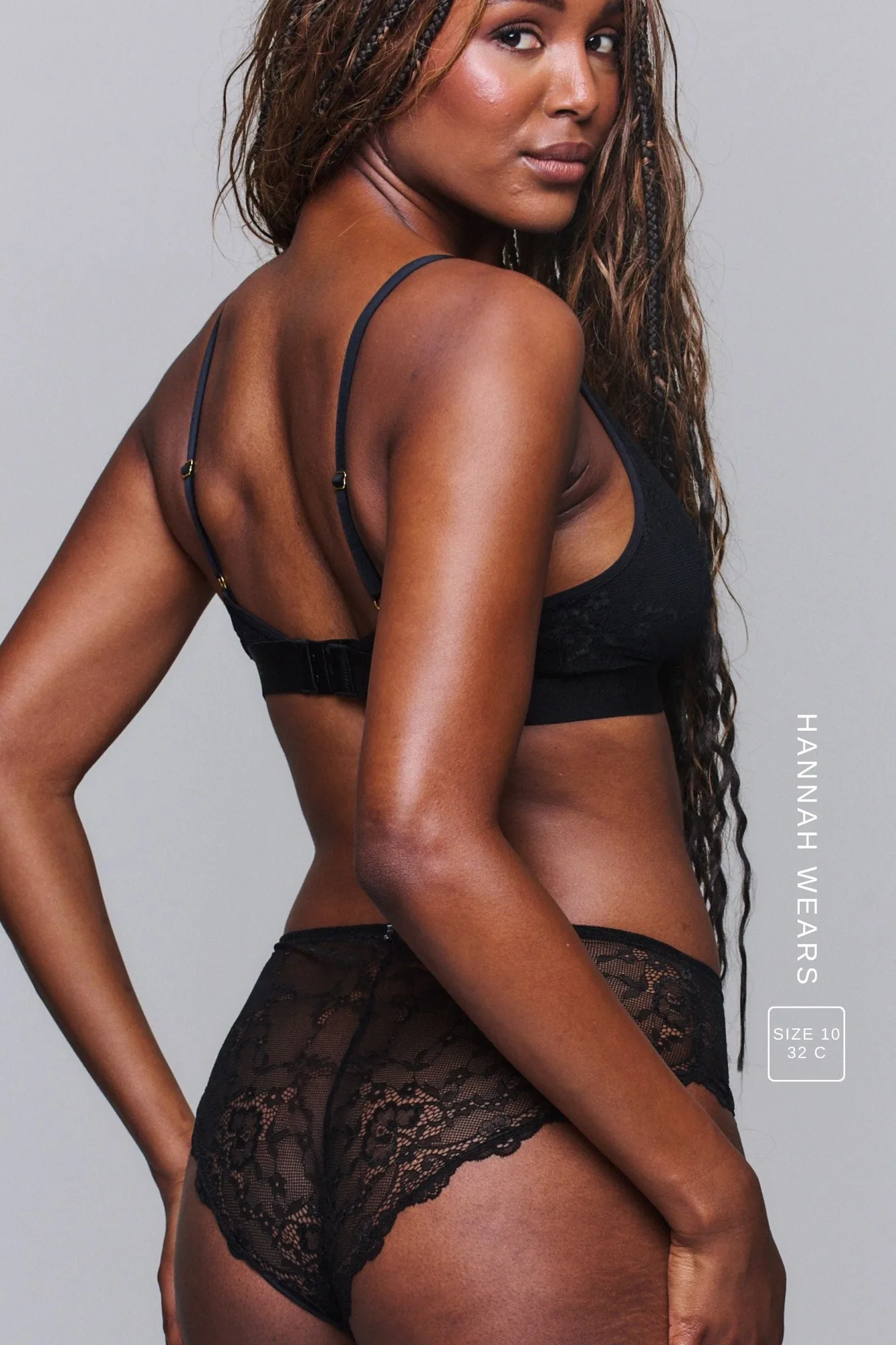
- Signature Lace Brief - Hawaiian Blue: Signature Lace Brief - Hawaiian Blue is crafted from soft, stretchy lace with a comfy mid-rise fit and cheeky bum coverage. This is a better choice for low-movement days or lounging. The cheeky cut will move more than a full-coverage brief, so it is not the right pick if you want zero adjustment during a long active day.