Quick answer
Most uncomfortable underwear is a fit or fabric problem, not something you have to live with. Check three things in order: the waistband should sit flat without leaving a red mark, the gusset should stay in place when you walk, and the fabric should suit your skin and the weather. If a brief fails two of those checks in the fitting room, size up or change cut rather than hoping it will soften.
Start with the waistband, not the size label
Waistband irritation is the easiest symptom to misread. A band that rolls, pinches or leaves a deep red groove after an hour is usually sitting on the wrong part of your body, not simply too small. Bands should rest on the hip bone or just above it and stay level all the way around. If the back rides higher than the front, the rise is wrong for your torso, and sizing up will not fix it.
Test this before you commit: put the brief on, sit down, then stand up. If you have to tug the band back into place, the rise or the band width is the problem. A wider, flat band distributes pressure better than a thin elastic one, which is why some briefs feel fine on the hanger and awful by lunchtime.
Why briefs ride up and what actually stops it
A brief riding up fix starts with the leg opening, not the waist. If the elastic around the leg is tighter than the band at your waist, the fabric has nowhere to go but up. This is common when you size down to get more coverage, or when a style is cut for a different hip-to-waist ratio than yours.
The second cause is fabric stretch. A high-elastane brief can creep upward as you move because it keeps recovering to a smaller shape. If you are between sizes, take the larger one and look for a cut with a higher leg opening, which reduces the amount of fabric that can migrate. If you have tried both and the brief still climbs, that cut is not for your body shape, and no amount of adjusting will change it.
Wrong underwear size signs you should not ignore
Persistent marks that last more than an hour after you take the brief off are the clearest wrong underwear size signs. Others include a gusset that will not stay centred, side seams that twist toward the front, and a band that you can fit more than two fingers under at the back but that still digs at the front. That last pattern usually means the band is too loose at the back and too tight at the front, which is a shape mismatch rather than a simple size issue.
Do not rely on the size you wore five years ago. Body shape changes with weight, exercise and age, and two brands can label the same measurement differently. Measure your hip at the fullest point and compare it with the brand's own chart rather than assuming your usual size carries over.
Match the fabric to the problem
Fabric decides how a brief behaves after the first hour. Cotton blends breathe well and hold their shape, which suits everyday wear and warmer rooms. Seamless knit styles sit flatter under clothing and reduce friction, so they help when the discomfort is rubbing rather than pressure. Lyocell blends feel smooth and drape softly, which can be kinder if you find elastic edges scratchy.
Check the gusset separately. A cotton gusset is the breathable option for most people, and it is worth confirming rather than assuming. If a brief has a synthetic gusset and you get irritation, that is a reason to change style even if the fit is perfect.
When to stop adjusting and choose another option
Give any new brief two wears. If it still digs, rolls or rides after the second wear, return it or set it aside rather than building a drawer of almost-comfortable underwear. Fabric softens slightly with washing, but elastic does not relax in the places that cause pressure, and a gusset that will not stay put never learns to.
Stop and change category when the problem is structural. If every bikini you try rides up, try a high cut or a thong instead of hunting for a better bikini. If every elastic band irritates you, look for seamless construction. Changing the cut or construction is faster than finding a miracle version of the style that keeps failing.
Diagnose your discomfort in four checks
- Red marks that outlast the brief: Pressure from a band that is too narrow or sitting on the wrong part of your torso. Try a wider, flat band and check that the back is not riding higher than the front. If marks fade within an hour, the fit is acceptable. If they last longer, change the band or the rise.
- Fabric climbing as you walk: A leg opening tighter than the waistband, or a high-stretch fabric recovering to a smaller shape. Size up or choose a higher leg cut. If it still climbs after two wears in the correct size, that cut does not suit your shape. Switch styles.
- Itching or rubbing along the edges: Elastic edges and raised seams create friction. Seamless knit construction and smooth lyocell blends reduce it. Change construction before you change size. Rubbing is rarely solved by a different number on the label.
- Clamminess or irritation in the gusset: A synthetic gusset traps moisture. Look for a cotton gusset, which several everyday briefs include. If irritation continues with a cotton gusset and correct fit, see a health professional rather than shopping for another style.
Briefs that solve specific comfort problems
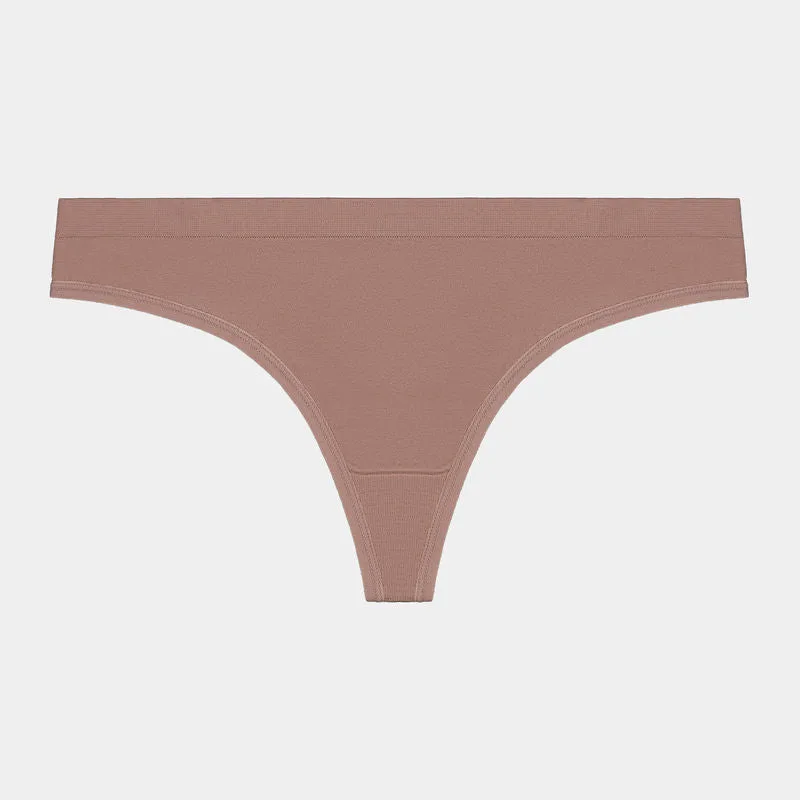
- Seamless Thong - Clearance: Seamless Thong in a soft knit with a seamless, smooth finish and a cotton gusset knitted in for breathability; 86% polyamide, 14% elastane. The flat, seamless construction reduces the edge friction that causes rubbing, and the cotton gusset keeps the breathable part where it counts. Minimal back coverage also removes the fabric that typically rides up.
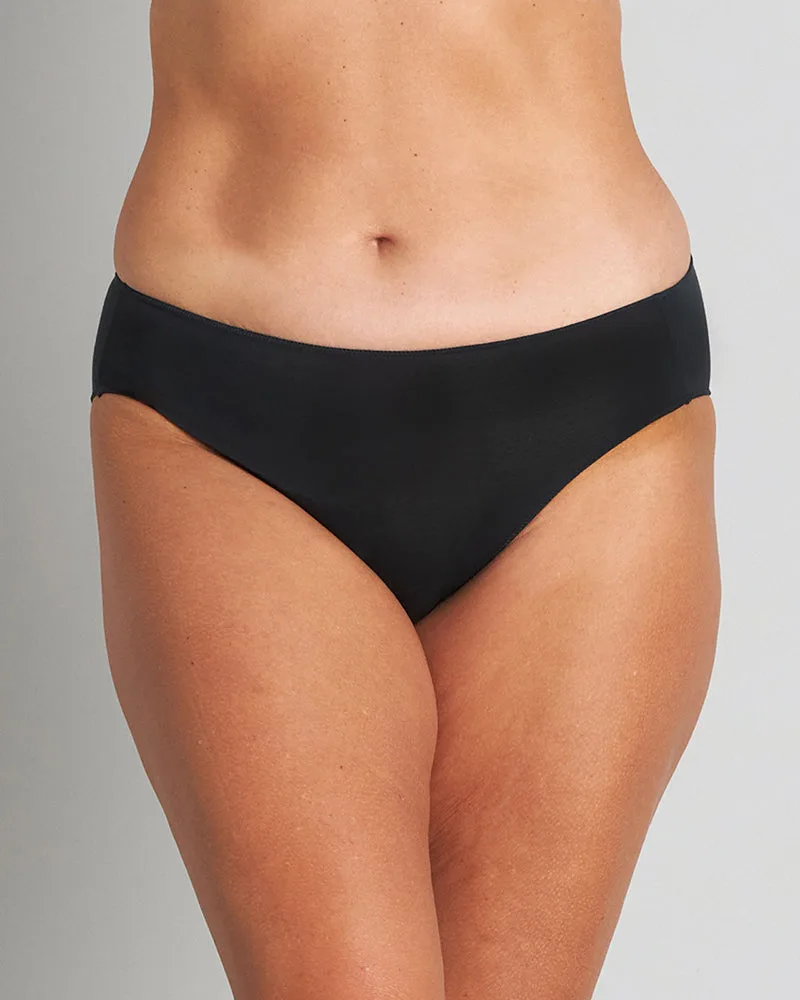
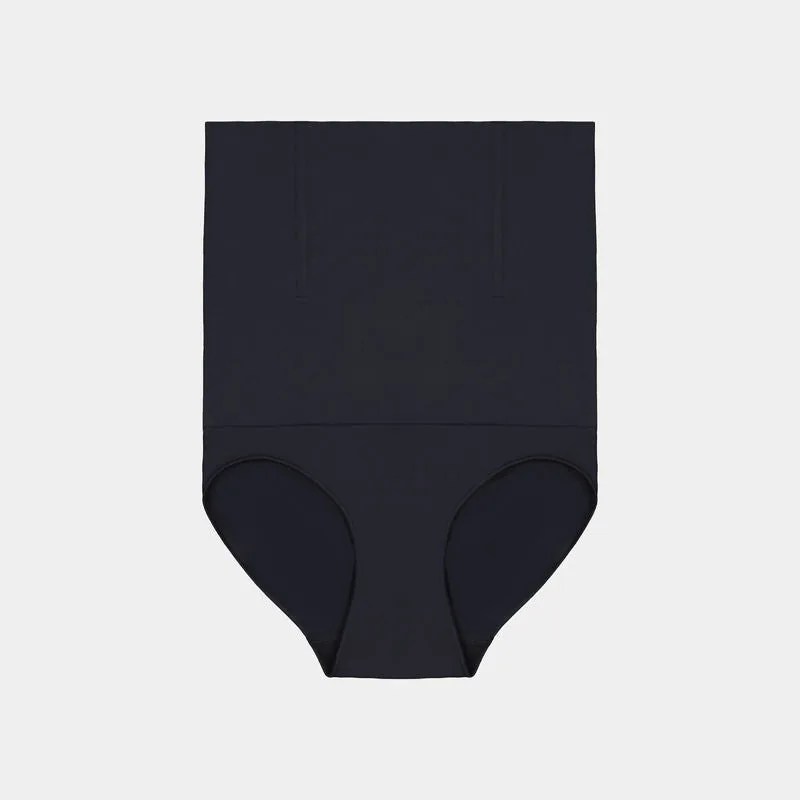
- Au Naturel High Cut Brief - Black: Au Naturel High Cut Brief in black, made from 91% lyocell and 9% elastane with a 100% cotton gusset and discreet no-VPL finishings. The high cut leg opening gives fabric fewer places to migrate, which addresses riding up, while the lyocell blend feels smooth against skin that reacts to scratchy elastic.
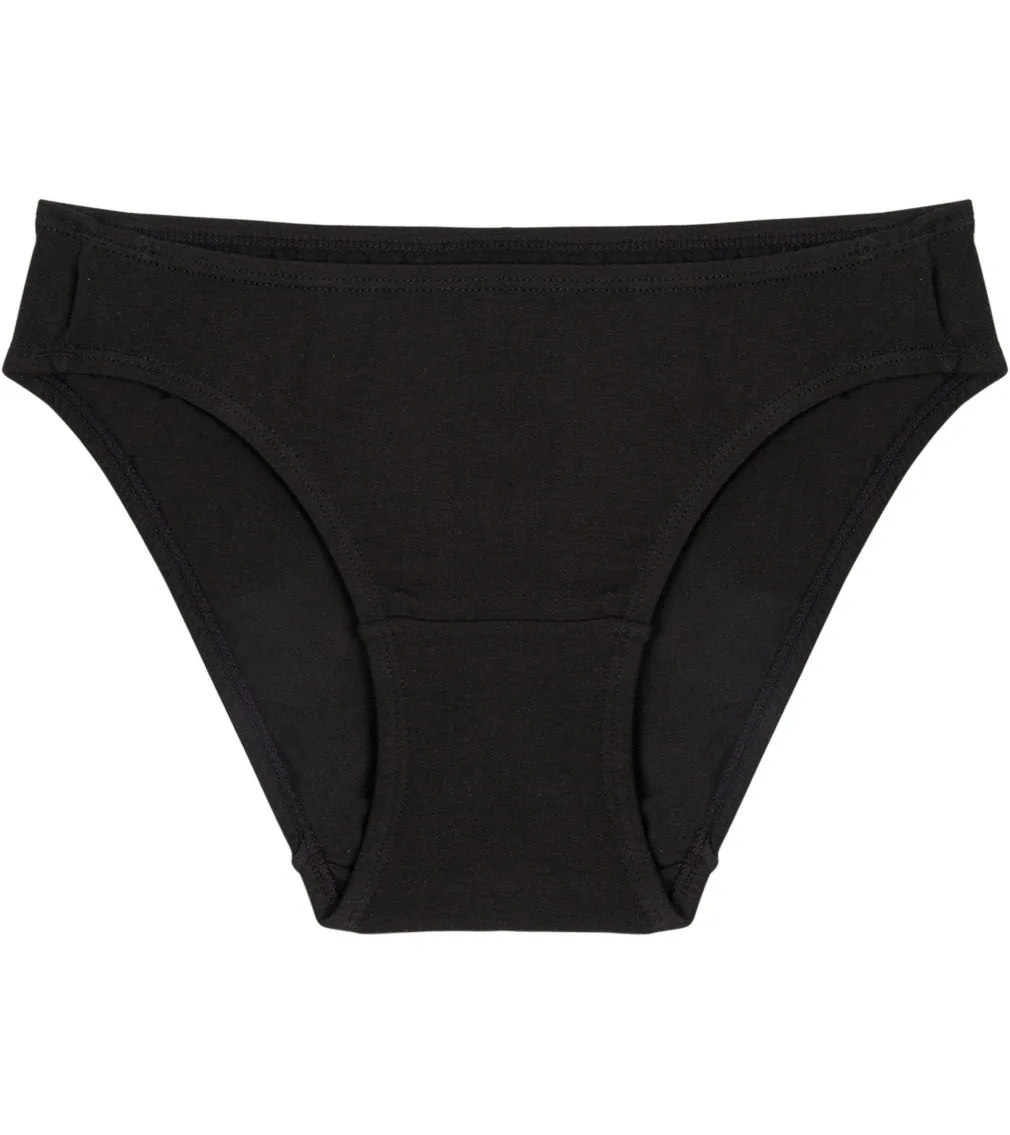
- Freestyle Bikini: Freestyle Bikini in black, made from 95% cotton and 5% elastane. A high cotton content keeps the brief breathable and cooling, which suits everyday wear and warm conditions where synthetic fabrics start to feel clammy.