Quick answer
For most people, the right everyday carry knife is a fixed blade with a 3 to 4 inch blade, a steel that balances edge retention and ease of sharpening, and a sheath that matches how you carry. If your daily routine involves heavy cutting or you want the simplest, strongest tool, choose a fixed blade. If your workplace or local rules make a folding knife the only practical option, prioritize a secure lock and a slim profile. Start with blade length, then steel, then sheath.
Blade length for EDC: find your practical range
Blade length is the first spec to settle because it drives both legality and comfort. A 2.5 to 3 inch blade disappears in a pocket or on a belt and handles boxes, mail, and packaging. A 3.5 to 4 inch blade gives you more leverage for food prep, camp chores, and heavier cuts, but it can feel bulky at a desk job. If you often wear dress pants or sit for long stretches, stay closer to 3 inches. If you work outdoors or wear utility pants, a 3.5 to 4 inch blade is easier to justify. Measure the blade, not the overall length, and check your local rules before you buy.
Knife steel comparison: what actually matters
Steel choice is a trade-off between edge retention, toughness, and sharpening effort. High-carbon and tool steels take a keen edge and are easy to sharpen, but they need more care to resist corrosion. Stainless steels hold an edge longer and resist rust, but they can be slower to sharpen. Powder metallurgy steels often give the best wear resistance, yet they demand diamond stones and patience. For a daily carry knife, pick a steel that matches your maintenance habits: if you will not oil or dry your blade regularly, lean stainless. If you enjoy sharpening and want a keen edge, a carbon or tool steel is rewarding. Toor Knives builds fixed blades in a range of steels, so compare the specific steel listed for each model rather than assuming one is universally better.
Fixed vs folding EDC: strengths and honest limits
Fixed blades are stronger, simpler, and faster to deploy because there is no pivot or lock to fail. They also carry more comfortably on a belt than many people expect. The trade-off is size and social acceptability: a fixed blade is harder to conceal in an office or a city, and some venues restrict them. Folding knives are more discreet and easier to pocket, but they add a lock, a pivot, and more places for dirt and lint to collect. If your day involves real cutting and you can carry openly, a fixed blade is the more reliable tool. If discretion or dress code rules your day, a folding knife with a solid lock is the practical choice. Many people eventually carry both: a small fixed blade for work and a folding knife for off-hours.
Kydex vs leather sheath: match the sheath to the job
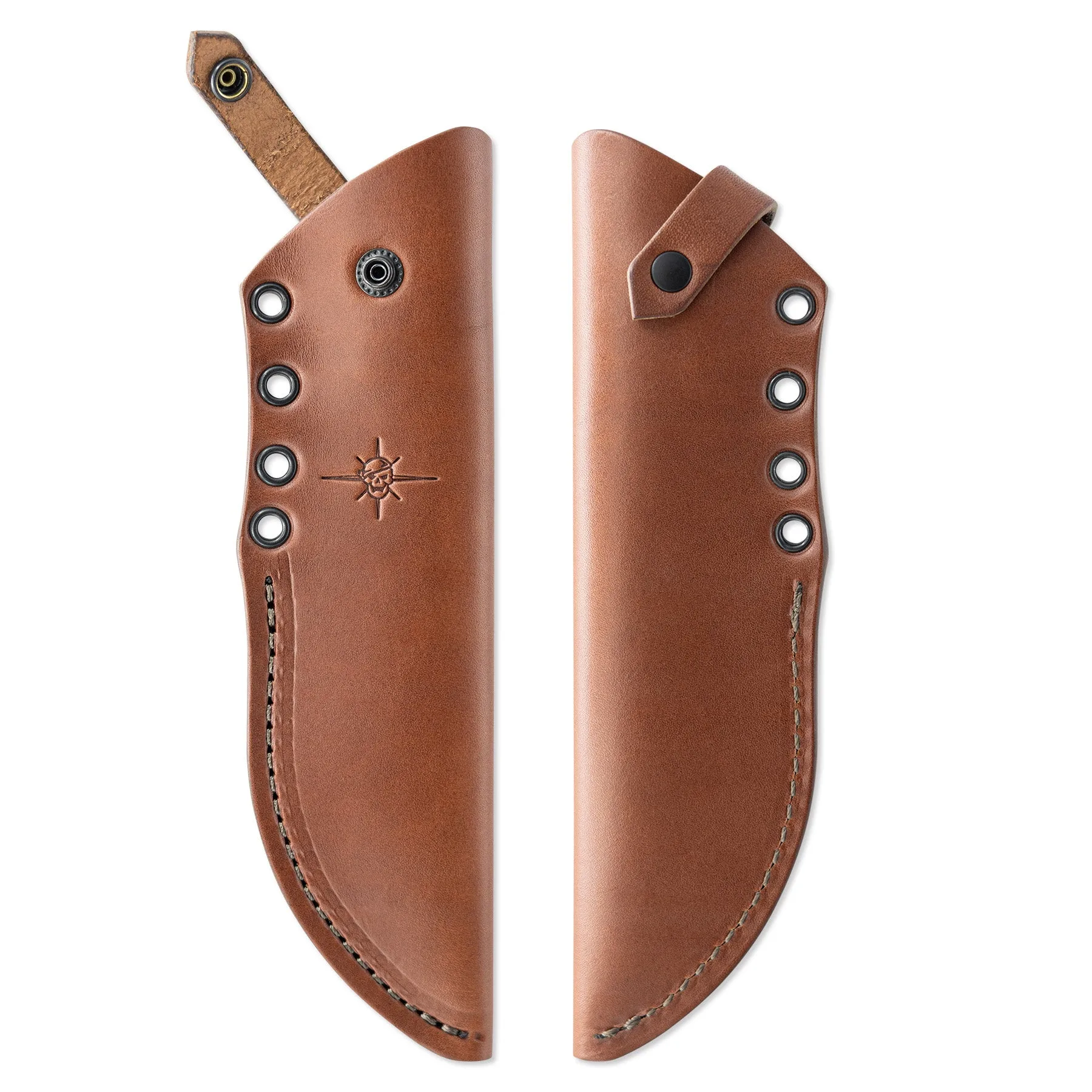
leather sheath
Kydex sheaths are molded, moisture-resistant, and hold a knife with a positive click. They are easy to clean, do not absorb sweat or blood, and work well with clips, straps, and MOLLE. The downside is that Kydex can wear a blade's finish over time and may feel rigid against the body. Leather sheaths are quieter, more comfortable against the skin, and they develop character with use. They need occasional conditioning and can hold moisture if they get soaked. Choose Kydex for hard use, wet environments, and secure retention. Choose leather for daily comfort, a traditional look, and easy on-and-off. If you carry inside a waistband, a slim Kydex sheath often disappears better; if you carry on a belt all day, leather can be kinder to your clothes.
Best EDC knife features to prioritize
After length, steel, and sheath, focus on the features you will actually use. A handle that fills your hand reduces fatigue and improves control. A finger ring or guard adds security when your hands are cold or wet. Jimping or textured scales help your thumb and palm stay put. A sharpening choil makes long-term maintenance easier. Weight matters too: a 2 to 4 ounce knife disappears on a belt or in a pocket, while a 6 to 8 ounce knife feels substantial and can be easier to control in heavy cuts. Finally, consider the sheath's mounting options. A clip that fits your belt width and a sheath that sits at the angle you prefer will make you carry the knife more often. The best EDC knife is the one you actually take with you.
Decision rules for your next EDC knife
- If you carry in an office or formal setting: Choose a blade under 3 inches and a folding knife or a very slim fixed blade with a discreet sheath. Avoid double-edged or ring-heavy designs that draw attention. Discretion beats capacity when your environment is restrictive.
- If you use your knife daily for work: Choose a fixed blade with a 3.5 to 4 inch blade, a handle that fills your hand, and a Kydex sheath with a secure clip. Prioritize edge retention and easy cleaning. A fixed blade with a molded sheath is the most reliable daily tool.
- If you want one knife for both town and trail: Choose a 3 to 3.5 inch fixed blade with a stainless or semi-stainless steel and a leather or hybrid sheath. It will handle most tasks without looking out of place. A mid-size fixed blade is the most versatile single-knife compromise.
- If you hate sharpening: Choose a stainless steel with good wear resistance and a sharpening choil, and avoid high-carbon steels that need frequent oiling and touch-ups. Match the steel to your maintenance habits, not to a spec sheet.
- If you carry in wet or humid conditions: Choose a Kydex sheath and a stainless or coated blade. Leather can hold moisture and needs more frequent conditioning. Kydex and stainless are the low-maintenance pair for wet climates.
- If you want a dedicated self-defense tool: Choose a fixed blade with a ring or guard, a secure grip, and a sheath that allows a consistent draw. Accept that it will be less useful for everyday chores. Specialized tools trade everyday utility for a specific purpose.
A few Toor Knives fixed blades that illustrate the trade-offs
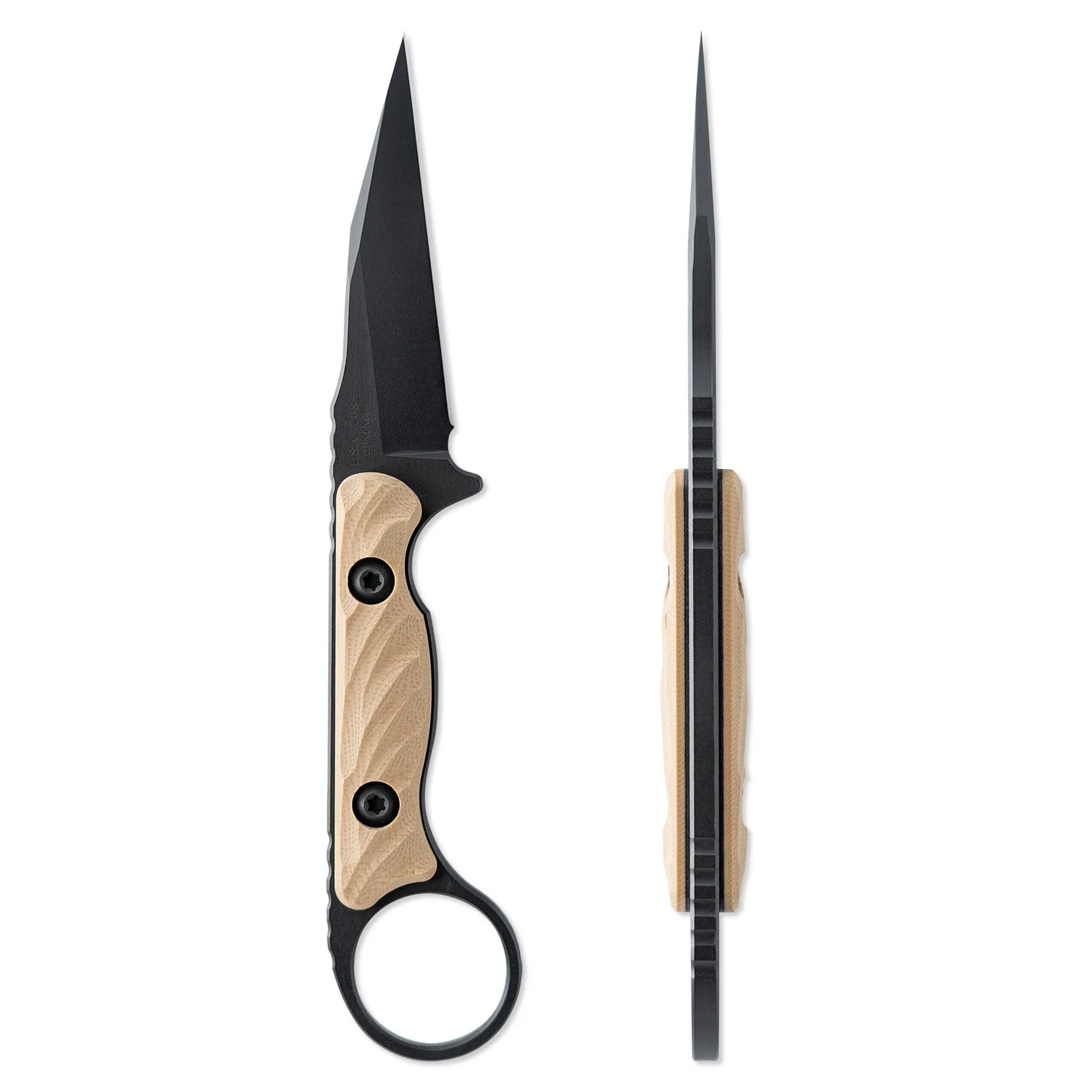
- Specter R - Ranger Green: The Specter R is a double-edged dagger with a ring, 9.25 inches overall, and 6.5 ounces. The ring and double edge make it a purpose-built self-defense tool, while the 6.5 ounce weight and 9.25 inch overall length mean it carries best in a dedicated sheath or kit rather than a pocket.
- Jank Shank W - FDE: The Jank Shank W has a 0.1875 inch steel width and weighs 3.6 ounces with textured scales, up from 2.4 ounces on the previous skeletonized version. The added weight buys noticeably better grip under demanding conditions, and the slim 0.1875 inch stock keeps it a comfortable everyday carry option.
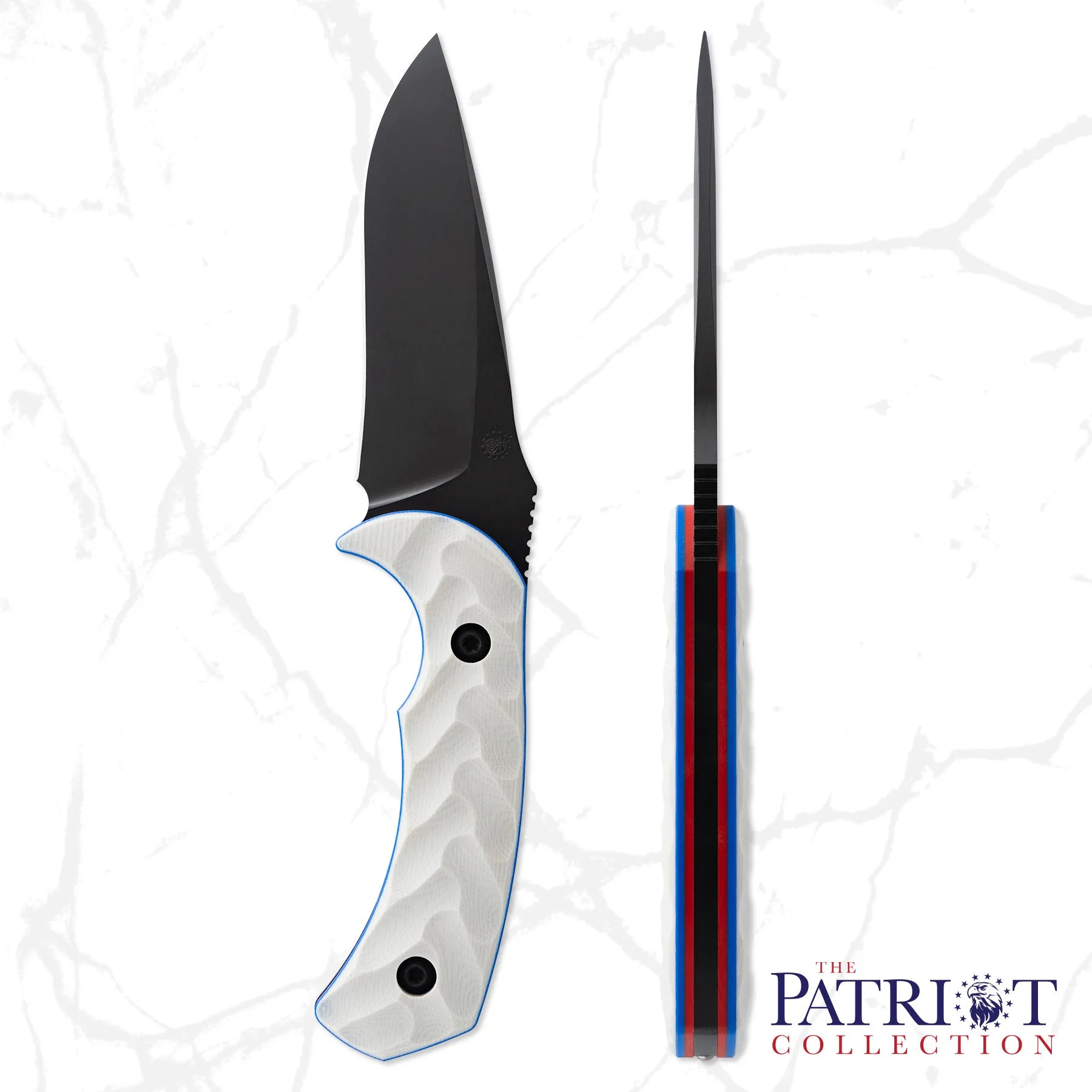
- Patriot Mullet: The Patriot Mullet is part of the Patriot Collection, 100% designed, manufactured, and finished in San Diego, and it is a limited edition that honors veterans and active-duty service members. If American-made construction and a collection with a specific story matter to you, this is a fixed blade that carries that provenance; the limited edition means availability may not last.
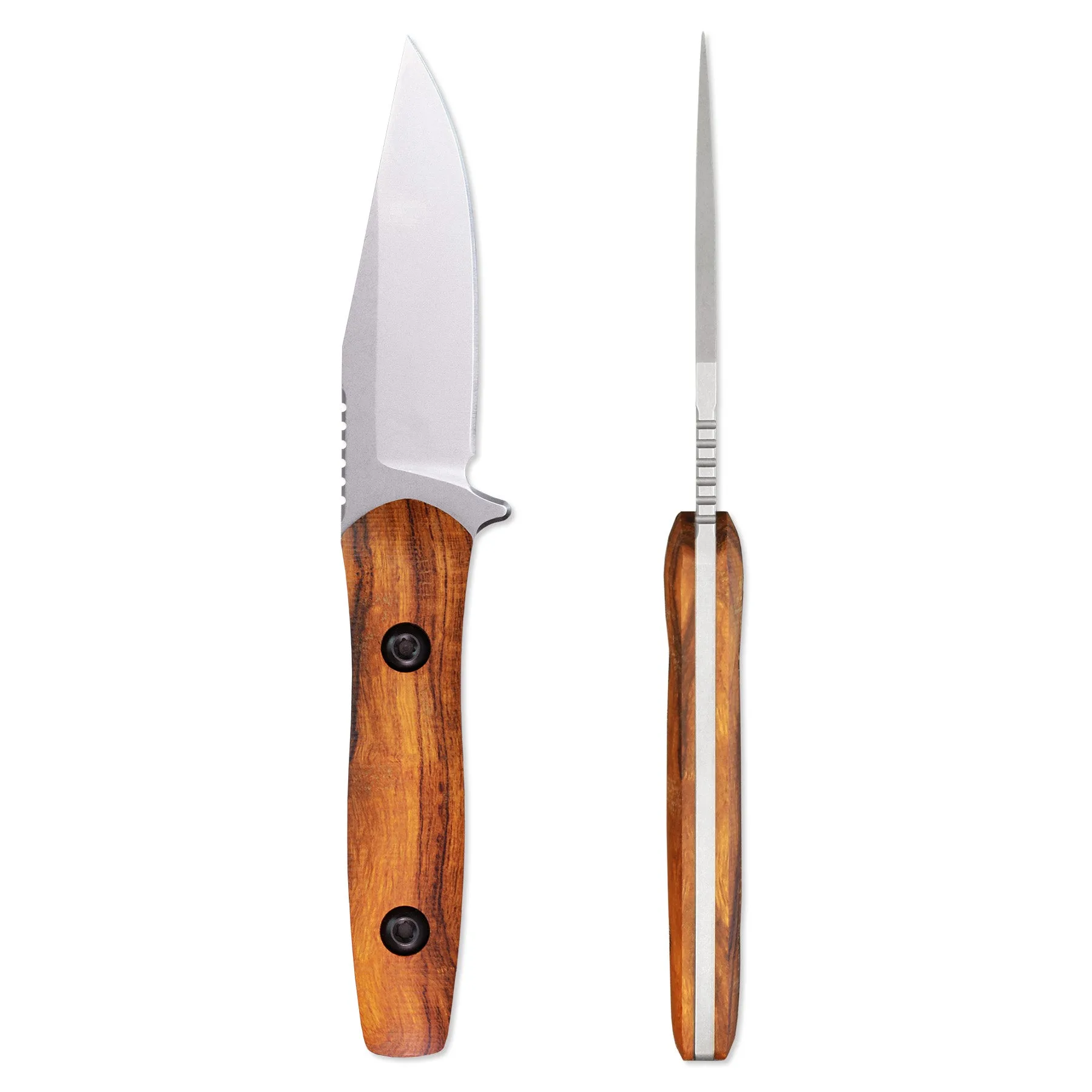
- Sevra - Ironwood: The Sevra is a collaboration between Ocaso and Toor Knives, blending American-made fixed blade manufacturing with a slim, elevated design. It suits a buyer who wants a fixed blade that feels refined enough for daily carry but is still built to be used, not just displayed.
Who this guide is for
Best for
- First-time buyers who want a clear order of decisions: length, steel, sheath, features
- Daily carriers who need to balance workplace rules with real cutting tasks
- Outdoor and trades workers who want a fixed blade that stays comfortable and secure all day
Not for
- Collectors looking for investment-grade or historical knives
- Buyers who want a single universal recommendation without considering local laws and dress codes
- Anyone shopping strictly for a folding knife with a specific lock type