Quick answer
Clean bowls, trays, and trivets promptly with mild soap and a soft cloth, dry them fully, and use a trivet under anything hot. Skip abrasive scrubbers and the dishwasher unless the maker says otherwise. That one routine covers most bowl care, tray care instructions, and trivet care.
Everyday dinnerware takes a beating: cereal bowls, serving trays, and trivets get used, stacked, and splattered more than any fancy china. The good news is that you do not need a shelf of special products to keep them looking good. You need a short, consistent routine and a few rules about heat and abrasives.
This guide walks through that routine in order, from the moment a meal ends to how you store pieces between uses. It also covers the details that cause most damage, like soaking a tray overnight or setting a hot pan straight on the table.
Why a simple routine beats specialty cleaners
Most bowls, trays, and trivets are designed for food contact and everyday handling. That means mild dish soap, warm water, and a soft sponge handle almost everything. Specialty cleaners are rarely necessary and can strip finishes or leave residue on surfaces that touch food.
The real risks are heat, abrasion, and prolonged moisture. A hot pan can crack a trivet or leave a ring on a table. A scouring pad can dull a glaze or scratch a print. Soaking can warp wood or loosen a laminated tray. A routine that avoids those three problems will keep your pieces in service far longer than any single cleaning product.
- Keep a soft sponge and a non-scratch pad separate from your heavy scrubbers.
- Set a small towel near the sink for drying pieces right away.
How to clean serving trays without ruining the finish
Trays often have a decorative surface, a rim, or a laminate that does not like soaking. Scrape food into the trash first, then wash with warm water and a drop of mild soap. Use a soft cloth or sponge and work around any raised edges where crumbs collect. Rinse quickly and dry immediately with a towel.
If a tray has a printed or painted surface, avoid soaking it and never put it in the dishwasher unless the maker explicitly says it is dishwasher safe. For sticky residue, let a warm damp cloth sit on the spot for a minute rather than scrubbing hard. That loosens the mess without dulling the finish.
- Check the back or bottom of the tray for care symbols before you wash it.
- Dry trays upright or flat with a towel underneath so air can reach the rim.
Bowl care for daily use and stacking
Bowls are the workhorses of the kitchen, so they get washed most often. Rinse promptly after use, especially after acidic foods like tomato sauce or citrus, which can etch some glazes over time. Wash with mild soap and a soft sponge, then dry fully before stacking.
Stacking wet bowls traps moisture between the rims and can leave water spots or a musty smell. If you stack bowls in a cupboard, put a small paper towel or cloth between them to cushion the rims and let air circulate. That also reduces chips when you pull one out.
- Do not use a scouring pad on glazed or printed bowls.
- Let bowls cool before washing if they held something hot.
Trivet care and protecting tabletops with trivets
A trivet's job is to create an air gap between a hot dish and your table. That only works if the trivet itself is dry and flat. Wipe trivets after each use, especially if they are cork, wood, or fabric, because moisture trapped under a hot pot can steam and damage the table finish.
For cork or wood trivets, wipe with a damp cloth and dry immediately. Do not soak them. For metal or stone trivets, warm soapy water is fine, but dry them completely before setting them back down. If a trivet wobbles, replace it or add a felt pad underneath so heat does not concentrate on one spot.
- Use a trivet under any dish that came out of the oven, microwave, or slow cooker.
- Check trivets for cracks or warping; a damaged trivet can let heat through.
Storing bowls, trays, and trivets between uses
Storage is where a lot of avoidable damage happens. Stack bowls with a cloth or paper towel between each one. Stand trays on edge if you have a slot, or stack them with a soft cloth between the surfaces. Keep trivets flat and dry, not piled under heavy pans.
If you have a small kitchen, choose one spot for trivets near the stove so you actually use them. A trivet that lives in a drawer across the room is a trivet that stays in the drawer while a hot pan sits on the counter.
- Never store damp pieces; let them air dry fully first.
- Keep abrasive cleaners away from decorative finishes.
Your step-by-step dinnerware care routine
- Step 1: Scrape and separate: Scrape food scraps into the trash or compost before washing. Keep bowls, trays, and trivets separate so a heavy bowl does not chip a tray. Checkpoint: no food bits left in rims or corners before washing.
- Step 2: Wash with mild soap and a soft sponge: Use warm water and a drop of mild dish soap. Wash trays and bowls with a soft sponge or cloth. Do not use scouring pads on glazed, printed, or painted surfaces. Common mistake: grabbing the abrasive pad for a sticky spot. Let warm water sit on it instead.
- Step 3: Rinse quickly and thoroughly: Rinse off all soap residue, especially on trays and bowls that touch food. Soap film can leave a dull haze and affect taste. Checkpoint: water runs clear and no slippery feel remains.
- Step 4: Dry immediately with a clean towel: Dry bowls, trays, and trivets right after rinsing. Pay attention to rims, undersides, and any grooves where water pools. Common mistake: letting pieces air dry in the rack, which can leave water spots and trap moisture in stacks.
- Step 5: Store with protection: Stack bowls with a cloth or paper towel between them. Stand trays on edge or stack with a soft cloth between surfaces. Keep trivets flat and dry near the stove. Checkpoint: nothing is stacked wet, and trivets are within reach for the next hot dish.
- Step 6: Use a trivet every time: Set hot pans, casseroles, and serving dishes on a dry trivet, not directly on the table or counter. Replace any trivet that is cracked, warped, or wobbly. Common mistake: using a damp trivet, which can steam and damage the table finish underneath.
A few Mary Engelbreit pieces that fit this routine
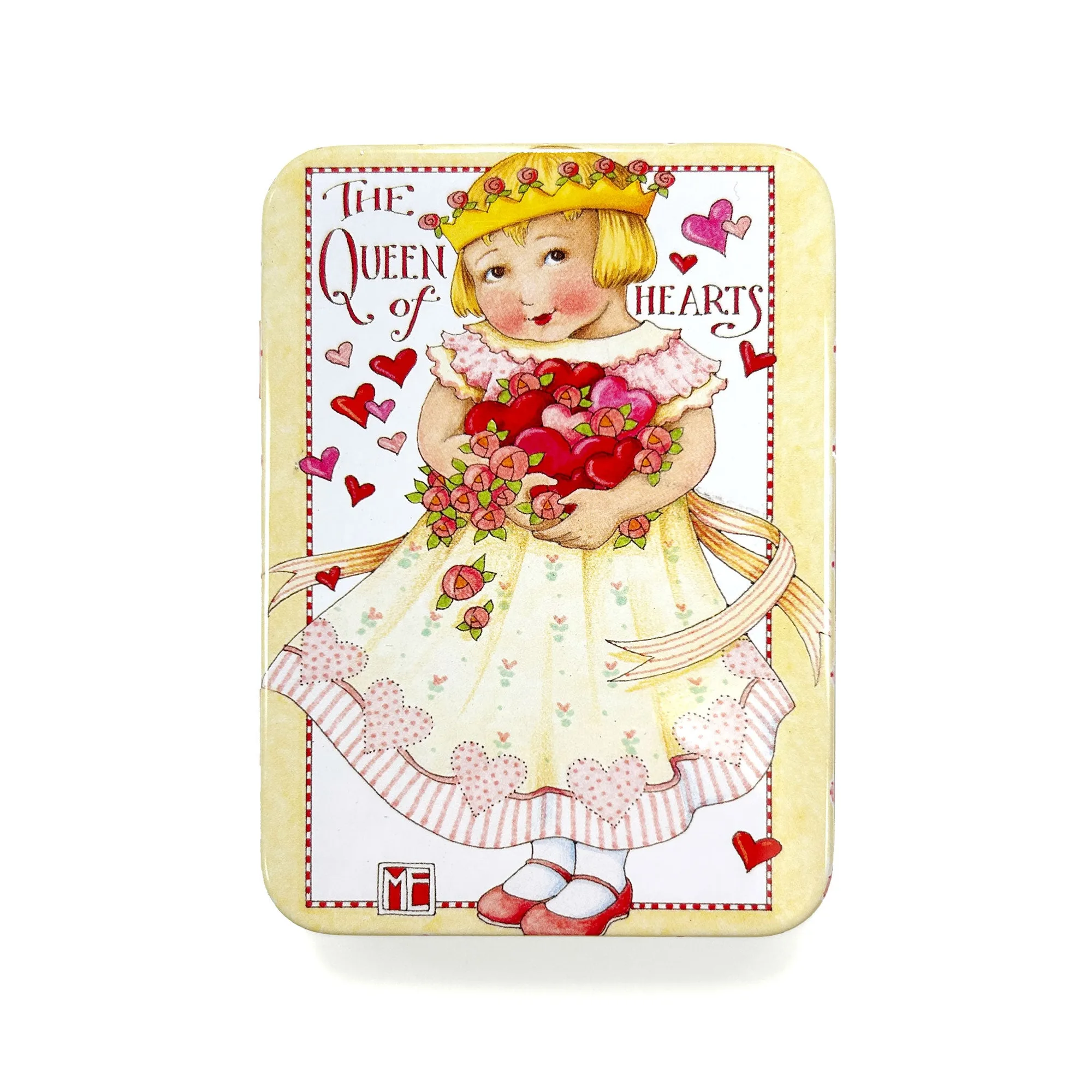
- Queen of Hearts Sticker Tin: The tin measures 3" x 4.25" and holds 12 vinyl stickers, each 2.25" x 3", featuring new and vintage Valentine designs. A small, dry tin like this is handy for storing non-food items near your dinnerware, but keep it away from water and heat so the stickers and tin stay in good shape.
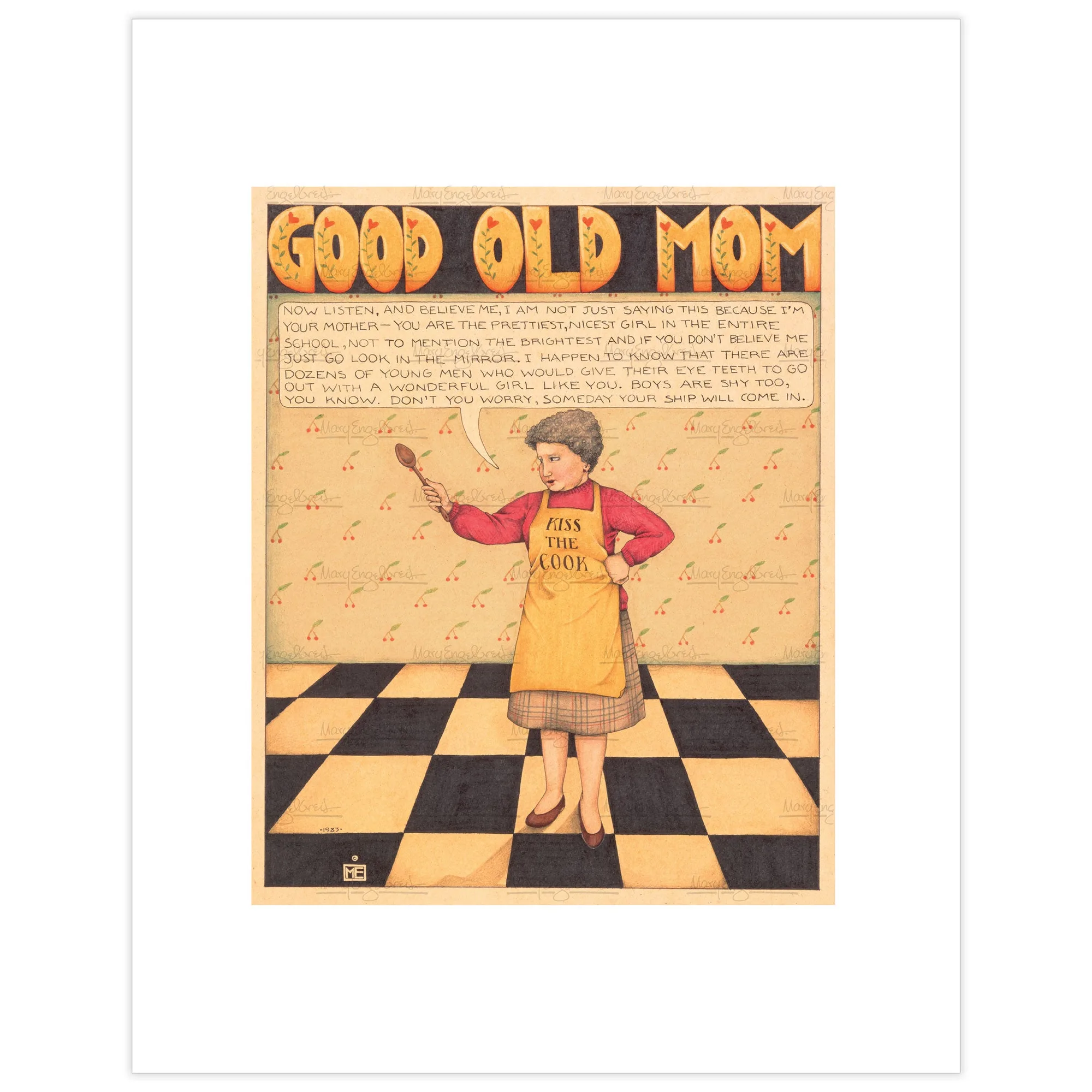
- Lighten Up Fine Art Print: This print is made to order on high-quality textured paper in a standard frame size and is available with Mary's signature. If you hang art near a dining area, keep it out of splash zones and wipe the frame with a dry cloth, not a wet one, to protect the paper.
A five-minute routine after each meal keeps bowls, trays, and trivets ready for the next one. Wash gently, dry fully, store with a little protection, and always reach for a trivet before a hot dish touches the table.