Quick answer
For most everyday glassware, warm water with a mild dish soap and a soft sponge is the safest routine. Hand washing is recommended for hand-blown or mold-formed pieces with delicate finishes, while some dishwasher-safe items can go on a gentle cycle. Cloudiness usually comes from mineral deposits or etching — a vinegar soak can help with deposits, but etching is permanent.
Why hand washing is often the safer choice for artisan glass
Hand-blown and mold-formed glass pieces often have subtle variations, painted details, or textured surfaces that can be worn down by harsh dishwasher detergents and high heat. Even when a manufacturer lists an item as dishwasher safe, the aggressive environment of a dishwasher — especially the drying cycle — can dull the surface over time. For pieces you use daily, a quick hand wash with warm water and a mild soap takes only a minute and helps preserve the original finish.
If you do use a dishwasher for glassware that is labeled safe, choose a gentle or delicate cycle with low heat and a mild detergent. Avoid overloading the rack so pieces don't knock against each other. Remove items promptly after the cycle ends to prevent water spots from forming.
How to remove cloudiness from glass
Cloudiness on glass usually has two causes: mineral deposits from hard water or etching from repeated dishwasher use with harsh detergents. Mineral deposits sit on the surface and can often be removed by soaking the glass in a mixture of equal parts white vinegar and water for 15–30 minutes, then washing as usual. Etching, however, is a permanent change to the glass surface and cannot be reversed by home methods. To prevent cloudiness, avoid using abrasive cleaners, very hot water, or dishwasher detergents that contain harsh chemicals.
Specific care for delicate shapes and painted finishes
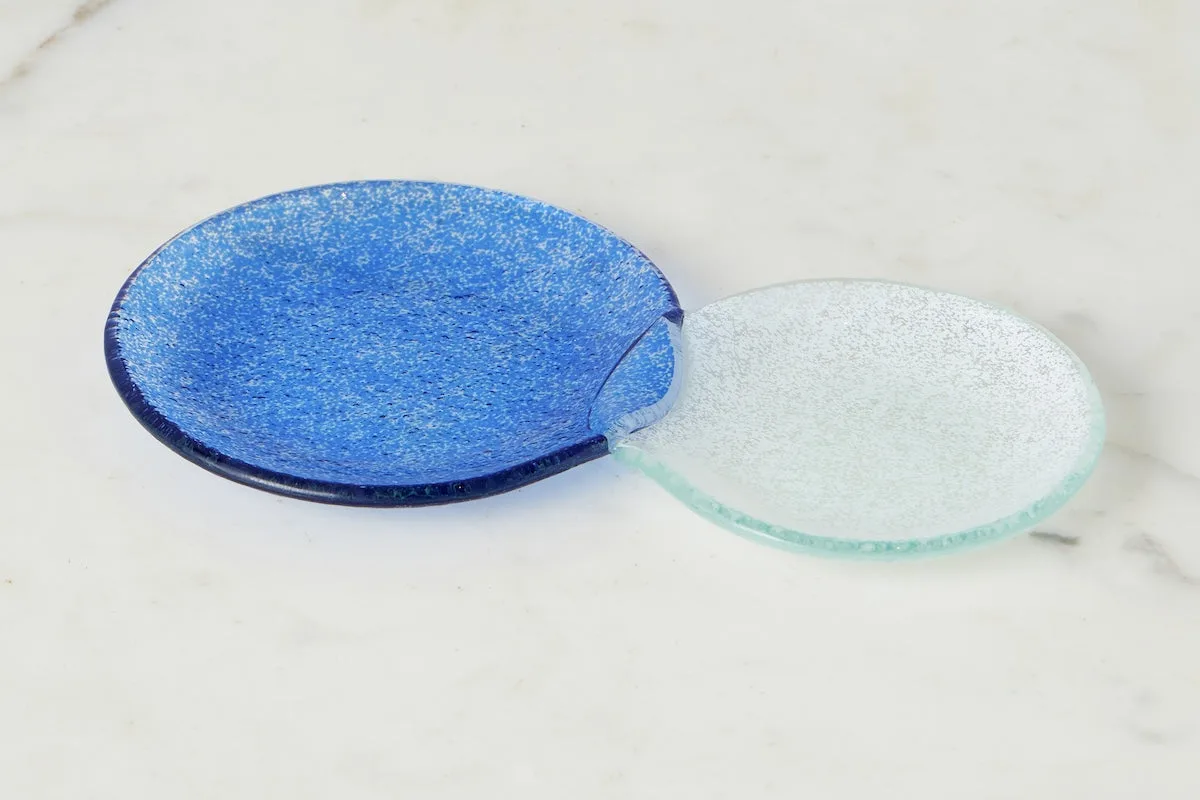
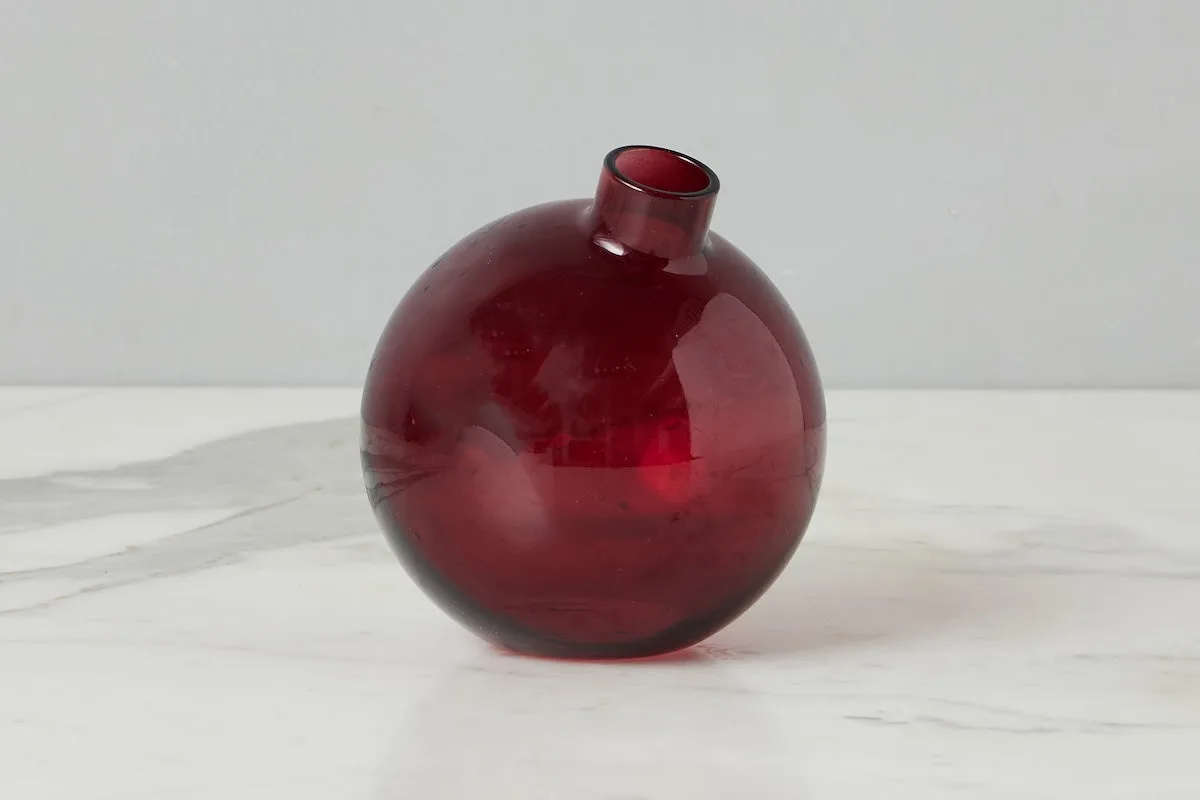
Bud vases with narrow necks or off-center designs can be tricky to clean inside. Use a bottle brush with soft bristles to reach the bottom without scratching. For painted or colored glass, like the Glass Snack and Tea Duo Plate with its baked-in color, avoid abrasive sponges or scouring pads that could dull the surface. The color is part of the glass, so it won't flake, but the surface can still be scratched by rough handling.
Glassware care questions answered
Can I put my glass bud vase in the dishwasher?
It depends on the specific vase. Hand-blown vases with delicate finishes or narrow openings are best hand washed to avoid damage. If the manufacturer lists it as dishwasher safe, use a gentle cycle and low heat. When in doubt, hand wash — it only takes a minute.
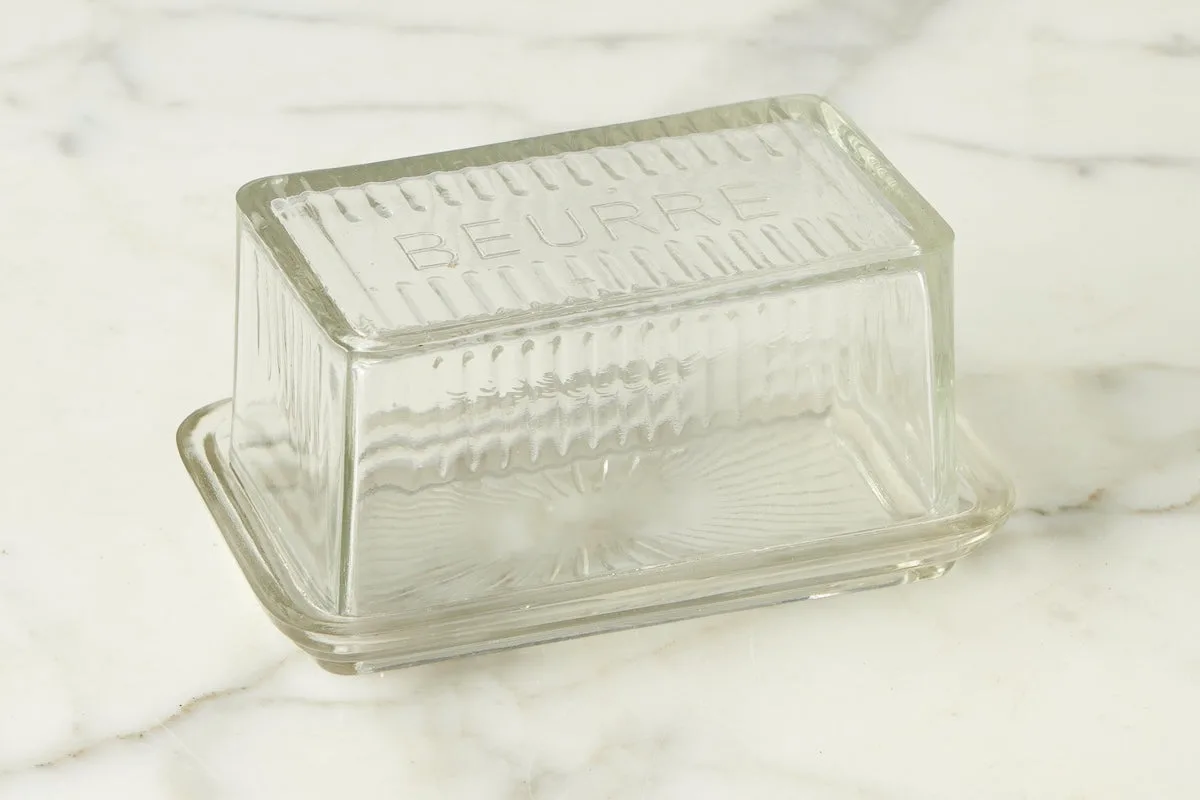
How do I clean a glass butter dish without scratching it?
Use warm water, mild dish soap, and a soft sponge or cloth. For textured surfaces or lettering, a soft brush can help remove residue without abrasion. Avoid scouring pads and abrasive cleaners. A soft brush is your best tool for textured glass.
What causes cloudy glass and can it be fixed?
Cloudiness from mineral deposits can often be removed with a vinegar soak. Cloudiness from etching — caused by harsh detergents or repeated dishwasher use — is permanent and cannot be reversed. Prevent etching by hand washing or using a gentle dishwasher cycle.
Is it safe to wash glass snack plates in the dishwasher?
If the plate is labeled dishwasher safe, yes. For plates with painted or baked-in color, a gentle cycle with mild detergent helps preserve the finish. Avoid high-heat drying. Check the label first; when in doubt, hand wash.
How should I store glass serveware to prevent damage?
Stack carefully with a soft cloth or paper towel between pieces to prevent scratching. Avoid overcrowding shelves, and keep delicate pieces away from heavy items that could tip over. A little padding goes a long way.
Product-specific care notes
- Glass Sphere Bud Vase, Merlot Red: Hand-blown in signature sage green glass, each gently rounded form bears the signature quirks of the artisan’s hand. Because it's hand-blown, the surface may have subtle variations that are best preserved with gentle hand washing rather than abrasive dishwasher cycles.
- Glass Snack and Tea Duo Plate, Navy Blue: The color is baked directly into the glass, ensuring a lasting finish that remains vibrant and dishwasher safe. This plate can go in the dishwasher without losing its color, though using a gentle cycle and mild detergent will help maintain the finish longer.
- Bistro Glass Butter Dish: This textured dish is crafted from durable glass and the lid is adorned with the French inscription beurre. The textured surface and inscription can trap residue, so hand washing with a soft brush is the safest way to keep the lettering and texture looking crisp.