Quick answer
Wash cotton kids tees inside out in cold water on a normal cycle, use a small amount of mild detergent, and dry them on low heat or air-dry. This one routine protects the fabric's softness, limits shrinkage, and slows color fading better than any single product.
Why cotton tees lose their soft feel and color
Cotton fibers relax and wear down with heat, friction, and harsh chemicals. Hot water and a hot dryer can shrink the fabric and make it feel rougher over time, while detergent residue left in the fibers makes a tee feel stiff even when it is clean. Bright dyes, especially on deeper colors, also release gradually with every wash, so the gentler the cycle, the longer the color holds.
The fix is not a special detergent or a separate load for every tee. It is a consistent routine: cold water, low agitation, and enough space in the machine for clothes to move without rubbing hard against each other.
Read the care label before you sort
Most cotton tees share the same basic care, but printed graphics, chest pockets, and blended fabrics can change what is safe. Check the label for a temperature or a drying symbol before you commit a new tee to your usual load. If a tee has a printed design, assume it needs cooler water and lower heat than a plain one until the label says otherwise.
Sort by color and weight rather than by owner. Light tees washed with dark denim or heavy joggers pick up lint and dye transfer, and heavy items beat up lighter knits in the drum.
Treat stains before they set
Blot fresh stains with a clean cloth instead of rubbing, then apply a small amount of mild detergent or a stain remover and let it sit for a few minutes before washing. Rubbing spreads the stain and can pill the cotton surface, which is hard to reverse.
For oily marks, a drop of dish soap works well on cotton, but rinse it out before the main wash so it does not strip color. If a stain has already been through the dryer, treat it again and rewash before drying—heat sets stains permanently.
Choose the right wash settings
Cold water is the single most useful setting for kids' tees. It is gentler on dye and on the fibers, and modern detergents are formulated to work well in cold. Use the normal or casual cycle rather than a heavy-duty one, and avoid overloading so tees can rinse clean.
Measure detergent instead of pouring by eye. Too much detergent leaves residue that makes cotton feel stiff and can trap odors; too little in a full load leaves soil behind. For most home machines, a small amount is enough for a normal load of kids' clothes.
Dry low or air-dry to protect shape and color
Heat is the main cause of shrinkage and fading in cotton tees. A low-heat tumble dry is usually fine, but pulling tees out while they are still slightly damp and laying them flat or hanging them to finish keeps them closer to their original size and feel.
If you air-dry outdoors, keep bright tees out of direct sun for long stretches. Sunlight is a natural brightener for whites but it also fades dyed colors, so shade is the safer default for anything with a strong color or a printed graphic.
Store and rotate tees so they last longer
Fold tees rather than hanging them on wire hangers, which can stretch the neckline over time. Keep them in a dry drawer or shelf away from damp walls, and avoid packing them so tightly that the fabric stays creased.
Rotating tees instead of wearing the same two or three every week spreads out the wash cycles, and fewer washes per tee means slower fading and less pilling. A simple drawer rotation is one of the easiest ways to get more life out of a small wardrobe.
Step-by-step tee care routine
- Turn tees inside out and check pockets: Turning each tee inside out protects the outer surface and any printed design from friction in the drum. Empty pockets and close any zippers on nearby items so they do not snag the cotton. Checkpoint: if a tee has a graphic, it should always go in inside out.
- Sort into light and dark loads: Keep whites and pale colors together and put dark denim, black joggers, and deep-dyed tees in a separate load. This prevents dye transfer and lint pickup, which is the most common cause of a once-bright tee looking dull. Checkpoint: when in doubt, wash a new dark item alone the first time.
- Pretreat stains and skip fabric softener: Apply a small amount of mild detergent or stain remover to any mark and let it sit a few minutes. Skip fabric softener and dryer sheets on cotton tees—they coat the fibers and reduce absorbency and softness over time. Mistake to avoid: rubbing stains hard, which pills the cotton surface.
- Wash cold on a normal cycle with measured detergent: Select cold water and a normal or casual cycle, then measure detergent rather than pouring freely. Cold water protects color and limits shrinkage, and the right amount of detergent rinses out cleanly. Checkpoint: if tees feel stiff after drying, you are likely using too much detergent.
- Dry on low heat or air-dry: Use low heat and remove tees while slightly damp, or air-dry them flat or on a line in the shade. High heat is the fastest way to shrink cotton and fade dyed colors. Mistake to avoid: leaving tees in a hot dryer until bone dry.
- Fold and rotate your tee drawer: Fold tees instead of hanging them, and rotate which ones get worn each week. Spreading out wear means fewer washes per tee, which directly extends both softness and color life. Next step: put the newest or brightest tees toward the back of the rotation.
Product facts that affect how you wash
- Essentials Long Sleeve Tee - Olive: Essentials Long Sleeve Tee - Olive is made from ultra-soft fabric and is lightweight enough for layering or wearing solo, available in sizes 2T - 11/12Y. A lightweight cotton tee benefits most from cold washing and low-heat drying, since high heat can shrink and roughen the fabric that gives it its soft feel.
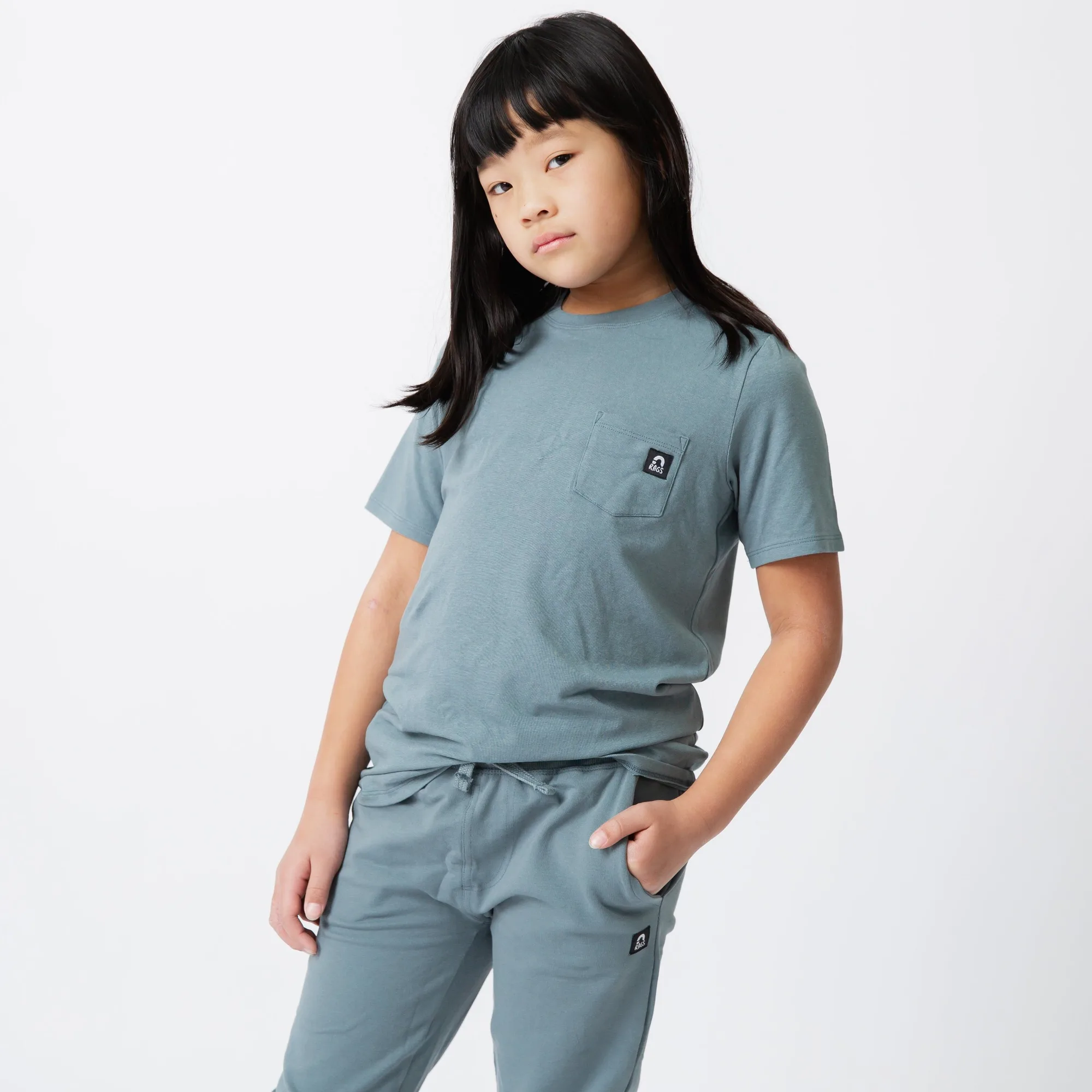
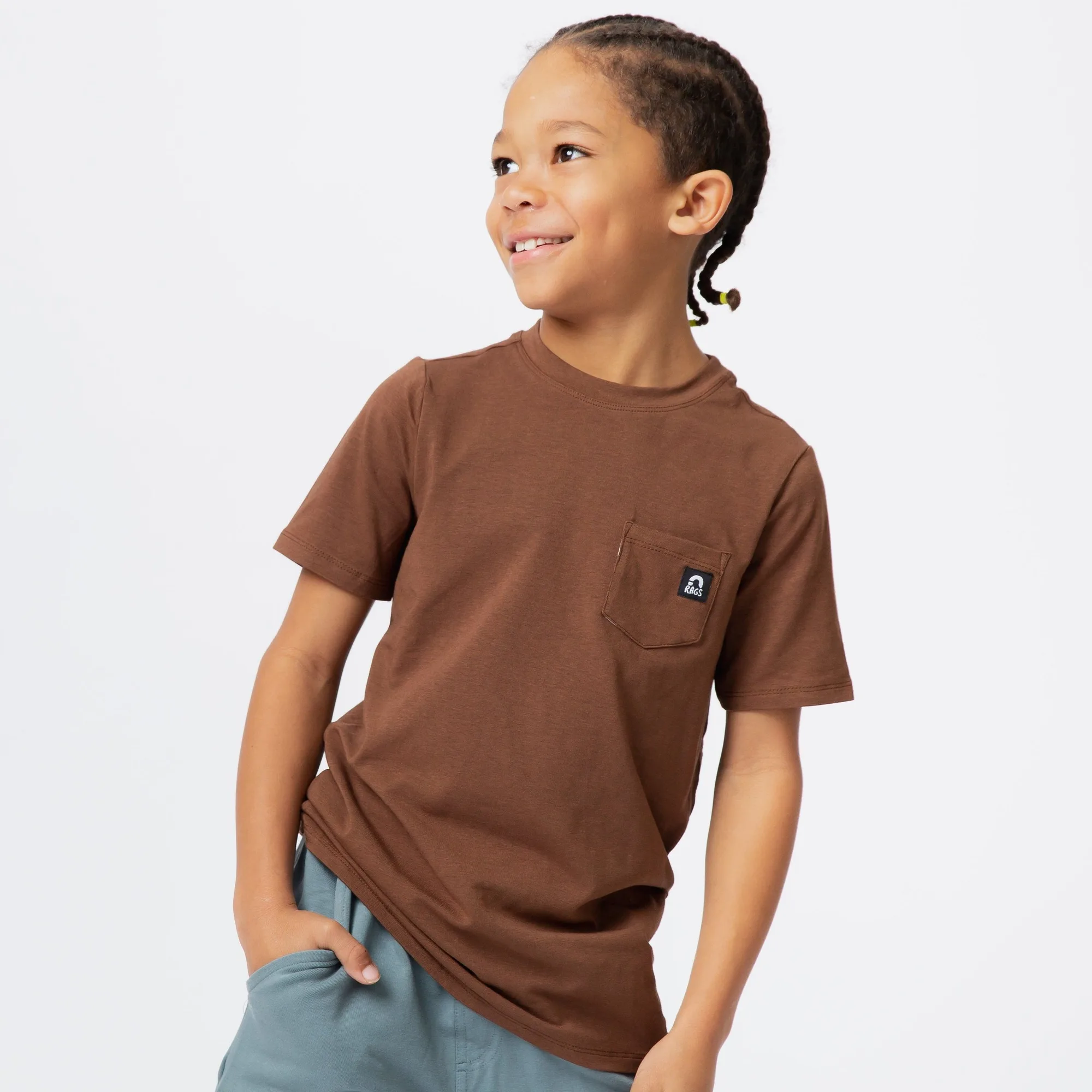
- Essentials Short Sleeve Tee - Curry: Essentials Short Sleeve Tee - Curry is made with buttery soft material and has a chest pocket, available in sizes 2T - 11/12Y. A dyed tee with a chest pocket should be washed inside out on a gentle cycle to protect both the color and the pocket stitching from abrasion.
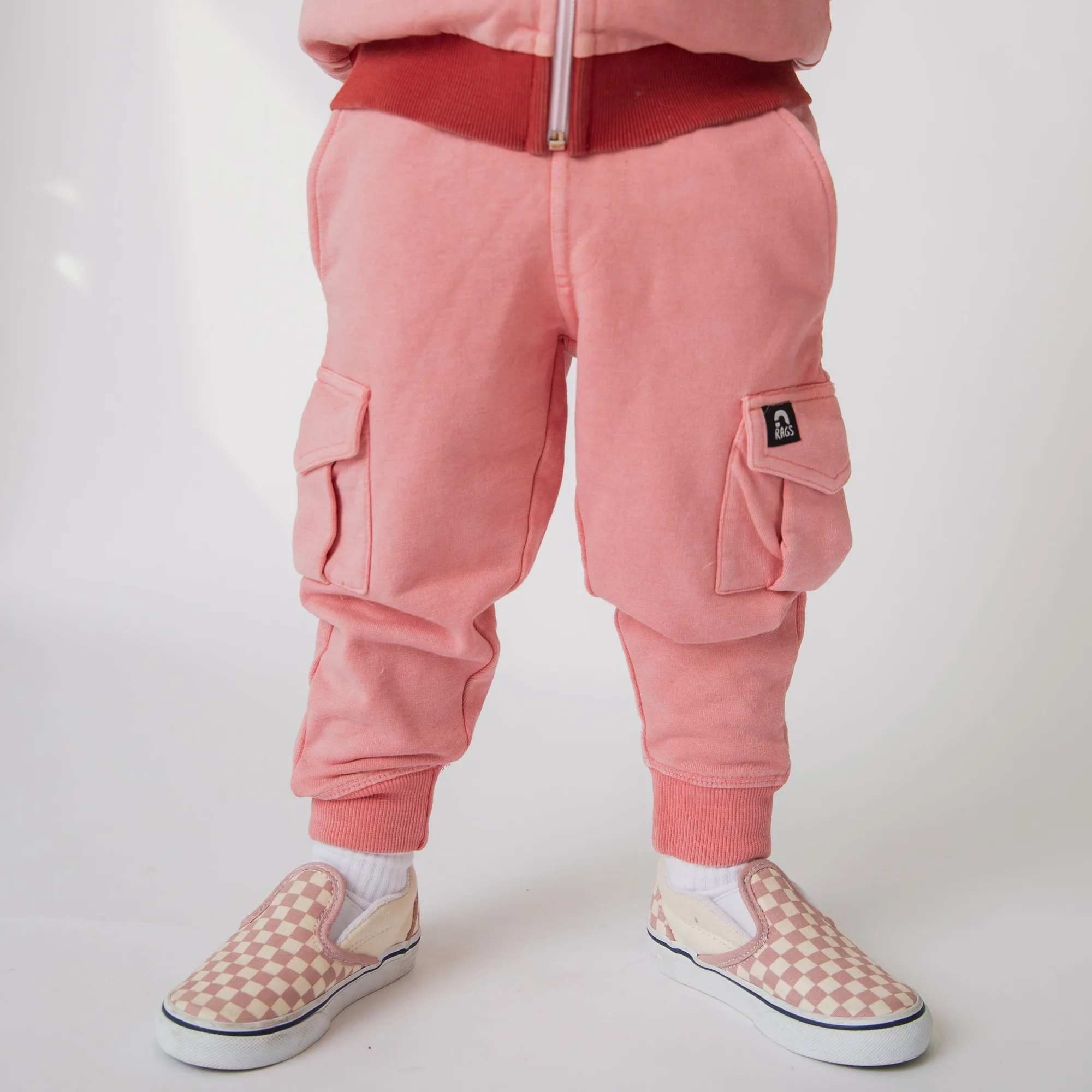
- Relaxed Fit Joggers - Washed Black Denim Check: Relaxed Fit Joggers - Washed Black Denim Check are made from washed black denim with a black denim check pattern and a stretchy drawstring, available in sizes 2T - 12Y. Dark denim joggers can transfer dye in the wash, so keep them in a separate dark load rather than mixing them with light or brightly colored tees.