Anime figures have come a long way since their humble beginnings as simple promotional items. What started as basic vinyl toys has transformed into a multi-billion-dollar industry, with collectors seeking out highly detailed pieces that capture every nuance of their favorite characters. The evolution of anime figures is a testament to the growing appreciation for anime as an art form and the incredible craftsmanship of figure manufacturers.
In this article, we'll take a journey through the history of anime figures, exploring the key milestones that have shaped the industry, from early garage kits to today's mass-produced masterpieces. Whether you're a seasoned collector or just starting out, understanding this evolution can help you appreciate the artistry behind your favorite pieces and make more informed purchasing decisions.
The Early Days: Simple Vinyl and Rubber Figures
The history of anime figures dates back to the 1960s and 1970s, when early anime series like Astro Boy and Gigantor spawned simple tin toys and rubber figures. These were often produced as cheap promotional items or children's toys, with basic paint applications and limited articulation. They were more about function than form, serving as simple representations of beloved characters rather than detailed collectibles.
During this period, figures were typically made from soft vinyl or rubber, which allowed for mass production at low cost. However, the lack of detail and accuracy meant that they didn't appeal to serious collectors. It wasn't until the 1980s that the industry began to shift, as the rise of otaku culture in Japan created a demand for more accurate and higher-quality figures.
- Early figures were often unlicensed and varied widely in quality.
- The 1980s saw the emergence of garage kits, which were resin models that required assembly and painting.
The Garage Kit Boom and the Birth of Detailed Figures
The 1980s marked a turning point in the evolution of anime figures with the advent of garage kits. These were unlicensed resin kits produced by small hobbyists, often based on popular anime and manga characters. Enthusiasts would buy these kits and spend hours assembling and painting them, resulting in highly detailed and unique figures that were far superior to mass-produced toys.
Garage kits were instrumental in pushing the boundaries of figure craftsmanship. They allowed for greater sculpting detail and more accurate proportions, setting a new standard for what fans expected. Although they required significant skill and effort, they laid the groundwork for the professional figure industry that would emerge in the following decades. The demand for pre-painted, high-quality figures grew, leading companies like Good Smile Company and Max Factory to enter the market.
The Rise of Mass-Produced Masterpieces
In the 1990s and 2000s, the anime figure industry experienced a revolution with the introduction of advanced manufacturing techniques. Companies began producing pre-painted, highly detailed figures using PVC and ABS plastics, which allowed for intricate sculpts and vibrant colors. This era saw the birth of iconic lines like the Figma series and Nendoroids, which offered both articulation and detail, appealing to a wide range of collectors.
Today, the market is flooded with an incredible variety of figures, from prize figures to scale figures, each offering different levels of detail and price points. Scale figures, in particular, have become the pinnacle of craftsmanship, with manufacturers like Alter and Kotobukiya producing pieces that are true works of art. The attention to detail in these figures is astonishing, with accurate facial expressions, dynamic poses, and intricate accessories that bring characters to life.
- Scale figures often require years of design and production, resulting in limited quantities and higher prices.
- Blind boxes have also become popular, offering a fun and affordable way to collect figures with varying rarity.
The Impact of Technology and Innovation
In recent years, technology has played a significant role in the evolution of anime figures. 3D modeling and printing have streamlined the prototyping process, allowing for more complex designs and faster production. Additionally, new painting techniques and materials have enabled manufacturers to achieve even greater levels of realism, from skin tones to clothing textures.
The industry has also seen a rise in collaborations between anime studios and figure companies, leading to official, high-quality merchandise that captures the essence of the source material. For example, the popular series Link Click has inspired a range of collectibles, including keychains and standees, that allow fans to own a piece of their favorite show. These products may not be as detailed as scale figures, but they offer a more accessible entry point for collectors.
As the industry continues to evolve, we can expect even more innovative approaches to figure design and production. From interactive figures with LED lights to those with interchangeable parts, the possibilities are endless. The evolution of anime figures is far from over, and it's an exciting time to be a collector.
How to Choose Your First Highly Detailed Figure
With so many options available, choosing your first highly detailed figure can be overwhelming. Here are a few tips to help you get started: First, consider your budget. Scale figures can range from $50 to several hundred dollars, so it's important to set a limit. Second, decide on a character or series you love; this will make the figure more meaningful. Third, research the manufacturer and read reviews to ensure quality.
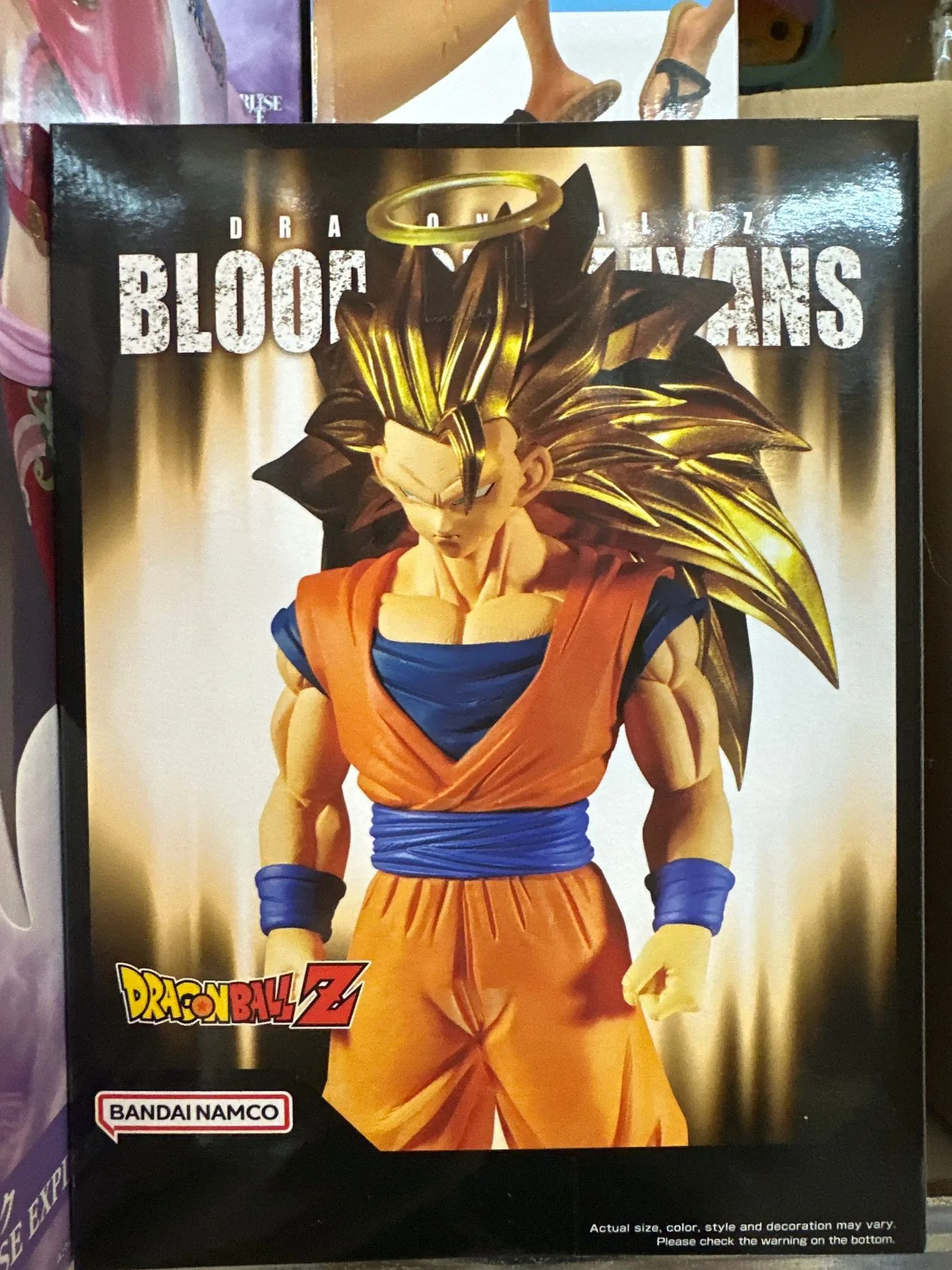
If you're looking for a balance between detail and affordability, prize figures are a great option. They are often less expensive but still offer impressive sculpting and paintwork. For example, the Dragon Ball figure from our store is a popular choice among fans, offering a dynamic pose and vibrant colors at a reasonable price. Alternatively, if you're a fan of Naruto, the Naruto Shippuden Child Series Blind Box provides a fun way to collect detailed figures of your favorite characters in their younger forms.
The Future of Anime Figures
The anime figure industry shows no signs of slowing down. With the global popularity of anime continuing to rise, demand for high-quality figures is at an all-time high. Manufacturers are constantly pushing the boundaries of what's possible, and collectors are always eager for the next big release.
One trend to watch is the increasing use of eco-friendly materials and sustainable practices in figure production. As consumers become more environmentally conscious, companies are responding by exploring biodegradable plastics and recyclable packaging. Another trend is the integration of digital elements, such as augmented reality, to enhance the collecting experience.
Whether you're a veteran collector or a newcomer, the evolution of anime figures offers something for everyone. From simple beginnings to highly detailed masterpieces, the journey has been remarkable, and the future looks even brighter.
The evolution of anime figures is a story of passion, innovation, and artistry. From humble vinyl toys to intricate works of art, these collectibles have become a beloved part of anime culture. As you explore the world of anime figures, remember to appreciate the craftsmanship and history behind each piece. And if you're ready to start or expand your collection, check out our selection of detailed figures, including the 89370 Dragon Ball figure and the 07312 Naruto Shippuden Child Series Blind Box, to find your next treasure.
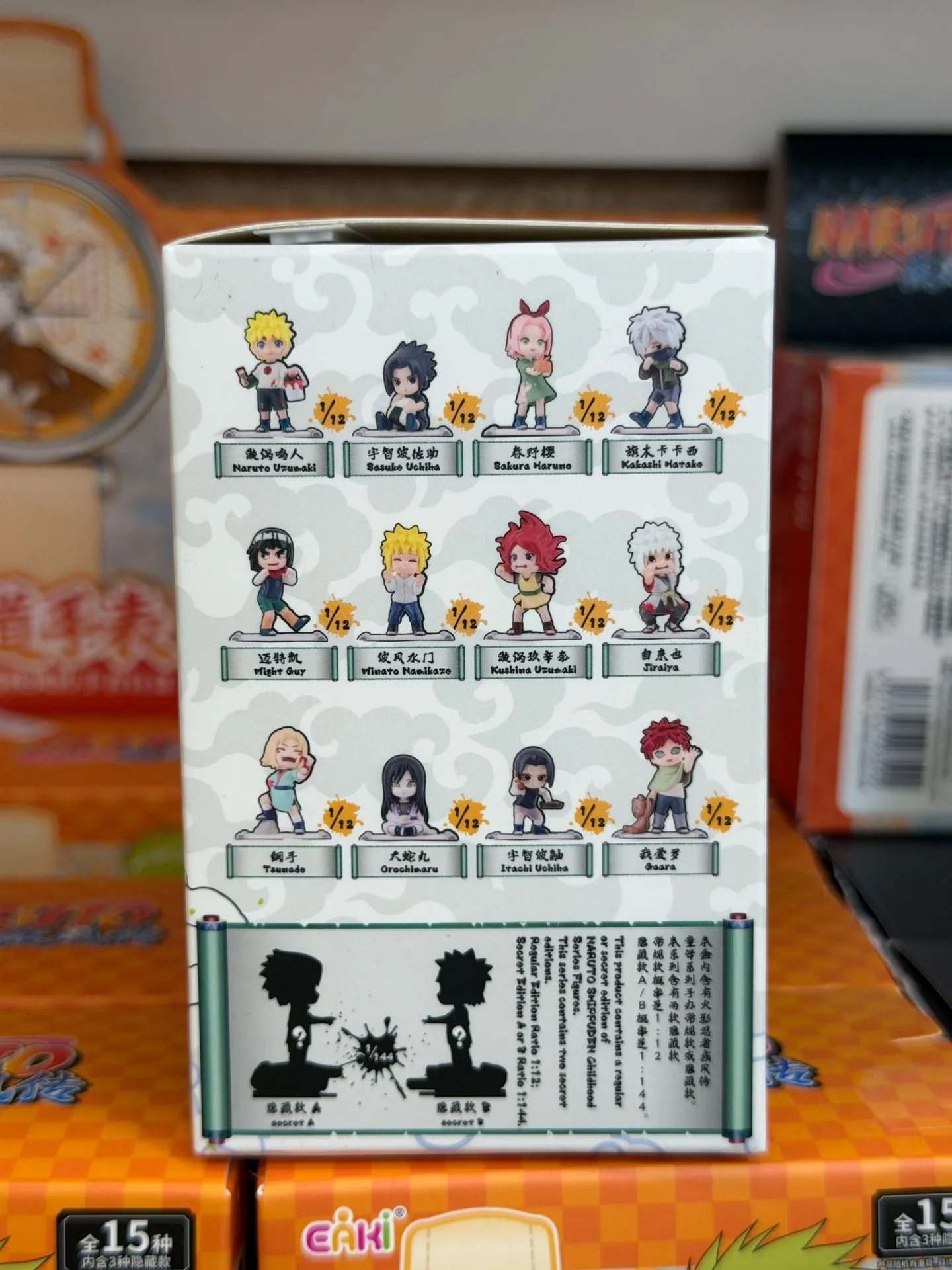
07312 Naruto Shippuden Child Series Blind Box