Quick answer
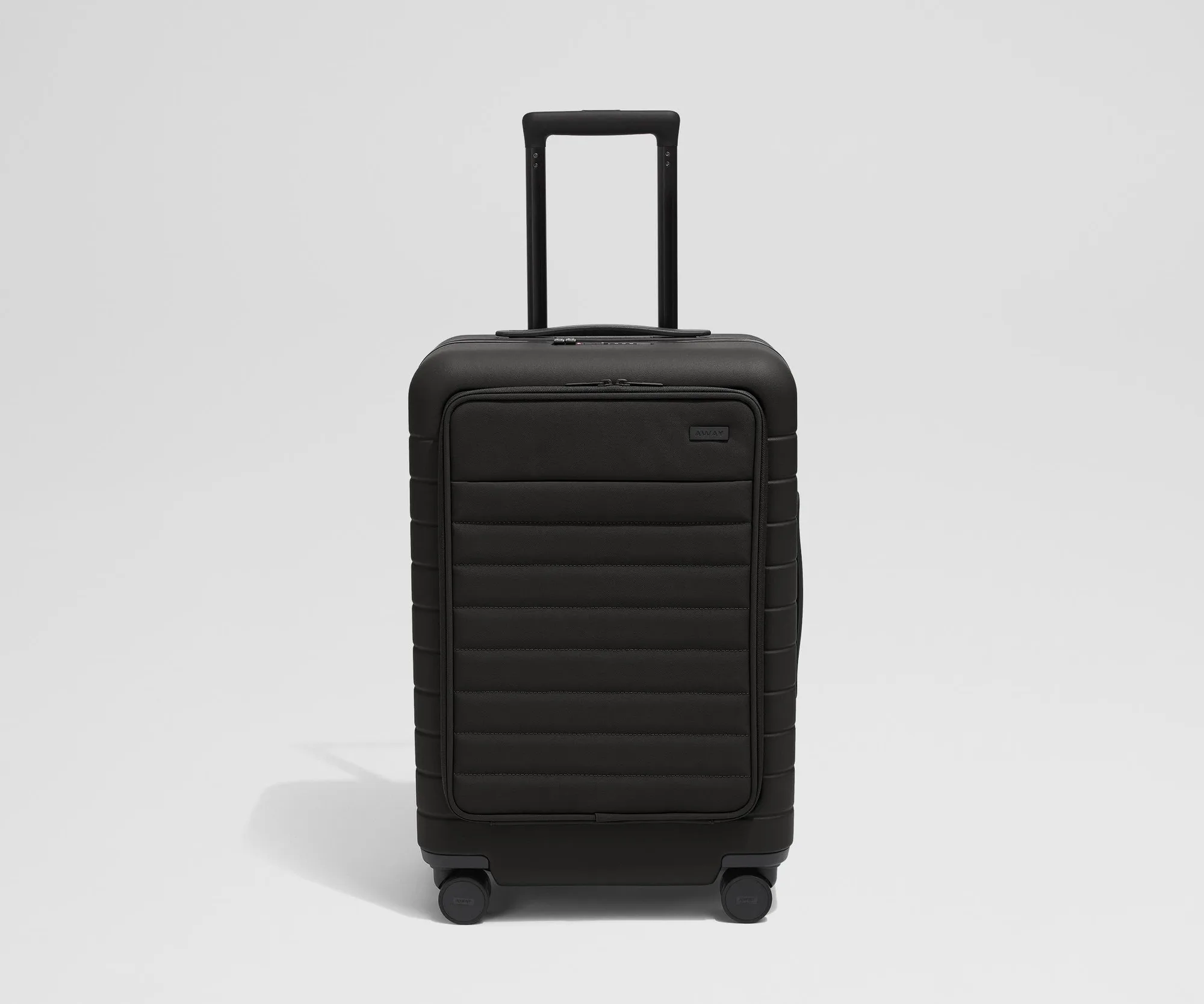
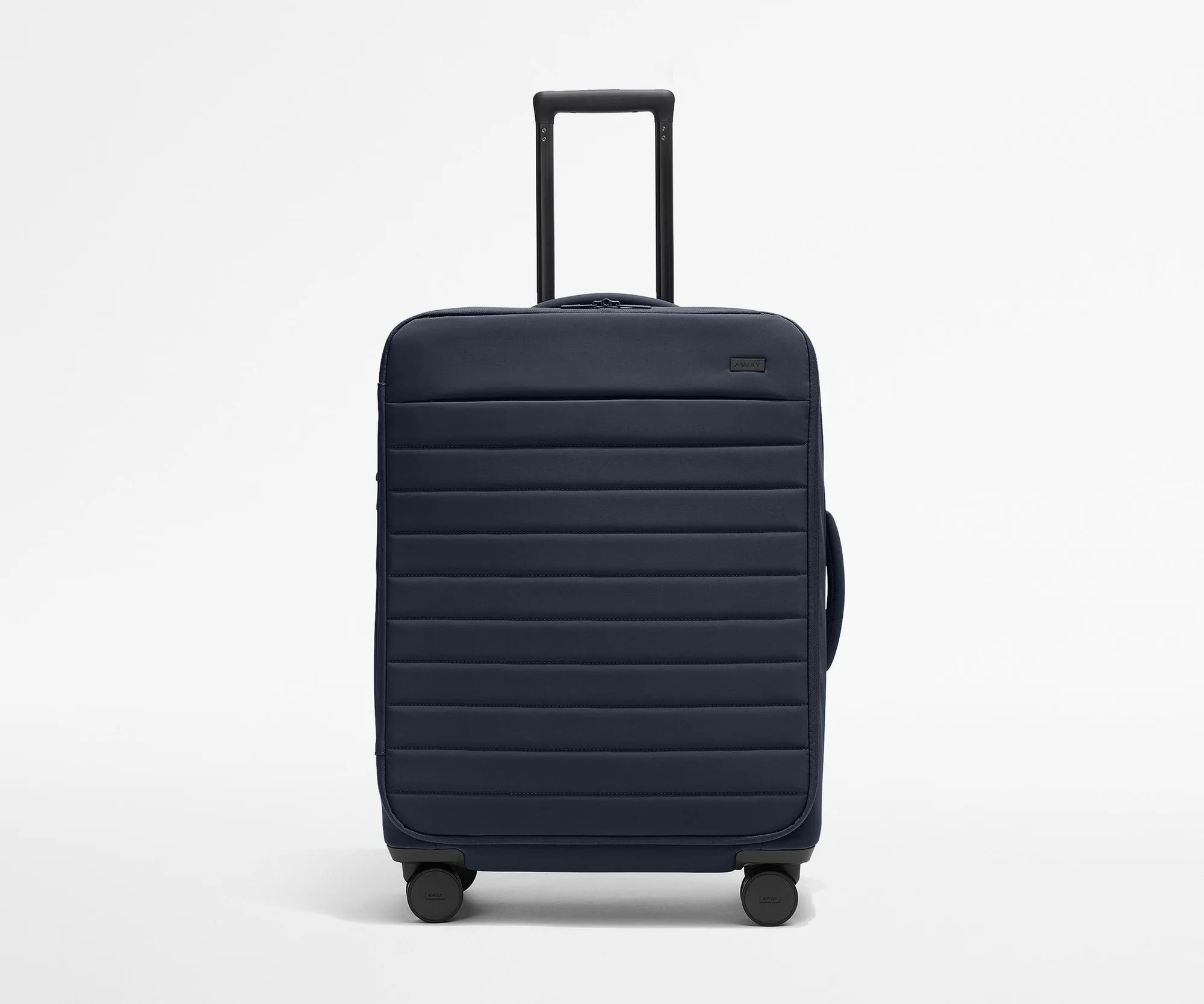
For most business travelers, The Executive Bigger Carry-On is the better pick: it's lighter to lift into an overhead bin and easier to organize with a front pocket for a laptop and documents. Choose The Aluminum Edge Carry-On if you want a striking aluminum hard shell and don't mind the extra weight and a higher price. If you prefer a soft exterior, the Softside Medium is a lighter, lower-cost alternative.
If you're choosing between The Executive Bigger Carry-On and The Aluminum Edge Carry-On, the decision usually comes down to two things: how much you want a front pocket for work gear, and whether you prefer a polycarbonate or aluminum shell. Both are carry-on-sized, but they're built for different kinds of trips.
This comparison uses the supplied catalog facts for each model, plus a few related Away options like the Softside Medium and https://awaytravelenm.com/products/medium-flex-e009f15537a9ef872a15d1d0-1800918The Medium Flex, so you can match the suitcase to how you actually travel.
Shell material and weight
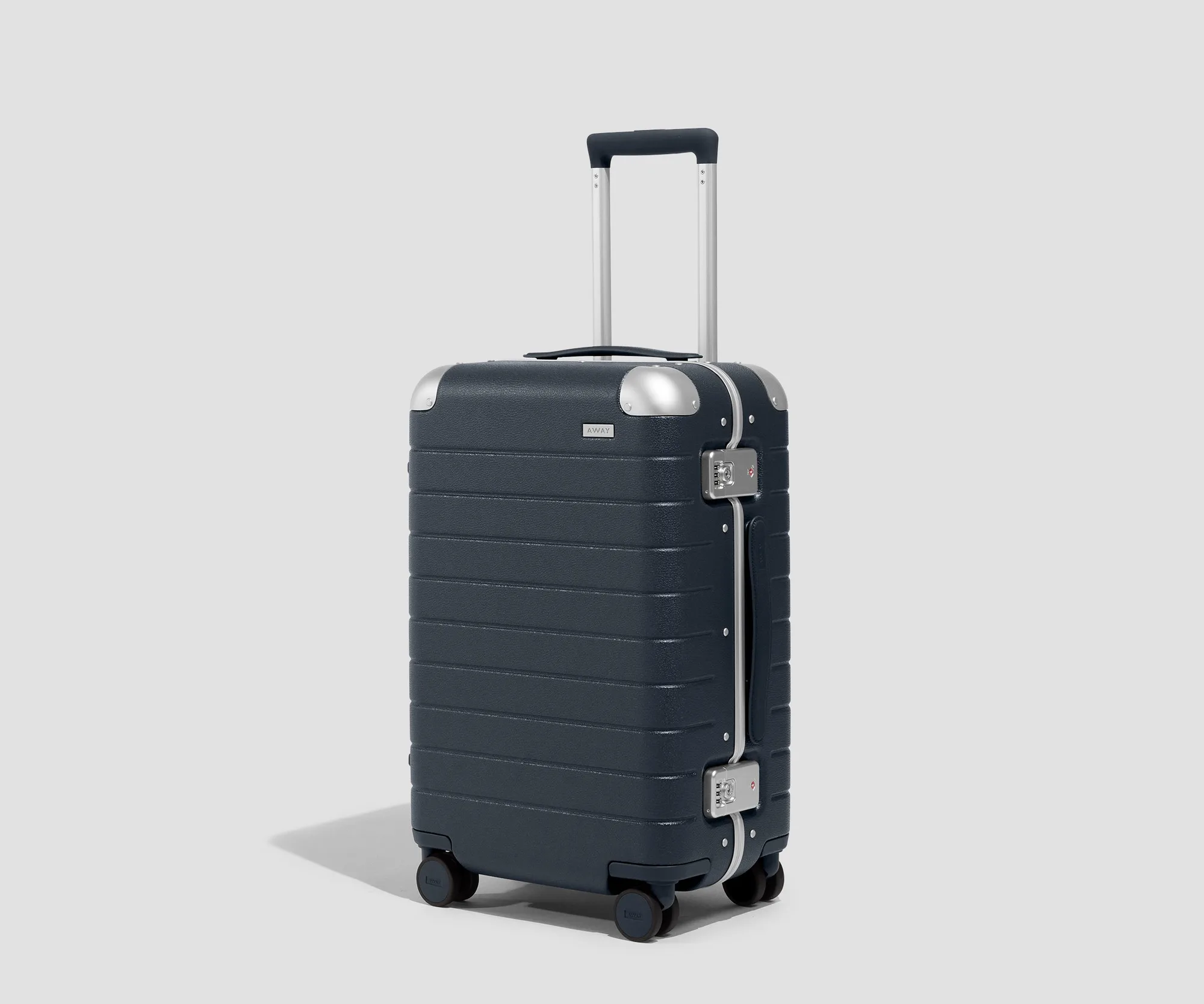
The Aluminum Edge Carry-On uses an aluminum hard shell, which gives it a rigid, premium feel and a distinctive look. That rigidity is great for protecting contents, but aluminum is generally heavier than polycarbonate, so lifting it into an overhead bin takes more effort. The Executive Bigger Carry-On uses a polycarbonate hard shell, which is lighter and more forgiving when you're moving quickly through an airport.
Neither shell is automatically better. Aluminum resists flex and can look sharp for years; polycarbonate absorbs impact and keeps the bag lighter. If you frequently lift your bag overhead or walk long terminals, the weight difference matters more than the finish.
- Weigh your typical packed load before deciding; a heavier shell is more noticeable when full.
- If you check a bag occasionally, a heavier aluminum shell is less of a daily burden.
Packing and organization
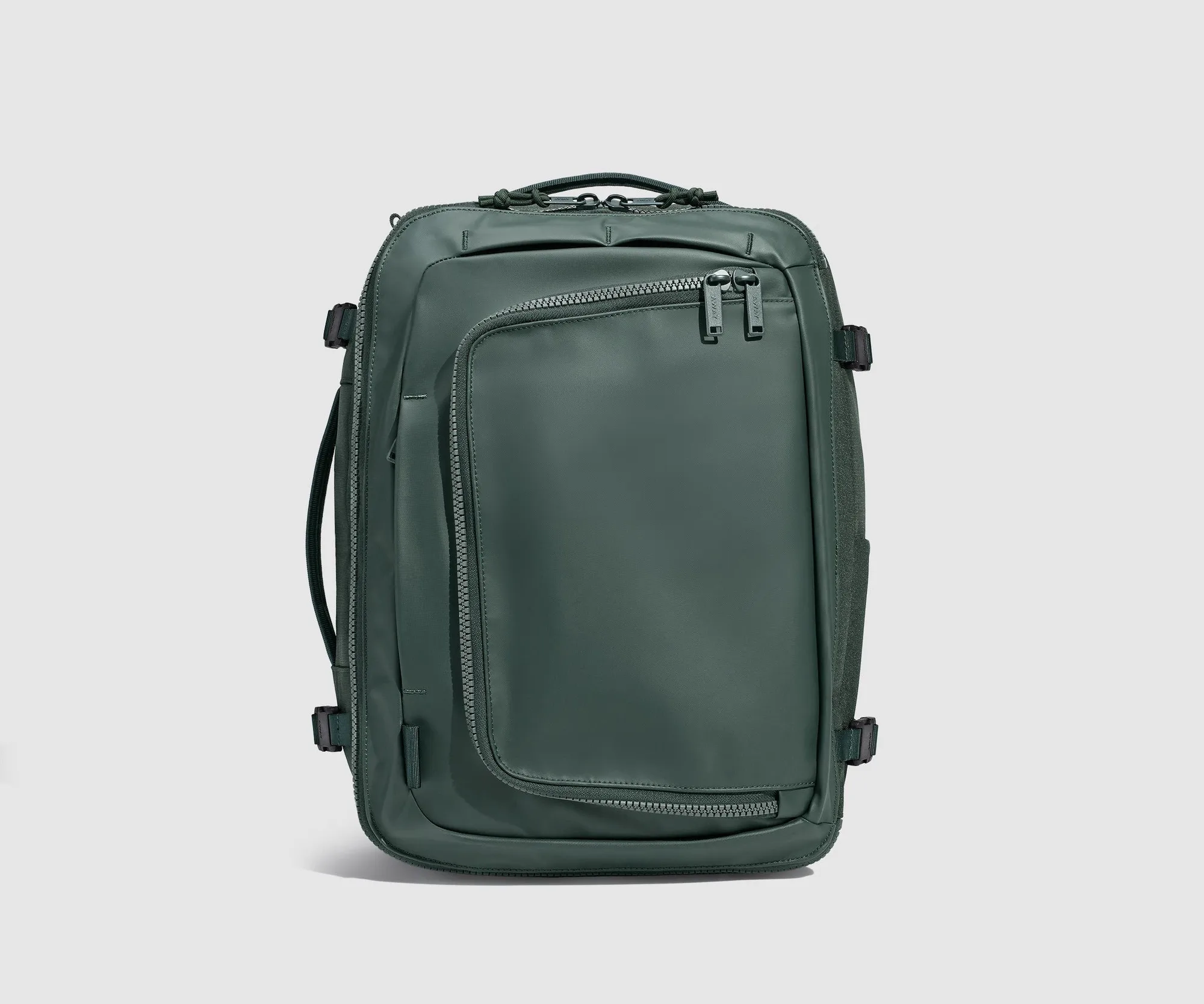
The Executive Bigger Carry-On is designed with a front pocket that fits a laptop and a few documents, which means you can keep work essentials accessible without opening the main compartment. The Aluminum Edge Carry-On relies on a clamshell layout with a signature interior compression system, so you pack in two halves and compress everything down.
That difference changes your travel routine. With the Executive, you can pull out your laptop at security and slide it back in without repacking. With the Aluminum Edge, you get a cleaner, more uniform packing surface and compression that helps with bulkier clothing.
- If you carry a laptop and a notebook daily, a front pocket saves time at security.
- If you pack mostly clothes and shoes, a clamshell with compression is more efficient.
Price and value
In the supplied catalog, The Aluminum Edge Carry-On is listed at USD 312.50, while The Executive Bigger Carry-On is not priced in the supplied records. That gap matters: aluminum shells typically cost more because of the material and construction. If budget is a primary concern, the Softside Medium at USD 147.50 and The Medium Flex at USD 197.50 are lower-cost checked options, though they're sized differently.
Value isn't only about the sticker price. A lighter bag you'll actually carry every week can be worth more than a heavier one that stays in the closet. Decide how often you'll travel and whether the aluminum finish is worth the premium to you.
- Compare the price against how many trips you take per year.
- If you only fly a few times a year, a lower-cost softside or flex option may be enough.
Size, capacity, and fit
Both are carry-on-sized, but the supplied facts don't list exact dimensions or capacity for either model, so measure your airline's overhead-bin limits before you buy. The Executive Bigger Carry-On is built around a larger carry-on profile, while The Aluminum Edge Carry-On is described as sized to fit most major airlines' overhead bins and compact enough for train and car trips.
If you need more space for a one- to two-week trip, the checked-size options are worth a look: The Medium Flex expands for an additional 1.75 inches (4.5 cm), and The Trunk offers extra capacity with a slimmer top lid and deeper main compartment. Those are different use cases, but they're the right comparison if your carry-on is consistently overstuffed.
- Check your airline's carry-on limit before choosing a bigger carry-on.
- If you regularly overpack, step up to a checked bag rather than forcing a carry-on.
Durability and care
Aluminum shells resist flex and can hide minor scuffs differently than polycarbonate, which tends to absorb impact. The supplied facts describe the Aluminum Edge Carry-On as built to last, and both models use 360-degree spinner wheels for smooth rolling. Neither model's warranty terms are included in the supplied records, so check the product page for current coverage details.
For care, wipe shells with a soft damp cloth and avoid abrasive cleaners. If you add a tag, the Aluminum Edge Tag in No. 20 Pine and The Luggage Tag in are both listed as accessories, and a tag helps identify your bag on a crowded carousel.
- Use a soft cloth and mild soap for both aluminum and polycarbonate shells.
- Add a luggage tag so your bag is easy to spot at baggage claim.
Trade-offs to weigh
- Front pocket vs clamshell packing: The Executive Bigger Carry-On's front pocket keeps a laptop and documents accessible; The Aluminum Edge Carry-On's clamshell layout with compression is better for packing clothes evenly. Choose the front pocket if you work from your bag; choose the clamshell if you pack mostly clothing.
- Aluminum vs polycarbonate shell: Aluminum feels more rigid and premium but is generally heavier; polycarbonate is lighter and absorbs impact. If you lift your bag overhead often, weight matters more than finish.
- Price and capacity: The Aluminum Edge Carry-On is listed at USD 312.50 in the supplied catalog; The Executive Bigger Carry-On is not priced in the supplied records. Checked options like the Softside Medium and The Medium Flex cost less and hold more. Match the price to how often you travel, and step up to a checked bag if your carry-on is always full.
Product facts at a glance
- The Carry-On: Aluminum Edition: Striking aluminum hard shell, 360° spinner wheels, and a signature interior compression system; sized to fit most major airlines' overhead bins. A rigid, premium shell with smooth rolling and compression packing, but aluminum is generally heavier to lift overhead.
- Softside Medium: Soft, high-strength nylon exterior with an iconic expansion feature; medium size is described as perfect for a 1-2 week getaway. A lighter, lower-cost alternative if you prefer a soft exterior and need checked-bag capacity.
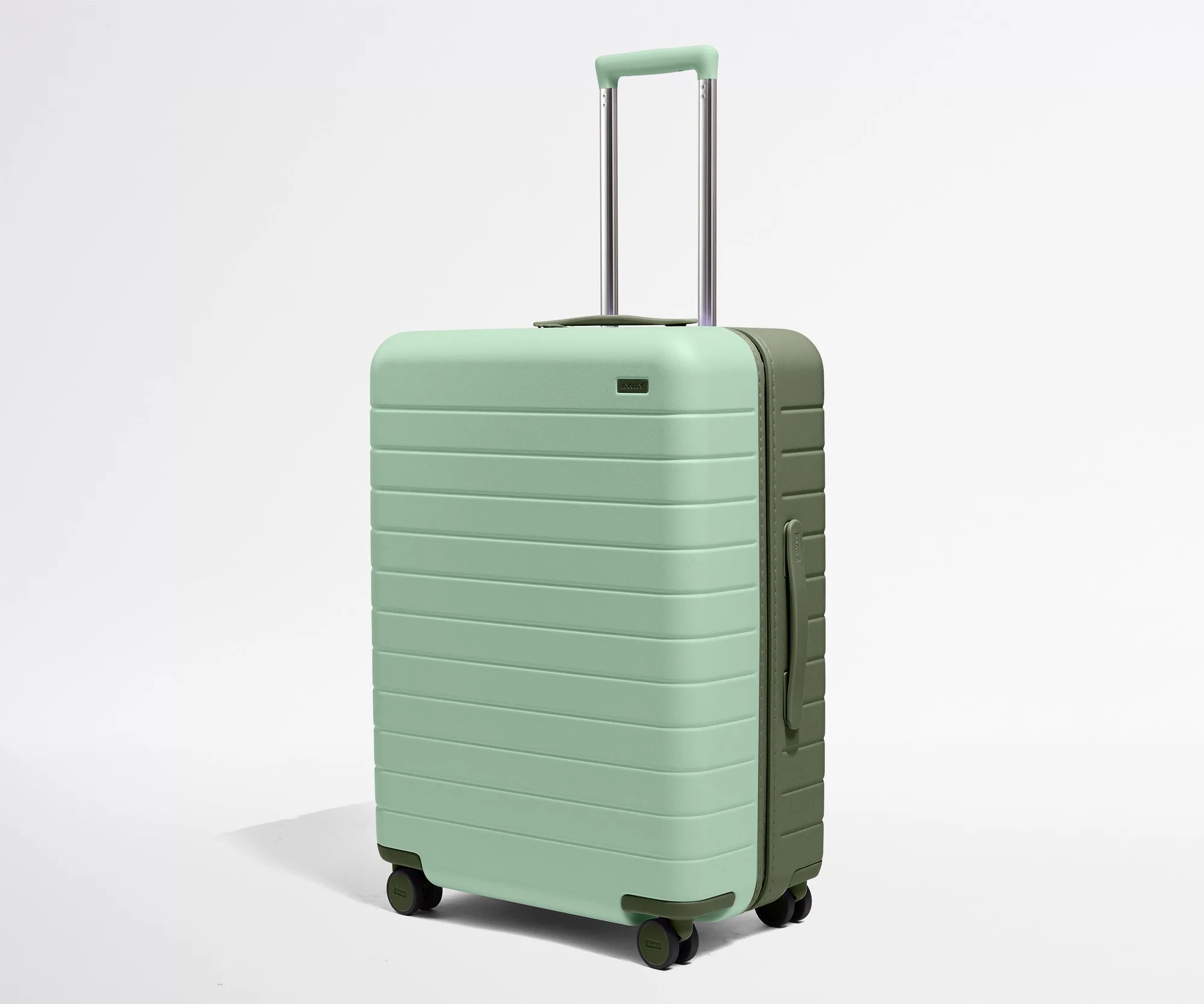
- The Medium Flex: Wraparound expandable zipper adds 1.75 inches (4.5 cm) of packing space; midsize checked suitcase for 1-2 week trips. Useful when you need extra room on the return leg without switching bags.
- The Trunk: Checked suitcase with extra capacity, a slimmer top lid, and a deeper main compartment for easy access and packing. A better fit for longer trips or bulky items than a carry-on.
Which one should you choose?
Best for
- Business travelers who carry a laptop and want quick access at security
- Travelers who prefer a lighter polycarbonate shell and a larger carry-on profile
Not for
- Travelers who want a rigid aluminum shell and don't mind extra weight
- Anyone who consistently overpacks a carry-on and needs checked-bag capacity
Pick The Executive Bigger Carry-On if you want a lighter, work-friendly carry-on with a front pocket. Pick The Aluminum Edge Carry-On if the aluminum shell and compression packing matter more than weight. If your trips run one to two weeks, a checked option like the Softside Medium or The Medium Flex is the more practical choice.