Exfoliation is a cornerstone of any effective skincare routine, yet it's often misunderstood. With so many products on the market, from gritty scrubs to acid toners, it's easy to feel overwhelmed. This exfoliante guide will break down the two main types: physical and chemical exfoliants, explaining how they work, their benefits, and how to choose the right one for your skin.
Whether you're dealing with acne, signs of aging, or just dullness, the right exfoliant can transform your complexion. But using the wrong type can lead to irritation, redness, and even damage. Let's dive into the world of exfoliation and help you make an informed decision.
What Are Physical Exfoliants?
Physical exfoliants, also known as mechanical exfoliants, work by manually removing dead skin cells from the surface of your skin. They typically contain small, abrasive particles like sugar, salt, jojoba beads, or crushed fruit seeds. When you massage them onto your skin, the friction helps slough off the outer layer of dead cells, revealing fresher, smoother skin underneath.
Physical exfoliants are often preferred for their immediate results. After using a scrub, your skin feels noticeably softer and looks more radiant right away. They are also great for targeting rough areas like elbows, knees, and feet. However, they require a gentle hand; applying too much pressure or using them too often can cause micro-tears in the skin, leading to irritation and inflammation.
- Ideal for normal to oily skin types
- Provides instant smoothness and glow
- Use 1-2 times per week maximum
- Avoid if you have active acne or broken skin
What Are Chemical Exfoliants?
Chemical exfoliants use acids or enzymes to dissolve the bonds between dead skin cells, allowing them to shed naturally. The most common types are alpha-hydroxy acids (AHAs) like glycolic and lactic acid, which are water-soluble and work on the skin's surface, and beta-hydroxy acids (BHAs) like salicylic acid, which are oil-soluble and can penetrate deeper into pores to unclog them.
Chemical exfoliants are often more gentle and even than physical ones, making them suitable for sensitive and acne-prone skin. They also offer additional benefits, such as stimulating collagen production (AHAs) and reducing inflammation (BHAs). While they don't give the instant gratification of a scrub, regular use leads to long-term improvements in texture, tone, and clarity.
- Best for sensitive, dry, or aging skin
- Helps with acne and blackheads when using BHA
- Can be used more frequently (2-3 times a week)
- Always wear sunscreen as they can increase photosensitivity
Physical vs Chemical: Key Differences
The main difference lies in their mechanism of action. Physical exfoliants rely on friction, while chemical exfoliants use acids or enzymes. This distinction affects everything from how they feel on the skin to their suitability for different skin types.
Physical exfoliants are straightforward and satisfying to use, but they can be harsh if you're not careful. Chemical exfoliants require a bit more knowledge to choose the right acid and concentration, but they offer more targeted benefits and are generally gentler on the skin barrier.
- Physical: immediate results, but risk of over-exfoliation
- Chemical: gradual results, but more precise and often safer
- Physical: good for body exfoliation
- Chemical: better for face, especially for acne and aging
How to Choose the Right Exfoliant for Your Skin
Choosing between physical and chemical exfoliants depends on your skin type, concerns, and personal preference. If you have oily, non-sensitive skin and enjoy the feeling of a scrub, a gentle physical exfoliant like the Purifying Scrub 200 ml can be a great addition to your weekly routine. It contains fine granules that effectively remove dead skin without being too abrasive.
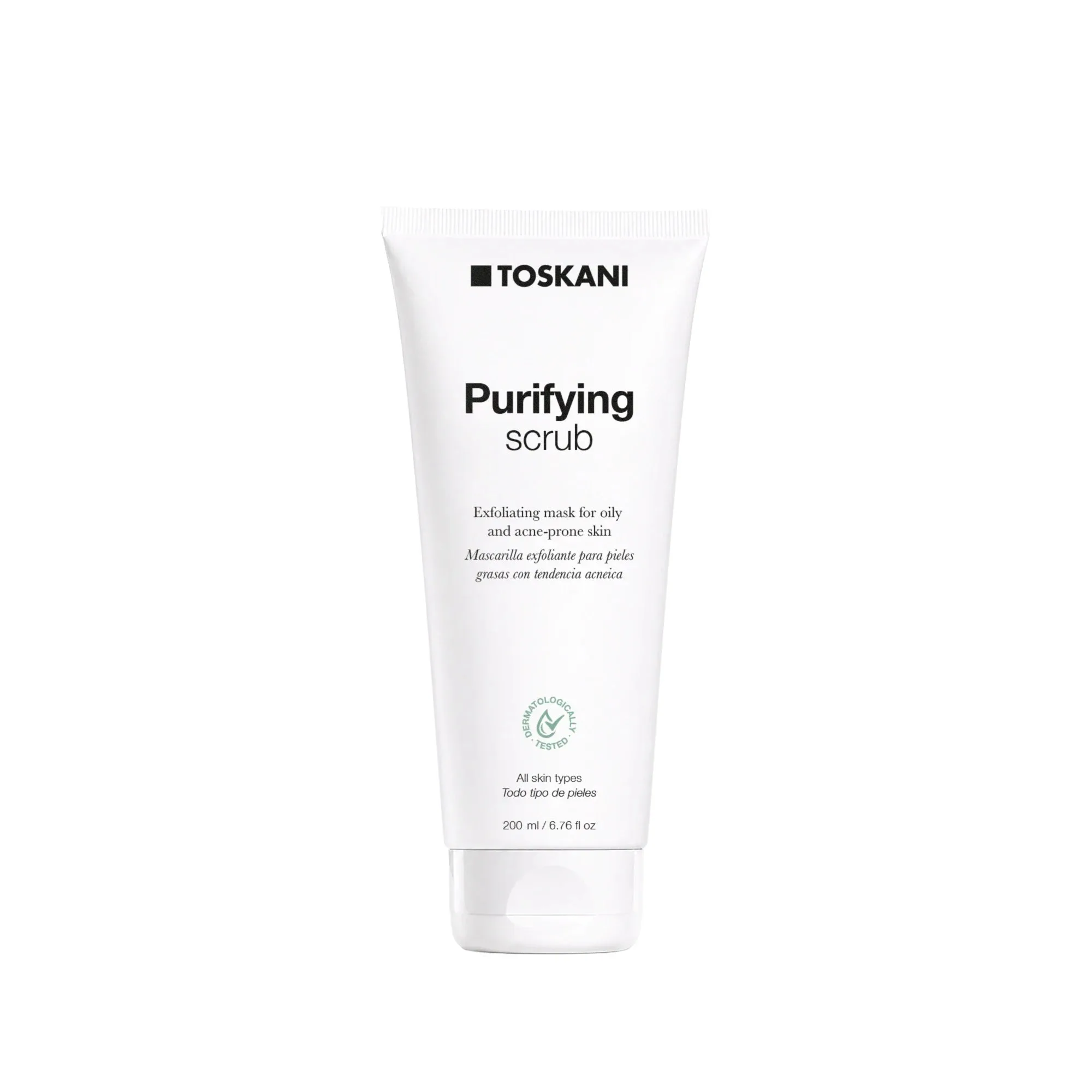
Purifying Scrub 200 ml
For those with acne-prone skin, a chemical exfoliant with salicylic acid is often more effective as it can penetrate pores and reduce breakouts. Our Purifying intensive serum is formulated with exfoliating acids that help clear congestion and refine pores. Similarly, if you're concerned about aging, AHAs like glycolic acid can boost collagen and fade fine lines. Consider incorporating a gentle chemical exfoliant into your evening routine.
Purifying intensive serum
- Sensitive skin: opt for chemical exfoliants with PHA or low concentrations of AHA
- Acne-prone skin: choose BHA (salicylic acid) products
- Aging skin: look for AHAs like glycolic or lactic acid
- Combination: you can alternate between physical and chemical throughout the week
Exfoliant for Acne: Which One Works Best?
Acne is a complex condition that involves excess oil, clogged pores, and inflammation. Physical exfoliants can actually worsen acne by spreading bacteria and irritating existing breakouts. Chemical exfoliants, specifically BHAs, are the preferred choice because they can dissolve the oil and dead skin inside pores, reducing blackheads and whiteheads.
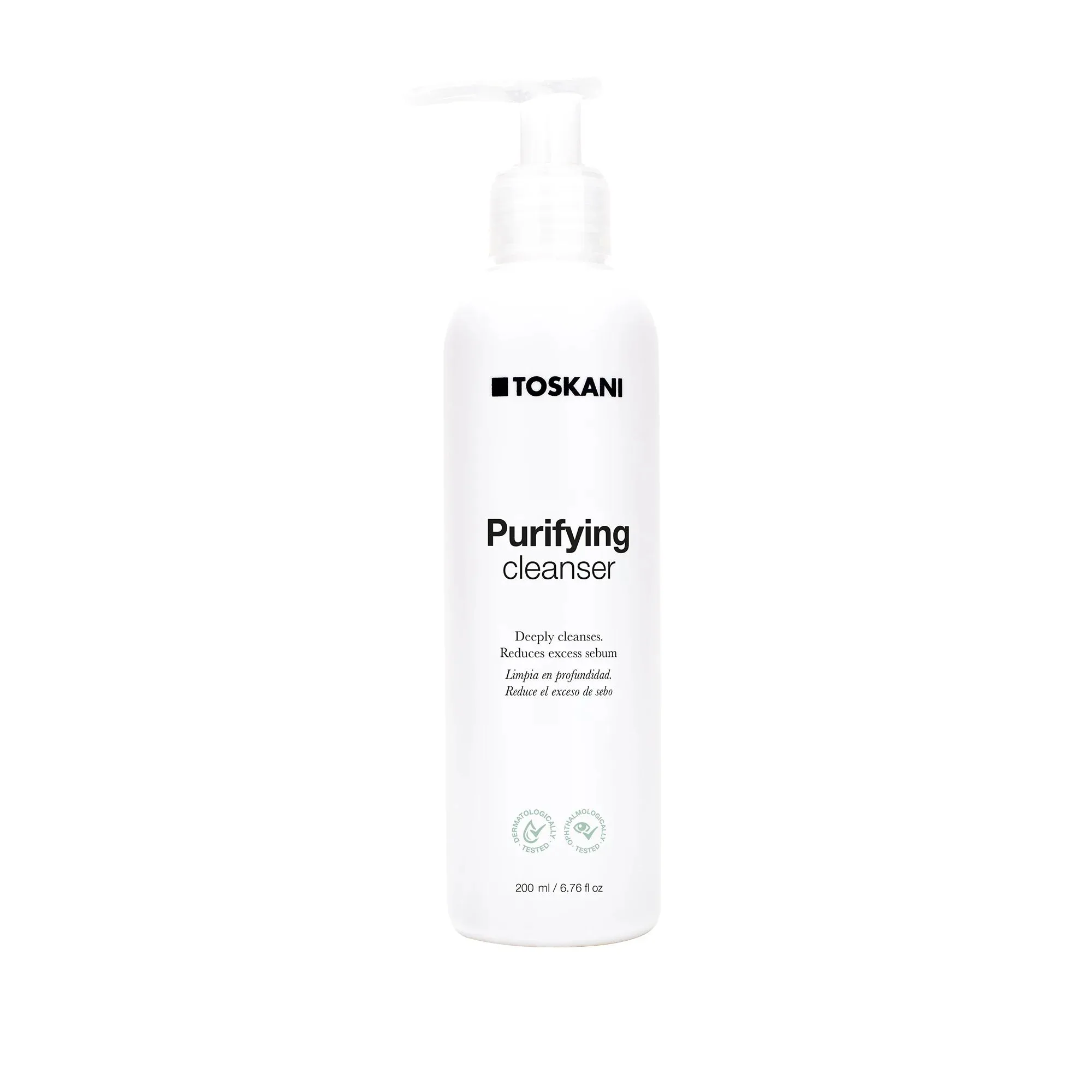
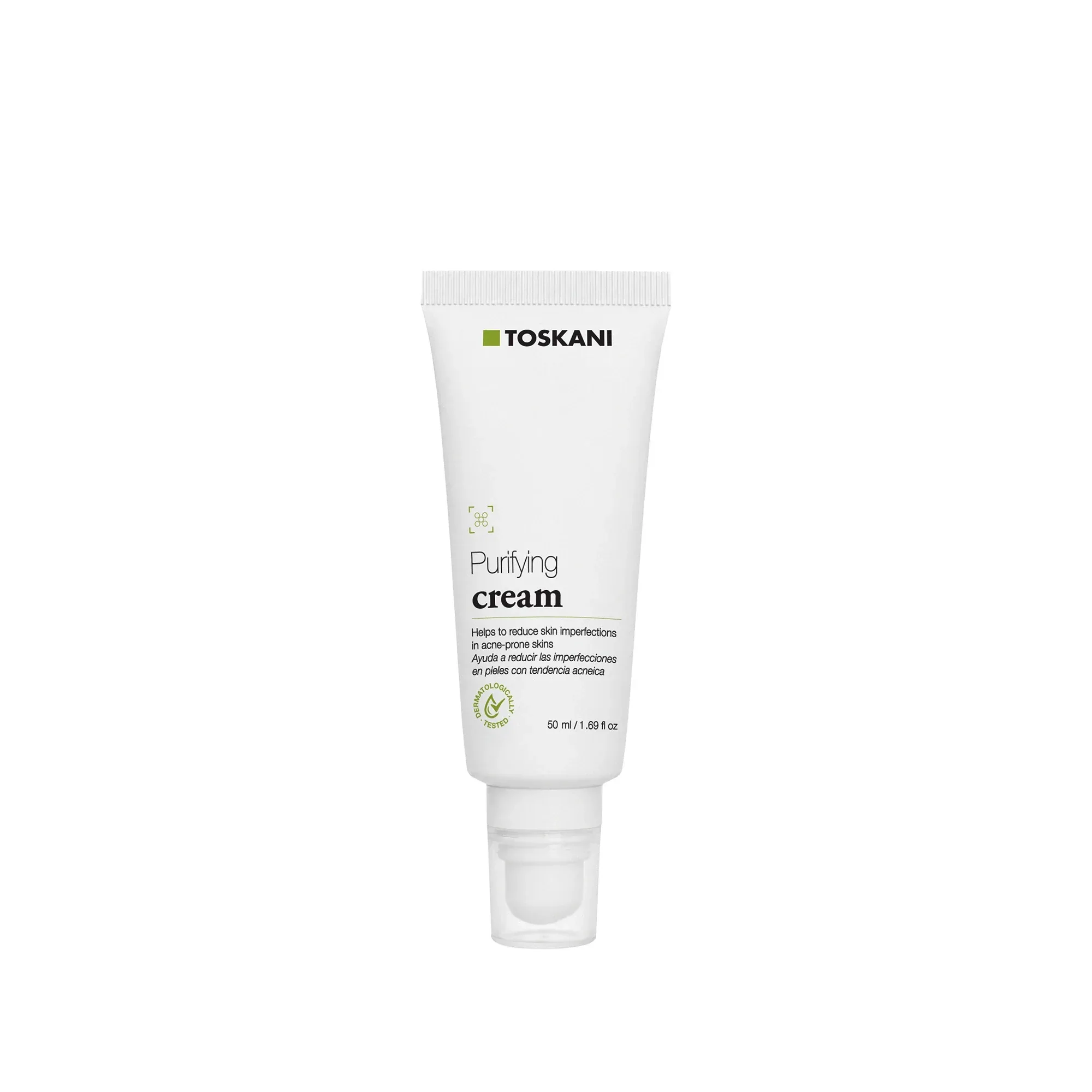
Products like the Purifying Cleanser and Purifying cream are designed to support acne-prone skin by combining gentle exfoliation with purifying ingredients. The Purifying Cleanser contains salicylic acid to unclog pores, while the Purifying cream provides lightweight hydration without clogging. Together, they create an effective routine for managing breakouts.
- Use a BHA exfoliant 2-3 times a week
- Avoid physical scrubs on active acne
- Pair with a non-comedogenic moisturizer
Exfoliant for Aging Skin: What to Look For
As we age, cell turnover slows down, leading to dullness, fine lines, and uneven texture. Chemical exfoliants, especially AHAs, are excellent for aging skin because they not only remove dead cells but also stimulate collagen production and improve skin firmness.
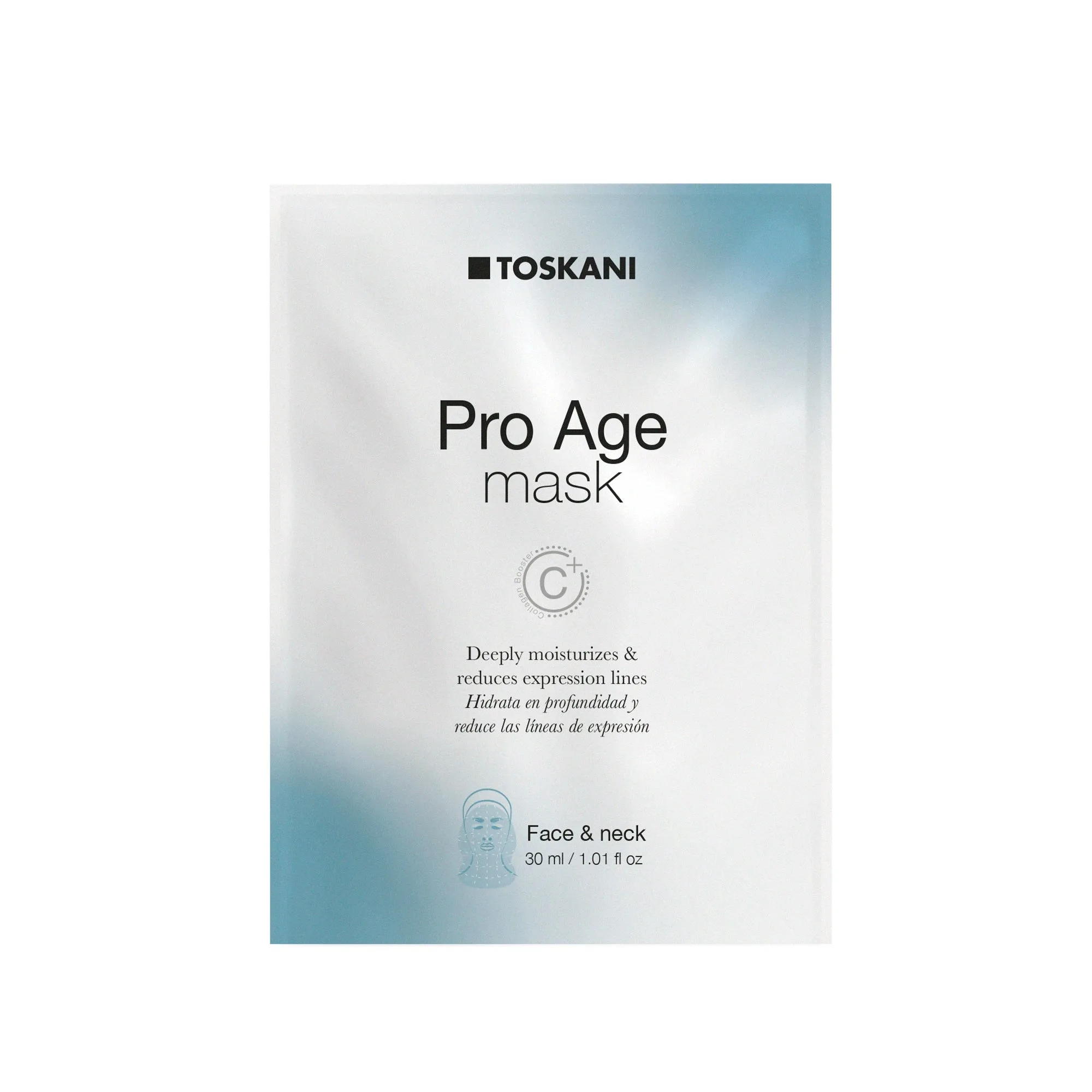
Incorporate a product like the Pro Age mask, which contains exfoliating acids and anti-aging peptides, into your weekly routine. It helps to resurface the skin, reducing the appearance of wrinkles and age spots. Additionally, using a chemical exfoliant regularly can enhance the absorption of your anti-aging serums and moisturizers.
- Opt for glycolic or lactic acid exfoliants
- Start with lower concentrations and gradually increase
- Always follow with a rich moisturizer and SPF
Understanding the difference between physical and chemical exfoliants is key to achieving healthy, glowing skin. Whether you prefer the immediate satisfaction of a scrub or the long-term benefits of acids, there's an exfoliant out there for you. Remember to listen to your skin and adjust your routine accordingly. If you're ready to elevate your exfoliation game, explore our range of professional exfoliants and find your perfect match.