A Quick Look at the Two Exfoliation Methods
When you're deciding between a physical exfoliant (like a polish) and a chemical exfoliant, the choice often comes down to your skin type, sensitivity, and the results you want. Physical exfoliants use fine particles to manually buff away dead skin, while chemical exfoliants use acids or enzymes to dissolve the bonds holding dead cells together. Each has its own strengths and limitations.
What the ZO Skin Health Exfoliating Polish Offers
-
Exfoliating Polish: ZO® Skin Health Exfoliating Polish is a best-selling exfoliator designed for all skin types. This professional-grade formula helps refine skin's texture and reveal a smoother, more radiant complexion. It's positioned as a physical exfoliant suitable for all skin types, which means it may be a gentler option compared to some harsh scrubs. The 'polish' action focuses on smoothing texture.
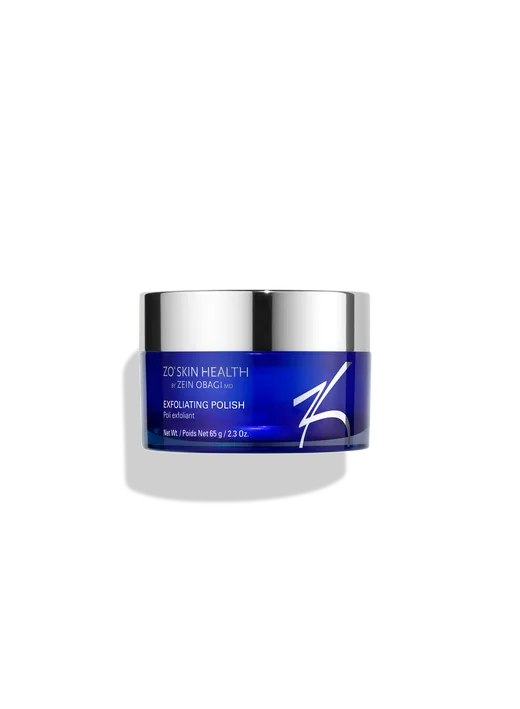
Exfoliating Polish
-
Exfoliating Polish: Helps polish and smooth the skin's surface. This confirms the primary benefit is tactile smoothness, which is a common goal for those who prefer the feel of manual exfoliation.
How a Chemical Exfoliant Works
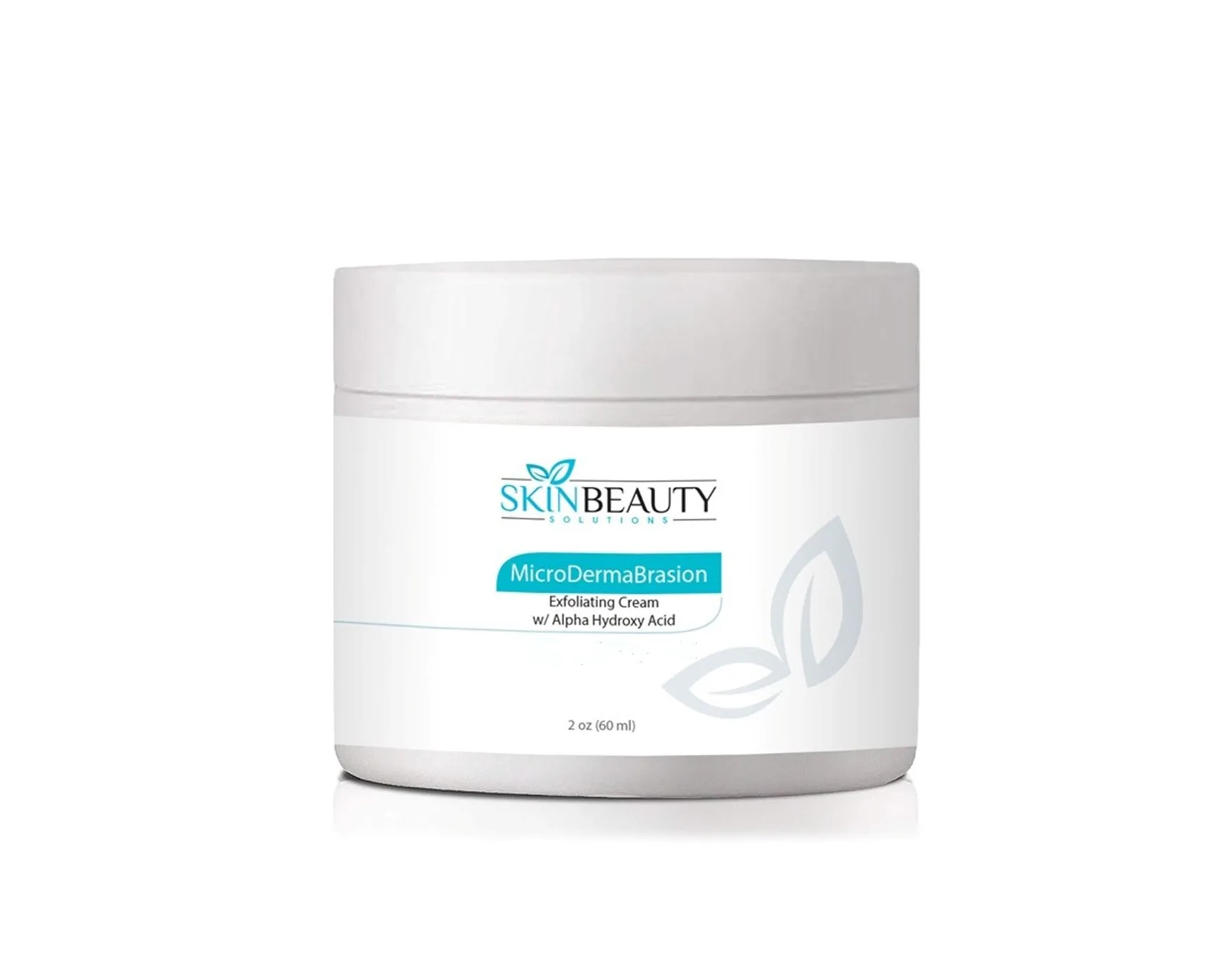
Chemical exfoliants typically use ingredients like alpha hydroxy acids (AHAs), beta hydroxy acids (BHAs), or enzymes. AHAs (e.g., glycolic, lactic acid) work on the skin's surface to improve texture and brightness. BHAs (e.g., salicylic acid) can penetrate deeper into pores, making them helpful for congestion. Enzyme exfoliants are often milder and derived from fruits like papaya or pumpkin. The key difference is that chemical exfoliants don't rely on friction, so they can be less irritating for some people if used correctly.
Exfoliating Polish vs Chemical Exfoliant: Key Differences
- How they work: Exfoliating Polish uses fine particles to physically buff away dead skin cells. Chemical exfoliants dissolve the bonds between dead cells so they shed naturally.
- Suitability for sensitive skin: The Exfoliating Polish is described as suitable for all skin types, which may include sensitive skin when used gently. Chemical exfoliants can also be suitable for sensitive skin, but some acids (like high-concentration AHAs) can cause stinging or redness, so a patch test is recommended.
- Immediate feel vs gradual results: Physical exfoliation often gives an instant feeling of smoothness. Chemical exfoliants may take a few weeks to show visible improvement in texture and radiance.
- Risk of over-exfoliation: Physical scrubs can be overdone if you apply too much pressure or use them too often. Chemical exfoliants can also cause irritation if left on too long or used too frequently. Both require a conservative start.
- Combination with other actives: If you use retinol or other exfoliating acids, adding a physical polish like Exfoliating Polish can increase the risk of irritation. The supplied information does not confirm a specific schedule, so a cautious approach is wise.
Which One Should You Choose?
If you prefer a quick, tactile exfoliation and your skin tolerates gentle scrubbing, the ZO Skin Health Exfoliating Polish is a solid choice. It's designed for all skin types and focuses on smoothing texture. If you have oily, acne-prone skin or want deeper pore cleansing, a BHA chemical exfoliant might be more effective. For brightening and surface texture, an AHA could be a better fit. There's no universal 'better'—it depends on your skin's needs and your personal preference for how you exfoliate.
What the Supplied Information Does Not Confirm
The product record for the Exfoliating Polish does not specify the exact particle type, size, or recommended frequency of use. It also does not confirm whether it contains any chemical exfoliants in addition to its physical particles. For a full understanding of how to layer it with other treatments, consult the brand's official guidance or a skincare professional.