Quick answer
For most people seeking skin rejuvenation with minimal downtime, LED light therapy is the safer, more convenient choice. Chemical peels deliver faster visible peeling and resurfacing, but they require recovery time and careful aftercare. If you want gradual anti-aging benefits without irritation, an LED mask is your best bet.
When you're deciding between LED light therapy and chemical peels for skin rejuvenation, you're weighing two fundamentally different approaches. Chemical peels use acids to remove the top layers of skin, triggering a visible peel and fresh cell turnover. LED light therapy uses specific wavelengths of light to stimulate cellular repair and collagen production from within, without any downtime.
Both can improve fine lines, texture, and clarity, but they differ in how they work, how long they take, and what they demand from you. This comparison breaks down the key tradeoffs so you can choose the option that fits your skin type, schedule, and tolerance for recovery.
How Each Method Works
Chemical peels use acids—like glycolic, salicylic, or lactic acid—to exfoliate the outermost layers of skin. The strength of the peel determines how deep the exfoliation goes and how much peeling you'll experience. Light peels may cause mild flaking, while deeper peels can require a week or more of visible peeling and redness.
LED light therapy, on the other hand, uses wavelengths like red and near-infrared light to penetrate the skin and stimulate mitochondria in your cells. This boosts collagen production and reduces inflammation, improving skin tone and texture over time. The key difference: chemical peels remove damaged layers, while LED therapy strengthens the skin from within.
- Chemical peels work by exfoliating the surface; LED therapy works by stimulating deeper skin repair.
Downtime and Recovery: The Biggest Tradeoff
Chemical peels often come with visible peeling, redness, and sensitivity for days. Even mild peels can cause flaking, and you'll need to avoid sun exposure and certain skincare products while your skin recovers. Deeper peels may require social downtime and careful aftercare.
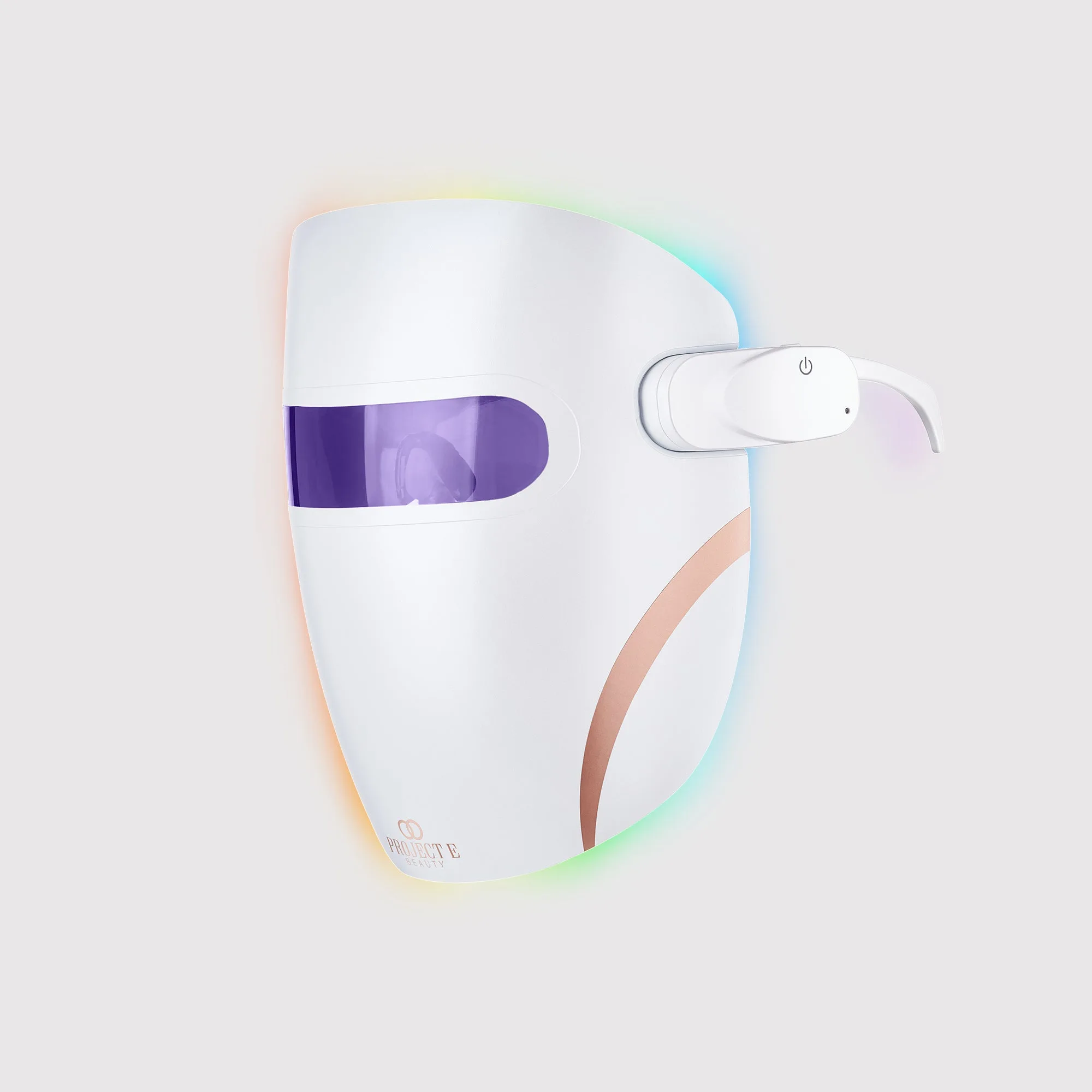
LED light therapy has zero downtime. You can use a device like the Lumamask 7 for a session and immediately return to your day. This makes LED therapy a practical choice if you have a busy schedule or sensitive skin that reacts poorly to acids.
- If you can't afford downtime, LED therapy is the more convenient option.
Long-Term Results and Maintenance
Chemical peels deliver more immediate, visible results, especially for sun damage and uneven texture. However, the effects are temporary, and you'll need repeat treatments to maintain them. Over time, the cost of professional peels can add up.
LED light therapy offers gradual but cumulative benefits. Consistent use—typically a few times a week—supports collagen production and helps maintain a youthful glow. At-home devices like the LumaLux Face+ make it easy to stick with a routine without frequent clinic visits.
- LED therapy is a maintenance-friendly option; chemical peels are more of a periodic treatment.
Tradeoffs at a Glance
- Results speed: Chemical peels show faster visible peeling and resurfacing, often within days. LED therapy is gradual, with improvements appearing over weeks of consistent use. If you need quick results for an event, a peel may be better. For long-term skin health, LED wins.
- Downtime and comfort: Peels can cause redness, flaking, and sensitivity for days. LED therapy is painless and has no recovery period. Choose LED if you can't take time off or have sensitive skin.
- Cost and convenience: Professional peels require repeated clinic visits and can be expensive over time. At-home LED devices are a one-time investment with unlimited sessions. LED is more budget-friendly and convenient for ongoing maintenance.
LED Devices That Support Skin Rejuvenation
- Lumamask 7 | LED Light Therapy Face Mask: 7 clinically proven wavelengths designed to rejuvenate the skin, with 108 LEDs optimally placed for enhanced coverage. Multiple wavelengths target different skin concerns—like fine lines and acne—so you can address several issues in one session.
- LumaLux Face+ | Pro LED Red Light Therapy Face & Neck Mask: 7+2 LED modes with scientifically proven wavelengths (460-1072nm) and 1600 high-grade LEDs across face and neck. The extended coverage and deep near-infrared wavelength (1072nm) penetrate deeper, making it a more powerful option for anti-aging and skin rejuvenation.
Which Should You Choose?
Best for
- People who want gradual, non-invasive anti-aging benefits without downtime.
- Those with sensitive skin or a history of reactions to chemical exfoliants.
Not for
- If you have severe sun damage or deep wrinkles that need aggressive resurfacing, a chemical peel might be more effective.
Both LED light therapy and chemical peels have a role in skin rejuvenation. If you value convenience, safety, and long-term maintenance, an at-home LED mask is a smart choice. If you're after a quick, dramatic resurfacing and can handle recovery, a professional peel may be worth considering. Many people find that combining both—using LED therapy between peels—offers the best of both worlds.