Quick Answer
If you need maximum control and a secure fit for urban walks or training, the Expedition Belt is your best bet. If you prefer giving your dog more freedom to explore on trails or in open spaces, the Multilong Leash offers better flexibility. Consider your typical walking environment and your dog's behavior to make the right choice.
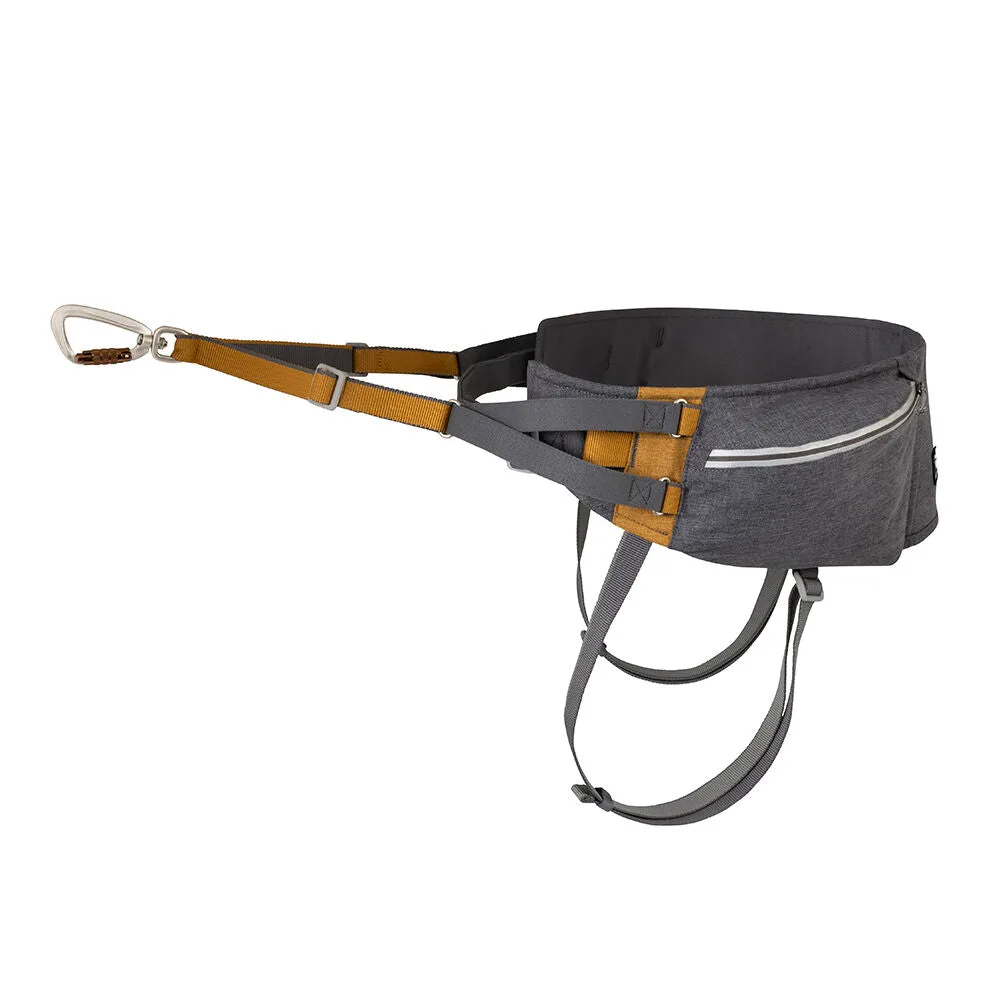
Expedition Belt
Hands-free dog walking has become a game-changer for active pet parents. Whether you're jogging, hiking, or just need your hands free for a coffee, a belt or a long leash can make walks more enjoyable. But which is better: a dedicated dog walking belt or a versatile long leash?
In this comparison, we'll break down the differences between the Expedition Belt and the Multilong Leash, focusing on control, comfort, and versatility. By the end, you'll know exactly which one fits your lifestyle and your dog's needs.
Understanding the Expedition Belt
The Expedition Belt is designed for hands-free walking with a focus on stability and control. It typically wraps around your waist and features a clip or loop to attach your dog's leash. This setup distributes your dog's pulling force across your core, making it easier to manage strong pullers without straining your arms or shoulders.
Many belts come with additional features like pockets for treats or waste bags, and some are adjustable to fit different waist sizes. The key advantage is that your hands remain completely free, and the belt stays put even during active movements like running or hiking.
- Ideal for urban environments where you need quick control.
- Great for training loose-leash walking as it discourages pulling.
- Some models include storage for small essentials.
Understanding the Multilong Leash
A multilong leash is a versatile training tool that can be used in multiple ways: as a standard leash, a hands-free waist leash, or a long line for recall training. It's typically made from durable material and features multiple clips or loops to adjust the length and configuration.
The main benefit of a multilong leash is its flexibility. You can shorten it for close control in busy areas or lengthen it to give your dog more freedom in open spaces. This makes it a great choice for hiking, camping, or any activity where your dog needs to explore while staying safe.
- Versatile: can be used as a standard leash, waist leash, or long line.
- Adjustable length for different situations.
- Lightweight and easy to pack.
Key Differences at a Glance
The Expedition Belt is a dedicated waist belt, while the Multilong Leash is a multi-functional leash. The belt offers more stability and is less likely to shift during vigorous activity, but it requires you to attach a separate leash. The multilong leash, on the other hand, can be worn around the waist but may not be as secure or comfortable for extended use.
Comfort is another factor. A well-designed belt with padding can be comfortable for long walks, whereas a thin leash wrapped around your waist might dig into your skin. However, the multilong leash is more compact and can be used in more ways than a simple belt.
Trade-Offs to Consider
- Control: The Expedition Belt provides more control because it keeps the leash close to your center of gravity, reducing pulling leverage. The Multilong Leash, when used as a long line, gives your dog more freedom but less immediate control. If you need quick control, choose the belt; if you're in a safe open area, the long leash works.
- Comfort: A padded belt is generally more comfortable for long walks than a thin leash wrapped around your waist. However, the Multilong Leash is lighter and less bulky to carry when not in use. For all-day wear, the belt wins; for portability, the leash is better.
- Versatility: The Multilong Leash offers multiple configurations, making it more versatile for different activities. The Expedition Belt is specialized for hands-free walking and may not be useful for other purposes. If you want one tool for many uses, the multilong leash is more flexible.
Related Products
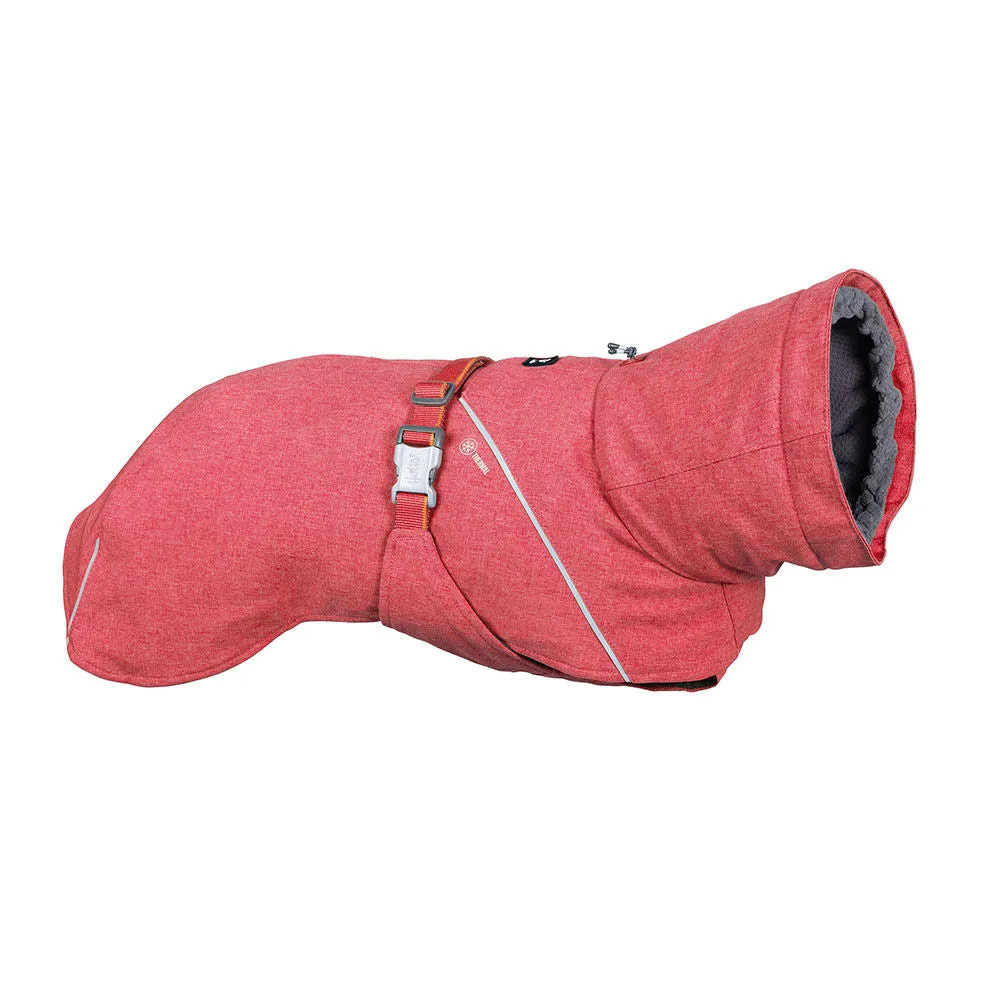
- Expedition Parka II: Striking the perfect balance between minimalism and functionality, the Expedition Parka II is simple, stylish, and easy to put on. It stays securely in place, ensuring your dog’s movement and playtime are never restricted. A well-fitting coat like this ensures your dog stays comfortable during walks, complementing your hands-free setup.
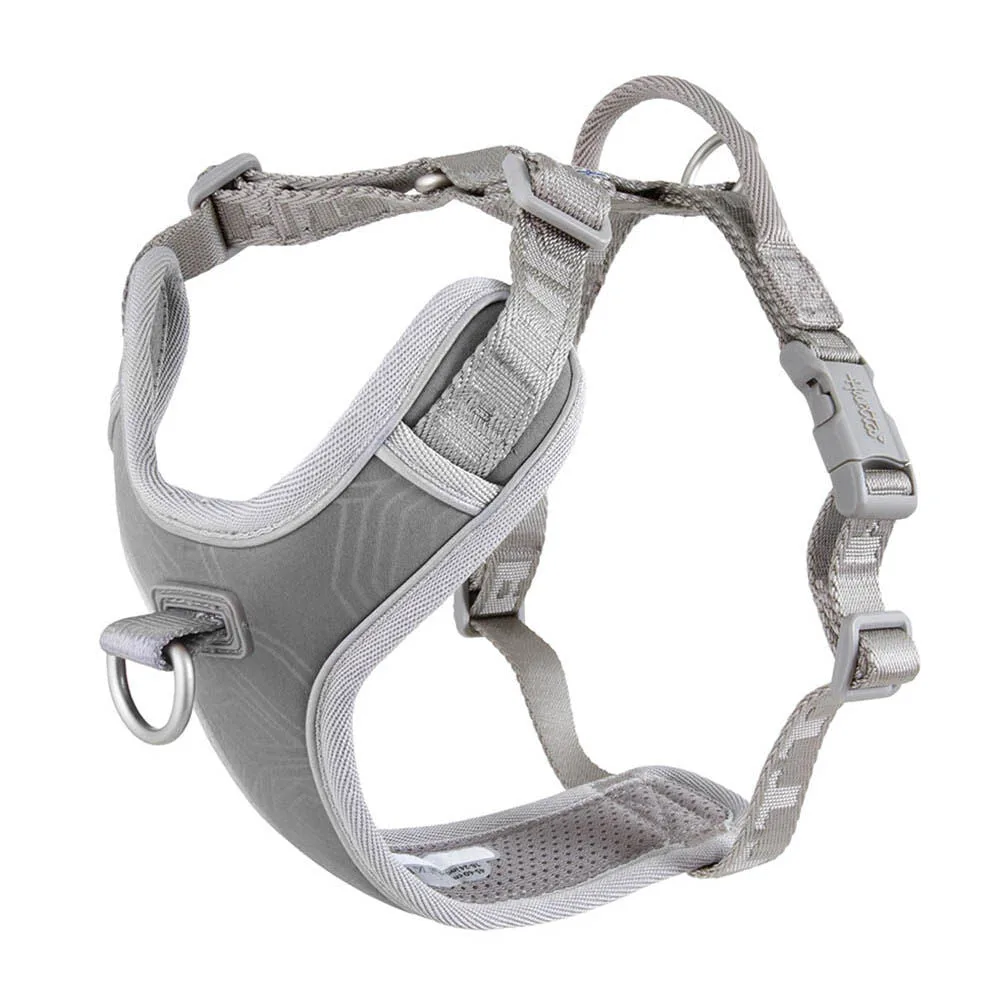
- Venture No-Pull Harness: The Venture No-Pull Harness is suitable for daily walks and weekend adventures and it’s perfect for active and mobile dogs and dog owners. Two snap buckles on the adjustable chest section offer easy on-off wearability. Pairing a no-pull harness with your hands-free walking setup reduces strain on your dog's neck and improves control.
Which Should You Choose?
Best For
- The Expedition Belt is best for urban walkers who need hands-free convenience with maximum control, especially for dogs that tend to pull.
- The Multilong Leash is best for outdoor enthusiasts who want a versatile tool for hiking, camping, or training recall in open spaces.
Not For
- The Expedition Belt is not for those who need a multi-purpose leash for various training scenarios.
- The Multilong Leash is not for those who require a stable, dedicated hands-free solution for high-energy activities like running.
Both the Expedition Belt and the Multilong Leash have their strengths. Assess your typical walking environment, your dog's behavior, and your need for versatility. If you prioritize control and comfort, go with the belt. If you value flexibility and multiple uses, the multilong leash is your pick. Either way, you'll enjoy more relaxed and enjoyable walks.