Quick Answer
To extend the life of your child's toys, focus on regular cleaning appropriate for each material, proper storage to avoid damage, and prompt repairs. For wooden toys like HABA's, avoid soaking and use a damp cloth. For plush toys, follow washing instructions. Implement a simple routine to keep toys in top condition.
Toys are more than just playthings—they're investments in your child's development and happiness. But without proper care, even the most durable toys can wear out quickly. Whether you have wooden blocks, plush friends, or electronic games, understanding how to maintain them can save money and keep playtime safe.
In this guide, we'll share practical toy maintenance tips that work for a range of materials. You'll learn how to clean, store, and repair toys so they last for years—and can even be passed down to younger siblings or friends.
Why Toy Maintenance Matters
Regular toy maintenance isn't just about keeping things looking nice—it's about safety and longevity. Dirty or damaged toys can harbor germs or have sharp edges, posing risks to children. By caring for toys properly, you ensure they remain safe for play and function as intended.
Different materials require different care. Wooden toys need to avoid excess moisture, while plush toys may need gentle washing. Understanding these needs helps you choose the right cleaning methods and storage solutions, extending the life of your child's favorite items.
- Inspect toys regularly for loose parts or damage.
- Clean toys according to material-specific guidelines.
- Store toys in a dry, organized space to prevent loss and damage.
Cleaning Tips for Different Toy Materials
For wooden toys, like HABA's Interlocking Wooden Blocks Construction Set, use a slightly damp cloth to wipe surfaces, then dry immediately. Avoid submerging wood in water, as it can warp or crack. For stubborn dirt, use a mild soap solution, but ensure the toy is dried thoroughly.
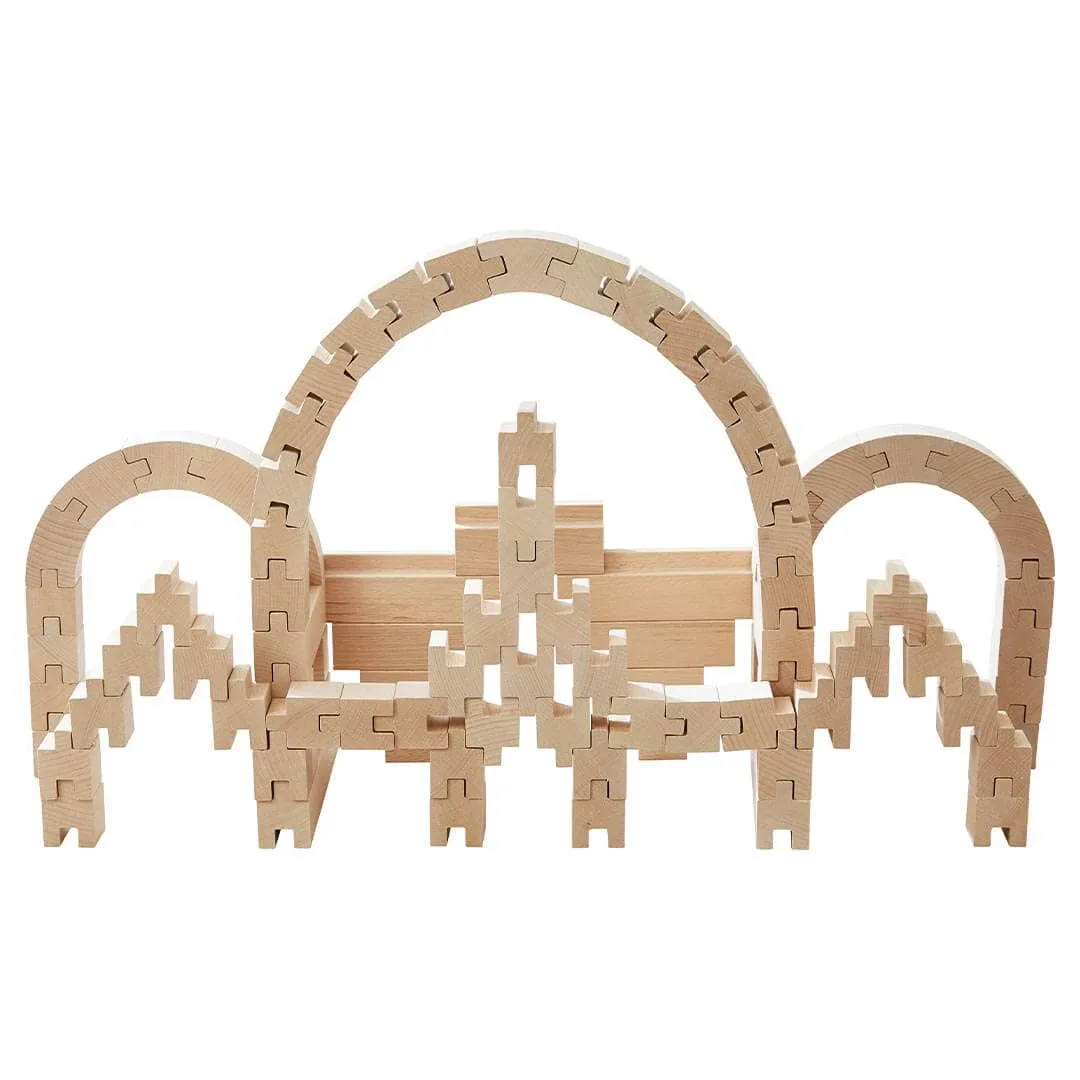
Interlocking Wooden Blocks Construction Set
Plush toys, such as the Lion Crackly Lovey, can often be machine washed on a gentle cycle. Always check the label—some may have electronic components that require spot cleaning. For toys with special features like crackling or bells, consider hand washing to preserve the sounds.
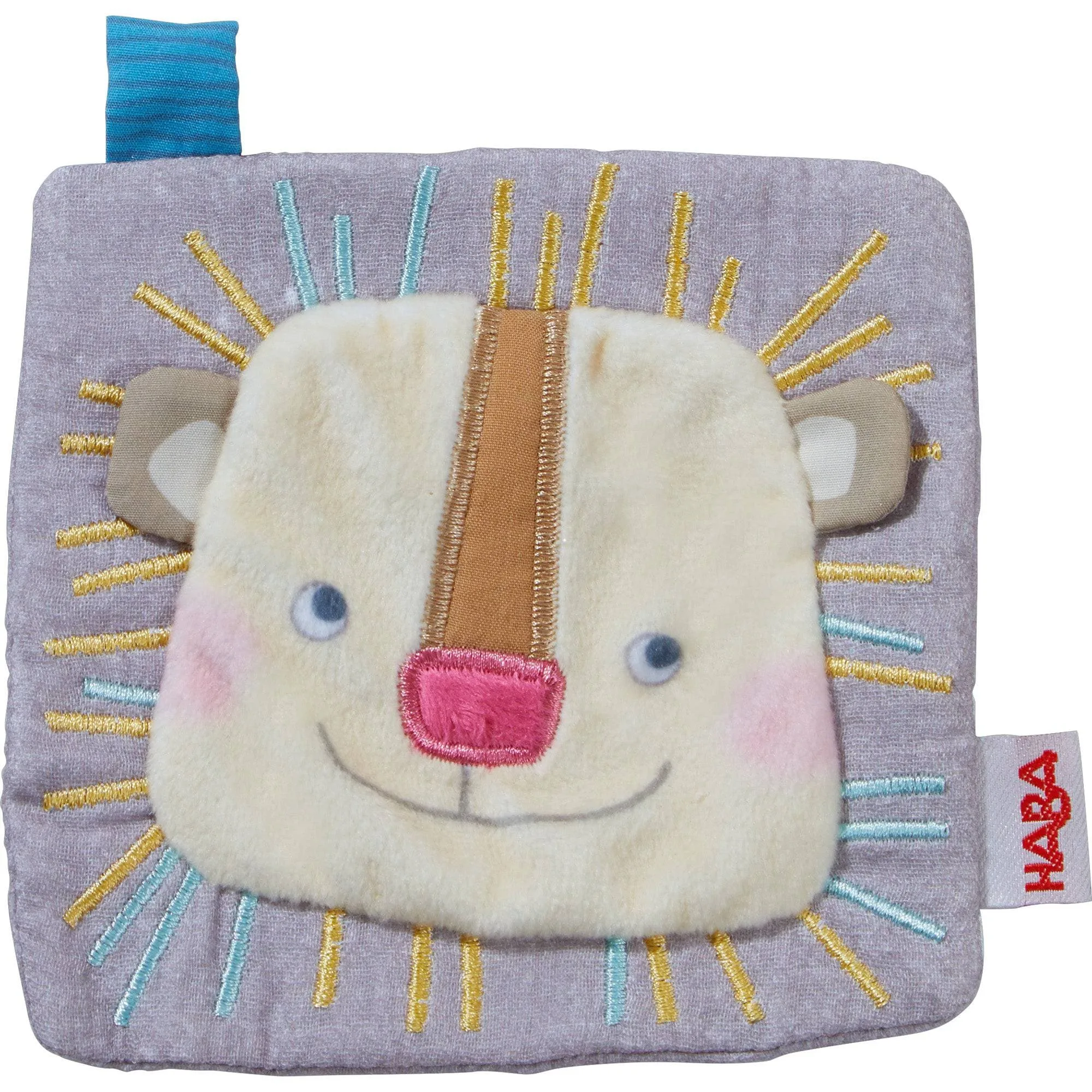
Lion Crackly Lovey
- Use a soft brush to remove dust from crevices in wooden toys.
- For plush toys, use a gentle detergent and air dry to maintain shape.
- Sanitize plastic toys with a mild disinfectant wipe, but rinse well.
Proper Storage to Prevent Damage
Storing toys correctly is key to extending their life. Keep wooden toys in a dry area away from direct sunlight, which can fade colors. Use bins or shelves to keep pieces together, preventing loss and making cleanup easier for kids.
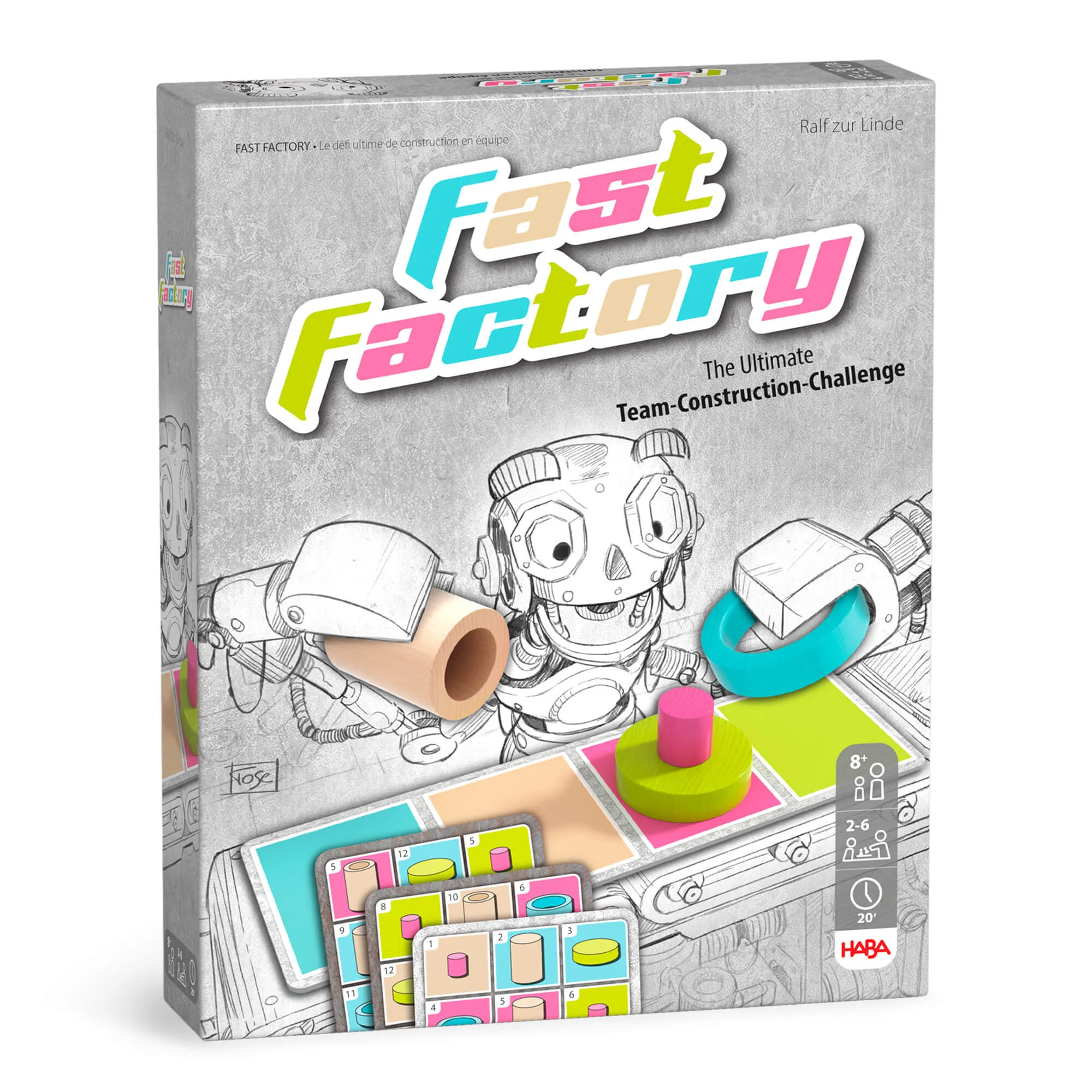
For plush toys, avoid cramming them into tight spaces, which can deform their shape. Instead, display them on a shelf or in an open bin. For games with many pieces, like the Fast Factory Family Game, use resealable bags to keep components organized and prevent loss.
- Rotate toys periodically to keep play interest high and reduce wear.
- Use clear containers to easily identify contents and encourage tidy habits.
- Keep toys off the floor to avoid accidental stepping or damage.
Repair and Maintenance Routine
Regularly inspect toys for loose seams, broken parts, or missing pieces. For wooden toys, a little wood glue can fix minor cracks. For plush toys, sew up any tears before they worsen. Check that all parts are secure, especially for toys intended for younger children.
Establish a monthly check-up routine. Look for wear and tear, clean as needed, and make small repairs. This proactive approach prevents small issues from becoming big problems, ensuring toys remain safe and functional.
- Keep a small repair kit with glue, thread, and replacement parts.
- Involve older children in toy care to teach responsibility.
- Dispose of toys that are beyond repair safely and responsibly.
Step-by-Step Toy Care Routine
- Sort and Inspect: Gather all toys and sort by material type. Inspect each for damage, loose parts, or dirt. This helps you plan the cleaning approach and identify items needing repair. Checkpoint: Remove any broken toys from the play area until repaired.
- Clean According to Material: For wooden toys, wipe with a damp cloth and dry immediately. For plush toys, check labels and wash as directed, using gentle cycles. For plastic, use mild soap and water. Checkpoint: Ensure all toys are completely dry before returning to storage to prevent mold.
- Dry and Air Out: Allow toys to air dry completely, especially plush items. Avoid direct heat sources that can damage materials. For wooden toys, ensure no moisture remains in crevices. Checkpoint: Feel for any dampness before storing.
- Organize and Store: Store toys in a clean, dry area. Use bins, shelves, or bags to keep pieces together. Keep wooden toys away from humidity and direct sunlight. Checkpoint: Label bins to make finding and putting away toys easier.
- Perform Regular Maintenance: Set a monthly reminder to inspect toys again. Tighten screws, glue loose parts, and sew seams. Replace batteries in electronic toys as needed. Checkpoint: Keep a small repair kit handy for quick fixes.
HABA Toys Built to Last
- Interlocking Wooden Blocks Construction Set: This cleverly designed wooden block set uses a tongue and groove system to provide the necessary stability for structures to bend the rules of traditional block building. The sturdy construction means these blocks can withstand years of play, but proper care—like wiping clean and storing dry—will keep the tongue and groove joints working smoothly.
- Lion Crackly Lovey: This lion crackles when it's handled and his colorful mane is sure to grab baby's attention. Material: machine washable polyester. Because it's machine washable, you can easily keep it clean and hygienic for your baby. Follow washing instructions to preserve the crackling effect and softness.
By following these simple maintenance steps, you can significantly extend the life of your child's toys, saving money and reducing waste. Regular care not only keeps toys looking great but also ensures they remain safe for play. With a little effort, your child's favorite toys can last for years and even become treasured hand-me-downs.