Quick answer
Extrait de parfum carries a higher concentration of fragrance oils than eau de parfum, so it usually sits closer to the skin, lasts longer and costs more per bottle. Choose extrait when you want depth and endurance for evenings or cold weather; choose eau de parfum when you want more lift and a lighter footprint for daytime wear. If you are unsure, test both strengths of the same scent on your own skin before committing to a full bottle.
What is extrait de parfum, exactly?
Extrait de parfum is the most concentrated form of fragrance, typically built around a higher percentage of perfume oils than eau de parfum. That higher oil load changes how the scent behaves: it tends to unfold more slowly, feel richer and stay closer to the skin rather than filling a room. It is not simply a stronger version of the same smell; the balance of top, heart and base notes can read differently because the base materials have more room to speak.
In practice, extrait is often the version a perfumer uses to show the most textured, resinous or animalic side of a formula. It rewards patience, because the first ten minutes may feel dense before the composition opens.
How do extrait and eau de parfum differ in wear?
Eau de parfum generally projects more in the first few hours and then fades, while extrait tends to bloom later and linger longer near the skin. Neither is objectively better: a bright citrus eau de parfum can feel more alive at a desk, while an extrait can feel heavy in a warm office. Longevity also depends on your skin's moisture, the ambient temperature and how the specific formula is built, so two extraits from different houses can behave very differently.
If you want a scent that announces itself when you walk in, eau de parfum is often the easier choice. If you want a personal scent bubble that lasts into the next morning, extrait is usually the better fit.
Does a higher concentration always mean better?
No. Concentration is a design decision, not a quality ranking. Some materials smell sharper or more balanced at eau de parfum strength, and pushing them into extrait can make them feel muddy. A well-made eau de parfum can outperform a poorly balanced extrait on both longevity and enjoyment. The useful question is not which is stronger but which version of a scent matches the moment you want to wear it.
How should you test before buying?
Spray each strength on a different wrist and leave them alone for at least four hours. Do not judge from the first sniff: extrait especially needs time to settle. Note when each version stops being noticeable to you, and ask someone else whether they can still detect it, because your nose adapts faster than a stranger's. If a house offers a smaller volume, start there rather than committing to a full bottle based on a paper strip.
Reader questions, answered plainly
Is extrait de parfum stronger than eau de parfum?
It has a higher oil concentration, but 'stronger' depends on the formula. Extrait usually lasts longer and projects less; eau de parfum usually projects more and fades sooner. Pick extrait for endurance, eau de parfum for lift.
Which concentration lasts longer on skin?
Extrait generally outlasts eau de parfum because the base notes are more concentrated. Dry skin, heat and humidity can shorten either one, so test on your own skin rather than trusting a general rule. Moisturize before spraying to get more wear from either strength.
Can I wear extrait de parfum during the day?
Yes, but apply less. One or two sprays of extrait is often enough for daytime; save heavier application for evenings or cold weather when the scent sits closer and feels less overwhelming. Start with one spray and add only if the scent has faded after four hours.
Why does extrait sometimes smell different from the eau de parfum?
The higher oil ratio shifts the balance, giving base notes more presence and top notes less lift. That is why the same name can feel like two related but distinct scents across concentrations. Judge each concentration on its own terms, not as a stronger or weaker copy.
How this plays out in three Maison Crivelli extraits
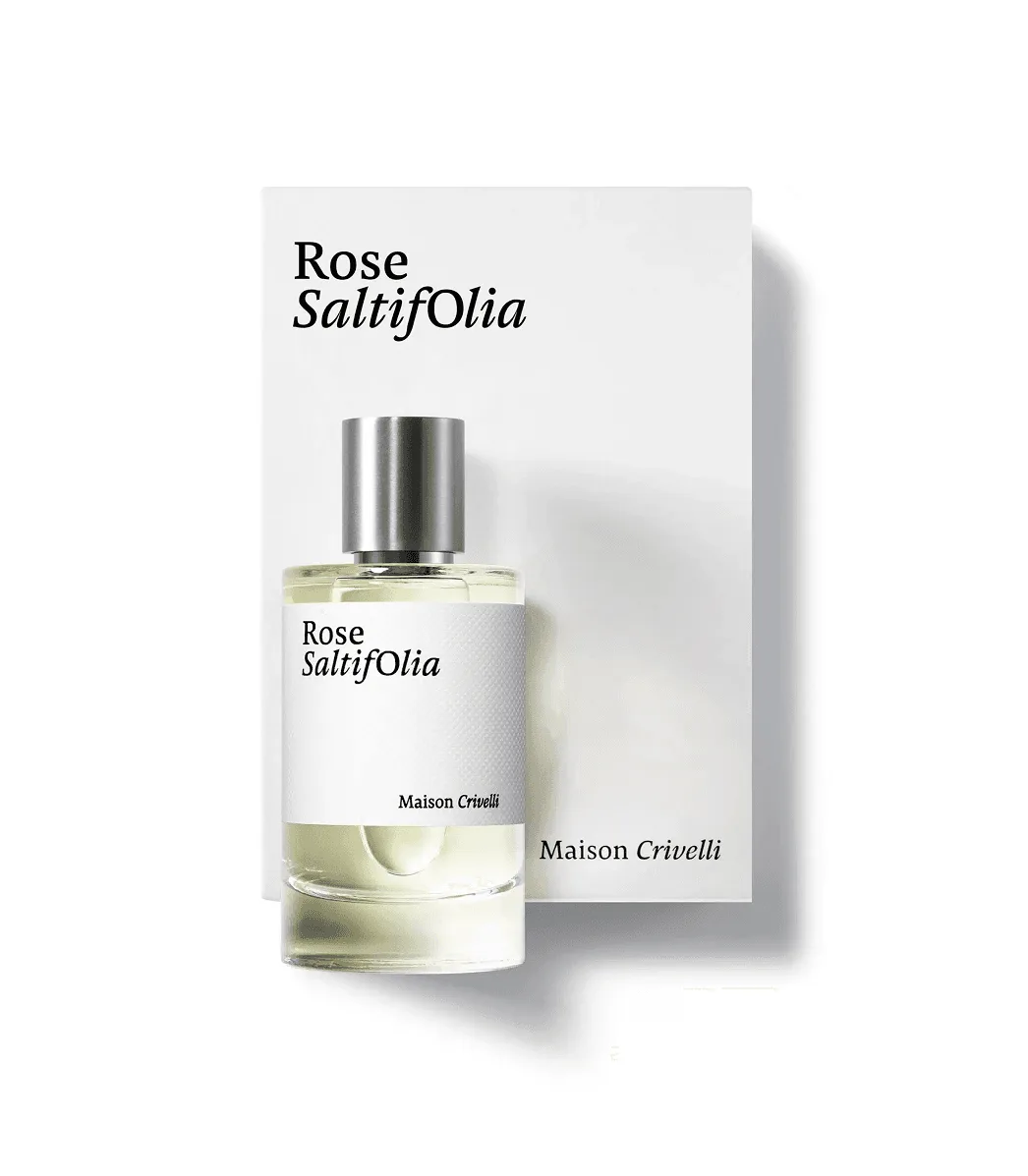
- Rose Saltifolia: Rose Saltifolia is built on a contrast between a sparkling Centifolia rose and a salty, silky seaweed absolute, inspired by a seaside walk through freshly opened rose fields. The salty rose reads bright at first and then turns skin-like, so it suits anyone who wants extrait depth without a heavy, syrupy floral.
- Absinthe Boréale: Absinthe Boréale contrasts a blizzard of frosted aromatic notes with comforting lavender and musks, evoking Arctic landscapes and aurora-lit skies. The cool opening and soft musk base make it a good extrait for people who find warmer extraits too dense; test it in cool weather to feel the full arc.
- Ambre Chromatique: Ambre Chromatique is an extrait de parfum designed as an olfactory trek through a multicolored jungle, with vivid spices and liqueur-like notes woven through colored amber resins. This is the most resin-forward of the three, so it shows how extrait concentration lets base materials dominate; wear it in small doses if you are new to amber extraits.