Quick answer
Choose a hard case if you need maximum crush protection for travel or heavy bags; choose a soft case if you want lightweight everyday storage that slips easily into a purse or pocket.
Why protection level matters most
The main difference between hard and soft cases is how much physical impact they absorb. A hard case with a rigid shell—often made of molded plastic, metal, or thick leather—shields glasses from being crushed or bent when something heavy presses against them. Soft cases, usually fabric or thin leather pouches, guard against scratches and minor bumps but offer little resistance to pressure. If you toss your glasses into a backpack or checked luggage, a hard case is the safer bet. For a desk drawer or handbag where nothing heavy sits on top, a soft case works fine.
Portability and everyday convenience
Soft cases are noticeably lighter and more flexible, which makes them easier to slide into a small bag or even a jacket pocket. Hard cases add bulk and weight, but many people find the extra peace of mind worth the trade-off. Think about where you’ll carry the case most often: a soft pouch may be ideal for quick transitions between indoor and outdoor wear, while a hard case suits commuters who need to stow glasses securely in a work bag.
Storage capacity for multiple frames
Most single-pair cases are hard or soft, but there are also multi-pair storage options. If you own several pairs of sunglasses or prescription glasses, a trunk-style case that holds up to six frames can keep them organized and protected at home. These larger cases are generally hard-sided or semi-rigid to prevent pressure on stacked frames. For travel, a single hard case per pair is still the safest approach.
How to decide: hard vs soft case
- Rule for maximum protection: Choose a hard case (rigid shell) if you carry glasses in a backpack, suitcase, or gym bag where they could be crushed by other items. Hard cases are non-negotiable for checked luggage or heavy backpacks.
- Rule for everyday carry: Choose a soft case (fabric or thin leather pouch) if you mainly store glasses on a desk, nightstand, or in a handbag with no heavy objects on top. Soft cases are lighter and more pocket-friendly.
- Rule for multiple frames: If you own more than two pairs, consider a multi-pair trunk case with a rigid or semi-rigid exterior to prevent pressure on stacked frames. A collector box keeps your whole eyewear wardrobe organized and safe.
Real product examples
-
Akoni Eyewear Case: The Akoni Eyewear Case is a premium leather case made from repurposed leather scraps, available in a stylish green color. This soft-sided case offers eco-friendly scratch protection for daily use, but its flexible leather won't resist heavy crushing forces.
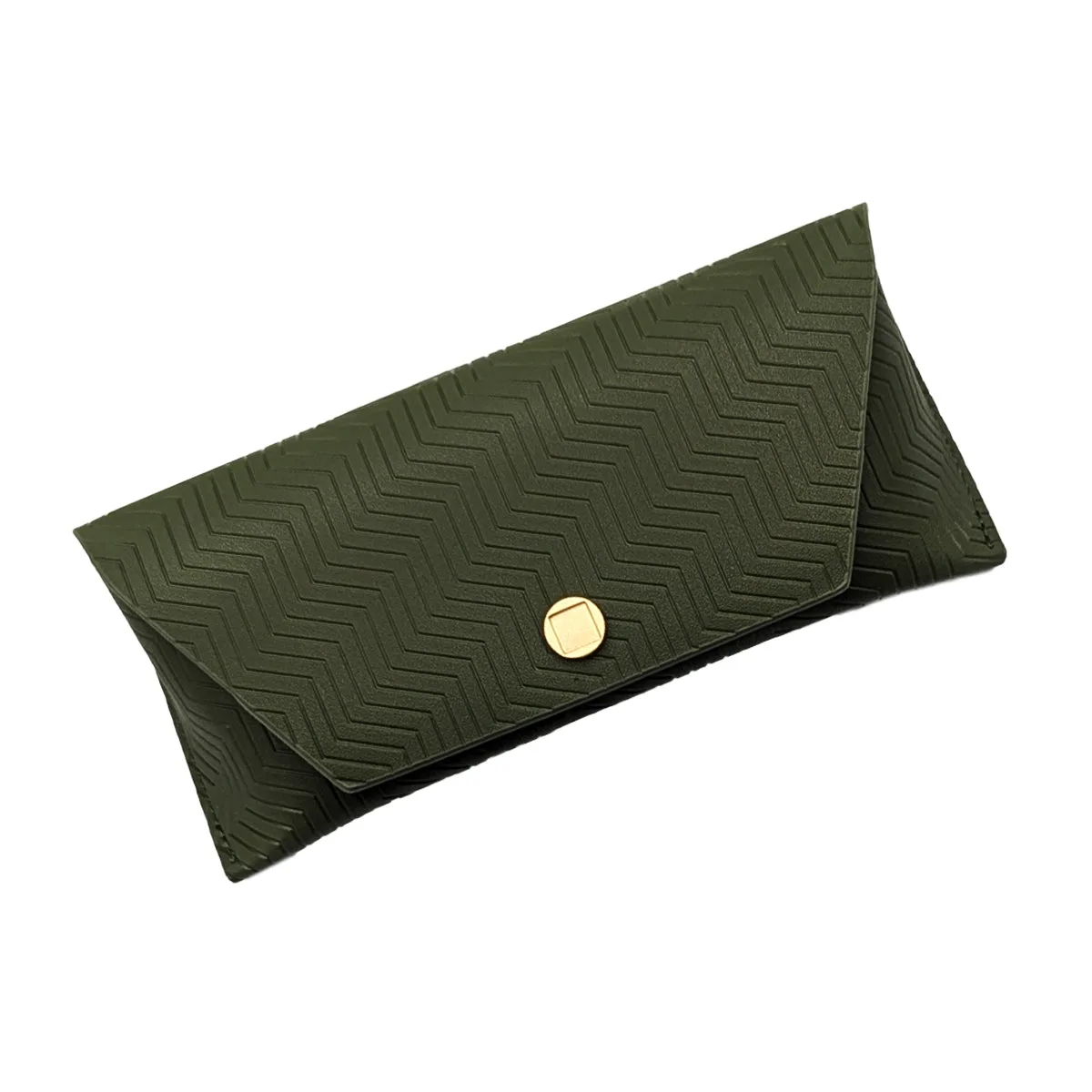
Akoni Eyewear Case
-
JMM Eyewear Case: The JMM Eyewear Case features rich burgundy and tan leather construction with a soft interior lining. Its sturdy leather build provides more structure than a fabric pouch, making it a good middle ground for everyday protection without the bulk of a rigid case.
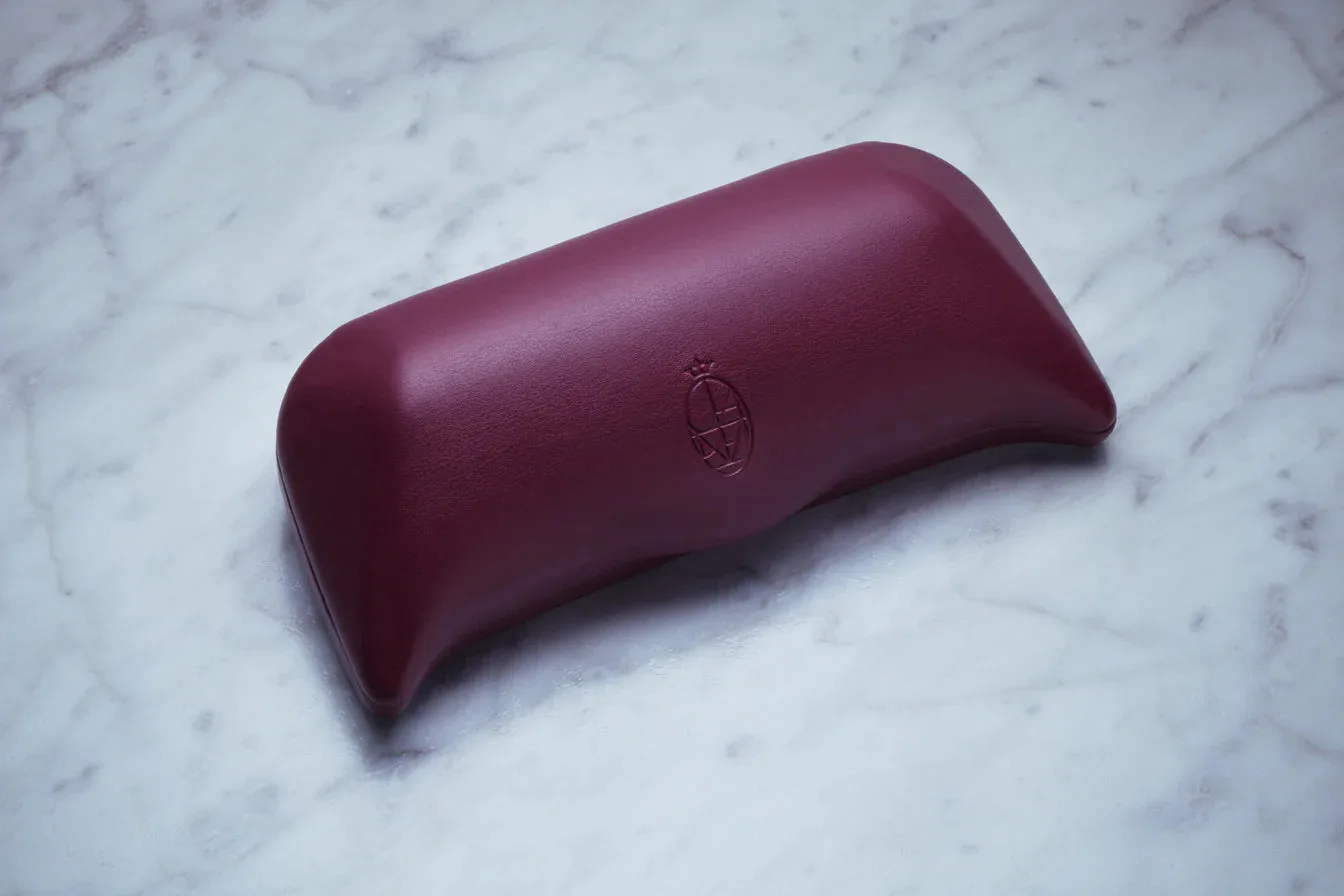
JMM Eyewear Case
Which case fits your lifestyle?
Best for
- Travelers and commuters who need crush-resistant storage
- People who carry glasses in a packed bag or backpack
Not ideal for
- Those who want ultra-light, pocket-sized storage for quick access