Quick answer
Order a fabric sample or half-yard cut before committing to a full yard, then test it with your actual pattern, needle, and thread. If the sample puckers, frays, or feels wrong for your project, stop and choose a different fabric rather than hoping the full yard will behave differently.
Why a swatch can save you from a bad yardage purchase
A fabric sample pack or half-yard cut lets you feel the weight, drape, and stretch before you buy several yards. For bag making, this matters because cork fabric, mesh, and interfacing interact differently with seams, pockets, and hardware. A swatch also reveals color accuracy and surface texture that photos cannot fully convey.
When you buy fabric online, you cannot unroll the bolt in person. Testing a small piece first reduces the risk of cutting into yardage that fights your machine or your pattern.
How to test fabric before buying: a step-by-step swatch routine
Start by labeling your sample with the product name and date. Then run three quick tests: a stitch test, a fold test, and a press test. For the stitch test, sew a short line with the needle and thread you plan to use. For the fold test, fold the fabric as your pattern would at a seam or pocket edge and check bulk. For the press test, apply your usual iron temperature to see how the fabric reacts.
Record the results. If the sample passes all three, you can buy with confidence. If it fails one, note whether a different needle, stitch length, or stabilizer solves the problem before you blame the fabric.
What to check on cork fabric and mesh samples
Cork fabric should feel smooth and pliable, not stiff or flaky. Fold it along a curve to see if it cracks. Mesh should be lightweight and slightly stretchy, with a coating that reduces slipperiness. Test how mesh behaves when you bind an edge, since raw edges can fray or curl.
If a cork sample feels brittle or a mesh sample slips constantly under the presser foot, that is a sign the fabric may not suit your project without extra stabilizer or a different technique.
Diagnosis: common swatch problems and what to do
- Symptom: the sample puckers along the seam: Likely cause: needle too large, stitch too long, or fabric needs a stabilizer. Corrective action: try a smaller needle, shorten the stitch, or add a tear-away stabilizer. Stop if the puckering persists after two adjustments. If it still puckers, choose a different fabric or a different pattern that suits its structure.
- Symptom: the sample frays heavily when handled: Likely cause: loose weave or a raw edge that needs binding. Corrective action: finish the edge with a simple binding or seam sealant. Stop if the fraying compromises the seam allowance. If fraying continues, this fabric may not be right for unlined or high-wear areas.
- Symptom: the sample feels stiff or cracks when folded: Likely cause: lower-grade cork or a finish that does not flex. Corrective action: test a different fold direction or a smaller curve. Stop if cracks appear along the fold line. Choose a softer, pliable cork for projects that require curved seams or frequent handling.
Product facts to guide your sample test
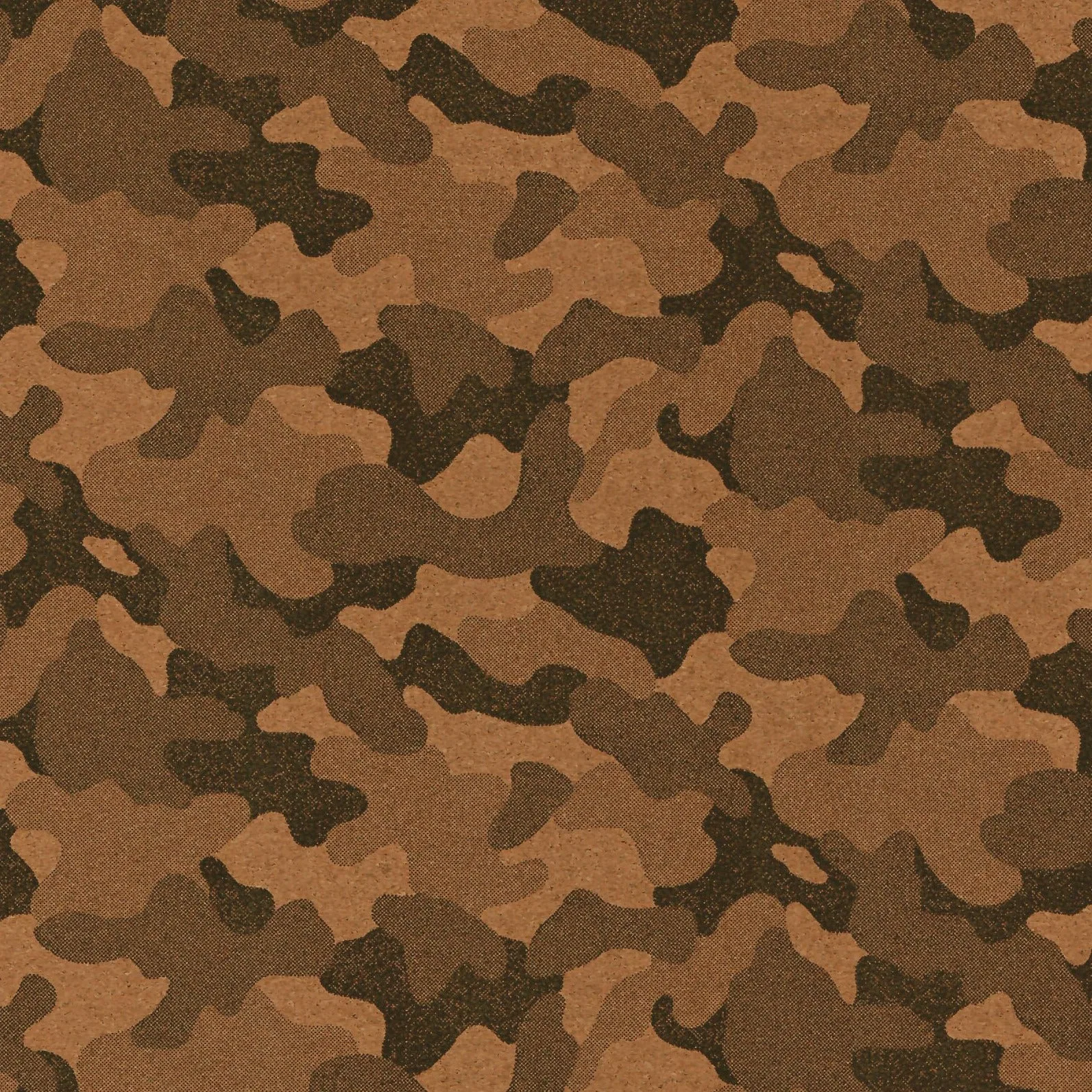
- Packaged 1/2 Yard Cut: LITE His Camo Cork Fabric: Our premium cork fabric is carefully renowned for its softness, durability, and consistent quality so it sews beautifully on both domestic and industrial machines. If your sample of this cork sews smoothly on your machine, you can trust the full cut to behave the same way.
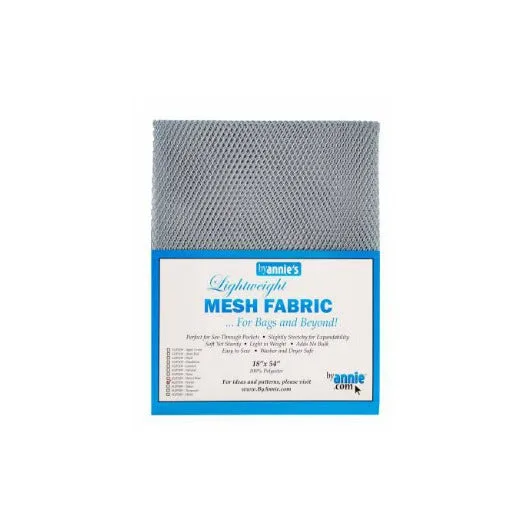
- ByAnnie's Mesh Fabric 18" x 54" Pewter: Lightweight and a bit stretchy, this mesh is fabulous! Perfect for pockets on bags or anywhere you want to be able to see what you are storing, the mesh also works great in various garment applications and utility needs. Test the mesh in a pocket application to confirm the stretch and visibility match your project before buying more.