Quick answer
Buy singles when you already know the exact shade and formula you reach for, and buy a kit when the set covers shades or steps you would otherwise buy one at a time. A kit is worth it if you will use most of what is inside; a duo or curated set is the safer middle ground when you only want two complementary shades.
What a Kit Actually Changes
A kit changes three things: how many decisions you make, how much you pay per item, and how much storage space you give up. It does not automatically change quality. A duo of two full-size lipsticks solves a matching problem; a 30-shade kit solves a range problem. If you only need one shade, a kit adds choice you will not use.
Singles win on precision. You pick the exact color, finish, and texture, and you replace only what runs out. Kits win on discovery and gifting, because someone else has already made the pairing decisions for you.
How to Compare a Kit Against Buying Singles
Count the items you would genuinely repurchase, not the items you are curious about. If a kit contains 30 shades and you would buy 5 on their own, compare the kit price against those 5 singles, not against all 30. That is the honest math.
Then check the option types. A product with a Color option lets you choose a shade; a kit option does not. If you are shade-specific, a kit is a gamble. If you are building a range, the kit is the efficient route.
Where Duos and Curated Sets Fit
The middle ground is a curated pair or small set. You get the pairing logic of a kit without committing to a full range. This is the strongest option for a makeup gift set, because the recipient gets complementary shades rather than a single item they may already own.
For face products, a duo or small set also keeps your routine compact. Fewer open products means less clutter and faster morning decisions.
Storage, Replacement, and Shade Risk
Kits take up more space, and once opened, every item inside starts its own use-by clock. If you rotate slowly, a large kit can outlast your patience before you finish it. Singles let you open one product at a time.
Shade risk is the other cost. A Color option is a decision you control; a kit is a decision someone else made. If your undertone is hard to match, buy the single in a Color option and build your own makeup kit around it.
Decision Rules: Kit, Duo, or Single
- If you know your exact shade: Buy the single in a Color option rather than a kit. You avoid paying for shades you will not open. Single wins.
- If you want two complementary shades: Choose a curated duo, which gives you pairing logic with a smaller commitment than a full kit. Duo is the middle ground.
- If you want a range of finishes and colors: A multi-shade kit is the efficient route, but only if you will use most of the shades. Kit wins only if usage is high.
- If it is a gift: A set or duo reads as more considered than a single item, and it removes the shade-guessing problem for the giver. Set or duo for gifting.
Products That Show the Trade-Off
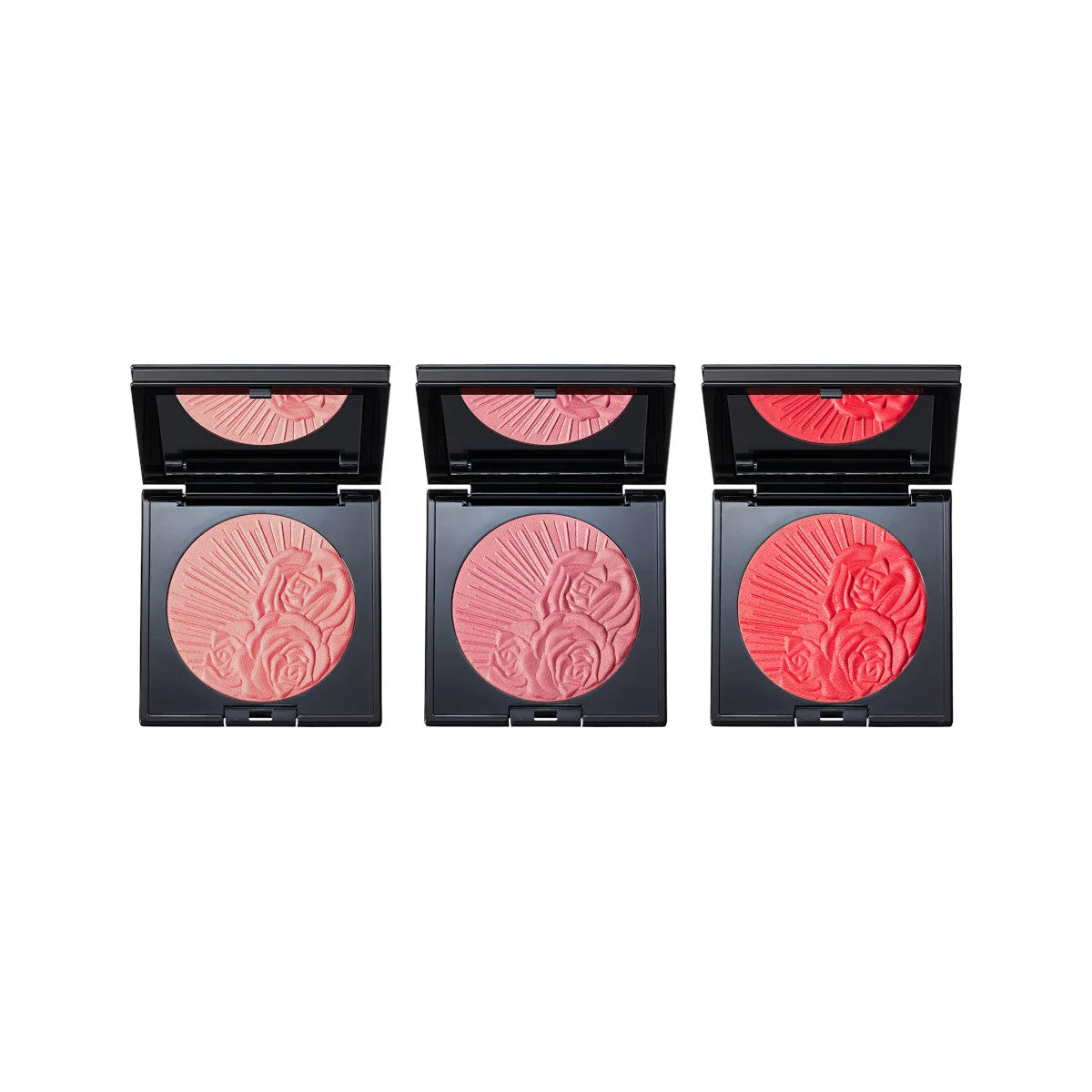
- Divine Cream Blush: Legendary Glow Color Balm: Divine Cream Blush: Legendary Glow Color Balm is a buildable cream blush with a Color option and a luminous, lit-from-within finish. A single with a Color option is the right pick when shade match matters more than bundle value.
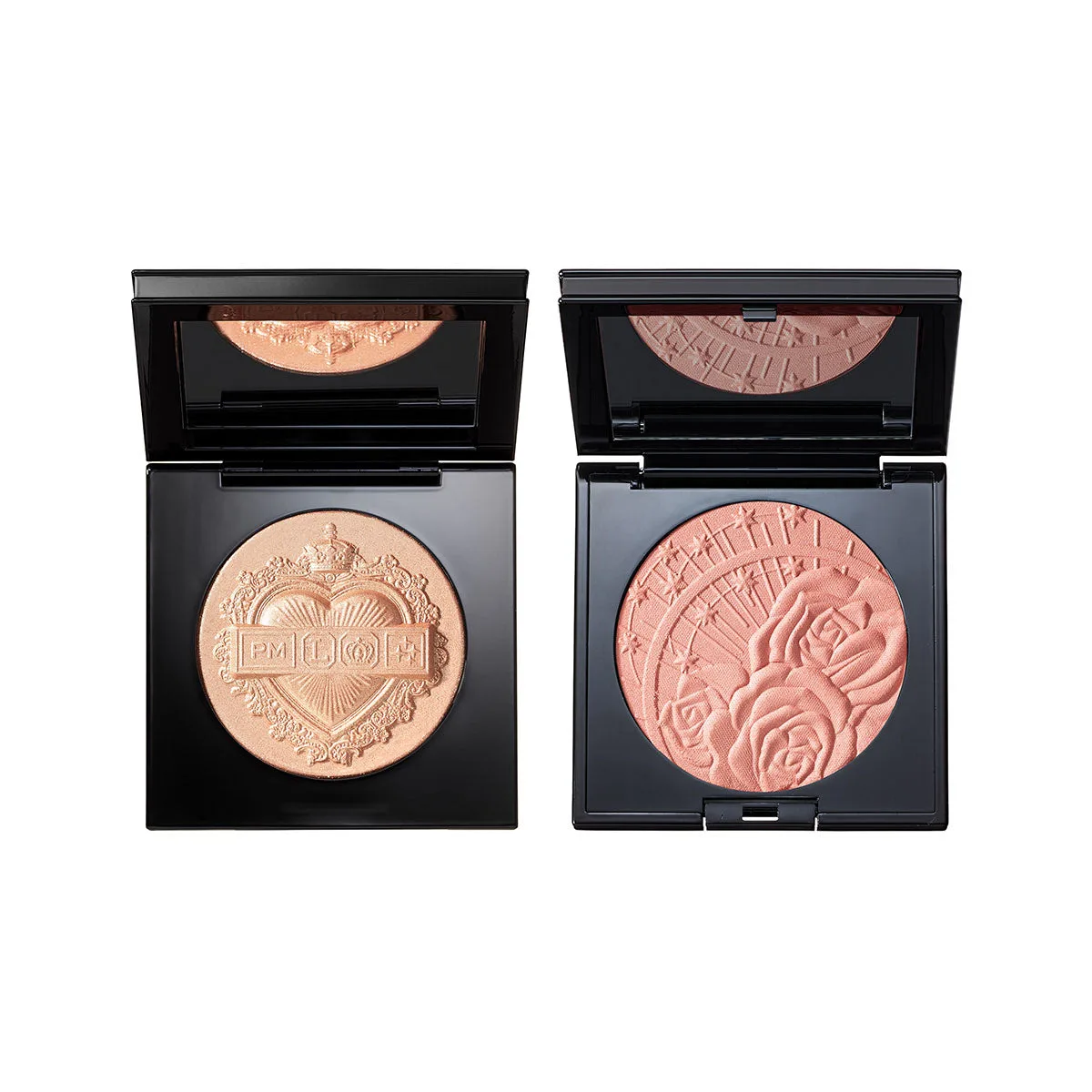
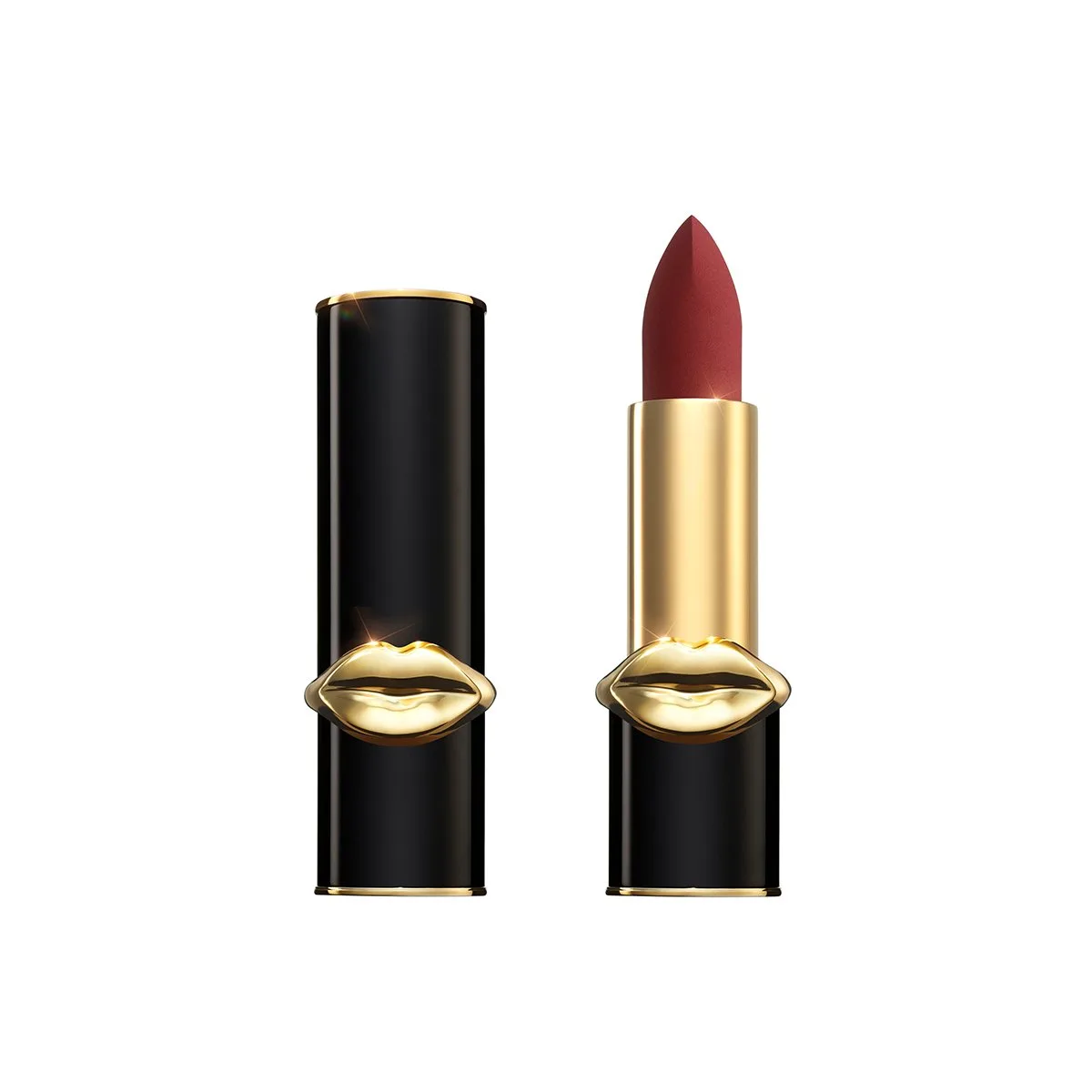
- MatteTrance™ Lipstick Duo: MatteTrance Lipstick Duo is a curated pair of two full-size creamy-matte lipsticks in complementary shades, with a Color option. A duo is the middle path: pairing logic without the commitment of a full kit.
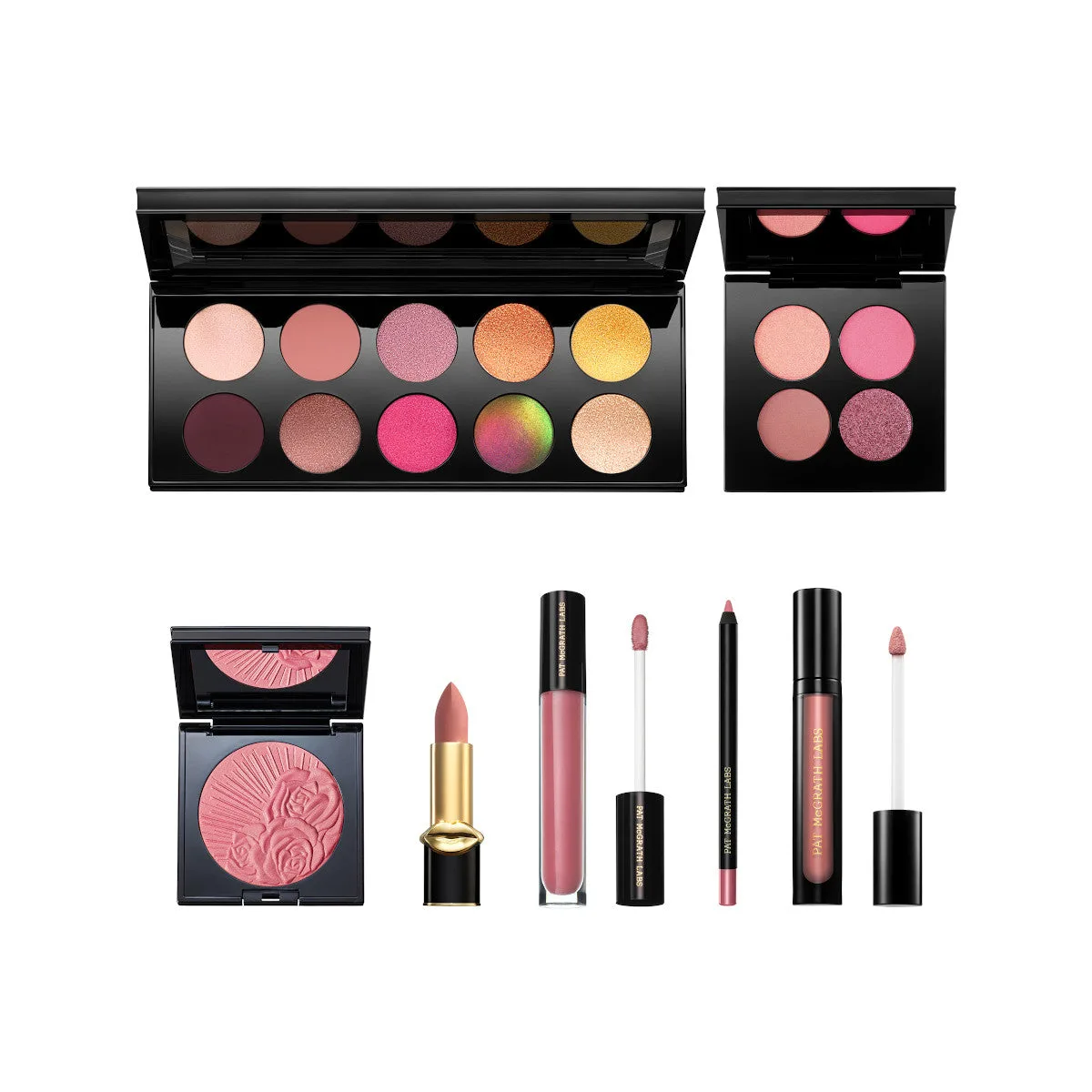
- Mothership Artistry Totale: Mothership Artistry Totale brings together 30 shades in a single kit for versatile eye looks from subtle to bold. A 30-shade kit only pays off if you will actually use a broad range, not a handful of favorites.
- Skin Fetish: Divine Bronzer: Skin Fetish: Divine Bronzer is a powder bronzer in the shade Naked Desire (Soft Golden Bronze) with a buildable, natural-looking finish. A single in one fixed shade is the cleanest test of whether you need a kit at all.
Who Should Buy What
Best for
- Shoppers who already know their shades and want to replace only what runs out
- Gift-givers who want a complete, considered set
- Anyone building a range of eye looks from subtle to bold
Not for
- Shoppers who only want one specific shade or finish
- Anyone who rotates products slowly and will not finish a large kit
- Buyers who need to match a hard-to-pin-down undertone