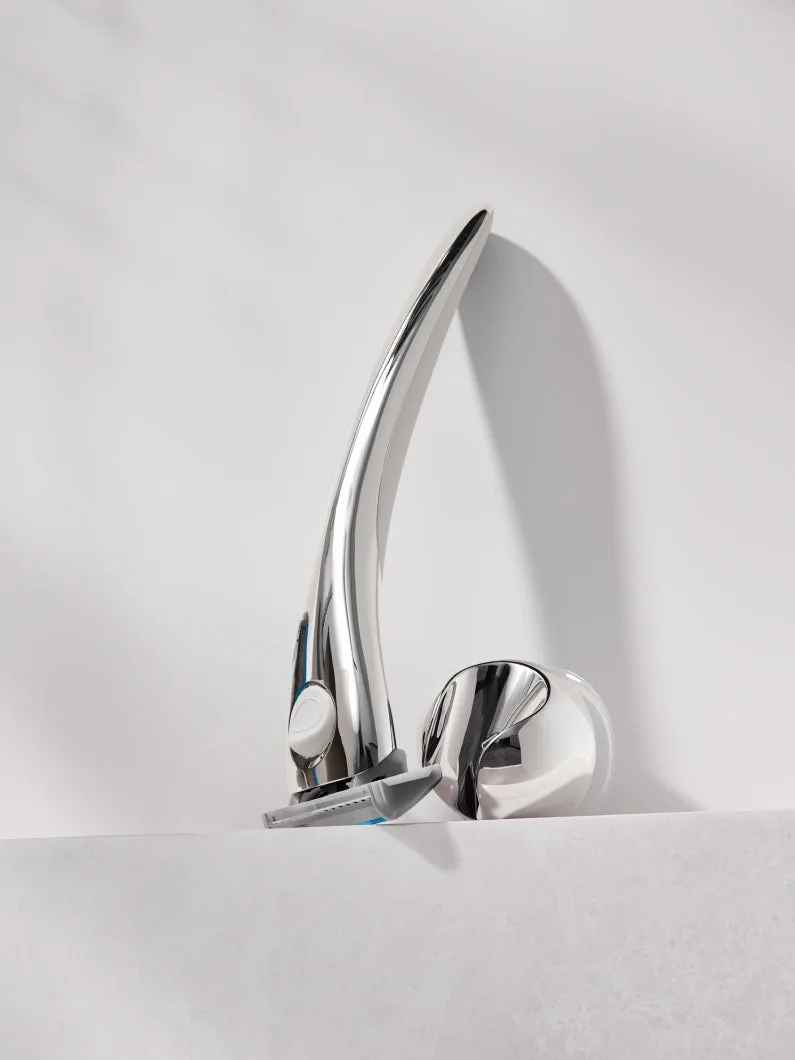
When it comes to facial hair removal, the debate between traditional razor blades and electric razors is as old as time. Both have passionate advocates, but which one truly delivers a better experience for your skin? The answer isn't one-size-fits-all—it depends on your skin type, hair texture, and personal preferences. In this comprehensive comparison, we'll break down the pros and cons of each method, focusing on skin health, closeness of shave, cost, and convenience.
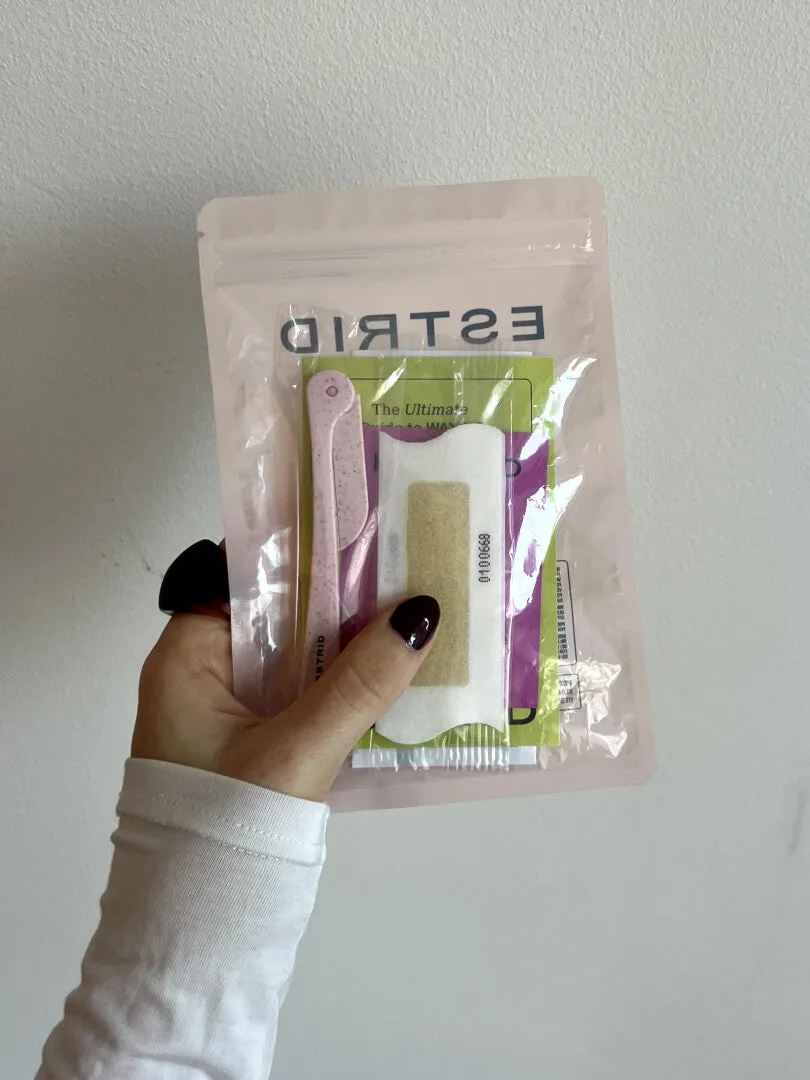
Whether you're a daily shaver or someone who prefers occasional grooming, understanding the differences can help you make an informed choice. We'll also explore how modern products like the Face Glow Kit and https://estridecz.com/products/the-face-razor-starter-kit-344483https://estridecz.com/products/the-face-razor-starter-kit-344484https://estridecz.com/products/the-face-razor-starter-kit-344487The Face Razor Starter Kit have evolved to address common skin concerns, making traditional shaving more appealing than ever.
Skin Irritation: Which Method Is Gentler?
One of the biggest concerns for anyone with sensitive skin is razor burn, redness, and ingrown hairs. Traditional razor blades, especially multi-blade cartridges, can sometimes tug at the hair and cut too close, leading to irritation. However, the angle and pressure you use play a huge role. When used correctly with a sharp blade and proper lubrication, razor blades can actually provide a gentler shave because they cut the hair cleanly at the surface, reducing the risk of ingrown hairs.
Electric razors, on the other hand, are often touted as the gentler option because they don't expose the blade directly to the skin. Foil and rotary models lift the hair before cutting it, which can be less irritating for those with very sensitive skin. However, electric razors can cause friction, especially if you press too hard, leading to a condition called razor burn. Additionally, they may not cut as close, which can be frustrating for those who want a smooth, baby-faced result.
- If you have acne-prone skin, electric razors may be safer as they don't cut as close, reducing the risk of nicking blemishes.
- For coarse or curly hair, razor blades often reduce ingrown hairs better than electric razors.
Closeness of Shave: Smooth vs. Quick
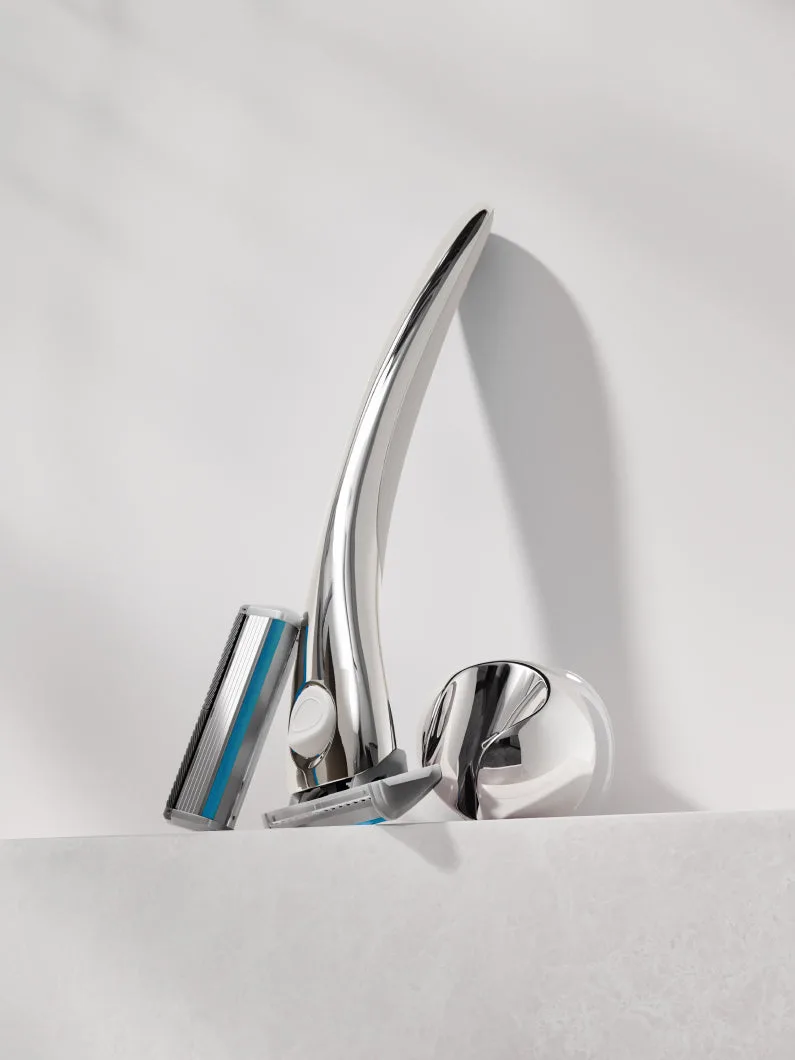
When it comes to achieving the closest shave possible, traditional razor blades are the undisputed winner. A sharp blade glides over the skin, cutting the hair below the surface, resulting in a smooth finish that can last up to 24 hours. This is particularly important for those who prefer a clean-shaven look or need a close shave for professional reasons. Products like The Face Razor Starter Kit are designed to provide a precise, close shave with minimal irritation, thanks to their high-quality blades and ergonomic handles.
Electric razors, while convenient, typically leave a slight stubble because they cut the hair above the skin's surface. Some high-end models claim to get closer, but they still can't match the closeness of a blade. If you're someone who values a smooth, touchable result, you might find electric razors lacking. However, if you prefer a quick touch-up or a slightly longer stubble look, an electric razor might be more than sufficient.
- For a truly smooth shave, consider using a shave gel like The Ultimate Shave Gel for Body to prep your skin and lift the hair.
Cost and Convenience: Upfront vs. Ongoing
Cost is a significant factor for many. Electric razors come with a higher upfront price, ranging from $50 to $300 or more, but they can last for years with proper maintenance. Replacement blades and foils are needed periodically, adding to the long-term cost. On the other hand, traditional razors have a lower initial investment, but you'll need to buy replacement blades regularly. Over time, the cost can add up, especially if you prefer premium blades. However, subscription services and bulk purchases can help mitigate this expense.
Convenience is another angle. Electric razors are ideal for travel and quick shaves—no water, shaving cream, or mirror required. They're also safer to pack in a carry-on. Traditional razors require more preparation: wetting your face, applying shaving cream or gel, and having access to a sink. But many find the ritual of wet shaving to be a relaxing self-care practice. If you're always on the go, an electric razor might be more practical, but if you enjoy the process, a traditional razor offers a more satisfying experience.
- Consider the Antiperspirant Cartridge Leaf for a sustainable grooming routine that pairs well with either shaving method.
Skin Health and Long-Term Effects
Long-term skin health is a crucial consideration. Frequent shaving with a blade can cause micro-cuts and irritation, especially if you don't replace blades often. Dull blades can pull hair and damage the skin's barrier, leading to dryness and flakiness. To combat this, always use a sharp blade and a soothing aftershave or moisturizer. The Face Glow Kit is an excellent addition to your routine, offering products that calm and hydrate the skin post-shave.
Electric razors are generally considered safer for the skin because they don't cut as close, reducing the risk of nicks and cuts. However, the friction from an electric razor can cause heat and irritation, particularly if you have dry or sensitive skin. Using a pre-shave lotion or oil can help reduce friction. Additionally, electric razors are less likely to cause ingrown hairs, making them a better choice for those prone to this issue.
- Always exfoliate before shaving to remove dead skin cells and lift hair, reducing the risk of ingrown hairs.
Environmental Impact: Which Is Greener?
In an era of increasing environmental awareness, the sustainability of your shaving routine matters. Traditional razors, especially disposable ones, contribute to plastic waste. However, many brands now offer refillable and recyclable options. For instance, the Antiperspirant Cartridge Leaf is part of a refillable system that reduces plastic waste. Similarly, safety razors with replaceable blades are a more eco-friendly choice than disposable cartridges.
Electric razors have a longer lifespan, reducing waste, but they rely on batteries or electricity, which has its own environmental footprint. The production and disposal of electronic components also pose challenges. If sustainability is a priority, a traditional razor with replaceable blades and recycled packaging might be the greener option, especially when combined with other eco-friendly grooming products.
- Look for razors with recycled or biodegradable materials, and consider a subscription service to reduce packaging waste.
Ultimately, the choice between face razor blades and electric razors comes down to your skin type, lifestyle, and values. If you prioritize a close shave and don't mind a bit of prep, traditional razor blades—especially with a quality product like The Face Razor Starter Kit—can deliver excellent results with proper technique. If convenience and minimal irritation are your top concerns, an electric razor might be your best bet. Whichever you choose, remember to care for your skin before and after shaving. For a complete grooming experience, explore The Face Glow Kit to keep your skin looking and feeling its best.