Quick Answer
Choose a cream moisturizer if your skin feels tight, dehydrated, or flakes, because creams contain water plus oil and can hydrate as well as seal. Choose a facial oil if your skin is already hydrated but feels rough, dull, or loses moisture by midday, since oils seal in water and soften the surface but add no water themselves. Combination skin often does best with a light cream all over and a few drops of oil only on dry patches.
What Each One Actually Does
A cream moisturizer is an emulsion: water-based ingredients plus oils and emollients. The water portion temporarily hydrates the top layers of skin, while the oil portion slows water loss. That is why creams can improve the look of tight, flaky, or dehydrated skin on their own.
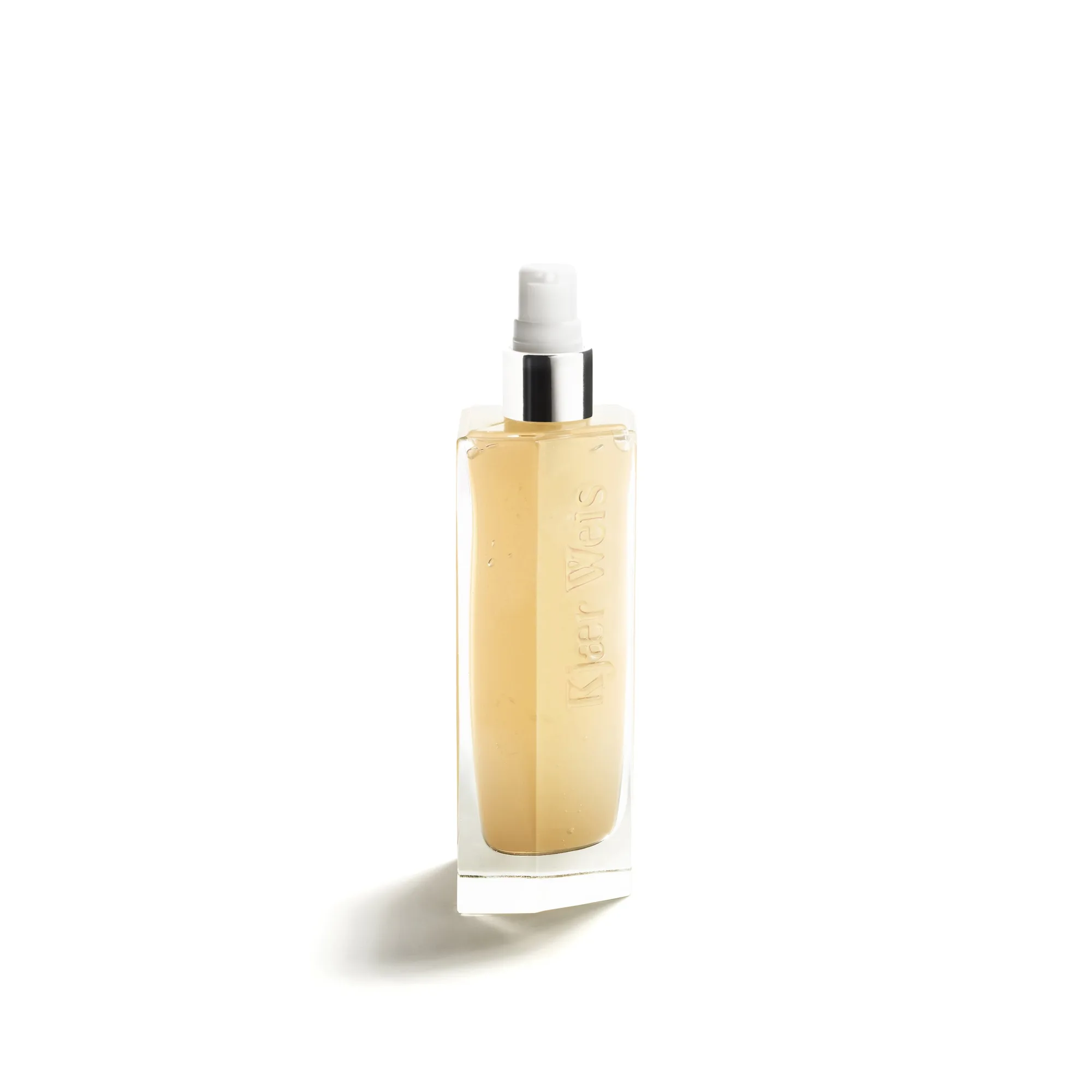
A facial oil is almost entirely oil-soluble. It does not add water to skin. Instead it forms a soft film that reduces moisture loss and makes the surface feel smoother and more flexible. If your skin is already hydrated, that film can be enough. If it is not, oil alone may leave skin feeling soft but still tight.
How to Match the Format to Your Skin Type
Dry skin usually needs both water and oil, so a cream is the baseline and oil can be added on top. Oily skin often does better with a light cream or gel-cream, because heavy oils can feel suffocating and may sit on the surface. Combination skin is the classic case for splitting the routine: cream on the cheeks and perimeter, oil only where skin feels rough or dry.
If you are unsure, test one change at a time for a week. Add oil only in the evening, or swap to a lighter cream in the morning, and note how your skin feels at midday rather than right after application.
Layering Facial Oil Without the Greasy Feeling
Order matters: apply water-based products first, then cream, then oil last if you use it. Oil applied over a cream helps seal in the water you just added. Oil applied before a cream can block the cream from absorbing well and leave a slippery finish.
Use less than you think. Start with two to three drops warmed between your palms and press over the areas that need it, avoiding the center of the face if you are prone to shine. In the morning, skip oil under makeup unless your skin is very dry, because it can make foundation slide.
Where Cream Formulas Fit in a Makeup Routine
Cream textures are not only for skin care. Cream-based color products blend with the warmth of your fingers and sit well over a cream moisturizer, which is useful if you want a dewy finish rather than a matte one. If your skin is dry, cream formulas can be more comfortable than powders because they do not emphasize flaking.
For a coordinated routine, apply your moisturizer, let it settle for a minute, then use cream color on the cheeks and eyes. If you use facial oil, keep it for evening or apply it only on the dry outer areas so it does not interfere with the blend of your makeup.
Trade-Offs at a Glance
- Hydration vs sealing: Creams add water and oil, so they can improve tight, flaky skin on their own. Oils mainly seal existing moisture and soften the surface, so they work best when skin is already hydrated. If skin feels tight after cleansing, start with a cream.
- Lightweight feel vs staying power: Oils can feel lighter going on but may sit on the surface longer. Creams absorb more quickly but can feel heavier if the formula is rich. Oily skin often prefers a light cream; dry skin can tolerate a richer cream plus oil.
- Layering order: Oil over cream seals in water. Oil under cream can block absorption and leave a slippery finish that makes makeup slide. Apply oil last, and only where skin needs it.
- Makeup compatibility: Cream color products blend well over a cream moisturizer. A heavy oil layer can make foundation and cream blush move around. Keep oil for evening or dry patches if you wear makeup daily.
Cream Products That Work With Either Routine
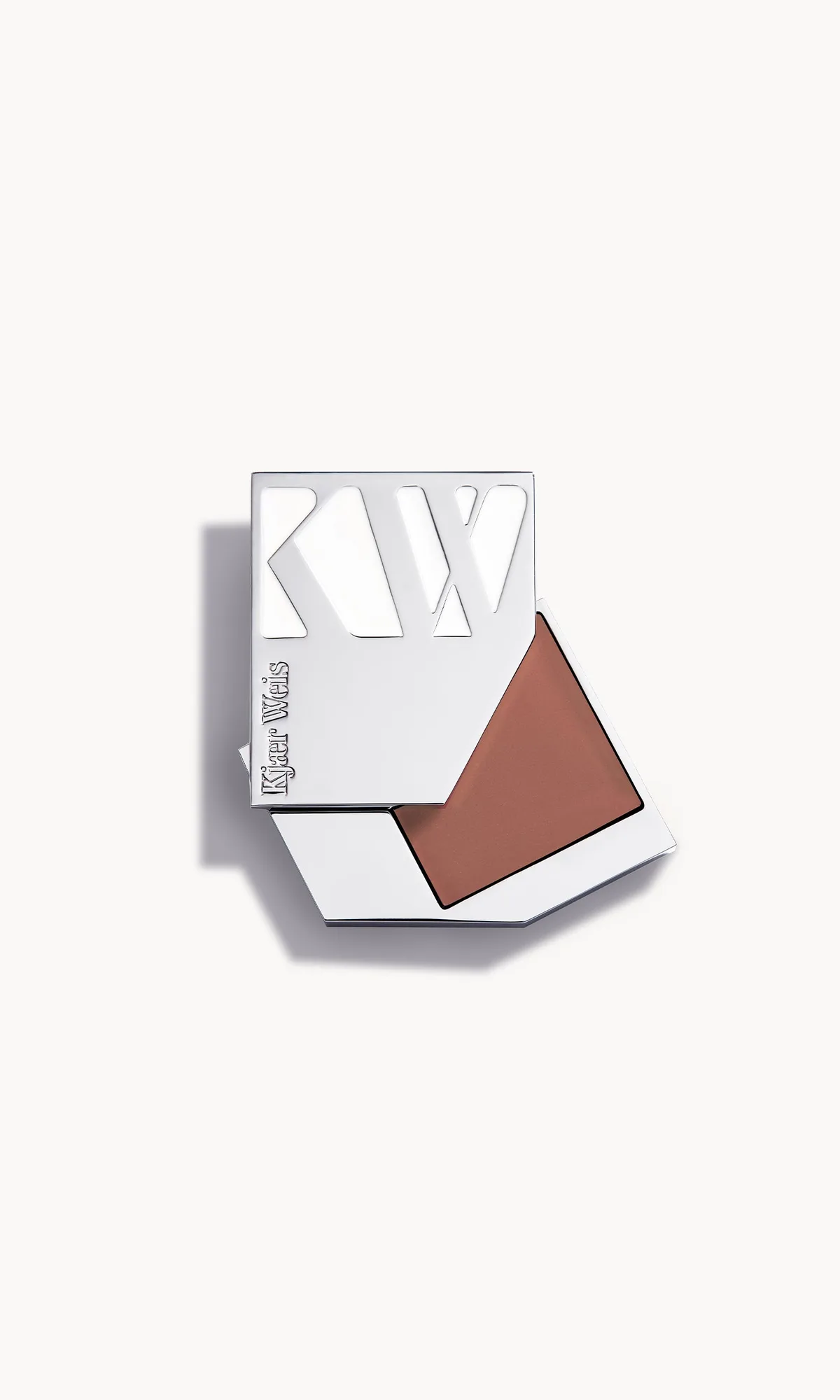
- Cream Bronzer / Enchant: A creamy, blendable bronzer that melts into skin for a natural, sun-kissed glow and builds from a sheer wash of warmth to sculpted definition. Cream color layers well over a cream moisturizer, so it suits dry and combination skin that prefers a dewy finish over powder.
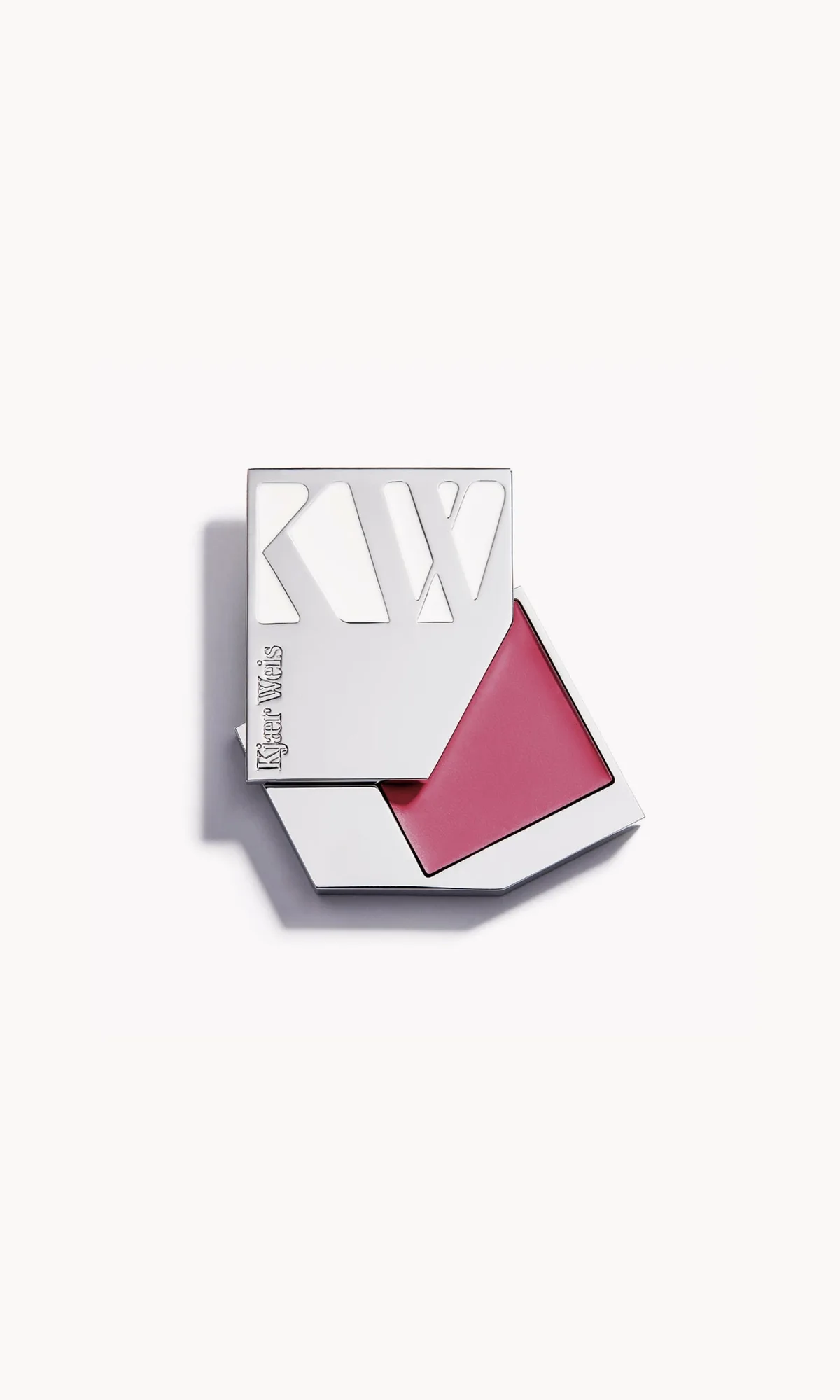
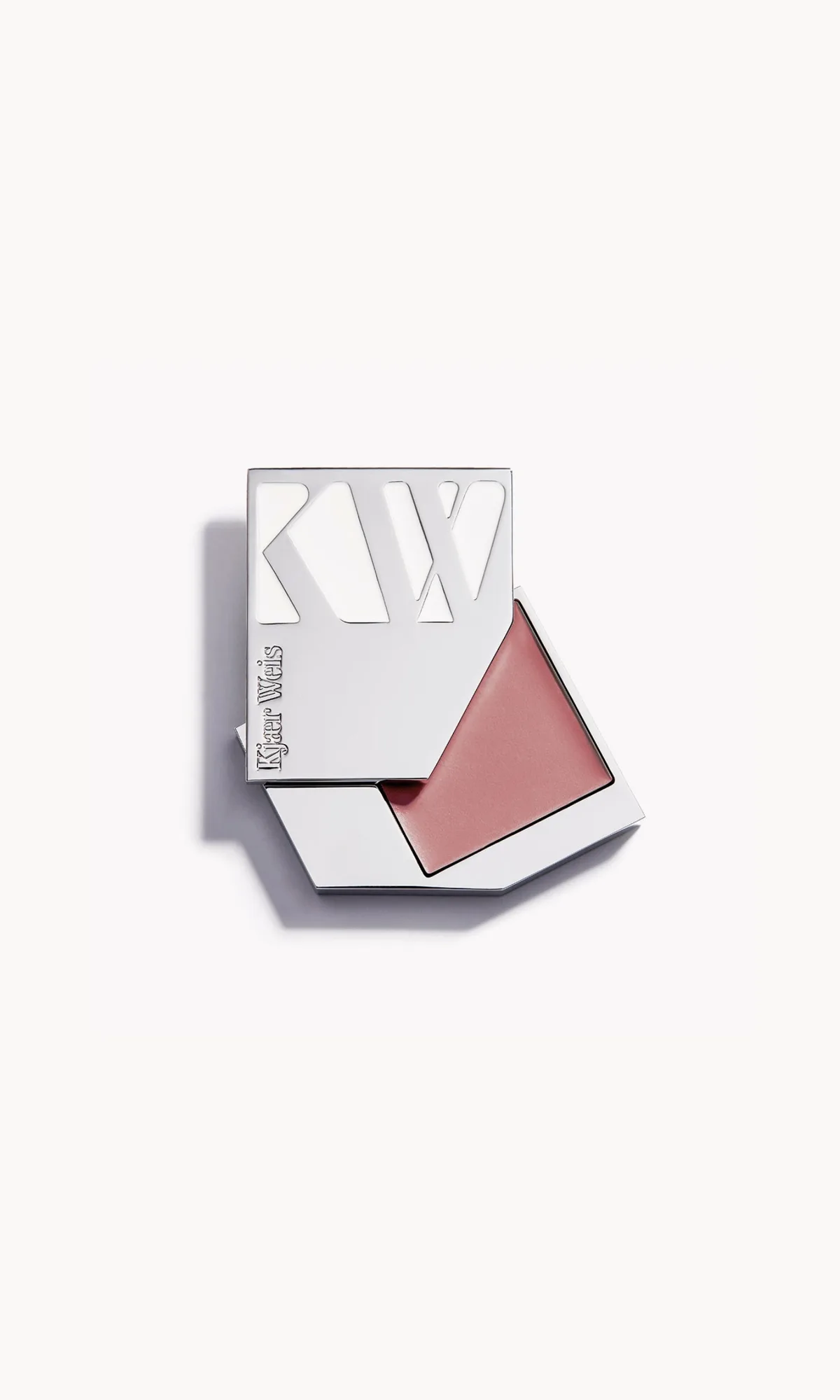
- Cream Blush / Abundance: A creamy, blendable flush of color that melts into skin to sculpt and illuminate for a dewy finish, applied with the warmth of your fingers. Finger application warms the formula so it blends without tugging, which is helpful when skin is dry or has just been moisturized.
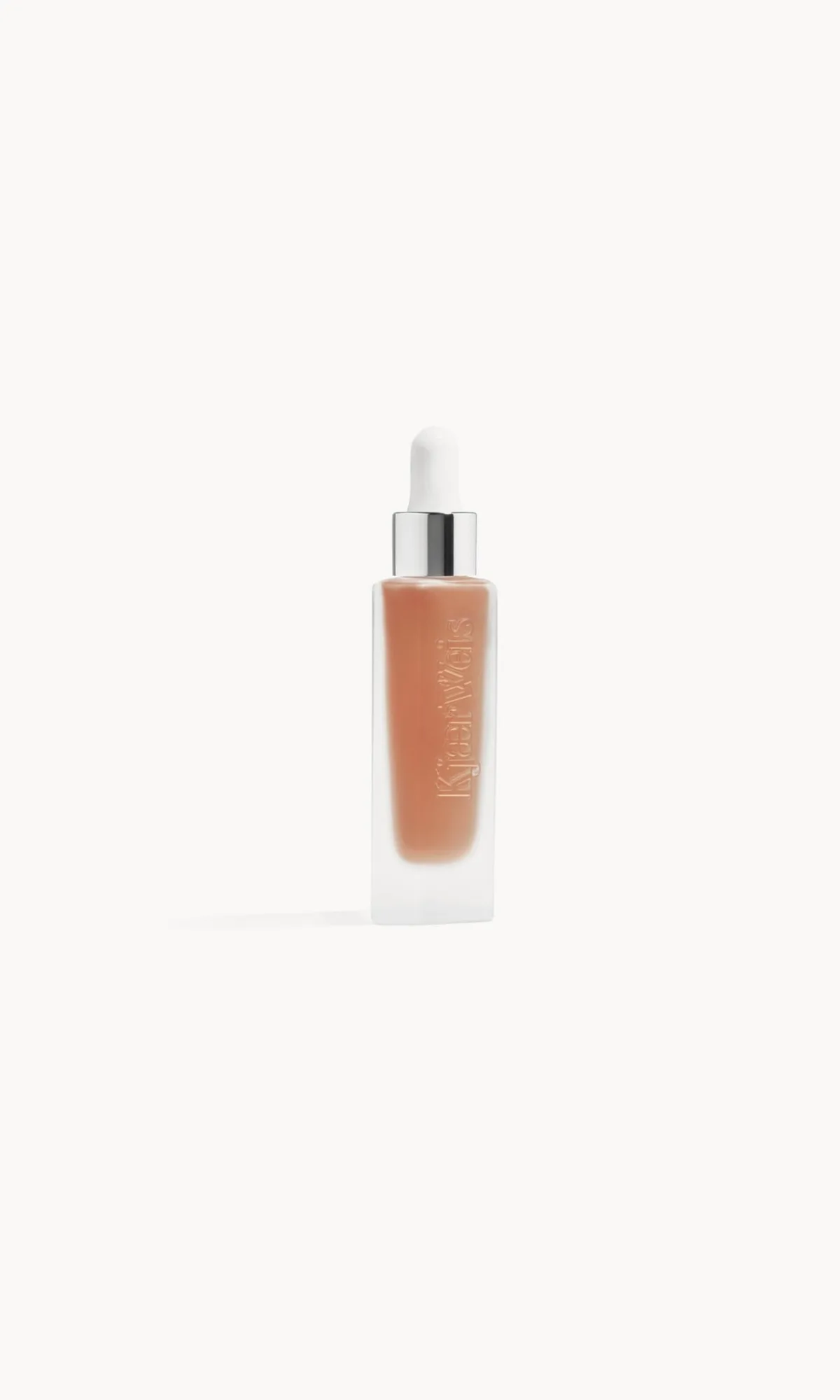
- Cream Foundation / F130 – Silken: A certified-organic, multi-tasking complexion product that can be used as a cream foundation for all-over coverage. A cream foundation pairs naturally with a cream moisturizer rather than a heavy oil layer, keeping the finish even instead of slippery.
Which Should You Choose?
Best for
- Dry or dehydrated skin that feels tight and flaky, using a cream as the base
- Oily skin that wants light moisture without a heavy film, using a light cream
- Combination skin that can use cream all over and oil only on dry patches
- Anyone who wants a dewy makeup finish with cream color products
Not for
- Very oily or acne-prone skin that breaks out from heavy oils, unless a dermatologist advises otherwise
- Skin that needs water-based hydration but is using oil alone
- Anyone who wants a single product to both hydrate and seal without layering