Quick answer
For a fairy tales and legends book that honors the strange, delicate, and often unsettling roots of folklore, choose a collection that preserves original regional lore over sanitized retellings.
Why authenticity matters in folklore collections
Modern fairy tale adaptations often soften characters and remove the moral ambiguity that gave these stories their edge. A genuine folklore book retains the cultural context, the unpredictable nature spirits, and the harsh lessons that traditional tales were meant to teach. When you read a story that feels unsettling or strange, it is likely closer to the original oral tradition.
Look for editions that cite their sources, such as the region or collector (e.g., the Brothers Grimm, Andrew Lang, or Alexander Afanasyev). This transparency signals that the publisher values historical accuracy over mass-market appeal.
Trade-off: scholarly accuracy vs. readability
Some folklore books read like academic texts, with extensive footnotes and archaic language. Others are heavily rewritten for a modern audience, losing the raw voice of the original tellers. Decide which trade-off matters more to you: if you want the closest version to what was told by firesides centuries ago, accept some clunky phrasing. If you prefer a smooth reading experience, check that the adaptation notes explain what was changed and why.
How to choose your folklore book
- Check the source material: Identify which folklorist or region the book draws from (e.g., Grimm, Perrault, Norse sagas). This tells you the cultural lens and the type of mythical creatures you will encounter. A book citing specific collectors is more likely to preserve traditional tales faithfully.
- Read a sample page: Look for language that feels natural yet retains a sense of antiquity. Overly modern slang or excessive simplification often means the editor prioritized ease over authenticity. The tone of one page reveals the entire book's approach to folklore.
- Assess the creature diversity: A strong legends book includes more than just fairies and witches. It should feature a range of beings from the region's lore: water spirits, forest guardians, tricksters, and shape-shifters. This variety enriches your understanding of the mythical world. A narrow bestiary may indicate a watered-down collection.
Featured folklore collection
-
Fairy: Tales and Legends Book: This volume gathers fairy lore as it once was: strange, delicate, and often unsettling. These are not softened creatures of modern imagination, but beings tied to nature, mischief, and unseen rules. If you want a fairy stories collection that respects the eerie, unpredictable side of folklore rather than Disneyfied versions, this book delivers exactly that raw authenticity.
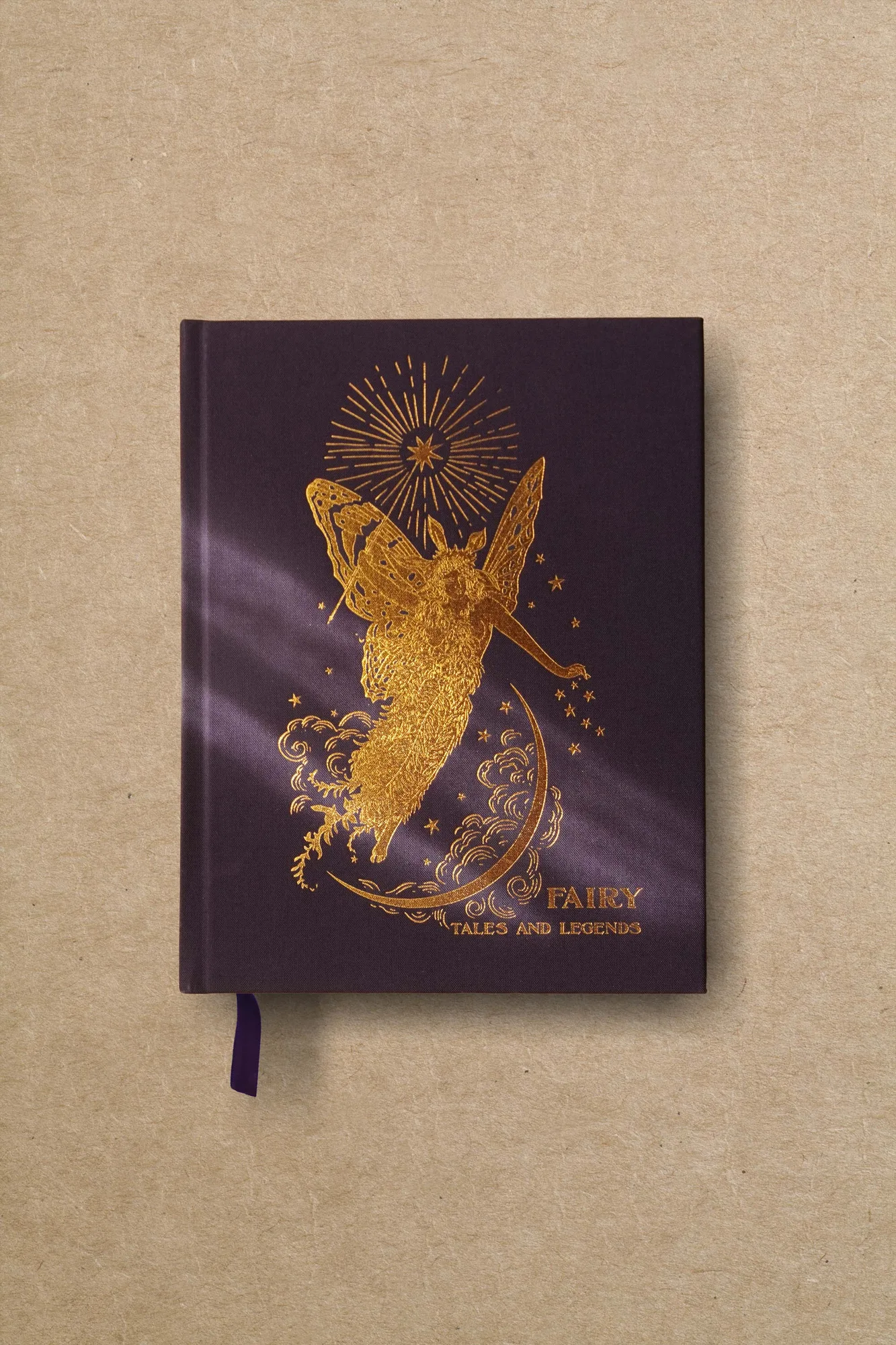
Fairy: Tales and Legends Book
Which reader does this suit?
Best for
- Readers who appreciate folklore with its original moral complexity and eerie atmosphere
- Collectors of traditional tales from specific cultural regions
Not ideal for
- Readers looking for light, child-friendly bedtime stories with happy endings
- Anyone who prefers modern retellings that remove unsettling elements