Quick Answer
For most outdoor sculptures, reapply the top coat every 12 to 18 months. Harsh weather, UV exposure, and frequent cleaning can shorten this interval, so inspect the surface twice a year and touch up as needed.
top coat
A well‑maintained top coat shields outdoor sculptures from rain, sunlight, and temperature swings, preserving both color and structural integrity.
Understanding the top coat reapplication frequency helps you plan a maintenance schedule that avoids costly repairs and keeps public art looking vibrant.
What Influences Top Coat Lifespan?
UV radiation breaks down polymer binders, causing the coating to become chalky or peel. In coastal areas, salt spray accelerates corrosion, while heavy rain can wash away loosely bonded layers. Seasonal temperature shifts also cause expansion and contraction, stressing the top coat.
Regular cleaning with a mild, non‑abrasive solution removes pollutants that might otherwise embed in the coating. However, aggressive scrubbing or harsh chemicals can erode the protective layer, shortening its effective life.
- Inspect the surface in early spring and late fall; look for loss of gloss, cracks, or flaking.
- Touch up minor wear with a compatible clear top coat before the next full reapplication.
How to Apply a New Top Coat Correctly
Start with a clean, dry surface. Lightly sand any rough spots, then wipe away dust with a lint‑free cloth. Apply a thin, even base layer of clear top coat, allowing each coat to cure according to the product’s instructions before adding the next.
For best durability, use two to three coats, finishing with a UV‑resistant sealant if the product recommends it. This layered approach helps the coating adhere better and resist environmental stress.
- Work in shaded, moderate temperature conditions to prevent premature drying.
- Avoid direct sunlight until the final coat fully cures.
Key Takeaways for Top Coat Care
Reapplication Interval
Plan to reapply every 12‑18 months, adjusting for local climate and wear. Set calendar reminders for spring and fall inspections.
Inspection Checklist
Look for loss of gloss, cracks, flaking, or colour fading. Address minor issues promptly to avoid full‑scale recoating.
Application Best Practices
Clean, sand, and apply 2‑3 thin coats in shaded conditions, finishing with a UV‑resistant sealant. Follow product‑specific cure times for optimal durability.
Product Examples That Illustrate Protective Coating Principles
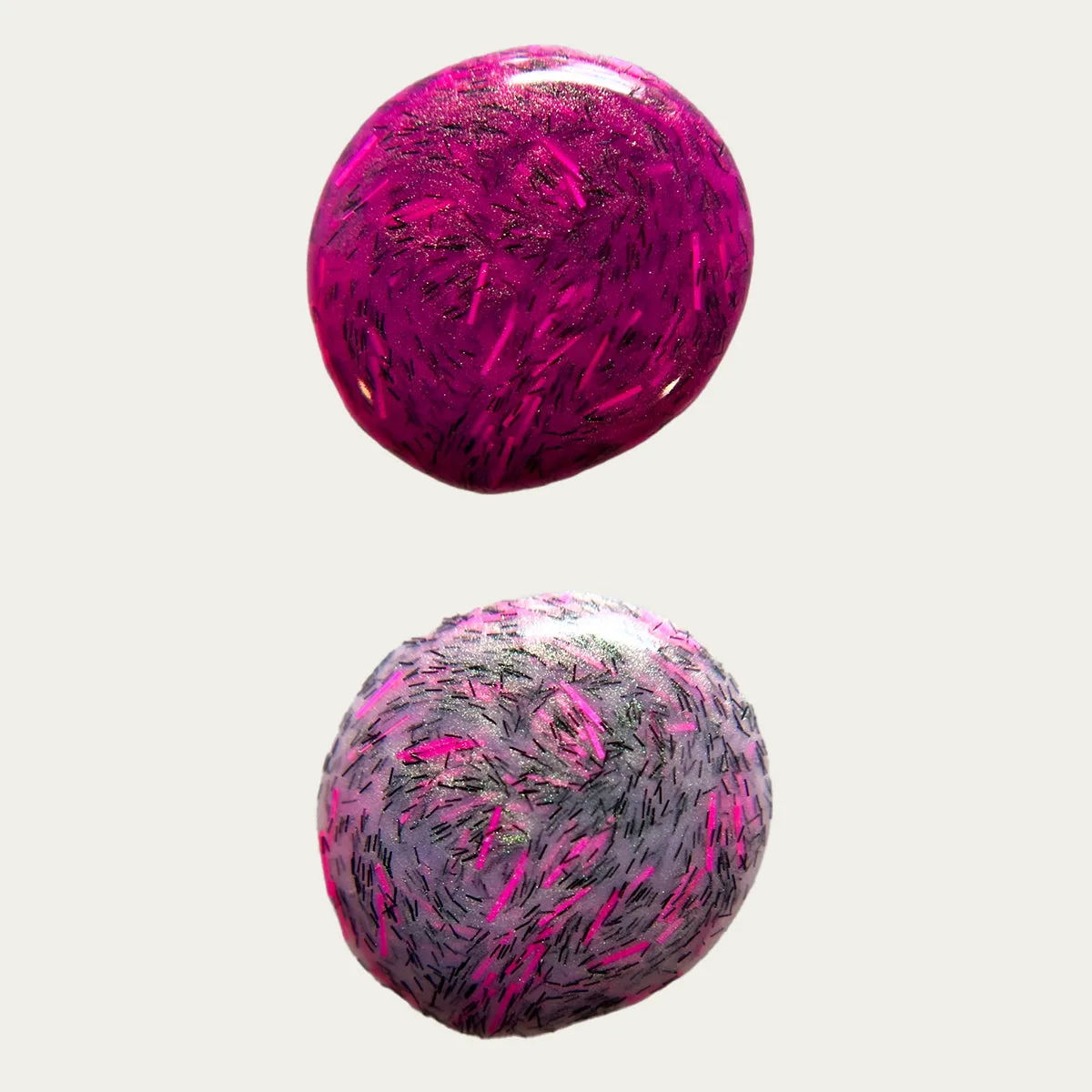
- THE SINK AFTER HE SHAVES (thermal): Rubine red = cold / Sheer = hot. This thermal has pink bars, micro black glitter bars, and turquoise shimmer. Care: Thermal polish will actively transition for up to two years if kept in a dark and cool environment. The transition period shows how environmental conditions can alter a coating’s appearance, reminding you to store finished sculptures in stable, shaded locations to maintain colour integrity.
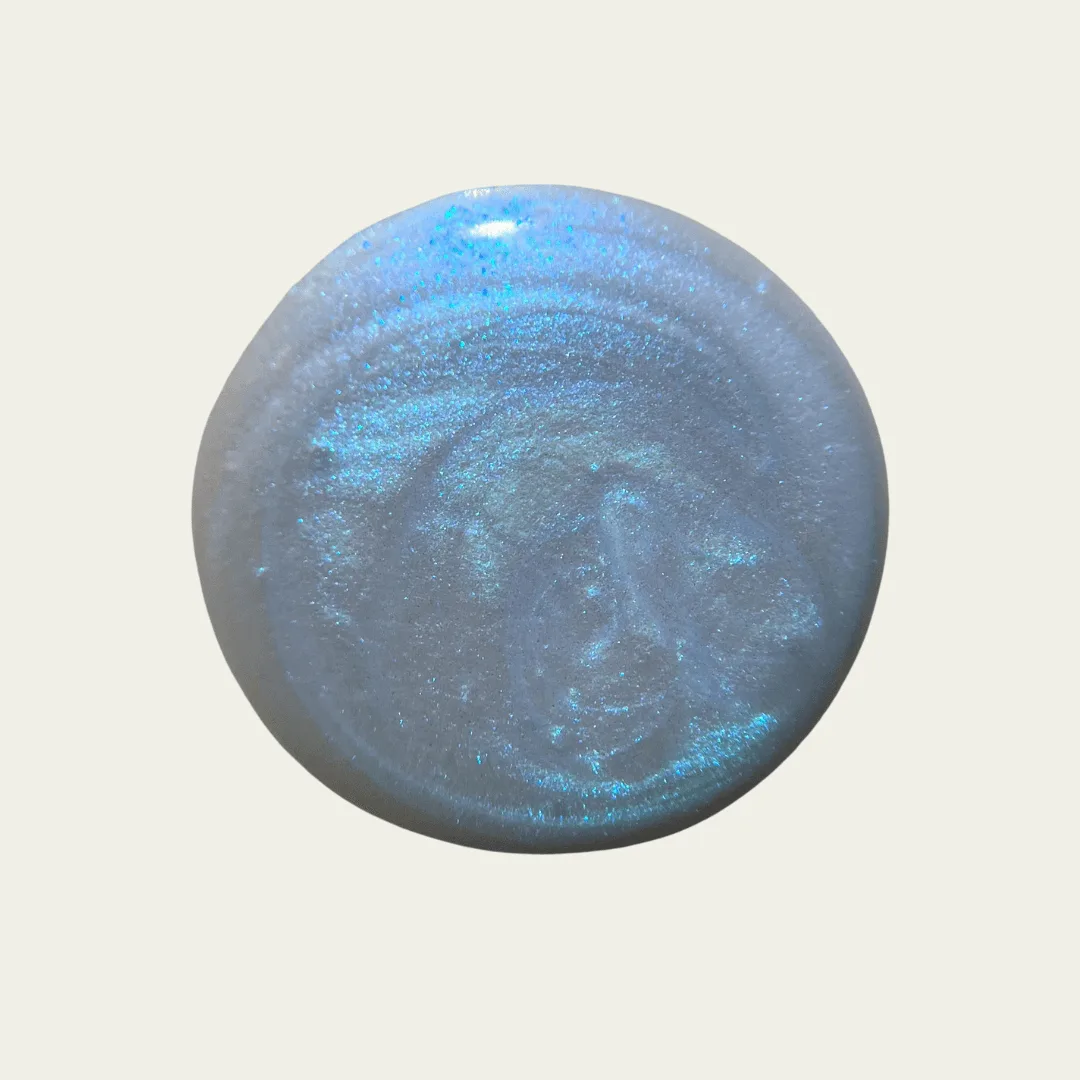
- STONE COLD FOX: Pearlescent jelly ice blue. This polish comes with a removable handmade decorative bronze cap atop our standard black matte nail polish cap – merging artistry with function. The decorative cap demonstrates how functional design elements can protect the product while adding aesthetic value, similar to using protective caps or covers on sculpture tops to guard against weather.
By tracking the top coat reapplication frequency and following these practical steps, you can extend the life of your outdoor sculptures and keep them looking fresh for years to come.