Quick answer
Buy farm animal figures that match your purpose first, then your budget. For classrooms and mixed-age play, choose solid, hand-sized figures with realistic paint and no tiny parts; for home collections, add one or two larger horses or specialty breeds. A small set of accurate, durable figures beats a large bin of fragile ones every time.
Farm animal figures look simple on a shelf, but they are not all the same. Some are built for daily handling by a classroom of five-year-olds, while others are meant for a quiet display shelf. Knowing which one you need before you buy saves money and frustration.
This farm animal figures guide gives you concrete decision rules for farm toy buying. You will learn how to judge durability, size, realism, and play value, and how to build a farm figurine set that works for kids, classrooms, or both.
Start with the job the figures need to do
The single biggest buying mistake is choosing figures by looks alone. A figure that lives in a toy bin and gets dropped on a tile floor needs different qualities than one that sits on a classroom nature table. Before you compare prices, write down who will handle the figures, how often, and where they will be stored.
If the answer is 'a group of children, every day, in a shared bin,' prioritize solid construction and simple shapes. If the answer is 'one careful child or a display shelf,' you can choose finer detail and more delicate features. This one decision narrows your options faster than any brand comparison.
- Count the hands: one child, siblings, or a full classroom changes durability needs.
- Check the storage plan: open bins favor sturdy figures, shelves allow finer ones.
Durability: what to look for in farm animal toys for kids
Durability comes down to solid molding, stable footing, and paint that survives handling. A figure that stands firmly on its own is less likely to be knocked over and stepped on. Thin legs and delicate tails are the first things to break in heavy play, so look for compact, balanced poses when the figures will be used by young children.
Paint quality matters just as much as plastic thickness. Realistic markings on farm breeds are often applied in layers, and those layers can wear at the nose, ears, and hooves. That wear is normal over years of play, but figures with simple, well-bonded paint hold up better than ones with thin detail in high-touch areas.
- Set the figure on a flat surface before buying: wobble now means tipping later.
- Avoid long, thin tails and antlers for toddler bins.
Size and scale: why a farm figurine set should stay consistent
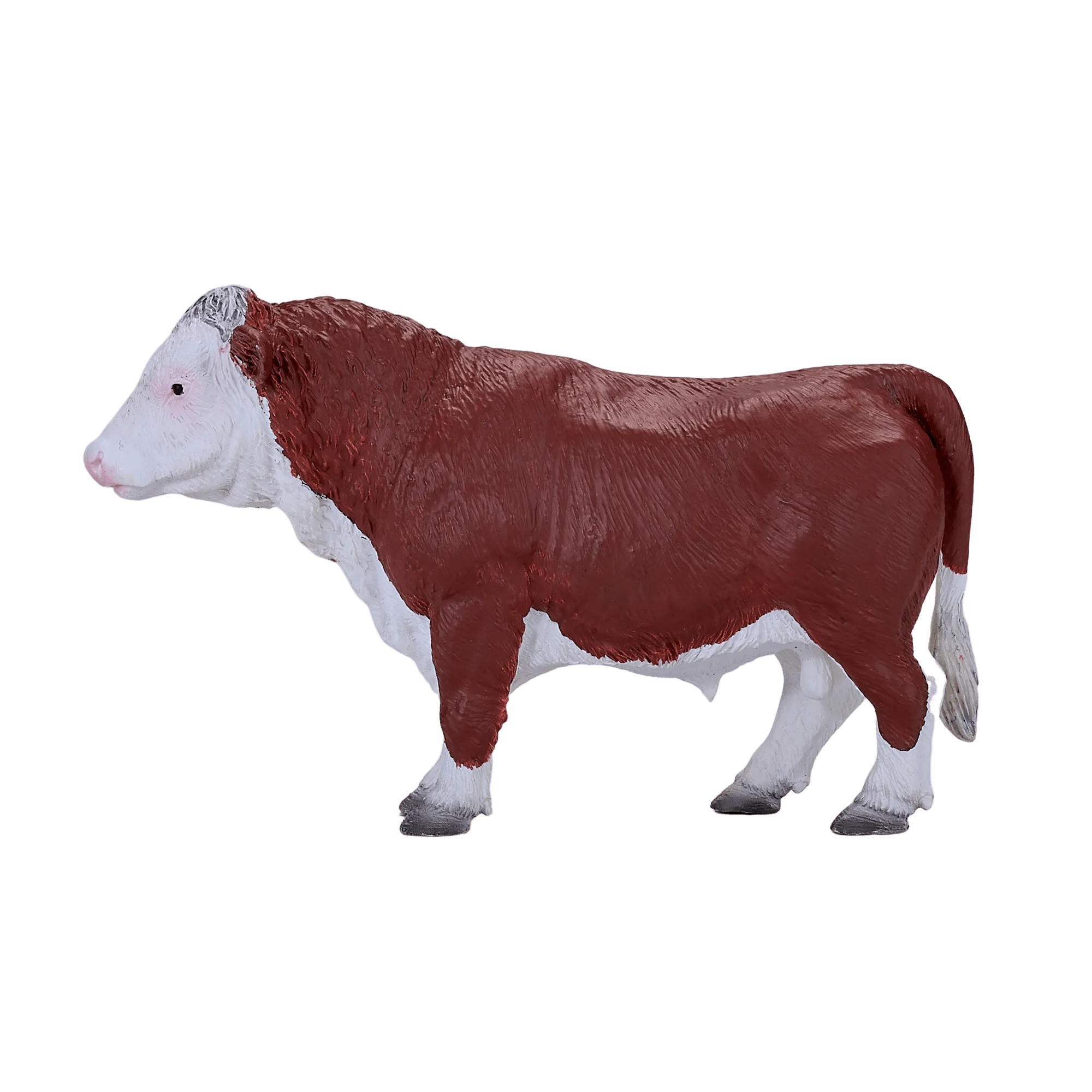
Scale is the quiet deal-breaker in farm toy buying. A hand-sized cow next to a tiny sheep looks wrong in a play scene, and children notice. If you are building a farm figurine set, decide on one rough size range and stay inside it, so animals can stand together without one looking like a giant.
Smaller figures are easier to store and cheaper to collect, but they are also easier to lose and harder for small hands to grip. Larger figures are more satisfying to hold and less likely to disappear under the couch, but they take up more shelf space and cost more per animal.
- Measure your storage bin before choosing a scale.
- For mixed-age play, a medium hand-sized range is the safest compromise.
Realism versus play value
Realistic paint and accurate proportions help children connect figures to real animals, which is why teachers often prefer them for lessons. But extreme realism can add fragile details. The practical middle ground is a figure that is clearly the right species and breed, with sturdy legs and a stable base.
For younger children, play value usually wins. A figure that can stand, be carried, and survive a fall will be used far more than a delicate model. For older children and classroom use, realistic markings become worth the extra care because they support naming, sorting, and observation activities.
- Ages 2-4: sturdy and simple beats detailed and fragile.
- Ages 6+: realistic breed markings add real learning value.
Building a classroom farm figures collection
Classroom farm figures need to survive group handling, so buy fewer but better. A set of eight to twelve sturdy animals covers most farm lessons, sorting games, and story prompts without creating a storage problem. Choose a mix of common farm animals plus one or two unusual breeds to spark questions.
Labeling matters in a shared collection. A simple sticker or tray label helps children return animals to the right place and keeps the set complete. If a figure goes missing, replace it with the same species rather than a random animal, so the set stays usable for matching and sorting activities.
- Buy duplicates of the most-used animals for group activities.
- Store by species or size so children can reset the set independently.
Decision rules for farm toy buying
- Rule 1: Match the figure to the handler: If toddlers or a full classroom will handle the figures daily, choose solid, hand-sized animals with stable footing and no thin, breakable parts. If one careful child or a display shelf is the main user, you can choose finer detail. Durability first for group use; detail first for display or older children.
- Rule 2: Keep one scale across the set: Pick a rough size range before you buy and stay inside it. Mixing a hand-sized cow with a tiny sheep makes play scenes look wrong and weakens sorting and matching activities. Consistent scale matters more than any single figure.
- Rule 3: Buy fewer, sturdier figures: A small set of eight to twelve durable animals covers more lessons and play sessions than a large bin of fragile ones. Add specialty breeds only after the core set is complete. Replace missing figures with the same species to keep the set usable.
- Rule 4: Check stability and paint before price: Set the figure on a flat surface and look at the nose, ears, and hooves, where paint wears first. A wobbly figure will tip during play, and thin paint will fade with handling. Stable footing and well-bonded paint are the two best durability signals.
Catalog facts that help you decide
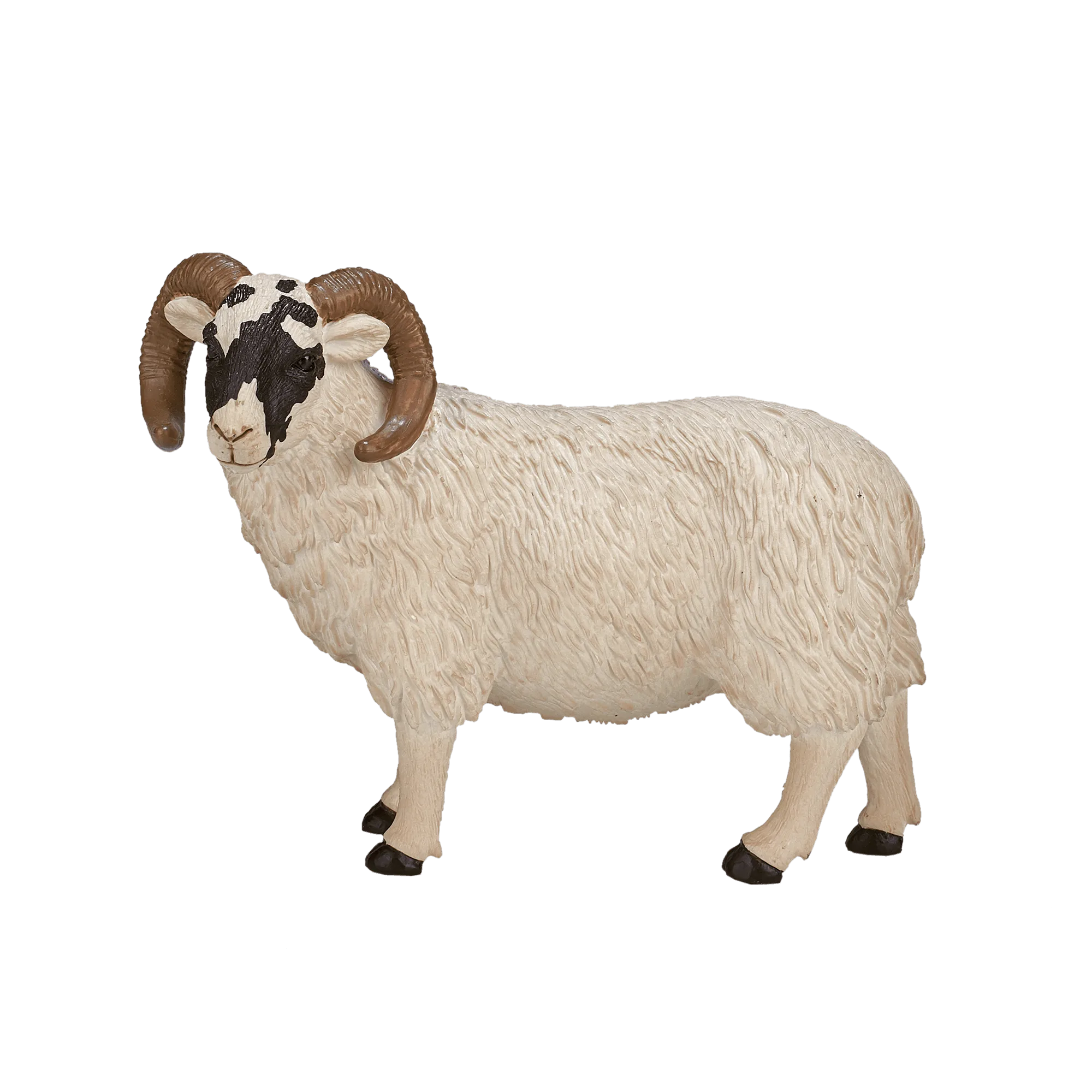
- Black Faced Sheep (Ram): Contrary to popular misconception, sheep are extremely intelligent animals capable of problem solving. They are considered to have a similar IQ level to cattle and are nearly as clever as pigs. A sheep figure earns its place in a classroom set because it supports lessons about animal intelligence, not just farm naming.
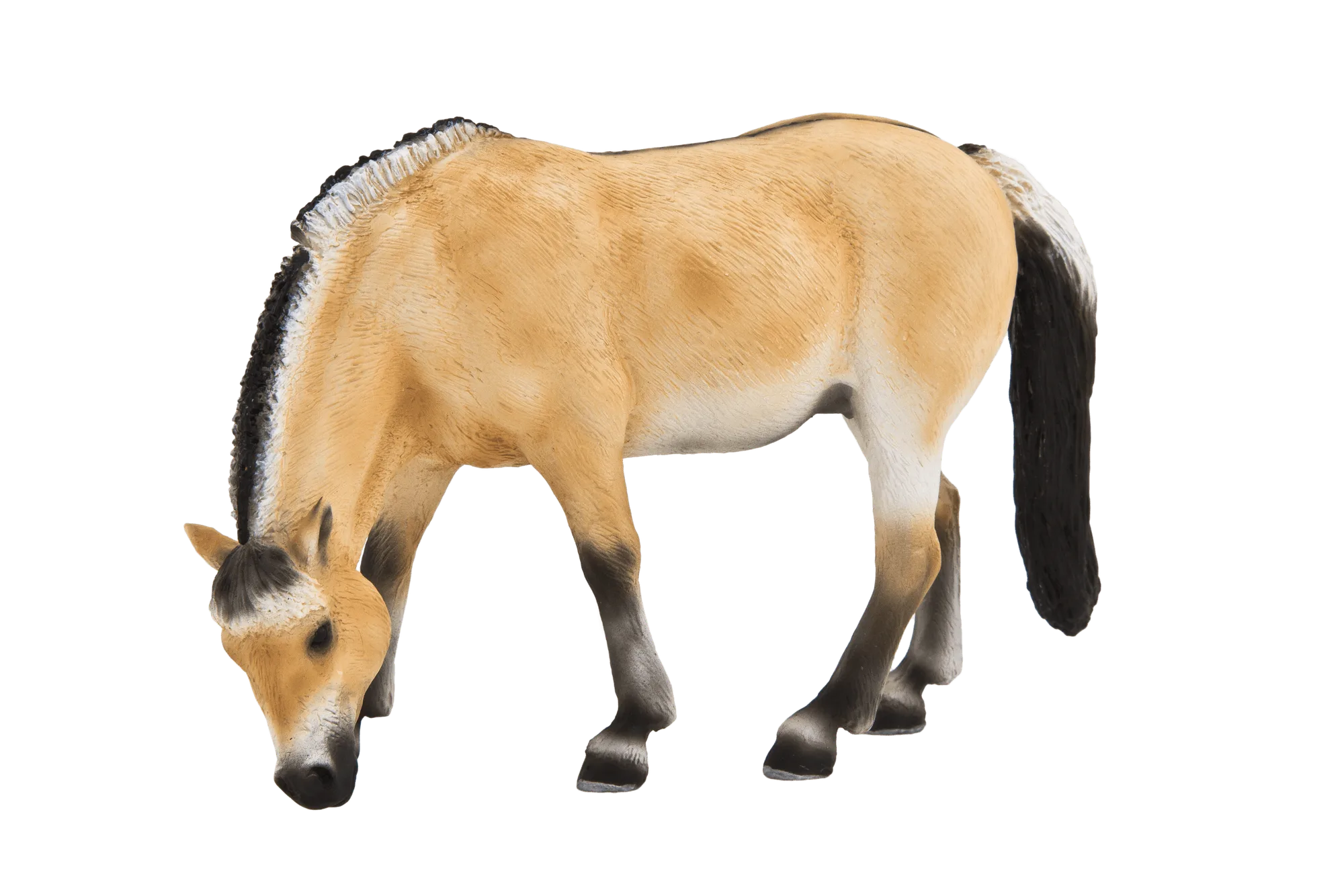
- Fjord Mare: Though small, the Norwegian Fjord horses are strong and extremely hardy. For hundreds of years they were used for riding and working farms in a harsh environment. The Norwegian Fjord is a versatile and hardy breed whose attractive dun color is complemented by a distinctive two toned mane. A breed-specific horse like this adds real variety to a farm figurine set and gives children something distinctive to identify and compare.
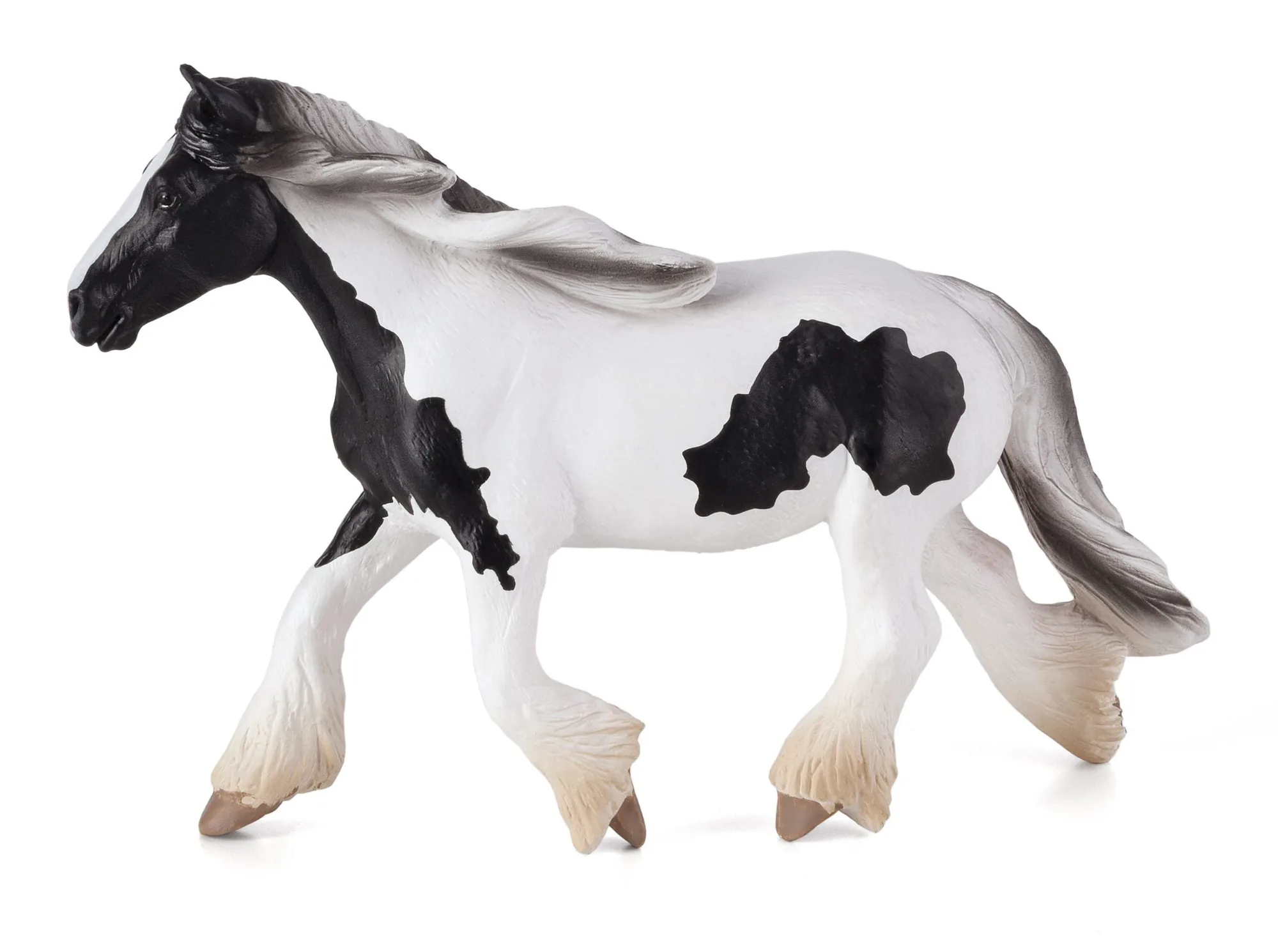
- Tinker Mare: While they are small in stature, Tinker horses are muscular and strong. They are used as draft, or work horses. These horses can also be used for showing in western and driving competitions, as well as dressage. They make fine companion horses as they are docile, kind, intelligent and deal well with children. A draft horse figure shows children that not all horses are the same, which is useful for sorting and comparison activities.
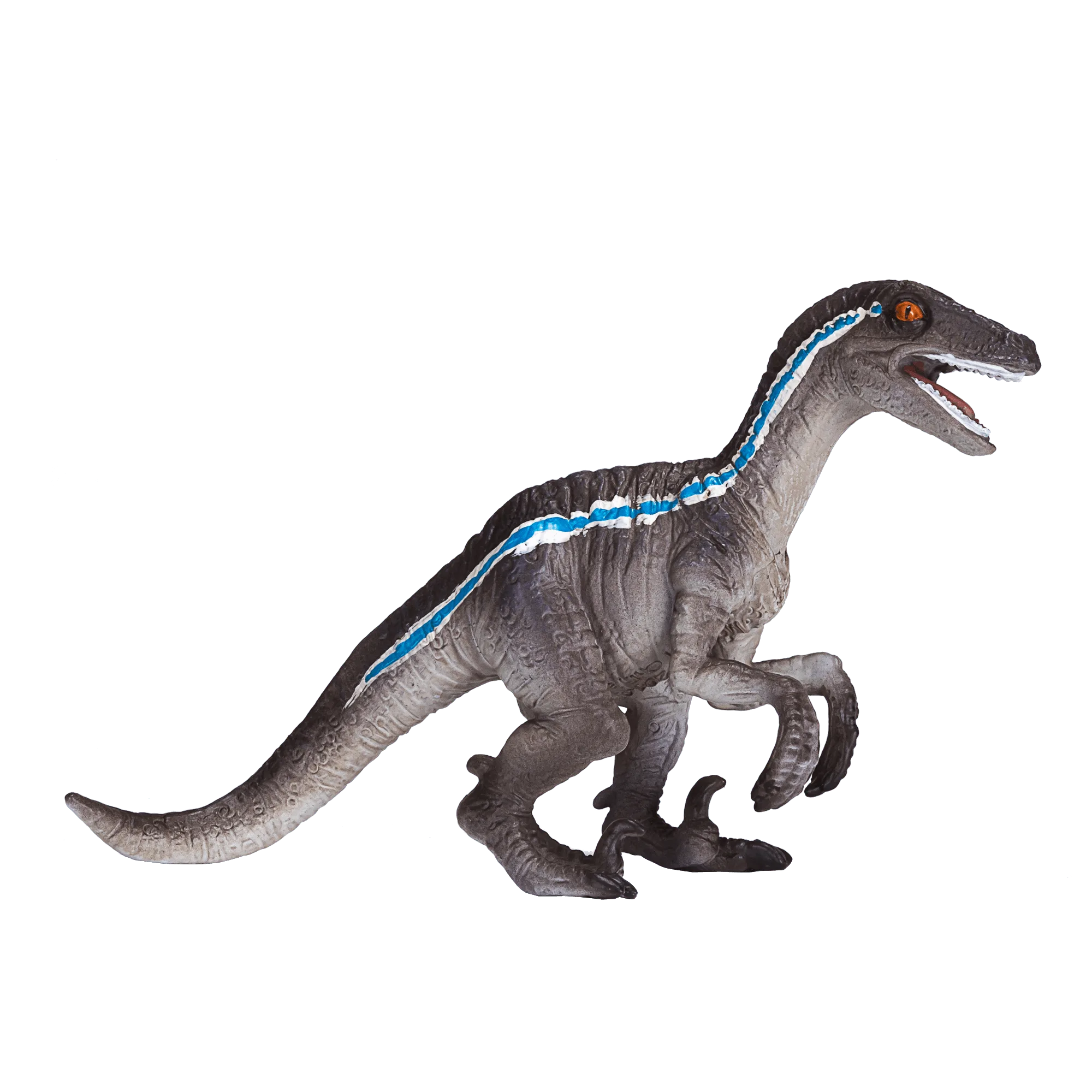
- Velociraptor crouching: The Velociraptor played a large role in the Jurassic Park movies but was often shown inaccurately. Rather than being a larger, human sized dinosaur, the Velociraptor was around the size of a Turkey. It is also believed to have had feathers that were not shown in the movie portrayal. Useful as an honest example of how scale and accuracy vary between toys, which is exactly what this guide asks you to check.
Who this approach fits
Best for
- Parents building a first farm animal set for children ages 3 and up
- Teachers who need sturdy classroom farm figures for group activities
- Shoppers who want a farm toy guide with clear tradeoffs instead of hype
Not for
- Collectors seeking rare or limited-edition display pieces
- Buyers who want a single large playset with buildings and vehicles
- Anyone shopping strictly by lowest price regardless of durability
Good farm animal figures are chosen by purpose, not by shelf appeal. Decide who will handle them, keep one scale across the set, and buy fewer, sturdier animals. Do that, and your farm toy collection will survive years of play and still be useful in the classroom.