Quick Answer
For most families, the best farm puzzle for kids is a chunky wooden animal puzzle with large knobs or thick pieces, starting around 12 months. Choose one with simple shapes and familiar farm animals if your child is new to puzzles; choose a 12-piece or larger puzzle only after they can reliably place 3–4 pieces. If your child is already stacking blocks or pushing a walker, a wooden puzzle is still worthwhile, but pair it with a more active toy like the Moover Baby Walker Pink 2337 for variety.
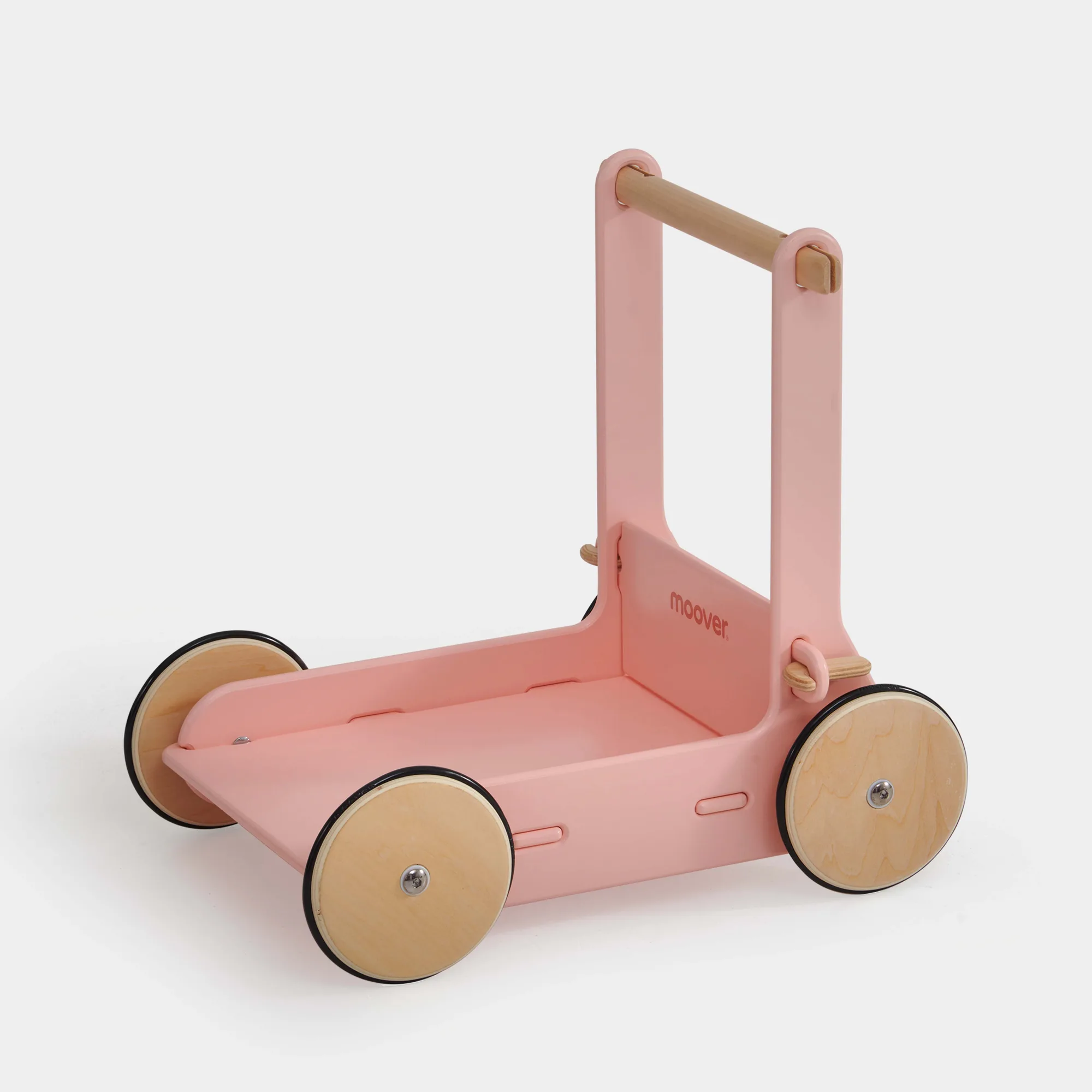
Baby Walker Pink 2337
A farm puzzle is often a toddler's first real toy with a goal: put the animal in the right spot. That simple task builds fine motor skills, shape recognition, and patience. But not every farm puzzle fits every child, and the wrong one ends up ignored on a shelf.
This guide walks through the features that actually matter, the trade-offs between simple and complex puzzles, and how to tell when your child is ready for the next step. It also covers when a puzzle is the wrong purchase entirely, so you can spend your toy budget where it will be used.
What to Look For in a Wooden Farm Puzzle
The most important feature is piece size. For a 12-month-old, pieces should be large enough to grip with a whole hand and too big to swallow. Knobs or pegs help younger toddlers lift pieces, while flat chunky pieces work better once a child can pinch. Look for smooth, rounded edges and a painted finish that is described as environmentally friendly or water-based; this matters because toddlers put everything in their mouths.
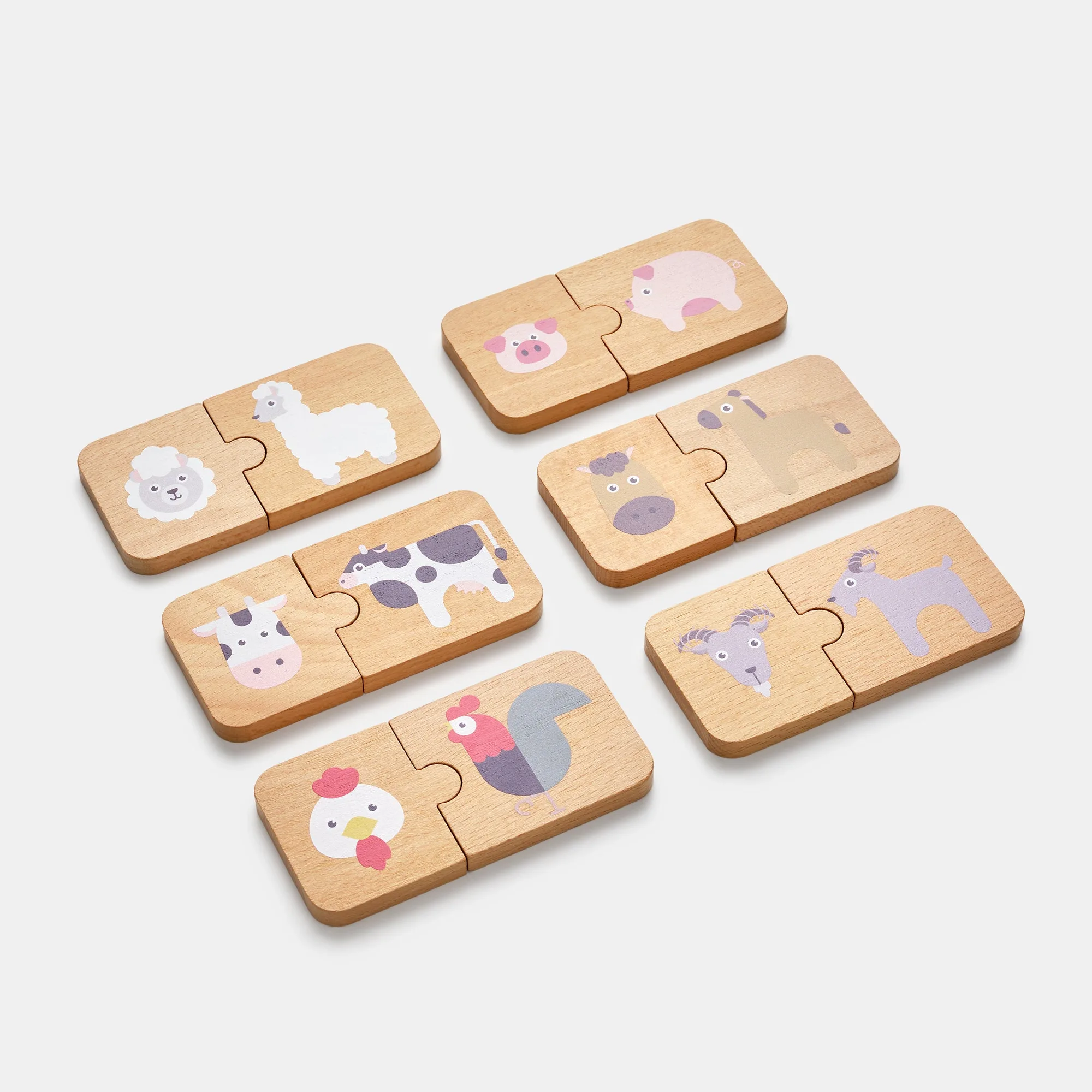
Next, check the number of pieces. A first puzzle should have 3–5 pieces with clear, matching pictures underneath. More pieces mean more challenge, but also more frustration if the child is not ready. The Farm Puzzle from Moover has a 12m+ age recommendation and focuses on shape and color recognition, which makes it a reasonable first or second puzzle.
- Count the pieces: 3–5 for beginners, 6–12 for experienced toddlers.
- Check the material: solid wood is more durable than MDF, but MDF is lighter and often less expensive.
- Look for a base with printed outlines so the child can self-correct.
Farm Animal Puzzle vs. Generic Shape Puzzle
Farm animal puzzles add a language layer: you can name the cow, pig, and duck while your child plays. That makes them more engaging for many toddlers than abstract shapes. If your child already knows animal sounds, a farm puzzle turns puzzle time into storytelling, which extends the useful life of the toy.
A generic shape puzzle, by contrast, teaches geometric shapes but offers less room for imaginative play. Neither is better in every case. If your goal is purely fine motor practice, a shape puzzle works. If you want vocabulary and pretend play alongside motor skills, a farm animal puzzle is the stronger choice.
When a Farm Puzzle Is the Wrong Choice
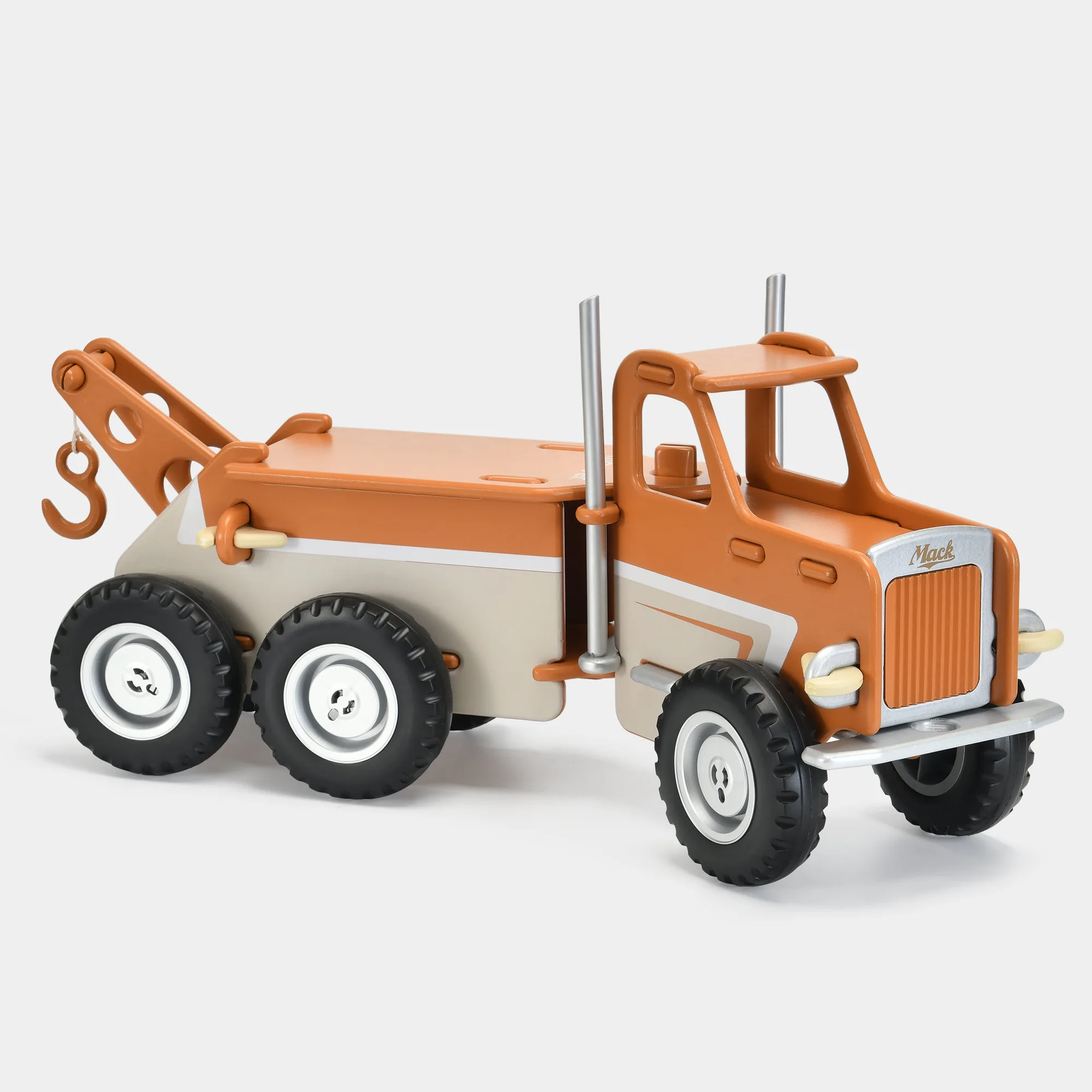
Puzzles are quiet, seated toys. If your child is in a phase where they need to move, climb, or push something across the room, a puzzle may sit untouched. In that case, a mobility toy such as the Moover Baby Walker Pink 2337 or a ride-on like the Mack Ride-On Truck Brown may get far more use right now. You can always introduce a puzzle later when the child's attention span for table play grows.
Also skip complex puzzles if your child gets easily frustrated. A puzzle that is too hard teaches them to avoid puzzles, not to solve them. Start simpler than you think you need, and size up once they finish a puzzle confidently in under a minute.
How to Introduce a Farm Puzzle Without Frustration
Start by doing the puzzle together, handing your child one piece at a time and pointing to the matching spot. Narrate what you see: 'The cow goes here.' Let them place the piece even if it is upside down at first. The goal is completion, not correctness.
Once they can place pieces with help, step back and let them try alone. Keep the puzzle on a low shelf they can reach, and rotate it out for a few days if interest drops. A puzzle that is visible and accessible gets used far more than one stored in a bin.
- Work on a flat, stable surface like a floor or low table.
- Limit the pieces to 3–4 at a time for very young toddlers.
- Praise the effort, not just the correct placement.
Decision Rules: Which Farm Puzzle Fits Your Child
- If your child is 12–18 months and new to puzzles: Choose a puzzle with 3–5 chunky pieces, knobs or thick grips, and matching pictures underneath. The Farm Puzzle meets these criteria with a 12m+ rating and a focus on shape and color recognition. Buy the simplest puzzle first. You can always add a more complex one later.
- If your child can already complete a 4-piece puzzle easily: Move to a 6–12 piece puzzle with smaller, flat pieces. Look for a wooden farm puzzle with a clear base image so your child can self-check. Size up only when the current puzzle is finished in under a minute.
- If your child prefers movement over table play: Skip the puzzle for now. Choose a push toy or ride-on such as the Baby Walker Pink 2337 or Mack Ride-On Truck Brown, and reintroduce puzzles when seated play becomes interesting. Match the toy to the child's current motor drive, not the other way around.
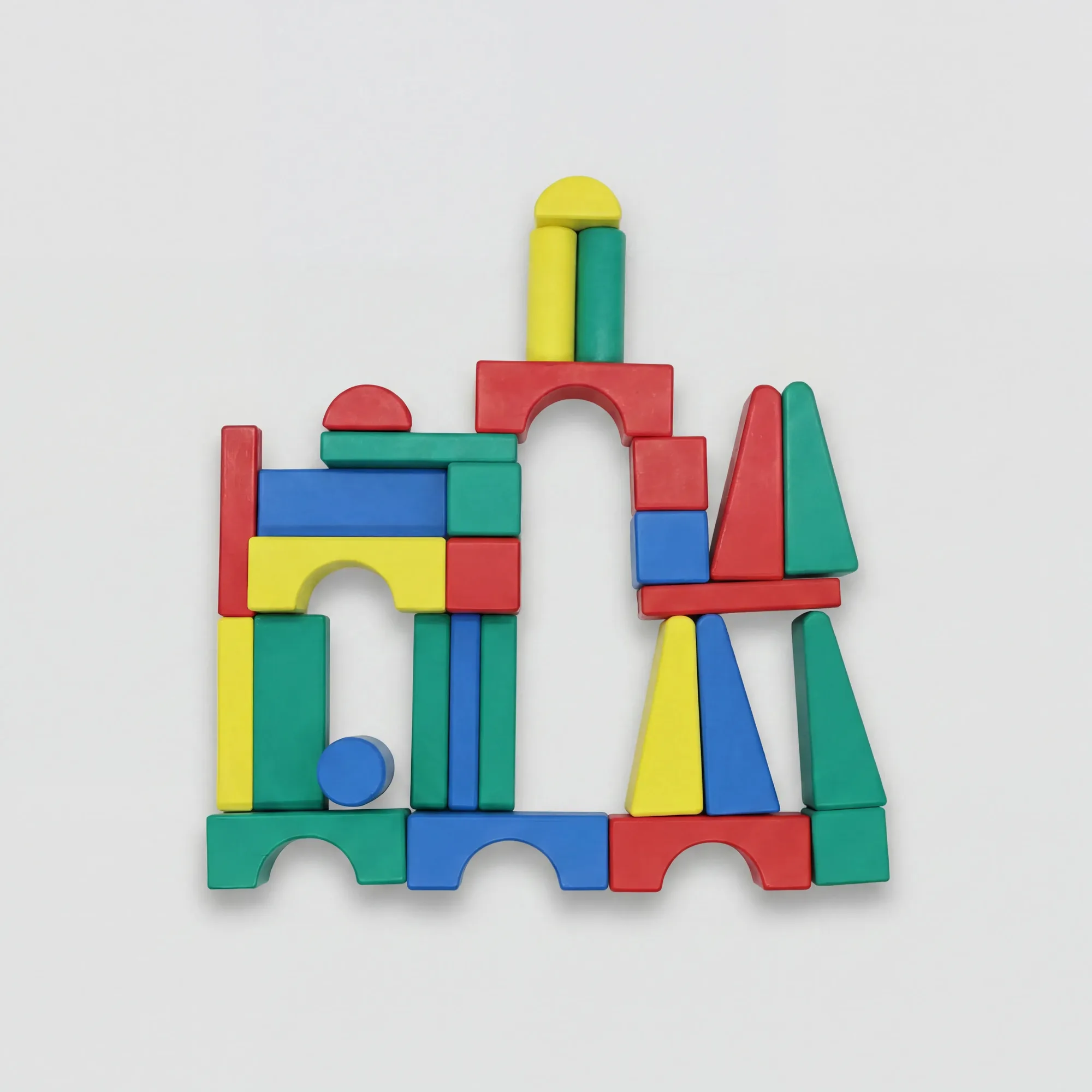
- If you want a toy that grows with your child: Solid wood puzzles and blocks like Blocks in Bag Primary Color hold up better over years of use than MDF, and they can be passed down. MDF puzzles are lighter and cheaper but more prone to chipping if dropped. Pay for solid wood if you plan to keep the toy for multiple children.
Product Facts That Matter
- Farm Puzzle: Recommended for ages 12m+, made of MDF with environmentally friendly paint, and designed to develop fine motor skills, hand-eye coordination, and shape and color recognition. This is a true first puzzle: the age rating, chunky pieces, and educational focus match a toddler who is just learning to grip and place. The MDF construction keeps it lightweight and affordable, but it is not as heavy or heirloom-durable as solid wood.
- Blocks in Bag Primary Color: Solid wood, no assembly required, 38 x 6 x 11 cm, from age 12M+. If your child is not ready for a puzzle with a fixed solution, blocks offer open-ended building at the same age. They build mechanical and building skills without the frustration of a wrong placement, making them a good alternative or companion to a farm puzzle.
- Baby Walker Pink 2337: Designed in Denmark, supports sit-to-stand, roll, push, and first steps, from the Moover CLASSIC line. For a child who is more interested in moving than sitting, a walker like this meets them at their current stage. It is a better fit than a puzzle if your toddler is in a push-and-go phase, and you can add a puzzle later.
Who This Is For
Best for
- Parents of toddlers 12–24 months who want a first puzzle to build fine motor skills and animal vocabulary.
- Families looking for a quiet, screen-free activity that a child can do independently on a floor or table.
- Gift-givers who need a safe, age-rated wooden toy under $10.
Not for
- Children under 12 months, who are still mouthing everything and need softer or larger-grip toys.
- Toddlers who are in a climbing and pushing phase and have no interest in seated table play.
- Parents looking for a long-term heirloom toy; MDF is functional but not as durable as solid wood.
A farm puzzle is a small purchase that can deliver months of skill-building if it matches your child's stage. Start simple, watch how they play, and size up when they are ready. If they would rather move than sit, choose a walker or ride-on now and save the puzzle for later.