Quick answer
Choose fat quarters when you need a square-ish piece you can cut down for patchwork, bags, or small garments, because the shape gives you flexibility in both directions. Choose pre-cut strips when your pattern is built on 2 1/2-inch strips, like strip quilts, bindings, or log cabin blocks, because the cutting is already done. If you are unsure, buy fat quarters and cut your own strips; you will lose a little fabric to trimming but you keep every other option open.
Fabric bundles are sold by cut shape, and the two most common are fat quarters and pre-cut strips. The names describe how the fabric was cut at the factory, not the fiber or print, so the same collection can appear in both forms. That means your choice is really about which shapes your pattern needs and how much trimming you are willing to do.
This comparison covers what each pre-cut gives you, where each one wastes fabric, and which projects fit each bundle. It also uses real fabrics from our shelves, including Robert Kaufman Essex Yarn Dyed and Riley Blake POParazzi, to show how a bundle choice plays out in practice.
What each pre-cut actually measures
A fat quarter is a quarter-yard cut that has been folded differently: instead of a 9-inch by 44-inch strip, you get a piece roughly 18 inches by 21 inches. That near-square shape is the point. You can cut 5-inch squares, 2 1/2-inch strips, or larger rectangles from it without fighting a narrow width. Pre-cut strips, often sold as rolls, are long, narrow pieces cut to a fixed width, commonly 2 1/2 inches, and they run the width of fabric. The exact strip count and length depend on the manufacturer, so check the label before you plan a quilt.
Because the strip width is fixed, a strip roll locks you into that measurement. You can sub-cut a strip into squares or rectangles, but you cannot make it wider. A fat quarter does the opposite: it gives you a bigger blank canvas, but you must measure and cut every piece yourself. Neither is better in the abstract; the right one matches the shapes your pattern already calls for.
- Measure a fat quarter before you cut: fold lines and selvedge can shift the usable area slightly.
- If a pattern says '2 1/2-inch strips,' a strip roll removes most of the cutting work.
Waste and trimming: where each bundle loses fabric
Strip rolls win on speed but can lose fabric at the ends. If your pattern needs strips shorter than the full width, you trim off the excess, and those offcuts pile up. Fat quarters lose fabric differently: you cut around the shape you need, so odd-sized pieces leave irregular scraps. In both cases the scraps are usable, and small projects are a good home for them. A scrunchie pattern, for example, is designed around fabric scraps and can absorb the trimmings from either bundle.
The bigger waste risk is buying the wrong cut. A strip roll used for a pattern that needs 10-inch squares forces you to piece strips together, which adds seams and changes the look. A fat quarter used for a strip quilt means hours of rotary cutting. Match the cut to the pattern before you buy, and the waste question mostly solves itself.
- Keep a scrap bin sorted by size so strip ends and fat-quarter trimmings stay useful.
- For scrap-friendly projects, the Scrunchies beginner sewing pattern and video tutorial is built to use up fabric scraps.
Fabric type matters as much as cut shape
Pre-cuts are only as good as the cloth they are cut from. Quilting cotton behaves predictably: it presses flat, holds a crease, and frays at a normal rate. Riley Blake POParazzi is 100% cotton at 43 to 44 inches wide, machine wash cold and tumble dry low, which makes it a straightforward choice for quilting, apparel, and home decor. A linen-cotton blend like Robert Kaufman Essex Yarn Dyed behaves differently: it has more texture and drape, so it suits garments and home projects but needs a bit more care at the cut edge.
If you are choosing between bundle types for a first quilt, stay with 100% cotton so your seam allowances and pressing behave the way the pattern expects. Save the blends and canvases for projects where drape or texture is the point, and check the width and weight on the product page before you commit to a bundle size.
- Essex Yarn Dyed is 55% linen and 45% cotton at 43 inches wide, so plan for a slightly different hand than quilting cotton.
- Shibori 3 Indigo Organic Canvas is a medium-weight canvas, which suits bags and home decor more than fine patchwork.
Choosing fabric bundle sizes without overbuying
Bundle sizes are usually sold by count: a fat quarter bundle might include a set number of pieces from one collection, and a strip roll includes a set number of strips. The trap is buying by count instead of by project. Add up the total square inches your pattern needs, then compare that to the bundle. A bundle with more pieces than you need is not a bargain if the extras sit unused; a bundle with too few means a second order and a dye-lot mismatch.
For a small project, a single fat quarter or a short strip set is often enough. For a full quilt, count the blocks first. If your pattern mixes shapes, fat quarters are the safer buy because you can cut both strips and squares from the same piece. If your pattern is strip-based from start to finish, a strip roll saves real time.
- Write your pattern's total cut list before you shop, then match it to the bundle count.
- Buy all the fabric for one project at once so the colors come from the same dye lot.
Trade-offs at a glance
- Cutting time: Pre-cut strips arrive at a fixed width, so strip-based patterns skip most rotary cutting. Fat quarters require you to measure and cut every piece. Choose strips for speed, fat quarters for control.
- Shape flexibility: A fat quarter gives you a near-square piece you can cut in any direction. A strip is locked to its width, so you can sub-cut it but never widen it. Mixed-shape patterns favor fat quarters.
- Waste pattern: Strips lose fabric at the ends when your pattern needs shorter lengths. Fat quarters leave irregular scraps around the shapes you cut. Both produce usable scraps; plan a scrap project before you trim.
- Fabric choice: Not every fabric is sold in every pre-cut. Quilting cotton dominates strip rolls, while blends and canvases are more often sold by the yard or fat quarter. Check the cut options before you fall in love with a print.
Fabrics that show the difference
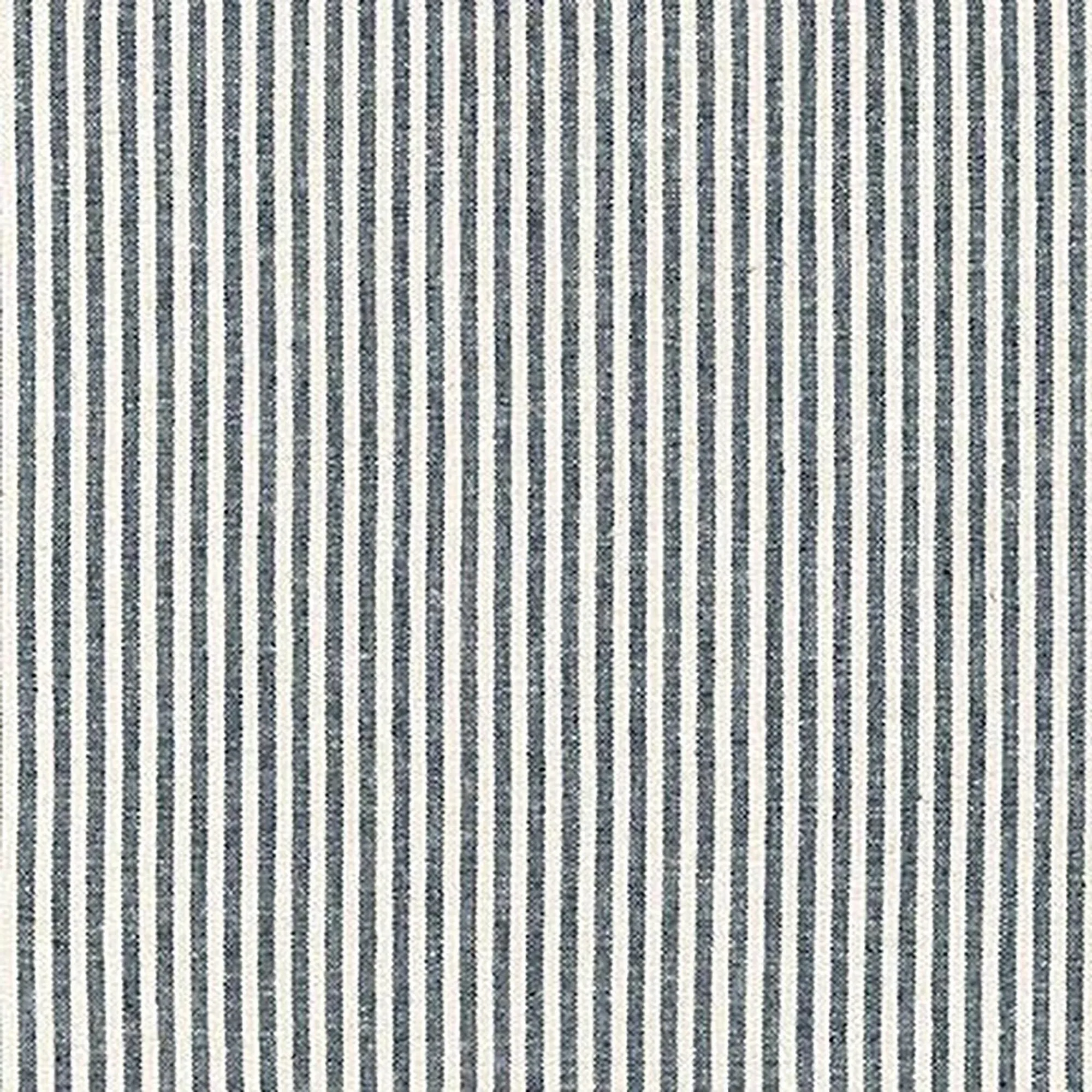
- Indigo Stripe from Essex Yarn Dyed Classic Wovens from Robert Kaufman: 55% linen and 45% cotton, 43 inches wide, 5.6 oz. per square yard The linen content gives this a textured hand and more drape than quilting cotton, so it works well for garments and home decor where a fat quarter gives you room to lay out pattern pieces.
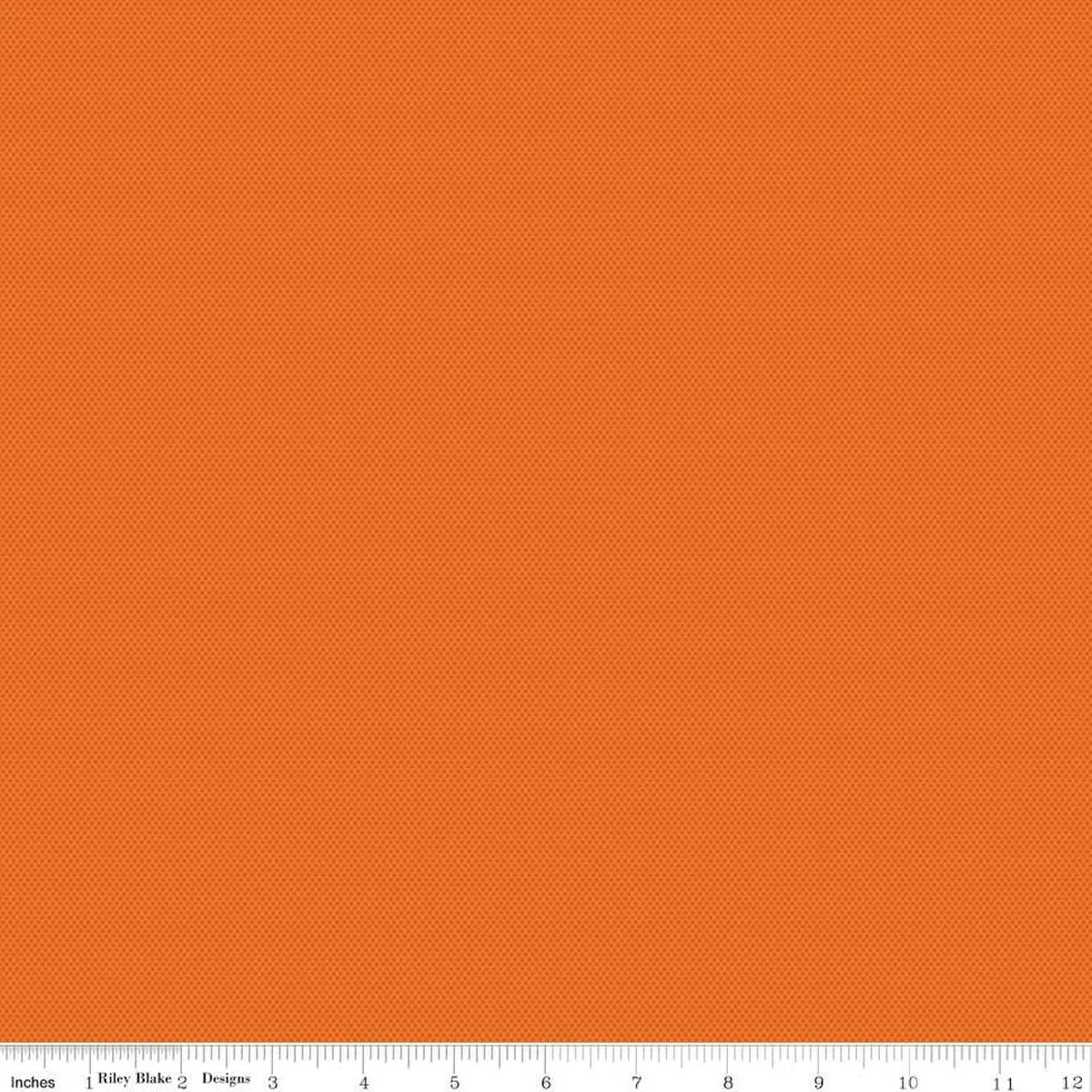
- Autumn from POParazzi by Riley Blake Designs: 100% cotton, 43/44 inches wide, tiny tone-on-tone squares, machine wash cold and tumble dry low A tone-on-tone basic like this reads as a solid from a distance, which makes it a reliable blender in either a fat quarter bundle or a strip roll.
- Scrunchies - Beginner Sewing Pattern & Video Tutorial: Designed to use up fabric scraps, with a 4.5-inch guideline width you can adjust to make the scrunchie puffier This is the practical destination for the offcuts and strip ends that both bundle types produce, so trimming waste turns into a finished project.
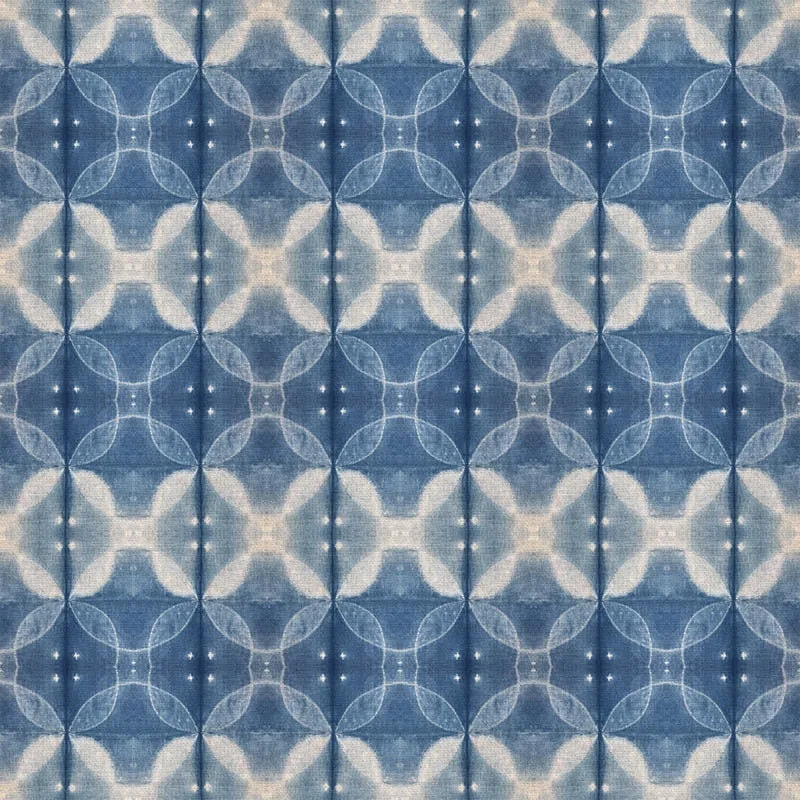
- Shibori 3 Indigo Organic Canvas from Shibori Dye by Kim Eichler-Messmer for Paintbrush Studio Fabric: Medium-weight canvas described as versatile and lightweight enough for apparel and accessories Canvas is a better fit for bags, pillows, and curtains than for fine patchwork, so buy it in the cut shape your project actually needs.
Which bundle fits your project?
Choose fat quarters if you are
- Sewing a pattern that mixes squares, rectangles, and strips from the same fabric
- Making bags, small garments, or home decor where you need to lay out pattern pieces
- Building a stash of one collection in a fabric that is not sold in strip rolls
Choose pre-cut strips instead if you are
- Sewing a strip quilt, binding, or log cabin pattern built on a fixed strip width
- Trying to finish a quilt top quickly and want to skip most rotary cutting
- Working with a pattern that lists its cut list entirely in 2 1/2-inch strips
Pick the bundle that matches the shapes your pattern already lists, not the one with the prettiest packaging. Fat quarters buy you flexibility; pre-cut strips buy you time. When a project could go either way, start with fat quarters, cut your own strips, and keep the leftovers for a scrunchie or two.