When you invest in a plate carrier, durability is often the deciding factor. Ferro Concepts offers two popular options: the FCPC and the Slickster. Both are renowned for their build quality, but they serve different purposes and are constructed with different priorities. In this comparison, we'll dive deep into the materials, stitching, and real-world longevity of each carrier to help you determine which one is more durable for your specific needs.
Whether you're a professional operator, a weekend warrior, or a prepper, understanding the nuances of durability can save you money and frustration in the long run. Let's break down the key differences and see how each carrier holds up under stress.
Materials and Construction: The Foundation of Durability
The FCPC (Ferro Concepts Plate Carrier) is built with a focus on modularity and load-bearing capability. It uses a robust laminate construction that provides rigidity and shape retention, even under heavy loads. The outer shell is made from a high-tenacity nylon that resists abrasion and tearing, while the internal structure is reinforced with a stiff laminate to prevent sagging. This makes the FCPC an excellent choice for those who need a carrier that can handle the weight of multiple magazines, medical kits, and other mission-essential gear.
On the other hand, the Slickster is designed for minimalism and concealability. It uses a lighter-weight nylon that is still durable but prioritizes flexibility and comfort. The Slickster's construction is less rigid, which allows it to conform to the body better, but this means it may not hold up as well under extremely heavy loads over time. However, for its intended use—low-profile operations and everyday carry—the Slickster's durability is more than sufficient.
- FCPC: High-tenacity nylon with rigid laminate for maximum load-bearing durability.
- Slickster: Lighter nylon with flexible construction for concealability and comfort.
Stitching and Seams: Where Durability Meets Craftsmanship
Both carriers feature reinforced stitching at critical stress points, but the FCPC goes a step further with bartack stitching in high-wear areas. This extra reinforcement prevents seam failure even when the carrier is loaded to its maximum capacity. The Slickster also uses quality stitching, but it is not as heavily reinforced, as it is not designed to carry as much weight. For most users, the stitching on both carriers will outlast the nylon itself, but if you plan to run a heavy loadout, the FCPC's added reinforcement is a significant advantage.
Another factor to consider is the quality control at Ferro Concepts. Both carriers are manufactured in the USA with strict attention to detail, ensuring that every stitch is consistent and every seam is aligned. This level of craftsmanship is a hallmark of the brand and contributes to the overall durability of both products.
- FCPC: Bartack stitching at stress points for heavy-load reliability.
- Slickster: Standard reinforced stitching, adequate for lighter loads.
Real-World Longevity: How They Hold Up Over Time
In real-world use, the FCPC has proven to be a workhorse. Users report that it maintains its shape and integrity even after years of heavy use, including frequent range sessions and field exercises. The rigid laminate construction prevents the carrier from becoming floppy or misshapen, which is a common issue with softer carriers. The Slickster, while not as rigid, also holds up well over time, especially when used as intended—as a low-profile carrier. Its flexible nature means it can withstand bending and twisting without damage, making it a great choice for those who need a carrier that can adapt to different situations.
One area where the Slickster may show wear sooner is the shoulder straps, which are thinner and less padded than the FCPC's. However, this is a minor trade-off for the weight savings and concealability. With proper care, both carriers can last for many years, making them solid investments for any tactical enthusiast.
- FCPC: Maintains shape and integrity under heavy, frequent use.
- Slickster: Flexible and resilient; thinner straps may wear faster with heavy loads.
Accessories and Upgrades: Enhancing Durability and Functionality
One way to extend the durability and functionality of your carrier is by adding quality accessories. For the FCPC, the FCPC Aluminum Tri Glide is a popular upgrade that replaces the plastic tri-glide buckles with aluminum ones, offering superior strength and longevity. This simple swap can prevent common failure points and ensure your carrier stays secure even under extreme stress.
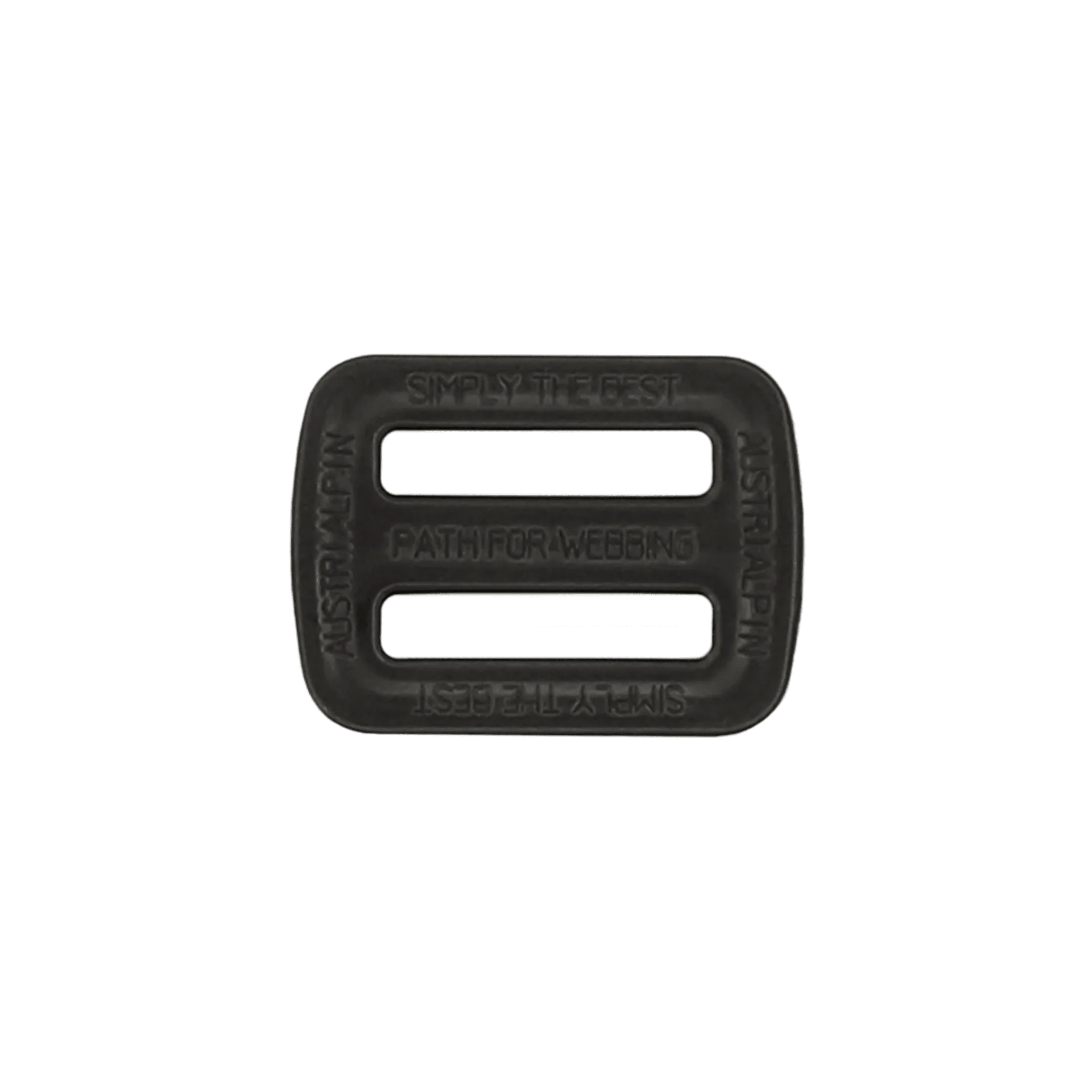
FCPC Aluminum Tri Glide
Similarly, the M-LOK® QD Sling Mount is an excellent addition to either carrier, providing a robust attachment point for slings. Made from hardened steel, it is built to withstand repeated use and heavy loads, making it a durable choice for any setup. These small upgrades can make a significant difference in the overall durability of your plate carrier system.
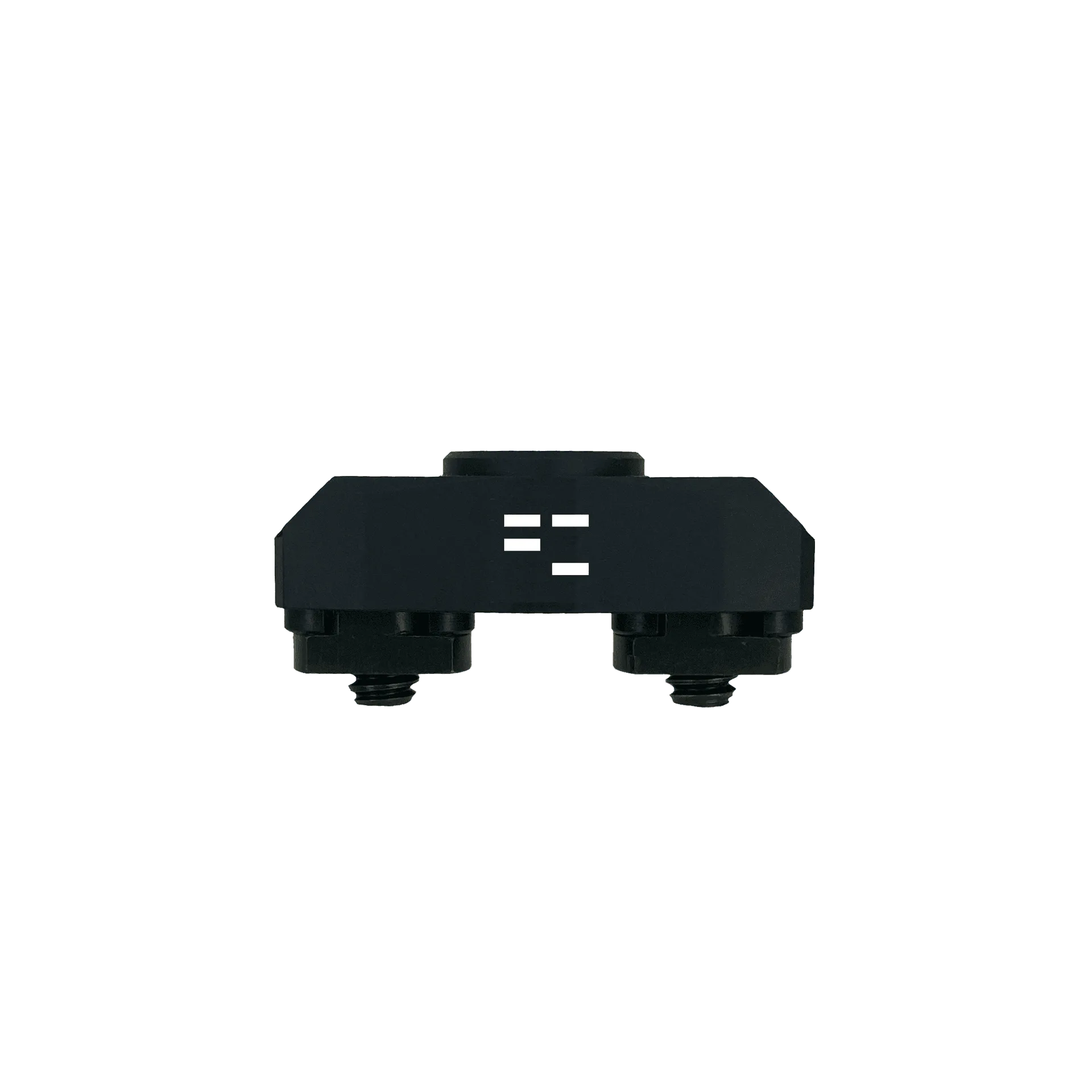
M-LOK® QD Sling Mount
- Consider the FCPC Aluminum Tri Glide for metal hardware durability.
- Add the M-LOK® QD Sling Mount for a robust sling attachment point.
Choosing the Right Carrier for Your Mission
Ultimately, the choice between the FCPC and Slickster comes down to your specific needs. If you require a carrier that can handle heavy loads and rigorous use, the FCPC is the more durable option. Its rigid construction and reinforced stitching make it a reliable choice for professionals and serious enthusiasts. On the other hand, if you prioritize concealability and comfort over maximum load-bearing, the Slickster offers excellent durability for its intended purpose.
Consider your typical loadout, the environments you operate in, and how often you train. Both carriers are built to last, but the FCPC is designed for the toughest conditions, while the Slickster excels in roles where low profile is key. Whichever you choose, you can trust in Ferro Concepts' commitment to quality.
- FCPC: Best for heavy loads and demanding environments.
- Slickster: Best for low-profile and concealed carry.
In the debate between FCPC and Slickster durability, the FCPC comes out on top for heavy-duty use, while the Slickster offers reliable performance in a lightweight package. Both are excellent investments, but your choice should align with your mission requirements. If you're leaning toward the FCPC, consider upgrading it with the FCPC Aluminum Tri Glide to maximize its longevity and performance.