When you're in the market for a plate carrier, the choice often narrows down to two standout options from Ferro Concepts: the FCPC and the Slickster. Both have earned loyal followings among professionals and enthusiasts, but they serve different roles. Understanding these differences is crucial for selecting the right carrier for your specific needs, whether that's a demanding duty assignment or a weekend at the range.
In this comparison, we'll break down the key aspects of each carrier—design, load capacity, modularity, comfort, and intended use. By the end, you'll have a clear picture of which one aligns with your mission profile. Let's dive in.
Design and Construction: Built for Different Missions
The Ferro Concepts FCPC is a fully-featured plate carrier designed for heavy loads and extended operations. It features a robust laser-cut laminate construction that provides excellent structural rigidity, ensuring your gear stays stable even when fully loaded. The FCPC is built to handle the demands of duty, with a focus on durability and load-bearing capability.
In contrast, the Slickster is engineered for minimalism and concealment. Its sleek, low-profile design makes it ideal for under-garment wear or situations where you need to keep a low visual signature. The Slickster uses a lightweight construction that prioritizes comfort and mobility over heavy load capacity. It's the go-to choice for those who prefer a streamlined setup without unnecessary bulk.
- FCPC: Laser-cut laminate for rigidity, built to carry heavy loads.
- Slickster: Minimalist and low-profile, designed for concealment and agility.
Load Capacity and Modularity: How Much Can You Carry?
One of the most significant differences between the FCPC and Slickster is their load-bearing capacity. The FCPC excels in this area, offering a full suite of MOLLE webbing and compatibility with the ADAPT System. This allows you to attach a wide range of pouches, panels, and accessories, making it a true workhorse for duty. Whether you need to carry extra magazines, a radio, or medical supplies, the FCPC can accommodate it all.
The Slickster, on the other hand, is intentionally limited in its modularity. It features a streamlined front flap that can be swapped out for different configurations, but it lacks the extensive MOLLE real estate of the FCPC. This is a deliberate design choice to keep the carrier flat and concealable. For range use or light-duty tasks, the Slickster's simplicity is a plus, but if you need to carry a lot of gear, the FCPC is the clear winner.
- FCPC: Full MOLLE webbing, ADAPT System compatibility, high load capacity.
- Slickster: Minimal MOLLE, swappable front flap, designed for light loads.
Comfort and Fit: All-Day Wearability
Comfort is a critical factor, especially if you'll be wearing your carrier for extended periods. The FCPC features a padded shoulder design and a structured cummerbund that distributes weight effectively, making it suitable for long missions. The carrier is also available in multiple sizes, ensuring a proper fit for different body types.
The Slickster, while less padded, offers exceptional comfort due to its lightweight and breathable construction. It sits close to the body and doesn't restrict movement, making it ideal for dynamic range sessions or concealed carry. The Slickster also features a quick-release system that allows for rapid doffing, a valuable feature in tactical situations. However, its lighter padding means it may not be as comfortable under heavy loads as the FCPC.
- FCPC: Padded shoulders, structured cummerbund, ideal for heavy loads.
- Slickster: Lightweight, breathable, quick-release, great for mobility.
Intended Use Cases: Duty vs. Range
The FCPC is the obvious choice for duty professionals—law enforcement, military, or security personnel who need a carrier that can withstand rigorous use and carry essential mission gear. Its modularity allows you to customize it for specific roles, from breaching to long-range patrol. If you're looking for a carrier that can grow with your needs, the FCPC is a solid investment.
On the other hand, the Slickster shines in roles that prioritize concealment and speed. It's perfect for plainclothes operations, personal protection, or as a lightweight range carrier. The Slickster is also a popular choice for those who want a minimalist setup that doesn't sacrifice quality. For range days where you're mostly shooting and moving, the Slickster's agility is a major advantage.
- FCPC: Best for duty, heavy loads, and extensive customization.
- Slickster: Best for concealment, light loads, and high mobility.
Accessories and Integration: Building Your Setup
Both carriers benefit from Ferro Concepts' ecosystem of accessories. For the FCPC, you can add the Turnover - Triple 556 for quick access to rifle magazines, or the RADio Pocket to keep communication gear organized. These accessories integrate seamlessly with the ADAPT System, enhancing the carrier's functionality.
The Slickster, despite its minimalist design, can still be customized. The Bora Belt Inner Belt pairs well with the Slickster for a secure and comfortable belt setup, and the Cable Management Kit helps keep your routing neat and tidy. Even with a low-profile carrier, you can build an effective loadout without adding bulk.
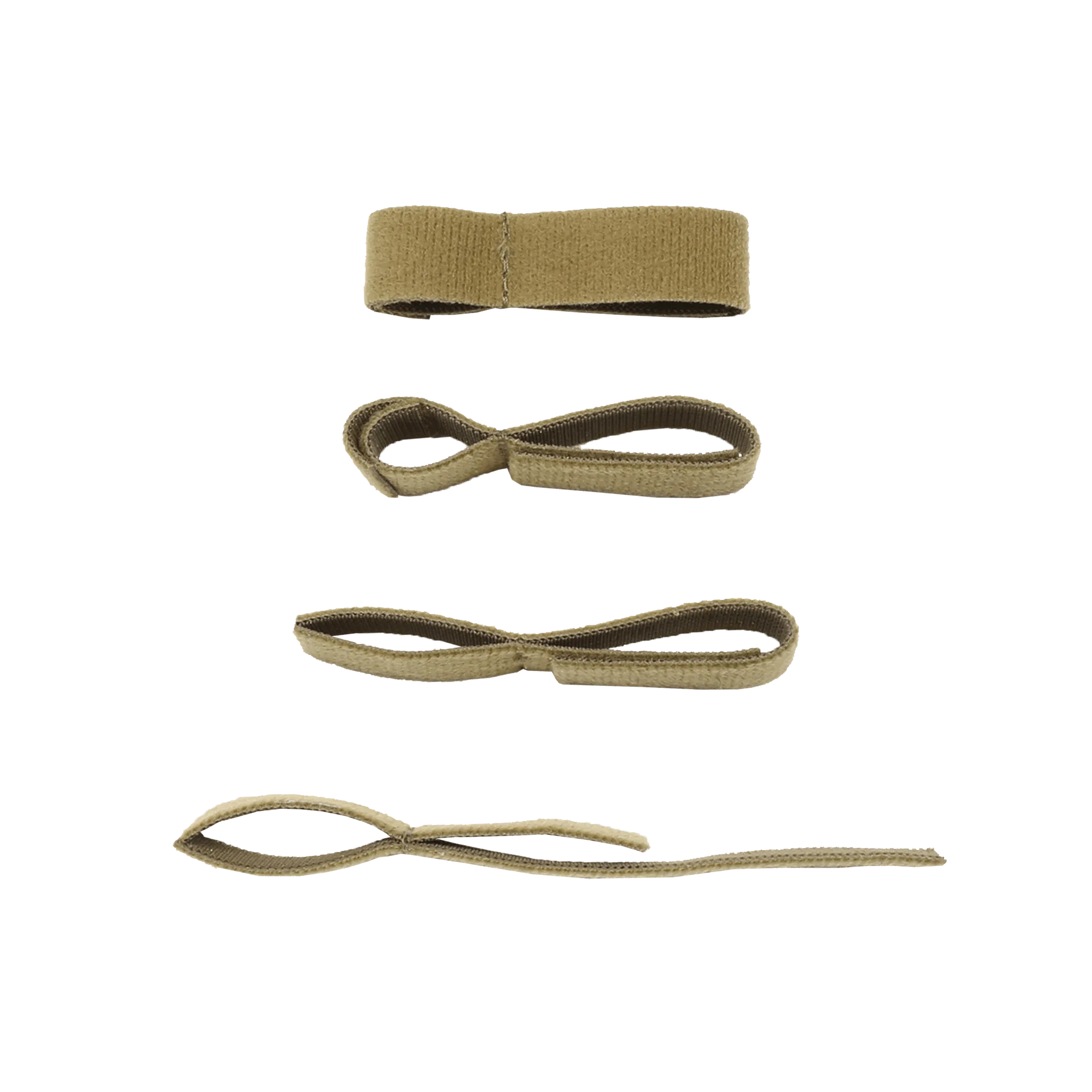
Cable Management Kit
- FCPC: Turnover - Triple 556, RADio Pocket, ADAPT System integration.
- Slickster: Bora Belt Inner Belt, Cable Management Kit for streamlined setups.
Choosing between the Ferro Concepts FCPC and Slickster ultimately comes down to your mission requirements. If you need a robust, modular plate carrier that can handle heavy loads and extensive customization, the FCPC is your best bet. If you prioritize concealment, mobility, and a minimalist approach, the Slickster is the way to go. Both are exceptional carriers, but they excel in different arenas. Assess your needs, and you'll make the right call.