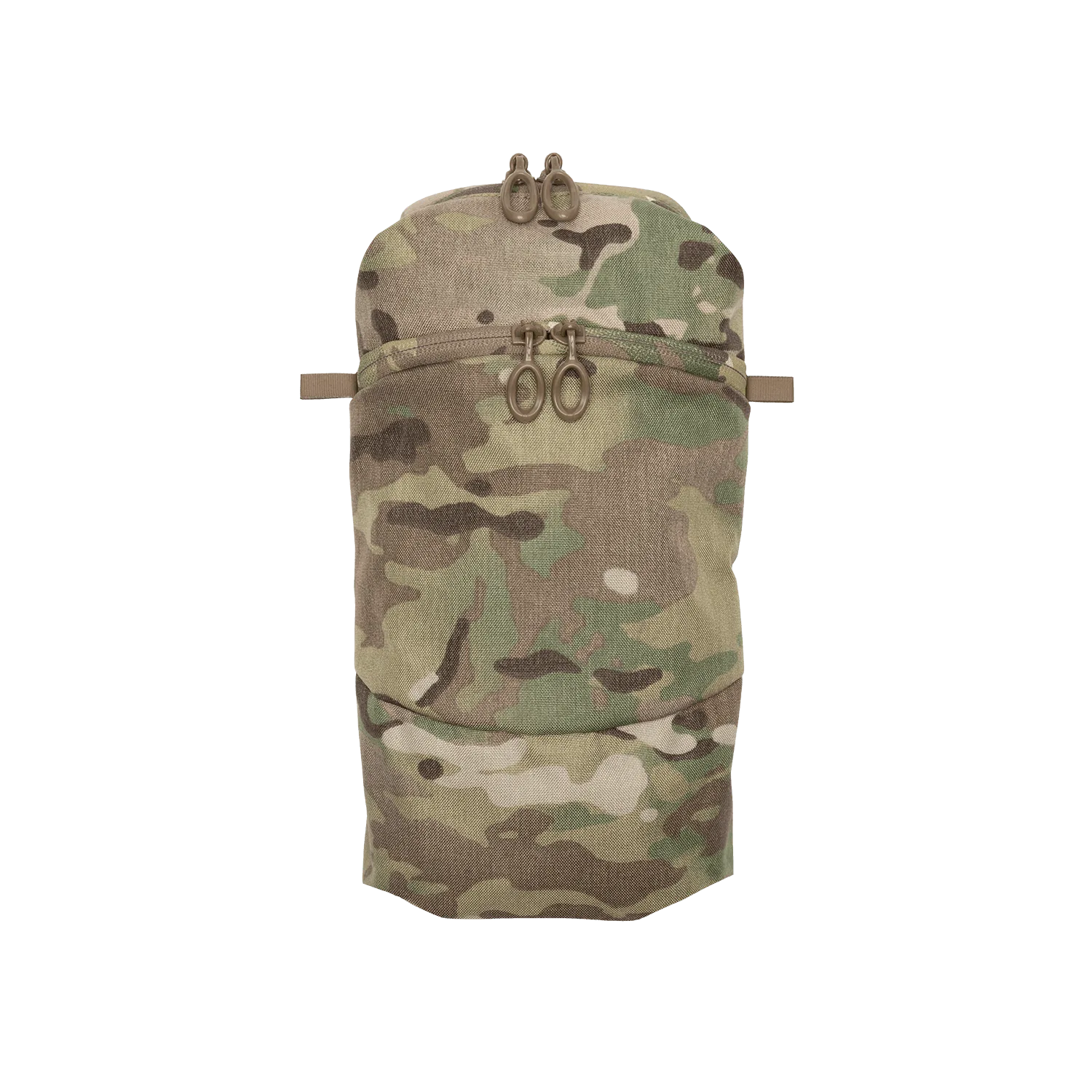
When choosing a plate carrier, modularity is often the deciding factor. The Ferro Concepts Slickster and FCPC are two of the most popular options, each with a distinct approach to customization. In this comparison, we'll break down their modularity, attachment systems, and overall flexibility to help you decide which one fits your mission.
Both carriers are designed for different roles: the Slickster is minimalist and low-profile, while the FCPC is built for heavy loads and extensive customization. Understanding their differences in modularity is key to making the right choice.
Attachment Systems: ADAPT vs Traditional MOLLE
The FCPC utilizes the ADAPT System, a modular platform that allows for quick and secure attachment of various pouches and accessories. This system uses a combination of Velcro and buckles, enabling users to swap out components like the DOPE Front Flap or TurnoverTM - Triple 762 without removing the carrier. This is a significant advantage for users who need to reconfigure their loadout on the fly.
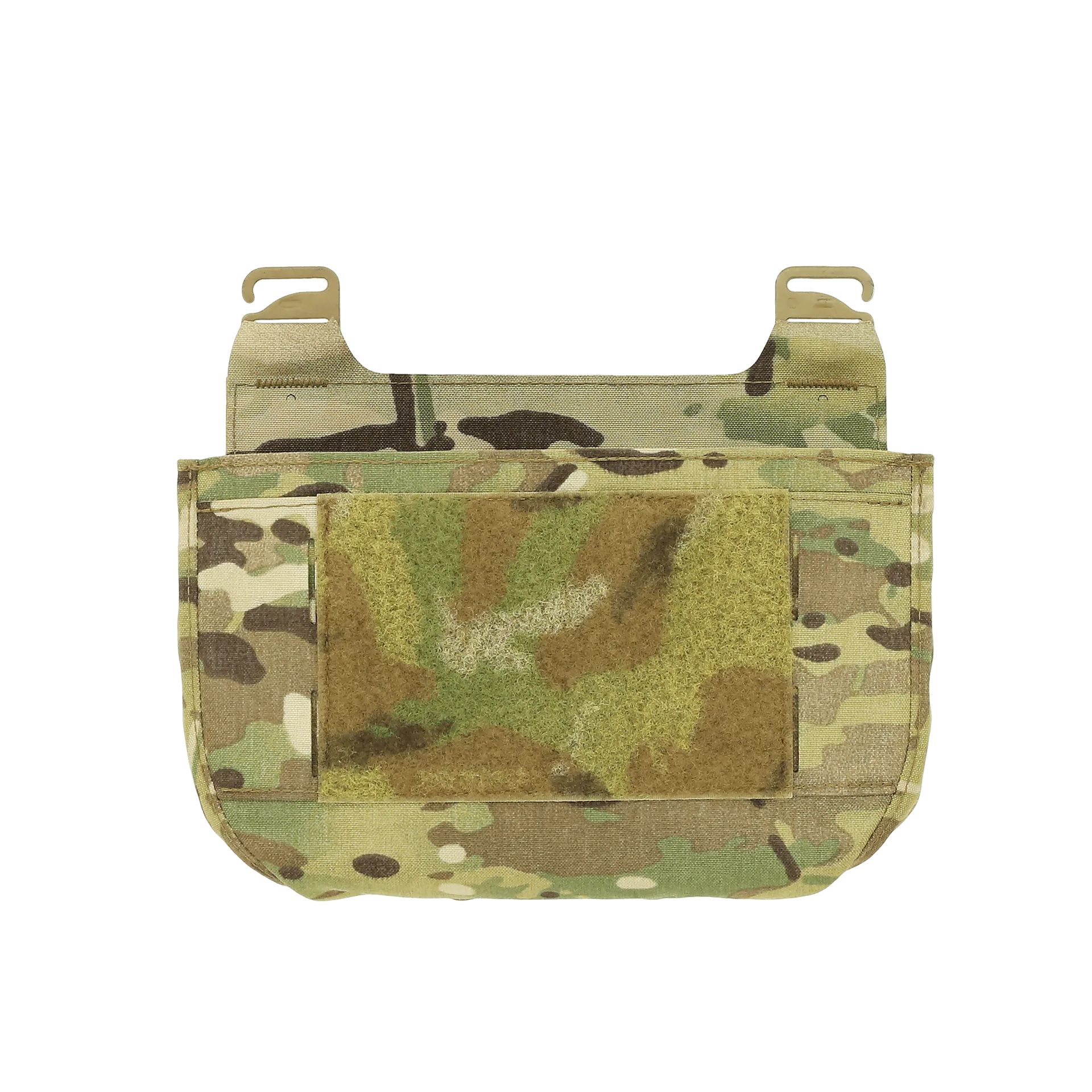
DOPE Front Flap
In contrast, the Slickster relies on traditional MOLLE webbing, which is tried and true but requires more time to attach and detach accessories. While MOLLE offers universal compatibility, the Slickster's minimalist design limits the amount of webbing available, which can be a constraint for those needing to carry a lot of gear.
- ADAPT System on FCPC allows for rapid changes, ideal for dynamic missions.
- Slickster's MOLLE is more universal but less convenient for frequent reconfiguration.
Customization Options: Front, Back, and Side
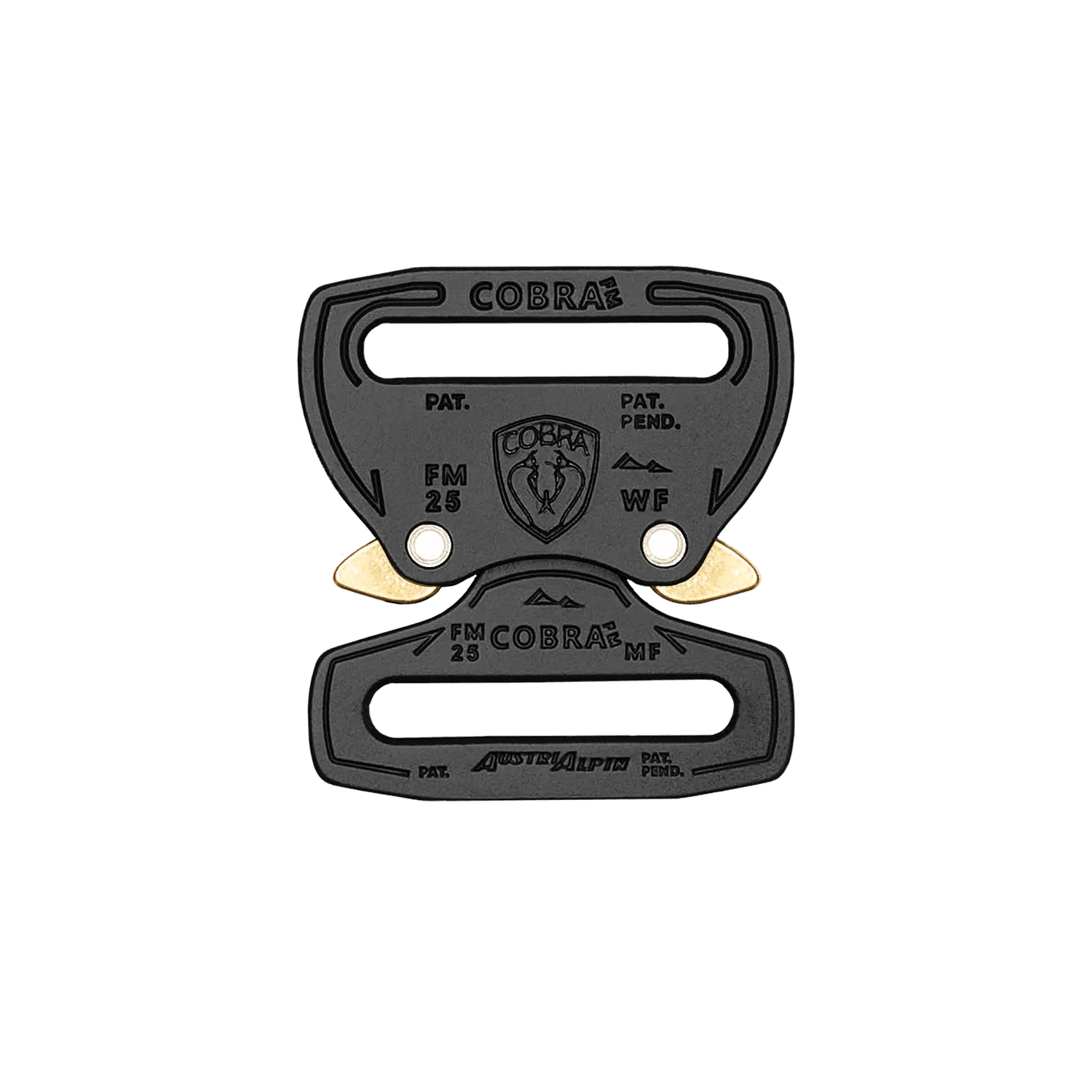
The FCPC offers extensive customization options, including the ability to attach a chest rig, back panels, and side armor. The ADAPT System makes it easy to integrate accessories like the PTT RetainerTM or the 3AC Cobra Buckle Kit, enhancing both functionality and comfort. The FCPC's modularity extends to its cummerbund, which can be swapped for different styles to suit individual preferences.
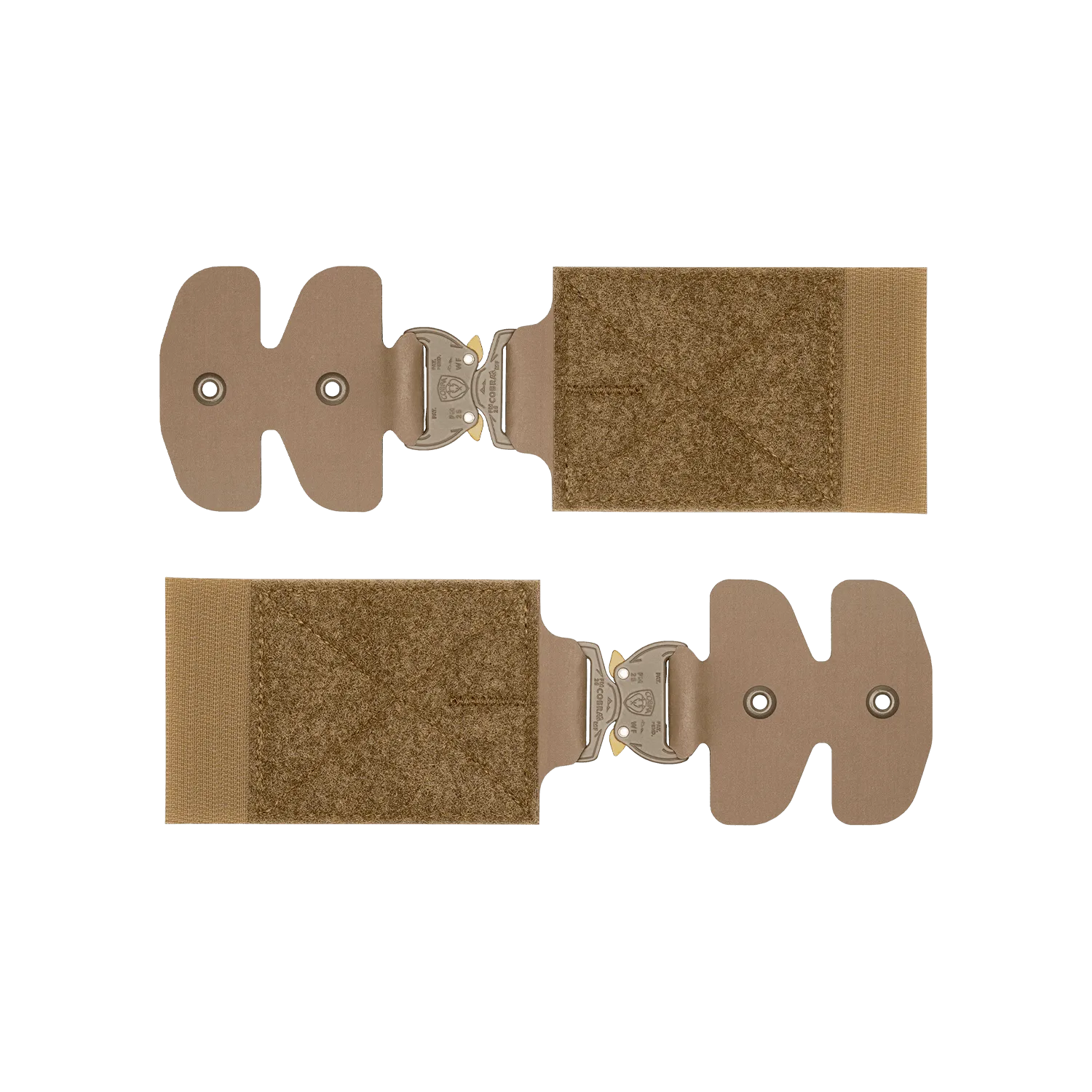
3AC Cobra Buckle Kit
The Slickster, on the other hand, is designed to be sleek and low-profile. It has limited MOLLE on the front and back, but it can still accommodate essential pouches and accessories. For users who prioritize a lightweight, minimalist setup, the Slickster's customization is sufficient. However, for those who need to carry a lot of gear, the FCPC is the clear winner in terms of modularity.
- FCPC supports multiple front flaps, including the DOPE Front Flap, for different mission profiles.
- Slickster's low-profile design is ideal for concealed carry or minimal loadouts.
Weight and Bulk: How Modularity Affects Performance
Modularity often comes at the cost of weight and bulk. The FCPC, with its ADAPT System and additional attachment points, is heavier and more substantial than the Slickster. This is a trade-off: the FCPC offers more versatility, but it may not be suitable for operations where speed and agility are paramount.
The Slickster is remarkably lightweight and low-profile, making it a favorite for those who want to minimize their footprint. Its modularity is limited by design, but it can still be customized with essential items like the General Purpose Pocket - 12x5 or the PIG (FDT) Alpha Gloves. For users who value simplicity and speed, the Slickster's approach is ideal.
- Consider your mission: heavy loadouts favor the FCPC, while light and fast favors the Slickster.
Accessories and Ecosystem: Which Has More Options?
Ferro Concepts has built a robust ecosystem of accessories for both carriers. The FCPC benefits from the ADAPT System, which is compatible with a wide range of products, including the Armor Plate Set - Ceramic Composite Level III Special Threat - Large and the FCPC Mini Cobra Buckle. This ecosystem allows for deep customization, from front flaps to back panels.
The Slickster also has a variety of accessories, but its MOLLE-only attachment limits compatibility with ADAPT-specific items. However, it can still use universal MOLLE pouches, such as the TurnoverTM - Triple 762 or the DOPE Front Flap, with the right adapters. While the Slickster has fewer proprietary options, it remains a versatile platform for those who stick to standard MOLLE gear.
- FCPC's ADAPT System provides a more integrated and secure attachment method.
- Slickster's MOLLE compatibility is broader, but less streamlined.
Which One Should You Choose?
Ultimately, the choice between the Slickster and FCPC comes down to your specific needs. If you prioritize maximum modularity, frequent gear changes, and the ability to carry a heavy load, the FCPC is the superior option. Its ADAPT System and extensive accessory ecosystem make it a versatile platform for a wide range of missions.
If you value a lightweight, low-profile carrier that can still be customized with essential gear, the Slickster is an excellent choice. It's perfect for those who want a minimalist setup without sacrificing performance. Both carriers are top-tier, but they serve different purposes.
- Assess your mission requirements: heavy and modular vs light and fast.
In the battle of modularity, the FCPC takes the crown for its ADAPT System and vast customization options, while the Slickster excels in simplicity and weight savings. Consider your operational needs and choose accordingly. If you're leaning towards the FCPC's modularity, explore the Armor Plate Set - Ceramic Composite Level III Special Threat - Medium to complete your setup.