When it comes to creating strong, precise wood joints, woodworkers have long relied on traditional doweling. But in recent years, the Festool Domino joiner has revolutionized joinery with its floating tenon system. If you're debating between these two methods, you're not alone. Both can produce excellent results, but they differ significantly in speed, cost, and technique.
In this comparison, we'll break down the key differences between the Festool Domino and traditional doweling, helping you decide which joinery method deserves a place in your workshop. We'll also touch on some essential tools and accessories that can enhance your joinery work, whether you choose dominoes or dowels.
What Is the Festool Domino Joiner?
The Festool Domino joiner is a power tool that cuts a precisely shaped oval mortise in both pieces of wood, allowing you to insert a beechwood domino (a floating tenon) to create a strong, aligned joint. It's often compared to a biscuit joiner but offers greater strength and accuracy, making it a favorite among furniture makers and cabinet builders.
The Domino system is known for its speed and ease of use. You can set the depth and width of the mortise quickly, and the tool's indexing pins ensure perfect alignment every time. This makes it ideal for production work and for joinery that requires a high degree of precision, such as frame-and-panel doors or table aprons.
- Fast and precise mortising with minimal setup
- High-strength floating tenon joints
- Ideal for production and repeatable joinery
Traditional Doweling: The Time-Tested Method
Traditional doweling involves drilling matching holes in two workpieces and joining them with cylindrical wooden dowels. It's a classic technique that has been used for centuries, and it remains popular because it requires relatively simple tools—a drill, a doweling jig, and dowels.
Doweling can be very strong if done correctly, especially when you use multiple dowels and proper glue. However, it can be more time-consuming to set up, and alignment can be tricky without a good jig. Many woodworkers find that doweling requires more care and patience to achieve perfectly aligned joints, especially on larger panels.
- Requires minimal specialized equipment
- Strong joints when executed carefully
- More time-consuming setup and alignment
Key Differences: Speed, Strength, and Cost
When comparing speed, the Festool Domino is the clear winner. Cutting a mortise takes seconds, and the built-in fence and indexing system make alignment almost foolproof. In contrast, doweling requires marking, drilling, and often dry-fitting to ensure accuracy, which can take several minutes per joint.
In terms of strength, both methods can produce joints that are as strong as or stronger than the surrounding wood. However, the Domino's larger, oval tenon provides more glue surface and mechanical strength than a round dowel of similar size. That said, a well-executed dowel joint with multiple dowels can be equally strong for most applications.
Cost is a major factor. A Festool Domino joiner is a significant investment, often costing several hundred dollars, plus the cost of dominoes. Traditional doweling requires only a drill and a doweling jig, which can be purchased for a fraction of the price. If you're a hobbyist or on a tight budget, doweling might be more practical.
- Speed: Domino is much faster for repeat joints
- Strength: Both can be strong, but Domino offers more glue surface
- Cost: Doweling is budget-friendly; Domino is a premium tool
Ease of Use and Learning Curve
The Festool Domino is designed to be user-friendly, even for beginners. With a few simple adjustments, you can cut accurate mortises in minutes. The tool's ergonomic design and dust collection make it a pleasure to use in a workshop setting.
Traditional doweling has a steeper learning curve. Achieving perfectly aligned holes requires practice and a reliable jig. Without a jig, it's easy to end up with misaligned joints that weaken the overall structure. However, once you master the technique, doweling can be just as rewarding and versatile.
If you're new to woodworking, you might find the Domino more forgiving and less frustrating. But if you enjoy the craft and want to develop your skills, learning traditional doweling can give you a deeper understanding of joinery.
- Domino: minimal learning curve, quick results
- Doweling: practice needed for perfect alignment
- Consider your skill level and project needs
Project Suitability: When to Use Each Method
The Festool Domino excels in projects where speed and precision are paramount, such as building cabinets, tables, and chairs. It's also great for production work where you need to create many identical joints. The ability to adjust the mortise depth and width makes it versatile for various wood thicknesses.
Traditional doweling is still a great choice for smaller projects, repairs, or when you want a more traditional approach. It's also useful when you need to join thin stock where a Domino might be too large. For example, doweling is often preferred for picture frames or small boxes.
Both methods can be used for edge-to-edge gluing, but the Domino's floating tenons provide better alignment and strength for panels. Ultimately, the choice depends on your specific project requirements and your comfort with the tools.
- Domino: ideal for large projects and production
- Doweling: great for small, delicate work
- Consider the size and complexity of your project
Tools and Accessories to Enhance Your Joinery
Regardless of which method you choose, having the right tools and accessories can make a big difference. For doweling, a high-quality doweling jig is essential for accurate hole placement. For the Domino, you'll need a supply of dominoes in various sizes.
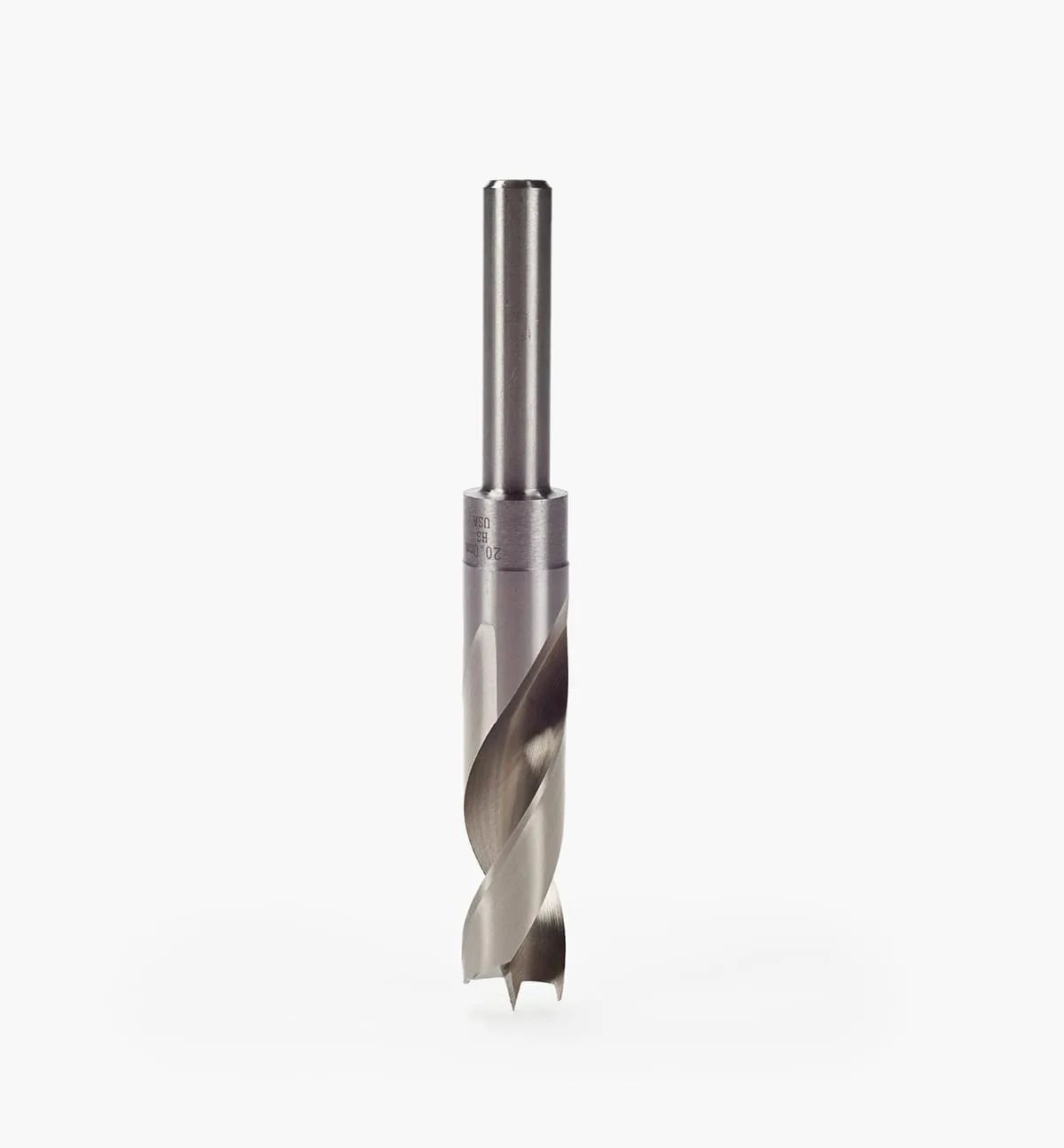
At Lee Valley Tools, we offer a variety of products that can complement your joinery work. For example, our 9" Single-Flute Auger Bits are perfect for drilling clean, precise holes when you're working with dowels. These bits are designed to cut smoothly and reduce tear-out, ensuring a tight fit.
If you're using the Domino, you might also appreciate our Allbäck Black Linseed Oil Wax to protect and finish your projects. This wax provides a beautiful, durable finish that enhances the natural beauty of the wood. It's a great addition to any woodworker's finishing supplies.

Allbäck Black Linseed Oil Wax
- Invest in a reliable doweling jig for accuracy
- Keep a variety of dominoes on hand for different joint sizes
- Use quality drill bits and finishing products for best results
In the end, the choice between a Festool Domino joiner and traditional doweling comes down to your budget, project needs, and personal preferences. If you value speed and precision and are willing to invest in a premium tool, the Domino is a game-changer. If you prefer a more traditional, budget-friendly approach, doweling can still deliver strong, beautiful joints. Whichever you choose, both methods have their place in the woodworking world, and mastering either will elevate your craft.