Quick Answer
A Figure Stix 600G that loses grip is almost always dealing with a contaminated contact surface, a loose or worn attachment point, or a miniature that is simply too heavy for the joint. Clean the contact area, reseat the attachment, and dry-fit the miniature before you commit. If the joint still slips after that, the tool has reached its practical limit and you need a different holding method.
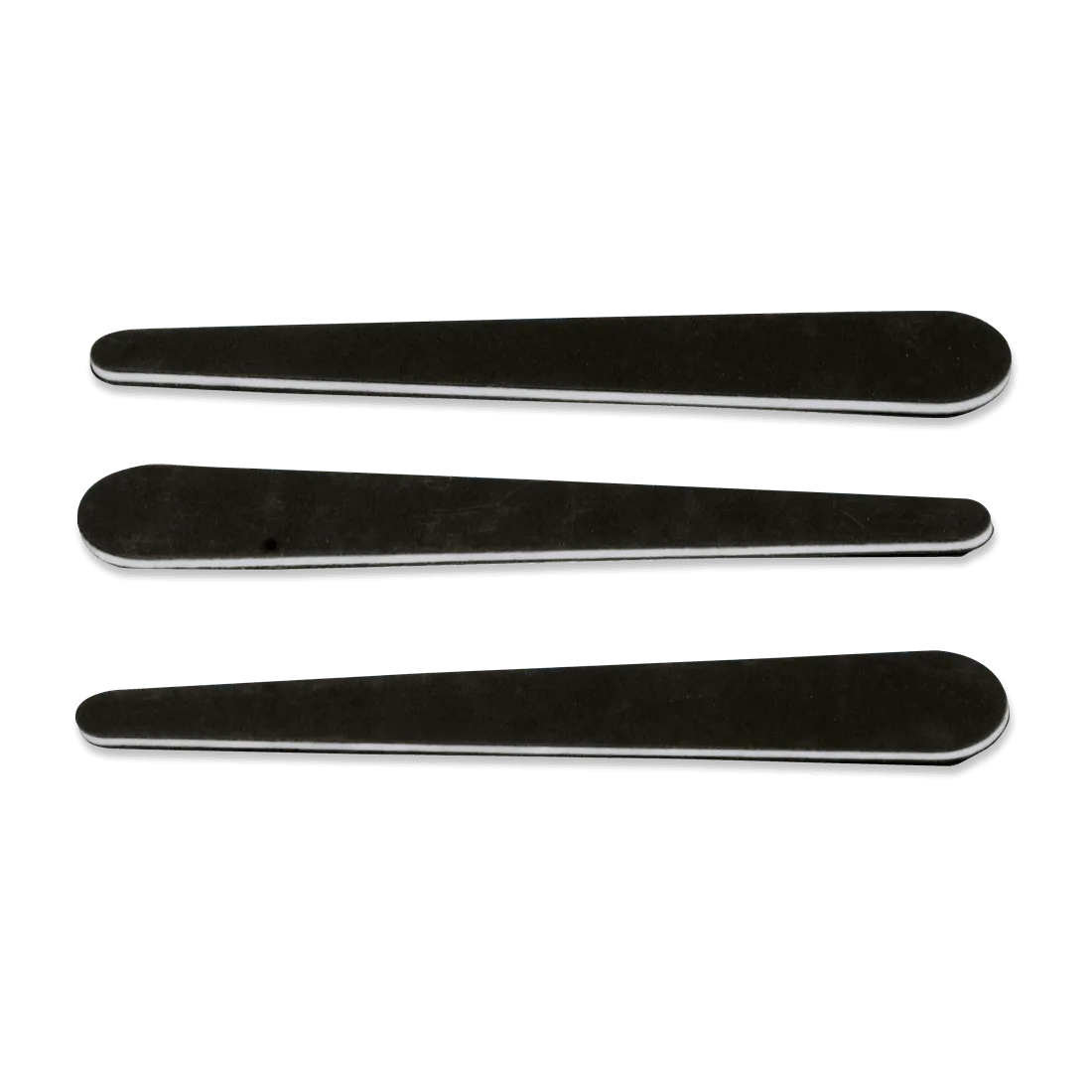
Figure Stix 600G
You sit down to paint, press the miniature onto the handle, and it drops. Or worse, it rotates mid-stroke and smears a fresh highlight. A Figure Stix 600G losing grip is frustrating because the tool itself looks fine. There is usually no crack, no obvious break, and no warning.
The good news is that most grip failures are not permanent. They come from a small number of causes, and you can identify the right one by paying attention to when the slip happens and what the contact point looks like. Work through the symptoms below in order before you decide the handle is finished.
Symptom: The Miniature Rotates or Slides During Painting
If the model spins on the mount while you paint, the problem is at the contact interface, not the handle body. Paint, mold release, or skin oil on the base or on the mounting surface reduces friction enough that normal brush pressure moves the model. This is the most common form of Figure Stix 600G problems, and it is also the easiest to correct.
skin
Start by removing the miniature and inspecting both surfaces. Wipe the mounting point with a lint-free cloth and a little isopropyl alcohol, then let it dry completely. Avoid touching the cleaned surfaces with bare fingers, because the oils that make your skin feel normal will undo the cleaning in seconds.
- Clean both the miniature base and the handle contact point, not just one side.
- Let alcohol flash off fully before remounting; trapped solvent weakens the hold.
- Handle cleaned parts with a cloth or nitrile glove to avoid re-contaminating them.
Symptom: The Grip Holds at First, Then Fails Mid-Session
A hold that works for ten minutes and then lets go usually points to heat or moisture buildup. Your hand warms the handle as you work, and if the contact area is a pressure or friction fit, that warmth can soften or expand materials just enough to loosen things. Humidity in the room does the same thing over a longer session.
Take a short break, let the handle return to room temperature, and re-seat the miniature. If the pattern repeats every session, the joint is at the edge of its tolerance and you should look at how much model weight it is carrying rather than cleaning it again.
- Note the time-to-failure; a consistent interval suggests a thermal or moisture cause.
- Work in a stable, moderate room rather than next to a heater or open window.
- Re-seat the model rather than pressing harder, which can deform the contact point.
Symptom: The Mount Point Feels Loose or Wobbles
Wobble without rotation means the attachment itself has play. Check whether the mounting element is fully seated, correctly oriented, and free of dried paint or debris that prevents it from bottoming out. A small ridge of cured paint in a slot or recess is enough to hold the part slightly proud and create movement.
Disassemble what you can, pick out any dried material with a wooden toothpick, and reassemble firmly. Do not force parts past their natural stop. If a component is visibly cracked, bent, or rounded off, replacement is the honest answer, because no amount of cleaning will restore a deformed fit.
- Inspect recesses and slots for dried paint, putty, or grit before reassembly.
- Use a wooden toothpick rather than metal tools to avoid scratching the fit surfaces.
- Retire any part that is cracked or visibly deformed instead of tightening it harder.
Symptom: Only Heavy or Large Miniatures Slip
If small figures hold fine and large ones drop, you have found a weight limit rather than a fault. A metal miniature, a model on a thick scenic base, or a figure with a wide cape catches more leverage, and every brush stroke applies torque through that mass. No cleaning routine changes physics.
For heavier models, reduce the load on the joint. Support the model with your free hand while you work, paint in stages so less of the model hangs off the mount at once, or switch to a holding method that clamps or cradles the base instead of relying on a single contact point.
- Test the limit deliberately: mount the heaviest model you own and see if it holds at rest.
- Brace the model with your off hand during detail work on large figures.
- Move to a base-clamping holder for metal or heavily based miniatures.
Maintenance That Prevents Repeat Grip Failures
Most recurring Figure Stix 600G problems come down to Figure Stix maintenance habits. Clean the contact surfaces at the end of a session, before paint has a chance to cure into the fit. A two-minute routine after each painting block is far less work than disassembling a jammed joint later.
Store the handle so the mount point is not under load and not resting against anything that can deform it. Keep it out of direct sun and away from heat sources. When you do clean, use the mildest method that works: dry wipe first, then a damp cloth, then alcohol only if residue remains.
- Wipe contact surfaces at the end of every session, not at the start of the next one.
- Store unloaded, with nothing pressing on the mount point.
- Escalate cleaning strength only when a dry wipe fails.
Grip Failure Diagnosis Chart
- Rotation or sliding under normal brush pressure: Contamination on the contact surfaces, usually paint, mold release, or skin oil. Clean both the base and the mount with a dry wipe, then a damp cloth, then isopropyl alcohol if residue persists. Dry fully before remounting. If the model holds for a full session after cleaning, the cause was contamination and no further action is needed.
- Hold fails after a consistent delay each session: Heat or moisture from your hand and the room is changing the fit. Let the handle return to room temperature, re-seat the model, and move away from heaters, windows, or humid areas. If failure timing stays consistent regardless of cleaning, treat it as a tolerance limit and plan shorter mounted sessions.
- Wobble or play at the mount point: The attachment is not fully seated or is blocked by dried paint and debris. Disassemble, clear recesses with a wooden toothpick, and reassemble firmly without forcing past the natural stop. Stop and replace the part if it is cracked, bent, or rounded off; cleaning cannot restore a deformed fit.
- Only heavy, metal, or wide-based miniatures slip: This is a weight and leverage limit, not a defect. Support the model with your free hand, paint in stages, or move to a base-clamping holder for heavy figures. Choose another option once light figures hold reliably and heavy ones do not; further cleaning will not change the outcome.
Products Worth Knowing for Grip and Surface Work
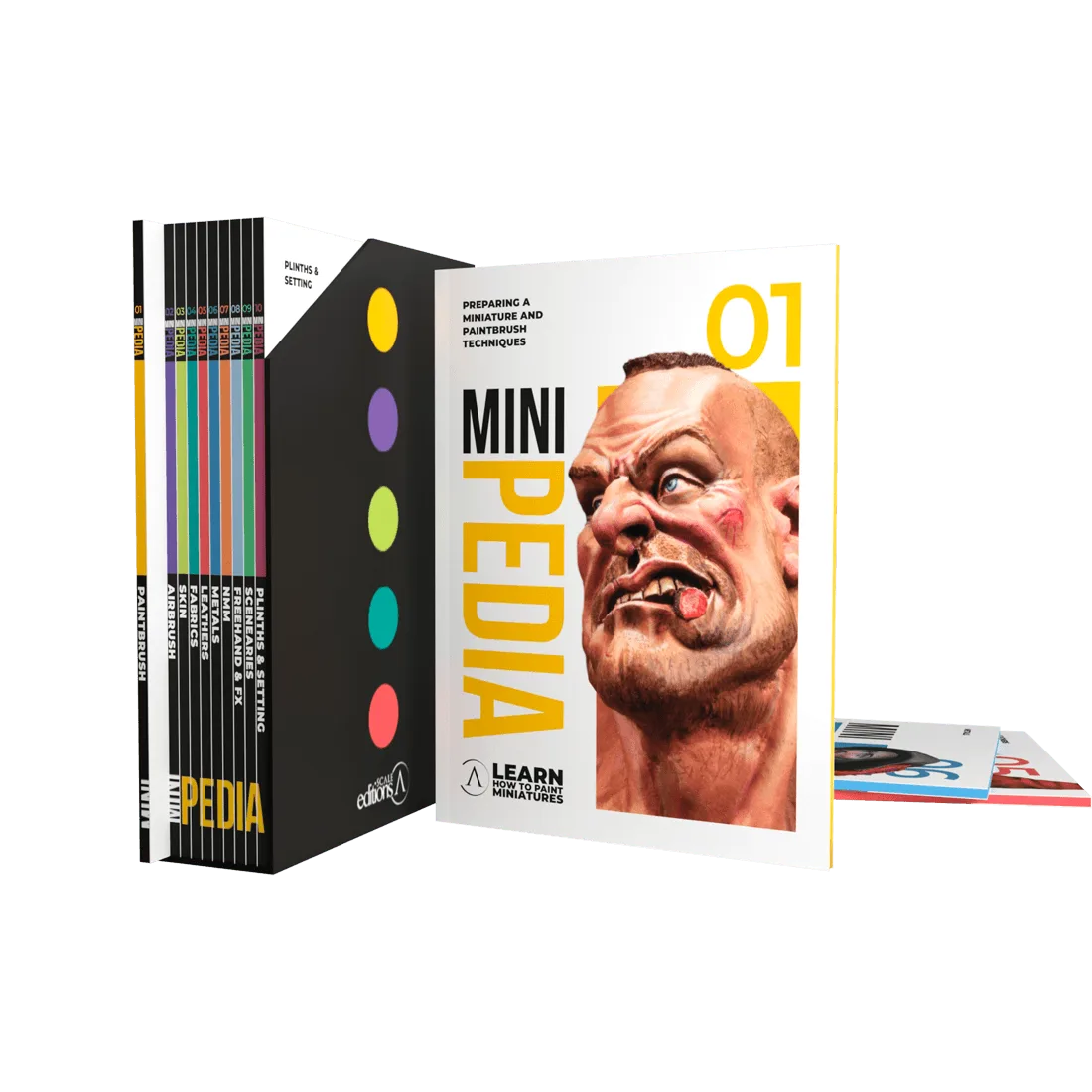
- minipedia-for-gamers-english-edition-cbf2a9dad2188c44b9271251-1816489">MINIPEDIA FOR GAMERS 08 - SCENERY & TERRAINS: This volume covers creating and painting scenery elements, including decorating bases, preparing boards, and building forests, buildings, or ruins. It is available in a LANGUAGE option. If your grip problems trace back to heavy or textured bases, this is a practical reference for building lighter, better-balanced bases that put less torque on a handle.
- US MEDIUM BROWN: Warfront acrylic paints are creamy and their opacity allows glazes to be created with ease, with tones suitable for modeling and military figures. Valid for brush and airbrush, matte finish, 17ml. Creamy, opaque paint is easier to control on a model that is mounted and stable, so it is a sensible choice for base layers on figures you are still learning to hold securely.
- BRAINEATER AZURE: Designed for painting all types of miniatures, especially wargame miniatures, with a formulation that resists handling of figures used on the game board. Valid for brush and airbrush, satin finish, 17ml. Handling-resistant paint matters if your grip issues have already caused you to touch the model repeatedly; it tolerates that contact better than a fragile finish.
- PERMANENT ORANGE: A premium creamy acrylic paint and high coverage ink range, recommended for novice or professional painters, valid for brush and airbrush, 20ml. High coverage means fewer passes over the same area, which reduces the number of times you press a slipping model back into place mid-layer.
Work through the diagnosis in order: clean the contact surfaces, check the mount for debris and play, then test the weight limit honestly. Most Figure Stix 600G grip failures resolve at the first or second step. When they do not, the tool is telling you the model is too heavy for that joint, and a base-clamping holder is the right move rather than another round of cleaning.