Quick answer
Fiji Blue is a strong pick when you want a vivid blue that reads clearly on fantasy models and can be pushed toward a muted, historical look with glazes and weathering. Choose it if you paint both genres and want one blue that covers quickly. Skip it if you only need a flat, desaturated military blue for large vehicle projects, where a dedicated military tone will save you mixing time.
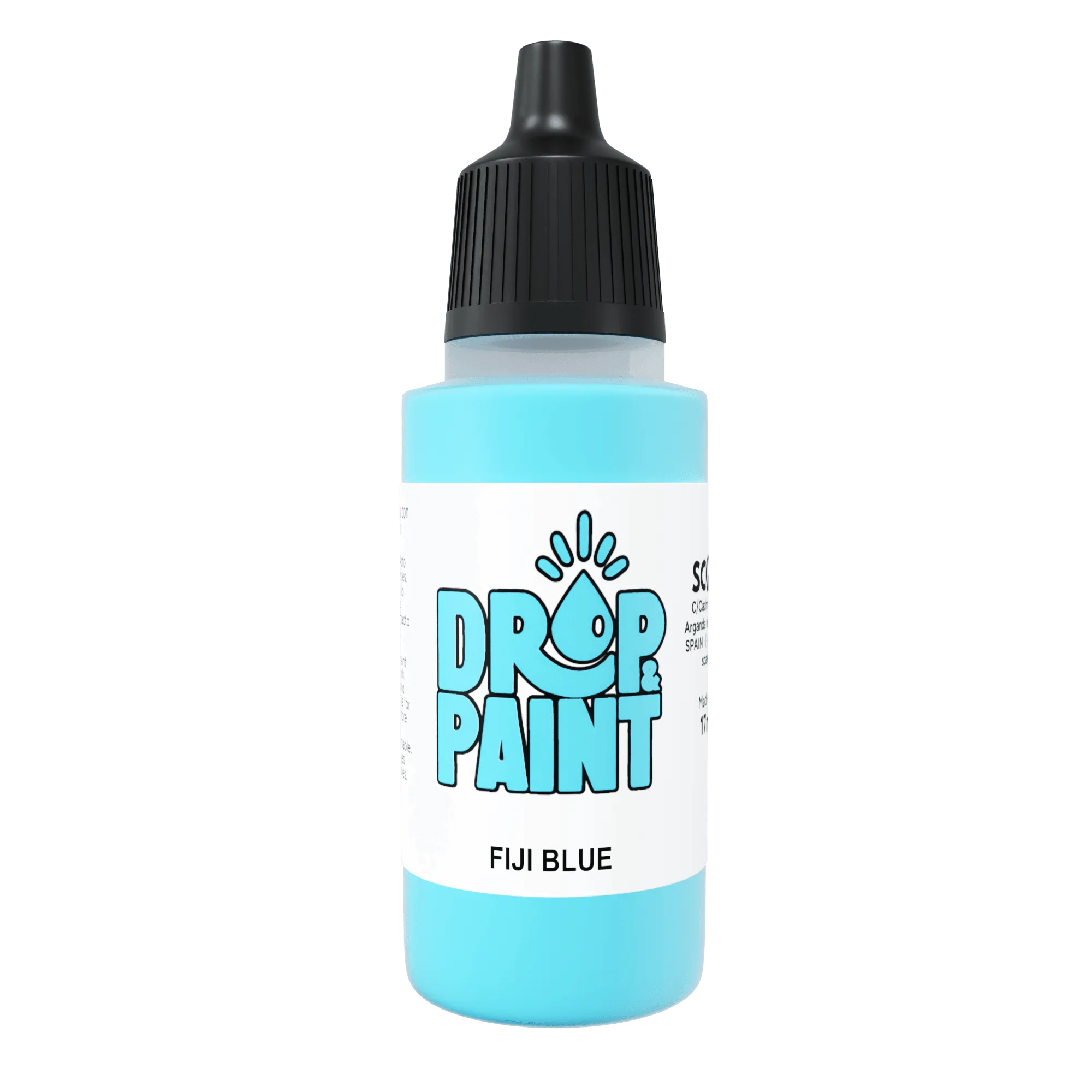
Fiji Blue
Fiji Blue sits in an awkward but useful spot: bright enough for fantasy armies, calm enough to pass on historical figures once you control the value around it. That flexibility is why it keeps coming up in questions about blue for fantasy and blue for historical projects.
This guide gives you decision rules rather than a sales pitch. You will see when Fiji Blue is the right blue, when another paint is the better buy, and which companion products actually help you finish a project instead of sitting unused on the shelf.
What Fiji Blue is good at, and where it struggles
Fiji Blue earns its place through readability. On a tabletop, a blue that stays distinct at arm's length matters more than subtlety, and Fiji Blue holds its identity under normal lighting. On fantasy models it works for cloaks, banners, magical effects, and armor accents. On historical models it works best as a uniform or trim color where you want the unit to look cohesive rather than muddy.
armor
Its limitation is the same thing that makes it useful: it is a confident blue. If you are painting a large historical vehicle and want a flat, dusty tone straight from the pot, Fiji Blue will fight you until you glaze it down. That is a workflow cost, not a defect, and it is the main reason to consider a dedicated military blue instead.
- Test Fiji Blue on a primed scrap figure before committing it to a whole unit.
- Photograph your test under the light you actually play or display in.
- If the blue looks too saturated, add thin glazes rather than repainting the base.
How to use Fiji Blue on fantasy models
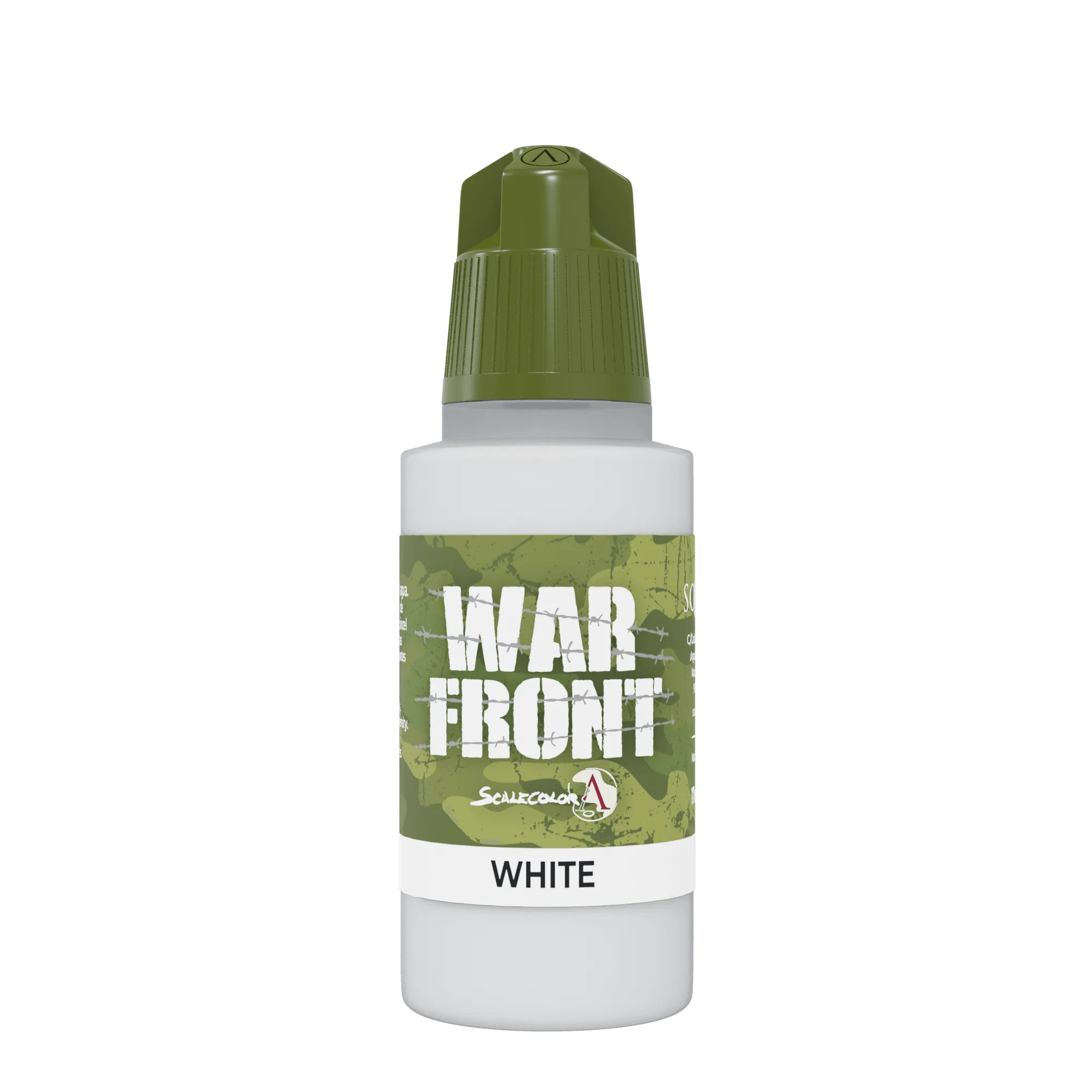
For fantasy, treat Fiji Blue as a mid-tone and build contrast around it. Start from a darker blue or a dark grey-brown in the recesses, then layer Fiji Blue on the raised areas so the color stays clean. Keep the highlights cool rather than adding white-2c58a54a96968356c7438d99-1815651">white, which can turn the blue chalky and flatten the shape.
Metallic accents in warm gold or bronze give Fiji Blue a deliberate, heraldic feel. If you want a colder, more alien result, pair it with silver and a small amount of a pale grey. The goal is to decide the mood before you start, because repainting a saturated blue back down is much slower than planning the value range first.
- Keep recesses darker than the Fiji Blue layer to preserve definition.
- Use a warm metallic for heraldry and a cool metallic for arcane or sci-fi looks.
- Thin Fiji Blue more than you think for smooth coverage on large cloaks.
How to use Fiji Blue on historical models
Historical work rewards restraint. Apply Fiji Blue as the base, then knock it back with a thin glaze of a grey or brown so it sits inside the period rather than on top of it. Weathering does most of the convincing work here, and dusty pigments over a blue uniform read more believably than a perfectly clean finish.
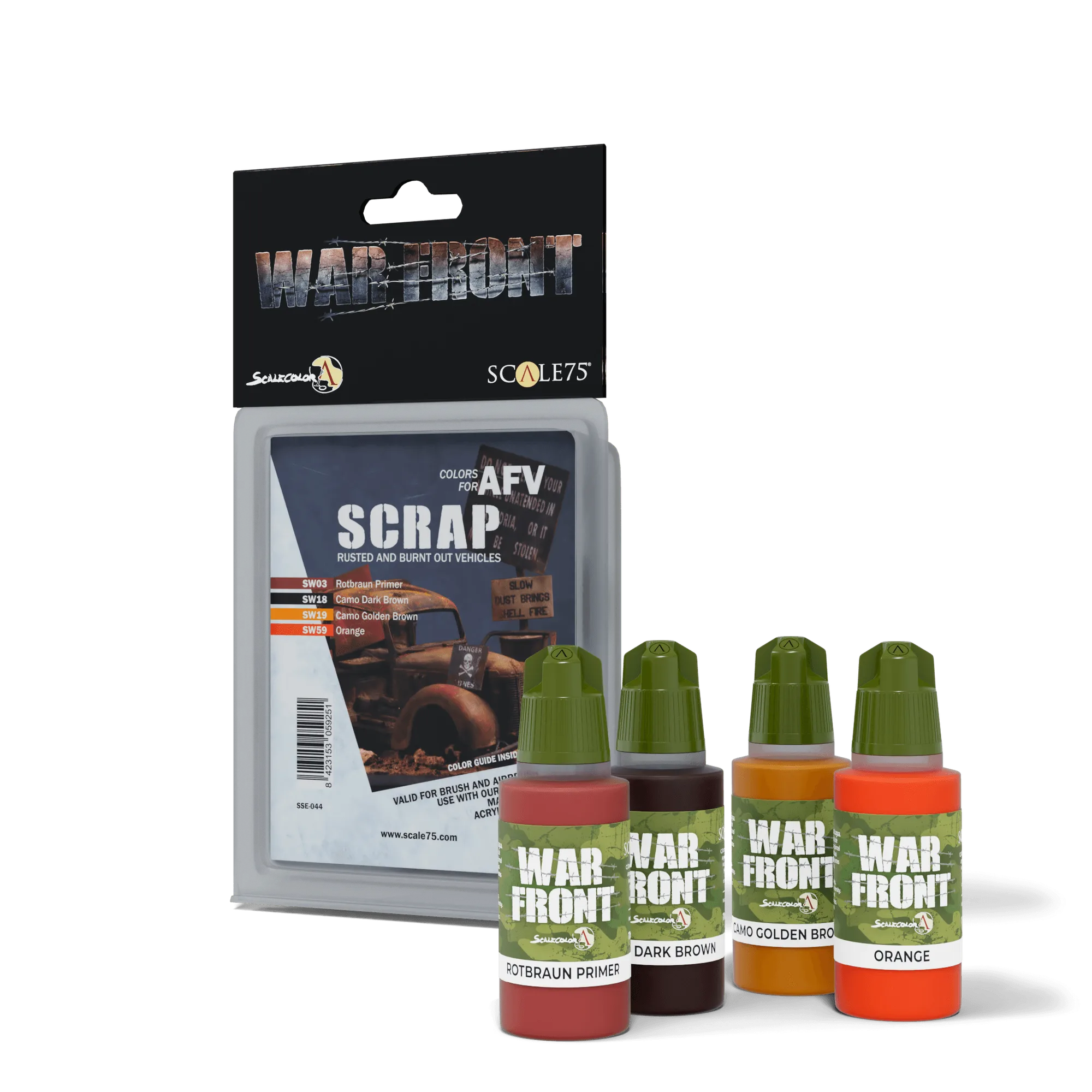
This is where companion paints matter. A matte military tone such as PANZER GREY gives you a neutral to blend against, and a rust and burn set such as SCRAP lets you age metal parts without inventing a color mix from scratch. Neither product is required, but both reduce the number of decisions between you and a finished figure.
- Glaze Fiji Blue with grey or brown to reduce saturation for historical use.
- Apply weathering after the blue is fully dry to avoid lifting the base coat.
- Keep the brightest blue on small areas such as cuffs or trim, not the whole uniform.
Choosing between Fiji Blue and a dedicated military blue
The honest trade-off is time versus range. Fiji Blue covers more ground across genres, so a single pot serves fantasy and historical projects. A dedicated military blue covers less ground but needs fewer adjustments for vehicles and large uniform blocks. If you paint mostly one genre, buy for that genre.
If you paint both, Fiji Blue plus a neutral like PANZER GREY is a compact, flexible pair. You get a saturated blue for fantasy and a matte neutral to desaturate it for historical work, which is cheaper than buying two blues you will use unevenly.
- Mostly fantasy: buy Fiji Blue and a dark blue for shading.
- Mostly historical vehicles: buy a dedicated military blue and a neutral grey.
- Both genres: Fiji Blue plus a matte neutral covers more projects per pot.
Products that genuinely support a Fiji Blue project
Paint is only part of the job. A 75mm resin figure such as Imperial Guard 1805 gives you a large enough surface to actually judge how Fiji Blue behaves on a finished model, and it ships unpainted with assembly required, so you control every stage. Each box also includes a SCALE75 painting reference to inspire your own approach.
For reference and technique, MINIPEDIA FOR GAMERS 06 - HISTORY: SOLDIERS & CAVALRY walks through painting historical miniatures across Roman, Napoleonic, and World War II subjects. It is a useful companion when you are using blue on historical figures and want a process to follow rather than guesswork.
- Pick a figure size that matches the detail you want to practice.
- Use a reference book when you are new to a historical period.
- Keep a test figure aside for color experiments.
Decision rules for buying and using Fiji Blue
- Rule 1: Buy Fiji Blue if you paint both genres: If your shelf holds fantasy warbands and historical units, one saturated blue plus a neutral grey covers more of your projects than two single-purpose blues. Checkpoint: count how many unfinished projects involve blue before buying.
- Rule 2: Skip Fiji Blue if you only paint large military vehicles: Vehicle work rewards flat, dusty tones straight from the pot. Adjusting a saturated blue every session costs more time than a dedicated military blue saves. Choose a dedicated military blue instead.
- Rule 3: Always test on a primed scrap figure first: Blue shifts dramatically under different lighting and primer colors. A five-minute test prevents repainting an entire unit. Keep a primed scrap figure within reach at all times.
- Rule 4: Plan the value range before the first coat: Decide your darkest recess and your highlight before applying Fiji Blue. Saturated blues are slow to correct once they are on the model. Write the palette down before you start painting.
- Rule 5: Add weathering only after the blue is fully cured: Oil, pigment, and enamel techniques can lift a base coat that is not fully dry, which undoes clean blue work. Wait, then weather.
Product facts worth knowing
- PANZER GREY: Warfront acrylic paints are creamy and their opacity allows us to create glazes with ease, achieving excellent results. With tones suitable for modeling and military figures. Valid for brush and airbrush. Matte finish acrylic paint 17ml. A creamy, opaque matte grey is exactly what you want for glazing Fiji Blue down toward a historical look, and it works through both brush and airbrush.
- SCRAP: Set of 4 matte-finish acrylic colors with which you can achieve a rusty and burnt look on your vehicles. These paints are highly durable and easily withstand any aging technique using oil, pigments, and enamel washes. If your historical blue sits on a vehicle or armored figure, this set handles the rust and burn stages without you mixing your own weathering colors.
- Imperial Guard 1805: 75mm scale Figure made with high quality resin. Unpainted figure Assembly required. In each box, you'll find a SCALE75 painting reference to inspire your artistic creations. A 75mm unpainted resin figure gives you generous surface area to test how Fiji Blue reads at display scale, and the included reference helps you plan the palette.
- MINIPEDIA FOR GAMERS 06 - HISTORY: SOLDIERS & CAVALRY: This book explains in detail the processes for painting miniatures as diverse as Roman legionaries, Napoleonic cavalry, and World War II soldiers. Useful when you are painting historical blue and want a documented process for uniforms and cavalry rather than improvising.
Who should buy Fiji Blue
Best for
- Painters working across fantasy and historical projects who want one flexible blue
- Hobbyists painting banners, cloaks, and uniform trim that need to read clearly on the tabletop
- Anyone willing to glaze and weather a saturated blue into a period-appropriate tone
Not for
- Painters who only need a flat, desaturated blue for large historical vehicles
- Hobbyists who want a single pot to do all the work with no glazing or weathering steps
- Anyone looking for a matched set of historical uniform blues in one purchase
Fiji Blue is worth buying if you want one blue that handles fantasy vibrancy and can be tamed for historical work. Pair it with a matte neutral like PANZER GREY, test it on a scrap figure, and decide your value range before the first coat. If you only paint flat military vehicles, buy a dedicated military blue instead.