Quick Answer
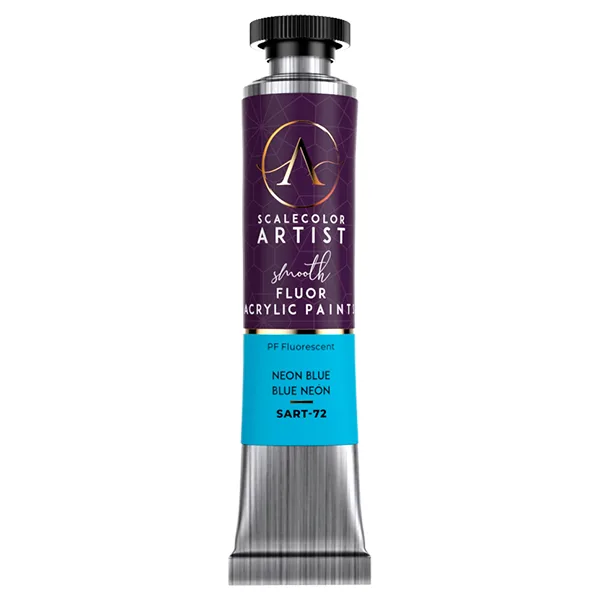
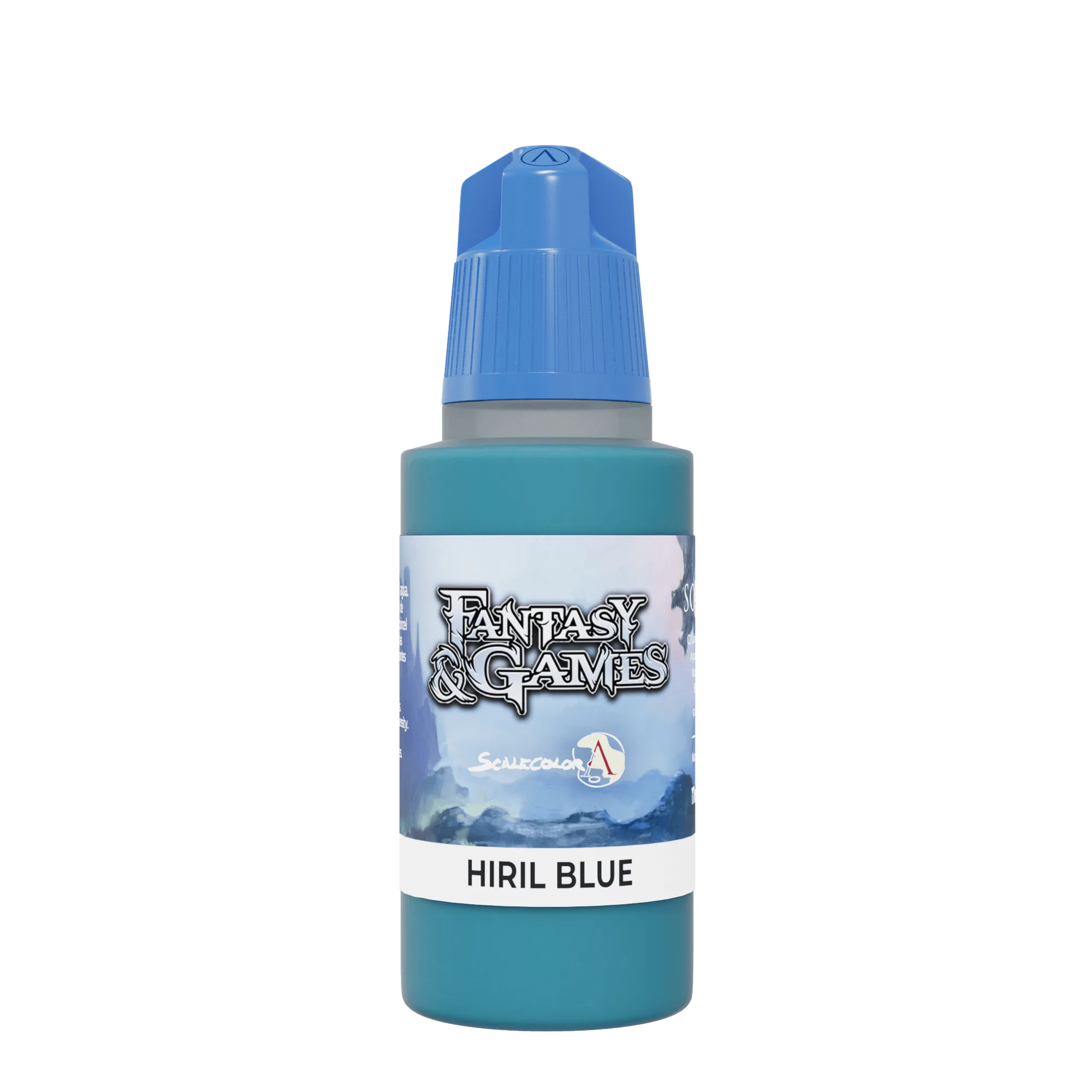
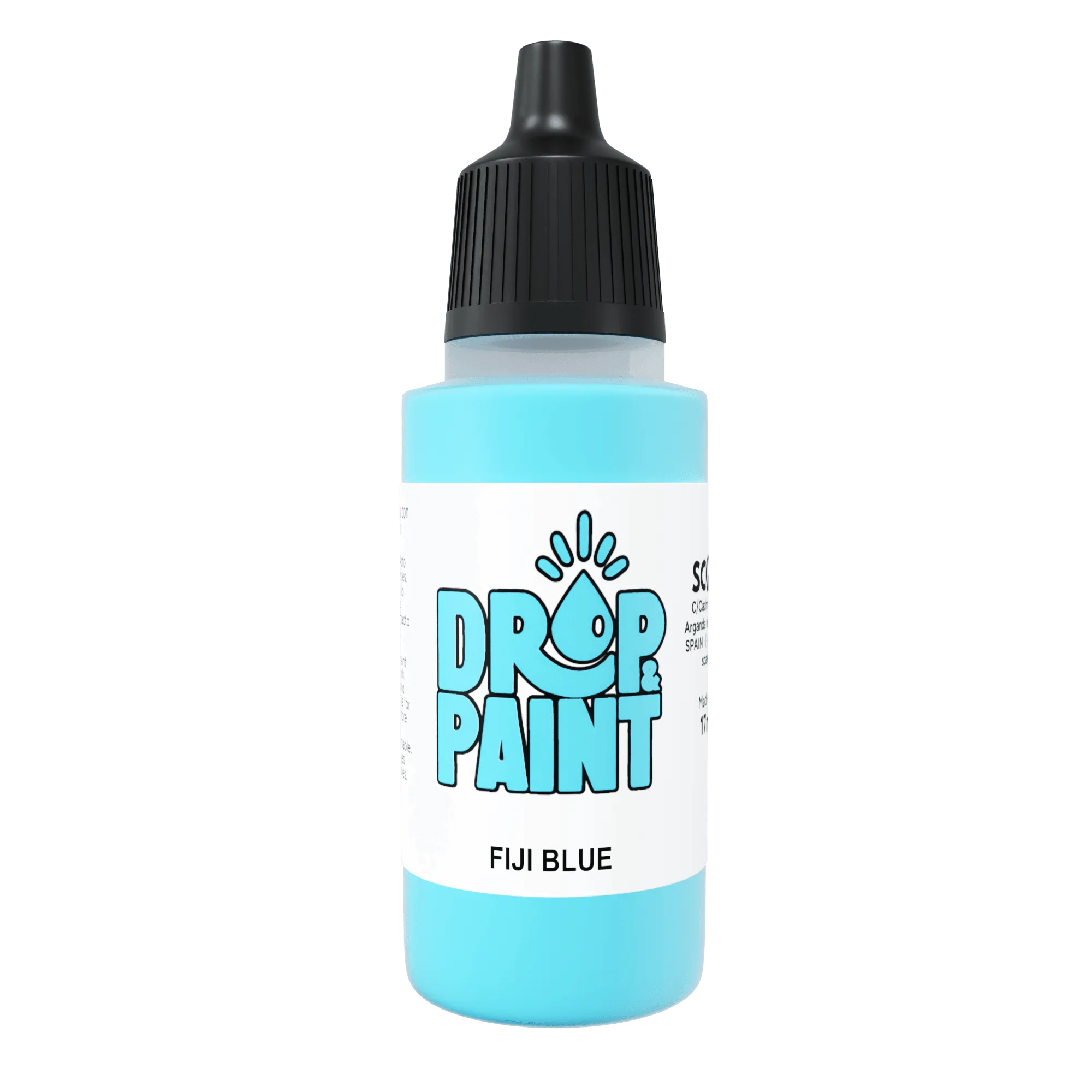
For most sci-fi armies, Fiji Blue works as a dependable mid-tone base, Hiril Blue handles shading and depth, and Neon Blue delivers glow effects and energy accents. If you need one blue to start, choose Fiji Blue; add Neon Blue for focal points. Hiril Blue is the better pick when you want a cooler, darker blue for stealth or night operations.
Choosing the right blue for a sci-fi army is not just about color preference. Each blue behaves differently on armor panels, cloaks, and energy weapons, and those differences affect how quickly you can paint a squad and how cohesive the final force looks on the tabletop.
Fiji Blue, Hiril Blue, and Neon Blue cover three distinct roles: a balanced mid-tone, a deep shadow tone, and a high-impact glow accent. This comparison explains what each does well, where it struggles, and how to combine them without losing visual unity.
Fiji Blue: The Balanced Mid-Tone
Fiji Blue sits in the middle of the blue spectrum, making it a natural base coat for space marine armor, vehicle panels, and uniform cloth. It covers well over light and mid-grey primers, and it accepts both brush and airbrush application without needing aggressive thinning. For sci-fi army painting, a mid-tone base is essential because it leaves room for both shadows and highlights without repainting the whole model.
The trade-off is that Fiji Blue alone can look flat on large, smooth surfaces. You will still need a darker shade for recesses and a lighter tint for edges. If you are painting a full squad, Fiji Blue is efficient because it dries to a consistent matte finish and layers predictably.
- Best for: base coating infantry, tanks, and walkers.
- Pair with: a dark wash for panel lines and a pale blue for edge highlights.
Hiril Blue: Depth and Cool Shadows
Hiril Blue is a cooler, deeper blue that excels at shading and creating contrast against warmer blues. In sci-fi army painting, it works well for stealth units, night operations, and the recessed areas of armored vehicles. Because it is darker, it can also serve as a base coat if you plan to layer brighter blues on top, but that approach takes more time per model.
The main limitation is that Hiril Blue can read as almost black under poor lighting. If your army is meant to be bright and heroic, using it too heavily will mute the overall look. Reserve it for shadows, undersuits, and the deepest folds of cloaks.
- Best for: shading, panel lines, and stealth-themed units.
- Avoid: using it as the main color on large, flat surfaces unless you want a very dark army.
Neon Blue: Glow and Energy Accents
Neon Blue is a high-saturation blue designed for glow effects, energy weapons, and optical lenses. It is not intended to cover large areas evenly; instead, it works best when applied over a white or light base to maximize brightness. For sci-fi miniature colors, Neon Blue is the fastest way to draw the eye to a focal point such as a plasma coil or a power sword.
The trade-off is coverage. Neon Blue often requires multiple thin coats to build up opacity, and it can look patchy if applied too thickly. It also does not shade well with dark washes, which can dull its fluorescent quality. Keep it for accents and use a mid-tone like Fiji Blue for the bulk of the model.
- Best for: energy effects, lenses, and small glowing details.
- Apply over: white or light grey to preserve brightness.
How to Combine All Three
A practical approach for a sci-fi squad is to base coat with Fiji Blue, shade the recesses with Hiril Blue, and then add Neon Blue to one or two focal points per model. This creates a clear hierarchy: the mid-tone dominates, the shadow adds depth, and the neon accent provides contrast without overwhelming the scheme.
If you are painting a vehicle, use Fiji Blue on the main hull, Hiril Blue on the underside and panel gaps, and Neon Blue on engine vents or energy cells. This keeps the model readable from a distance and gives you a consistent method across the whole army.
- Keep the ratio roughly 70% mid-tone, 20% shadow, 10% neon accent.
- Test your combination on a single model before committing to a full squad.
Trade-Offs at a Glance
- Fiji Blue: Balanced mid-tone with good coverage and predictable layering, but can look flat without additional shading and highlighting. Choose this as your main army color if you want a reliable base that works on both infantry and vehicles.
- Hiril Blue: Deep, cool blue that creates strong shadows and contrast, but can mute a bright scheme if overused. Use it for shading and stealth units, not as the dominant color unless you want a dark, moody force.
- Neon Blue: High-saturation accent that delivers vivid glow effects, but requires multiple coats and does not shade well with dark washes. Reserve it for focal points like energy weapons and lenses to maximize impact without tedious coverage.
Product Facts
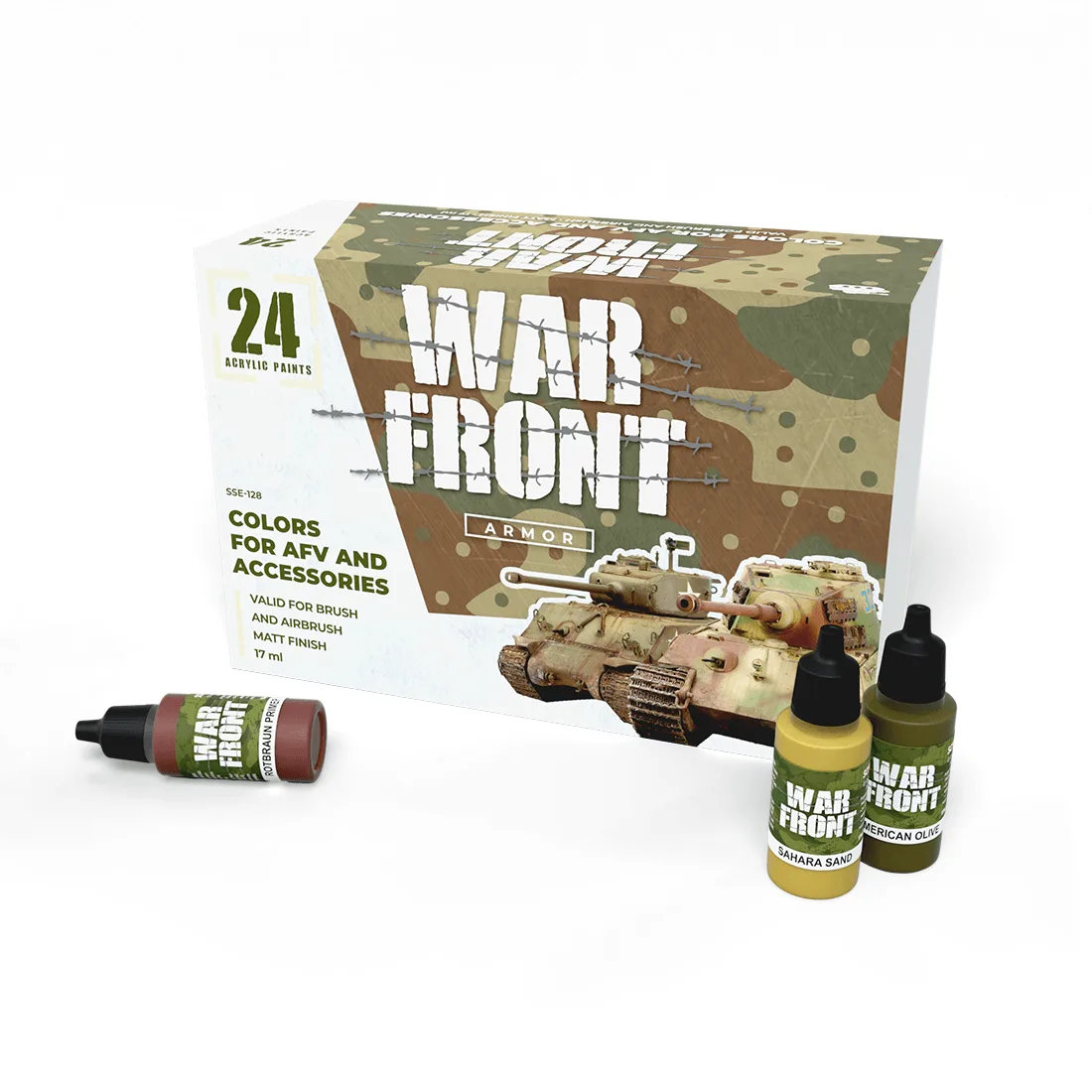
- GREEN COLORS: Set of 8 acrylic colors covering the most commonly used green shades in military vehicles throughout the 20th and 21st centuries. If your sci-fi army includes military-style vehicles, this set provides historically grounded greens that can contrast with your blue infantry.
- INSIDY: 75mm scale figure made with high quality resin. Unpainted figure. Assembly required. Includes a SCALE75 painting reference. A larger scale figure is a good way to practice blue layering and glow effects before applying them to a full army.
- GREEN OCHRE: Warfront acrylic paints are creamy and their opacity allows us to create glazes with ease, achieving excellent results. Valid for brush and airbrush. Matte finish acrylic paint 17ml. A creamy, opaque paint like this can be useful for creating glazes over blue base coats, adding subtle color variation to sci-fi armor.
Which Blue Should You Choose?
Best for
- New sci-fi army painters who need one dependable blue for base coating.
- Players who want a cohesive blue scheme across infantry and vehicles.
- Hobbyists painting stealth or night-operation themed forces.
Not for
- Painters who want a single paint to handle base, shade, and glow effects.
- Anyone looking for a fluorescent blue that covers large areas in one coat.
- Historical painters who need exact military color matches.
Fiji Blue, Hiril Blue, and Neon Blue each solve a different problem for sci-fi armies. Start with Fiji Blue as your foundation, add Hiril Blue for depth, and use Neon Blue sparingly for energy effects. That combination gives you a flexible, readable force without buying every blue on the shelf.