Quick answer
For most high-power builds, G10 fiberglass is the best default fin material because it stays stiff under thrust and resists landing damage. Plywood is lighter and cheaper for smaller, lower-thrust rockets, while composite layups suit builders who want to tune stiffness and weight. Whichever material you pick, match the fin set to your airframe diameter and motor mount first.
What each fin material actually does on a high-power rocket
G10 fiberglass is a resin-bonded glass laminate sold in flat sheets. It resists bending and flutter better than wood of the same thickness, and it tolerates hard landings without splitting along grain. The trade-off is weight and cost, plus you need to sand and bond it properly.
Plywood fins are layered wood veneers glued in alternating directions. Aircraft-grade plywood is strong for its weight and easy to shape, but it can delaminate or crack on high-speed flights or rough recovery. It is the practical choice for smaller airframes and lower-thrust motors.
Composite fins cover any layup you build yourself, such as fiberglass or carbon over a core. You control stiffness, thickness, and weight, but you also own the quality control. Poorly cured or resin-starved laminates can fail earlier than a good plywood fin.
How to match a fin set to your airframe and motor mount
Fin root length and span must fit the airframe diameter and the motor mount tube the fin tab reaches. A fin designed for a 2.26-inch airframe with a 38mm motor mount will not seat correctly in a larger booster without modification.
Check thickness against your centering ring slots and fin can design. A 1/8-inch fin is a common mid-power and small high-power thickness. Thicker fins add stiffness but also drag and weight, so do not oversize fins on a light rocket.
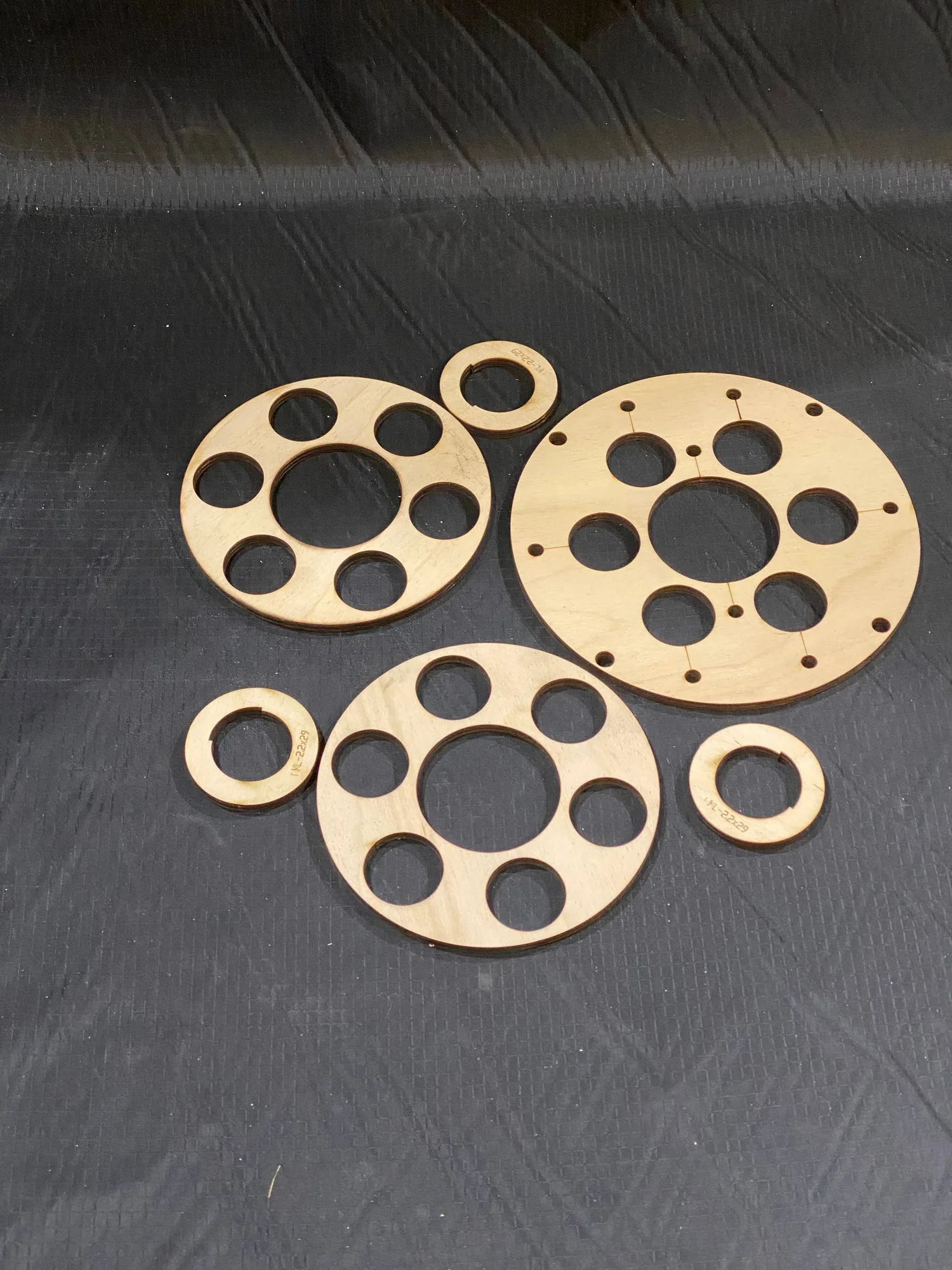
centering ring
For kits with a modular mount, confirm the fin set is intended for that rocket. A fin set listed for a specific model, such as the Park Flyer Hyperloc, is cut to that design and is not a universal blank.
Where each material makes sense in practice
Choose G10 when you fly reloads with high thrust, when the rocket will land on hard surfaces, or when you want a fin that survives repeated flights without rework. It is the safest default for a 4-inch or larger airframe.
Choose plywood when weight matters, when the motor is small enough that fin flutter is unlikely, and when you want to shape an airfoil quickly with hand tools. It is also the budget-friendly route for a first build.
Choose composite layups when you have a specific stiffness or weight target and the shop skills to hit it. If you are still learning to bond fin cans and fillets, a proven G10 or plywood set removes one variable.
Material trade-offs at a glance
- G10 fiberglass: High stiffness and impact resistance, but heavier and more expensive than plywood of the same thickness. Best default for high-thrust and hard-landing rockets.
- Plywood: Light and easy to shape, but can delaminate or crack under high speed or rough recovery. Good for smaller airframes and lower-thrust motors.
- Composite layups: You control stiffness and weight, but cure quality and bonding are on you. Choose only if you can build and inspect the laminate.
Fin sets in the catalog
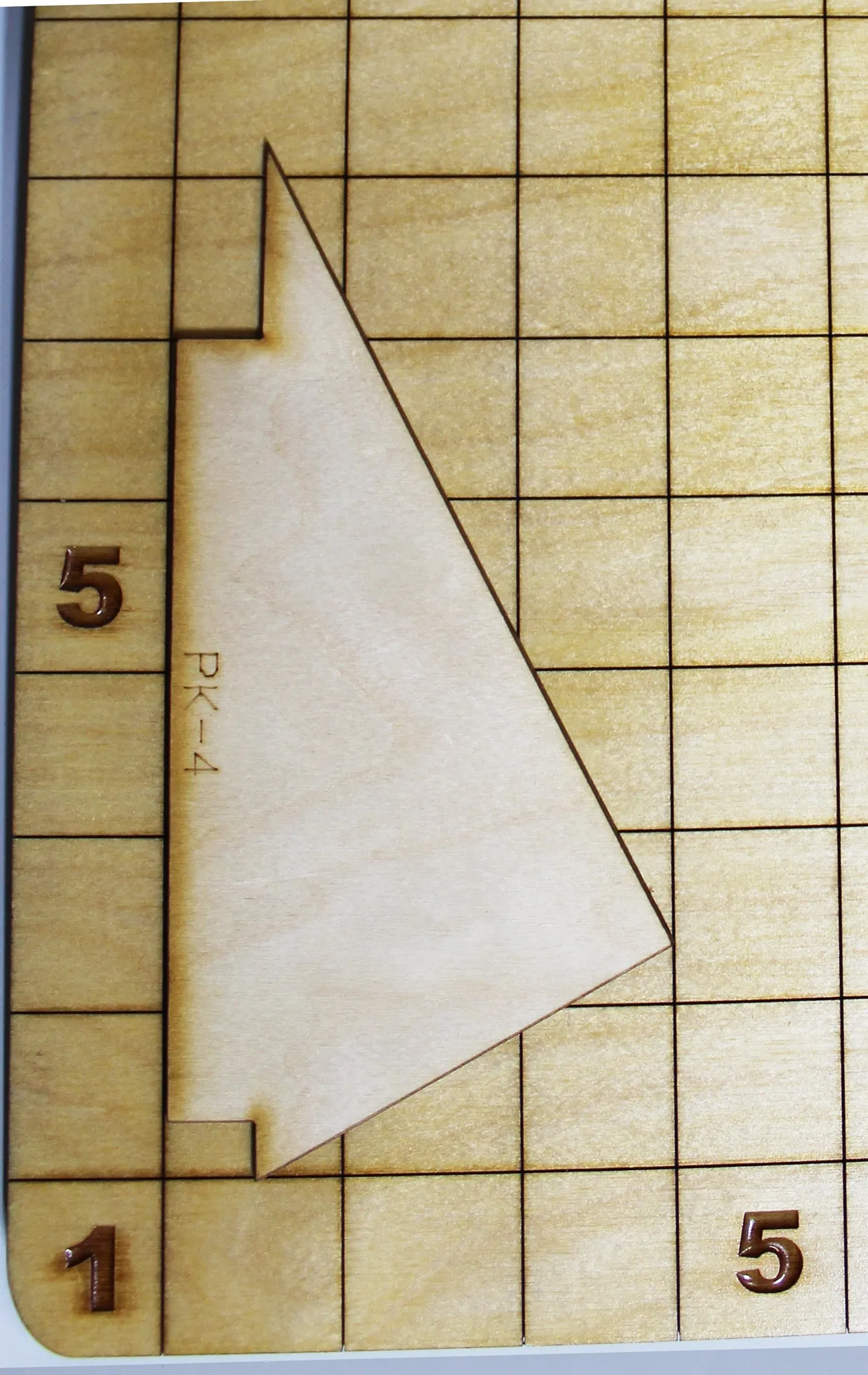
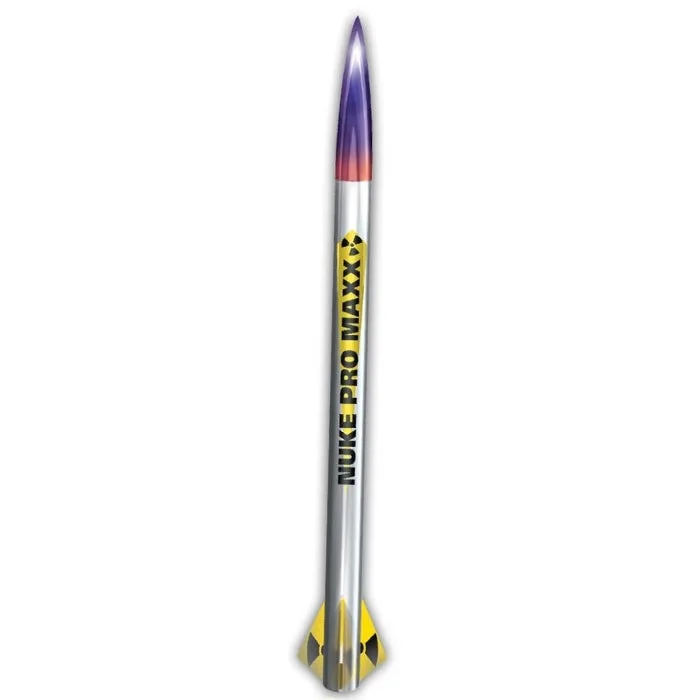
- Nuke Pro Maxx Fin Set: The Nuke Pro Maxx Fin Set from LOC Precision includes three 1/8-inch thick fins and fits from the 2.26-inch airframe down to the 38mm motor mount. A drop-in replacement for that airframe, so you avoid trimming or shimming a generic fin sheet.
- PFY-HLOC Fin Set: The PFY-HLOC Fin Set from LOC Precision includes three fins designed for the Park Flyer Hyperloc rocket. Model-specific fins save layout time, but they are not interchangeable with other airframes.
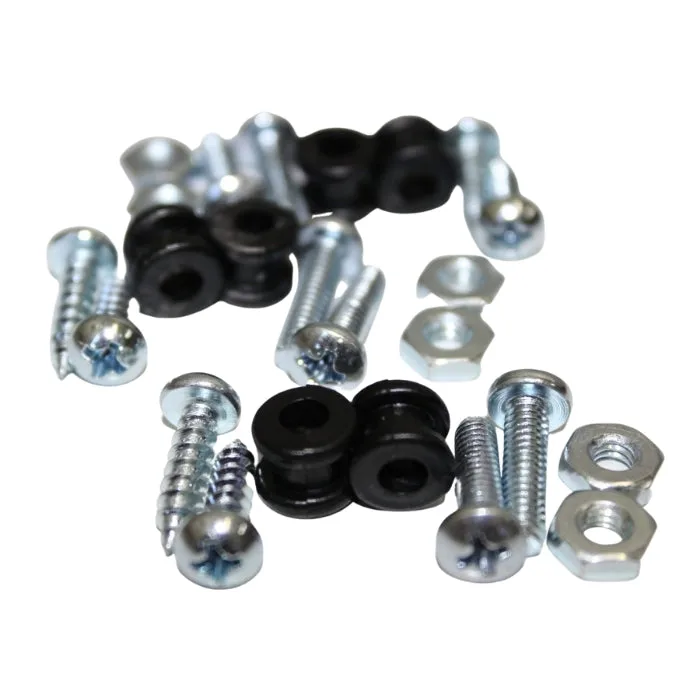
- LOC 4" Goblin: The LOC 4" Goblin is a 4-inch diameter kit with a Loc-n-Mount system that accepts 54, 38, and 29mm motors, and it includes decals, hardware, and rail guides. If you want one airframe that can fly on several motor sizes, this kit lets you change motor class without changing the fin set.
Which fin material should you choose?
Best for
- High-power flyers running 38mm and larger motors who want fins that survive repeated flights
- Builders replacing fins on a known airframe, such as the Nuke Pro Maxx or Park Flyer Hyperloc
- Anyone who wants a predictable, pre-cut fin set instead of laying up their own composite
Not for
- Ultralight low-power builds where plywood already has enough stiffness
- Builders who want to experiment with custom airfoils and laminate schedules
- Rockets whose airframe diameter or motor mount does not match the fin set's stated fit